Ever feel weighed down by homework and non-stop social media? When tests and high expectations add up, it might seem like you never get a break. But simple stress relief techniques could be your secret to feeling more in control every day.
Try taking a deep breath or doing a quick stretch. These small steps help ease stress and boost your focus. In this post, you'll see how little actions can lead to big changes, keeping you balanced through busy school days and beyond.
Essential Stress Relief Strategies for Students
Student stress is a big deal. A little stress can keep you alert, but too much can make school feel overwhelming. Many students cope with changes during puberty, the pressure to excel in class, and a constant flow of social media notifications. When stress builds up too much, it might lead to anxiety or even depression. Spotting these signs early can help protect both your mind and body.
Understanding these challenges is especially important if you're juggling high school and figuring out who you are. Simple, everyday steps can stop stress from taking over your focus and well-being. Small habits now can really change how you feel in class and beyond.
- Deep breathing: Take a slow, deep breath in, hold it, and then breathe out fully. It helps calm your mind.
- Time blocking: Plan your day by setting aside time for study and regular breaks for self-care.
- Journaling: Write down your thoughts to help sort out your feelings and clear your mind.
- Quick stretches: Stand up, reach, and move around to release that built-up muscle tension.
- Personal outlets: Dive into your hobbies or creative projects to give your mind a refreshing break.
Practice these steps regularly, and managing stress will become a natural part of your day. Even when things get really busy, spending just a few minutes on these activities can build resilience, keeping you focused, balanced, and ready to take on whatever challenges come your way.
Mindfulness-Based Stress Relief Techniques for Students
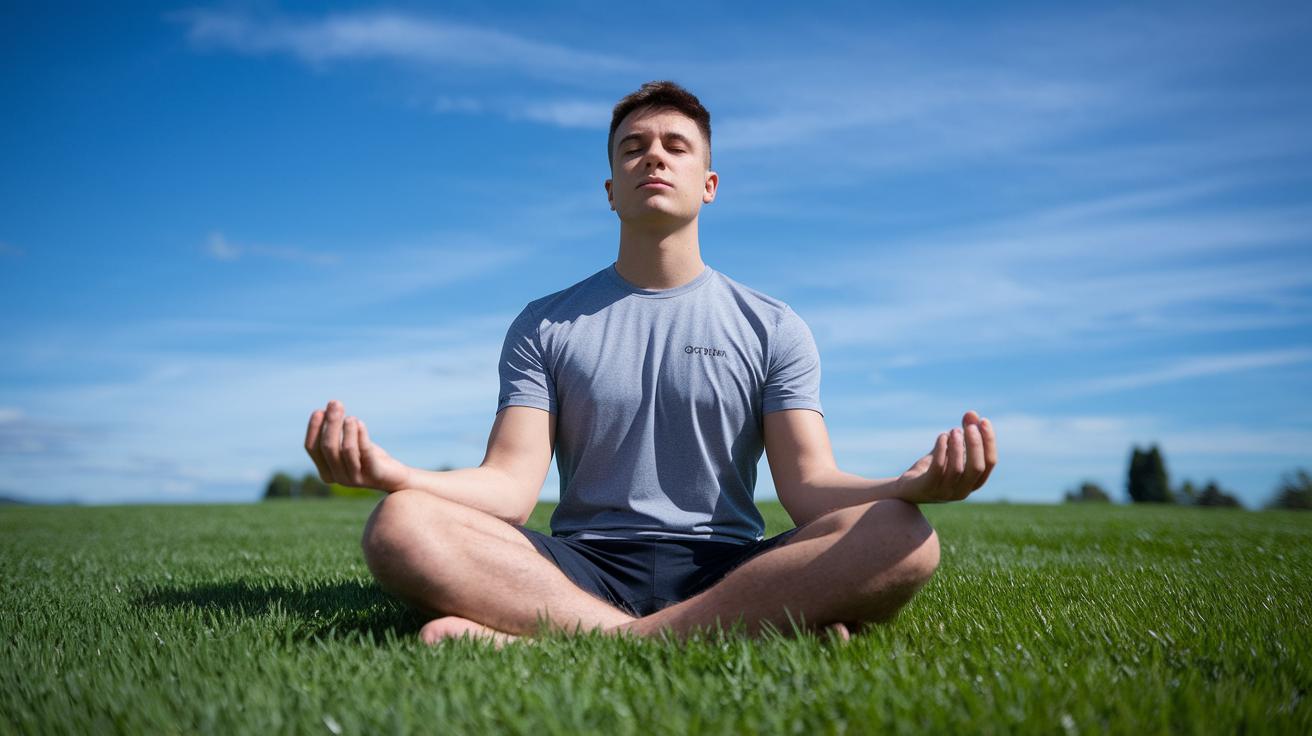
Mindfulness techniques help ease study stress by calming a busy mind. Many students have found that these simple practices clear their thoughts and boost focus. Here, we'll share three easy methods that provide quick relief during a tough day of studying.
Deep Breathing
Try deep breathing by using the 4-7-8 method. Inhale slowly through your nose for 4 seconds, hold the breath for 7 seconds, then exhale gently through your mouth for 8 seconds. It’s like letting your heart take a little break as your worries slowly drift away. Imagine filling up with calm and releasing tension, much like deflating a balloon. Repeat this cycle a few times, and you might find that your stress fades away, leaving your mind clearer.
Guided Meditation
Spend about 5 minutes on guided meditation during your study break. Find a quiet spot and sit comfortably. Then, choose a simple word like "peace" or "calm" and say it softly to yourself. Close your eyes and let the gentle sound of your voice guide you. Picture yourself in a serene place, a quiet garden or a calm lake. As you sink into this moment, you may notice that your stress begins to melt, leaving you feeling more centered and relaxed.
Progressive Muscle Relaxation
This technique involves moving through your body from your feet upward. Start by tensing the muscles in your feet for around 5 seconds, then relax them for 10 seconds. Gradually work your way up through your calves, thighs, abdomen, chest, hands, arms, and finally your face. As you release each muscle, picture them softening, almost like ice slowly melting under a warm sun. This practice not only relaxes your body but also helps clear your mind.
Research shows that using these techniques regularly can reduce stress and improve concentration, as many students have experienced firsthand.
Exercise and Physical Techniques to Reduce Student Stress
Regular exercise lifts your mood by releasing natural endorphins, and it helps ease study stress. Moving your body gives you a much-needed reset after long hours of sitting. Even a few minutes of activity can help melt away academic pressure.
Yoga Routines for Calm
Try a 15-minute yoga flow to soothe your body and mind. Start with the Child’s Pose to gently ease your back and shoulders. Next, do the Cat-Cow to warm up your spine, then switch to Downward Dog to stretch your legs and upper body. Picture yourself moving smoothly from one pose to the next, like washing away the day's worries. This simple routine can lift your concentration and reduce muscle tightness.
Walking and Jogging
A brisk 20-minute walk around campus or a few treadmill intervals can do wonders. Light jogging or walking increases blood flow and lets your brain take a short break from intense focus. Imagine stepping outside on a sunny day, feeling the breeze on your face and letting your thoughts wander. This easy routine clears the mind and boosts your spirit.
Stretching Exercises
Add some desk stretches into your study sessions. Focus on simple stretches for your shoulders, wrists, and hamstrings to balance out long periods of sitting. Just a few minutes of these movements can help reset your posture and keep you feeling fresh throughout the day.
Remember, taking short breaks for movement keeps your body and mind in harmony as you study.
Time Management Strategies for Student Stress Relief

Begin by setting simple weekly goals that clearly divide your time between school, work, and personal activities. This approach lets you break larger tasks into smaller, more manageable pieces so you don’t feel overwhelmed. You might even jot down your top three priorities for the week, helping you focus on today while keeping your long-term plans in mind.
Next, try creating a time-blocked schedule. Plan out chunks of time for focused work and add short breaks in between, maybe a quick walk or a few minutes of relaxation. This little buffer gives your mind a chance to reset, making each task feel more achievable and keeping last-minute stress at bay.
Finally, use habit trackers or digital calendars to keep everything on track. Many students find that these tools help ease exam anxiety because they provide steady reminders of what needs to be done. Tracking your tasks not only boosts your productivity but also helps you feel more balanced on even the busiest days.
Self-Care and Lifestyle Practices for Student Stress Relief
Every day, try setting aside a little time to write down your thoughts. It might feel simple, but questions like "What went well today?" or "What small win can I celebrate?" can really help clear your mind. Putting your feelings on paper feels like unloading a heavy backpack, you get a clearer view of your day and a bit less stress.
If writing isn’t your thing, explore other ways to relax. Maybe try painting, sketching, or even tending a small garden. These kinds of creative breaks let you express yourself without words. Imagine doodling or adding a bright splash of color and suddenly feeling that weight lift off your shoulders.
Taking care of what you eat is another big help when school gets hectic. A balanced meal filled with fruits, veggies, lean proteins, and whole grains can keep your energy steady. Try swapping out high-fat, sugary snacks for something more wholesome. A good breakfast or a healthy snack might just be the pick-me-up your body needs. If you’re curious, check out more tips online about keeping a balanced diet or exploring holistic healing and wellness.
In truth, small changes like journaling regularly, diving into creative pursuits, and choosing the right foods are little investments in your overall well-being. They help keep stress at bay and make every day a bit easier to handle.
Building Support Systems and Coping Strategies for Student Stress

When stress feels overwhelming, having friends and family who genuinely care can lighten the load. These caring folks listen without judgment, letting you share your worries or just vent after a rough day. Their support offers comfort and reminds you that you’re never alone.
When school stress builds up, try some simple coping tricks. Joining a study group, for example, lets everyone swap tips and cheer each other on. Teaming up with a friend to keep track of daily goals can turn small steps into big wins. Even a quick five-minute check-in with a classmate can boost your mood and make you feel connected.
If stress starts to cause problems like trouble sleeping, feeling extra sad, or picking up unhealthy habits, it might be time for some extra help. Chatting with a trusted mentor or counselor can make a big difference. Pay attention to any mood changes that last a few days, they’re important signals to reach out for support.
Practical Resources and Tools for Student Stress Relief
Digital tools and printables give you easy ways to handle study stress. These quick check-ins and guided meditation tracks help take the edge off your busy days. Even a few minutes of calm can make a big change during hectic study times.
Using these tools can help you feel more in control. When your schedule gets full, these resources remind you to stop, take a breath, and clear your mind. It’s like having a mini break that smoothly shifts you from work mode to chill mode.
| Resource Type | Description | Usage |
|---|---|---|
| Mobile App | 5-minute breathing timer | Try this app for a quick breathing break between study sessions to refresh your thoughts. |
| Printable Worksheet | Exam prep checklist | Print this checklist to organize your study tasks and ease exam worry. |
| Guided Audio | 5-minute meditation for study breaks | Listen to this guided meditation to regain focus and feel less tense during short breaks. |
| Online Community | Student peer support forum | Join the forum to share tips and get support from peers dealing with school stress. |
Using these handy tools every day can help lower stress and bring clarity. Give them a try and see how a short pause can brighten your study routine and make you feel more supported.
Final Words
In the action, this post explored practical ways to ease pressure in daily studies. It covered simple mindfulness practices like deep breathing and guided meditation, physical movement through yoga and stretching, clear time management methods, and everyday self-care tips for feeling balanced.
We talked about building supportive routines and using useful tools to keep stress in check. The insights shared are meant to remind you that every small change counts. Keep using stress relief techniques for students and enjoy the refreshing boost toward a calmer day.
FAQ
How can I access a PDF guide for student stress management?
A student stress management PDF typically offers clear strategies like deep breathing and simple routines to help you lessen tension and keep calm during school hours.
What are five stress management techniques for students and how do they help?
Five common techniques include deep breathing, journaling, quick stretches, time blocking, and journaling personal outlets. These methods offer simple ways to reduce stress and improve focus.
How does one deal with school stress and anxiety effectively?
Dealing with school stress and anxiety involves using methods such as guided meditation, deep breathing, and a well-structured schedule that help balance emotions and clear your mind.
How can stress be relieved quickly and what activities help?
Quick stress relief can be achieved with deep breathing, brief stretches, or a brisk walk. These activities interrupt tension and provide an immediate sense of calm.
What stress relieving activities can ease student tension?
Activities like creative expression, light exercise, mindful breaks, and simple journaling can ease student tension by helping process emotions and reset your focus.
What are the 5 R’s of stress management and what do they mean?
The 5 R’s refer to recognizing stress, responding mindfully, rethinking negative thoughts, relaxing your body, and reconnecting with supportive people to lower stress levels.
How do stress management techniques differ for high school students compared to women?
High school techniques usually target academic and social pressures with calming routines, while stress relief for women may also include self-care habits like a relaxing bath or targeted breathing exercises.