Have you noticed how some moms seem calm even when things get tough? It’s not magic. Taking steps to relax is a smart way to help both you and your baby feel better right now.
Simple habits, like slow breathing and gentle movements, can help clear your mind and ease stress. They work like a little pause in your busy day, giving you a chance to reset.
In this post, you'll find quick tips to relax during pregnancy and enjoy peaceful moments. Wouldn't it be nice to start your day feeling a bit lighter? Let's explore these ideas together and enjoy that refreshing calm.
stress relief for pregnant women: Embrace Calm Today
Finding quick stress relief is important for both mom and baby. It helps keep stress hormones low and creates a calm space for all. Imagine the comfort you feel after taking a deep, slow breath on a warm day.
Here are a few simple tips to help you feel better right away:
- Practice mindful breathing exercises.
- Enjoy gentle prenatal movements.
- Get plenty of rest and sleep.
- Stay connected with friends and family.
- Eat a balanced, nutrient-rich diet.
Each step gives you fast relief and helps you stay well over time. Mindful breathing can clear your mind and help your body handle stress better. Gentle movements improve blood flow and release natural feel-good chemicals. Good rest lowers stress hormones, and sharing time with loved ones builds a solid support network. A healthy diet keeps your mood steady and your energy up.
In truth, these simple ideas make it easy to welcome calm and care for yourself during pregnancy.
Understanding Stress Impact on Expectant Mothers
During pregnancy, your hormones can really swing things around, sometimes making you feel anxious or on edge. You might notice your heart beating fast, feel short of breath, or even get sudden bursts of panic when your body reacts to stress. If you suddenly feel your heart racing during an average moment, it’s just your body’s way of saying it’s processing stress. These signs are normal and show how much your body is tuning in during this special time.
When stress sticks around, it can lead to higher levels of cortisol, a hormone that, in large amounts, may affect both you and your baby. For example, long-term high cortisol might lead to early labor, a smaller birthweight, or even a baby with a smaller head size. Plus, if you’re stressed, you might find that pain feels more intense during delivery, which could mean you need extra help from medical professionals. Even after giving birth, lingering stress might make mood swings more likely. Keeping stress in check with caring support and mindful practices can help you stay balanced and protect your baby's health.
Mindfulness and Relaxation Practices for Pregnancy Stress Relief
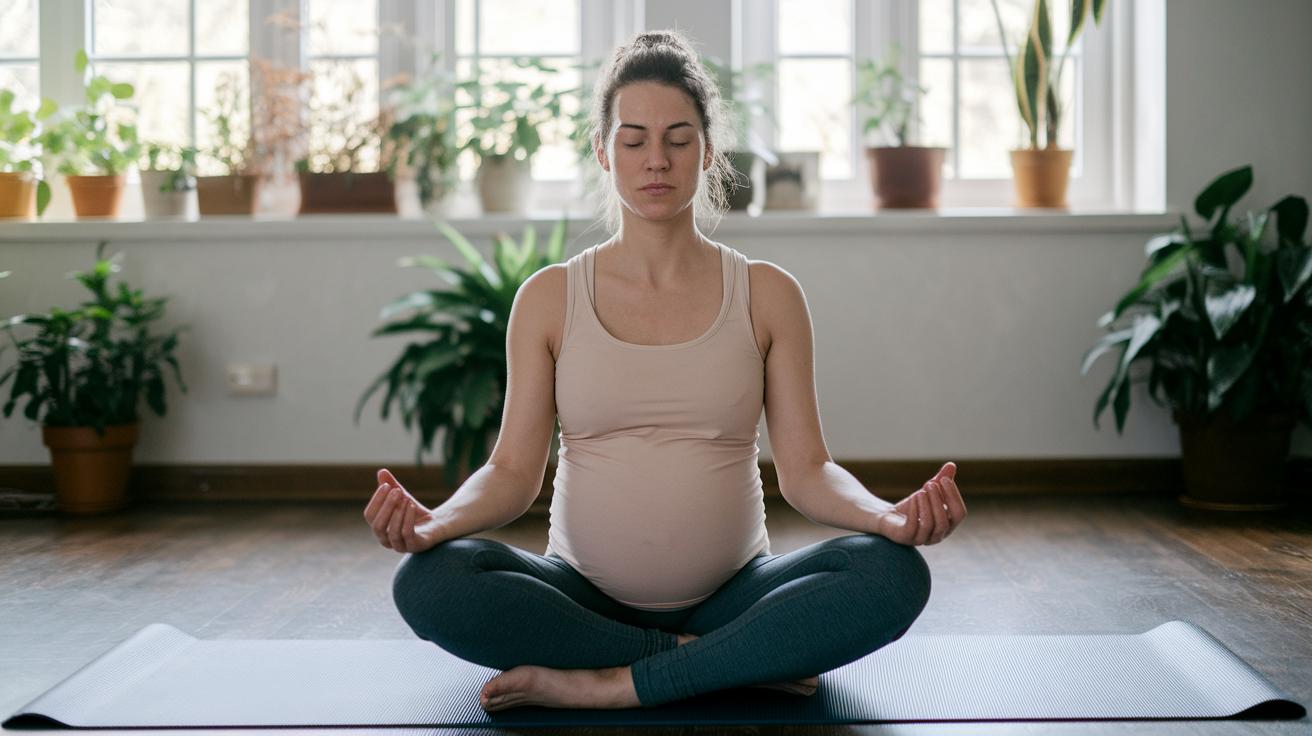
When you're feeling stressed during pregnancy, a good place to start is with mindful breathing. This simple practice not only calms your thoughts but also helps manage the release of cortisol, a stress hormone that can affect your body. Meditation and focused breathing work together to rebalance your nervous system, clear your head, and ease any physical tension you might be feeling.
Mindful Meditation
Every day, find a quiet corner where you can sit comfortably for a few minutes. Gently turn your attention to your breath and the sensations in your body. Think of it as a mini-break to help you leave your worries behind. You might even say to yourself, "I breathe in calm and breathe out tension," letting each exhale carry your stress away.
Deep Breathing Exercises
One simple way to soothe your body is the 4-7-8 breathing method. First, exhale fully from your lungs. Then, slowly breathe in through your nose for a count of four, hold that breath for seven seconds, and finally, breathe out gradually through your mouth for eight seconds. This steady rhythm can ease your heartbeat and help you feel less panicky. Try picturing the numbers with each breath, letting them guide you to a calmer state.
Guided Imagery Techniques
Close your eyes and imagine a place where you feel completely at ease. It could be a quiet beach, a sunny field, or a cozy room that makes you smile. Bring the scene to life by picturing the sounds, smells, and gentle warmth that surround you. This little mental escape can help shift your focus from stress to a deep sense of calm.
Keeping a journal to note any mood improvements and setting aside a little time each day for these practices can make stress relief feel like a natural part of your routine.
Physical Activities and Prenatal Yoga for Gentle Stress Relief

Taking it easy with gentle movement during pregnancy can really help melt away stress. Research tells us that simple, low-impact activities like walking or water aerobics can boost your feel-good endorphins, lower stress hormones, and even help you sleep better. These small changes can lift your mood and ease anxiety. Plus, moving your body helps get your blood flowing, relaxes tight muscles, and gently reminds you to take a pause. Picture yourself on a cool morning stroll, feeling that calm wash over you.
Prenatal Yoga Sequences
Prenatal yoga is all about using gentle poses to ease back and hip tension. A few simple moves, like the cat-cow stretch and a seated forward bend, can help relax your muscles and quiet your mind. These easy stretches not only calm you but also boost your blood flow and keep your mood steady during pregnancy. It’s like giving yourself a small, mindful break.
Low-Impact Workouts
Getting in about 20 to 30 minutes of gentle exercise each day, such as walking or joining a water aerobics class, can make a big difference. This kind of activity helps set your sleep rhythm right and keeps stress hormones in check. Even a brief, peaceful walk outside can offer a refreshing pause, leaving you energized to take on the rest of your day.
Nutritional and Sleep Strategies to Reduce Pregnancy Stress
When you're looking to unwind, try choosing foods and habits that help your body relax naturally. Eating meals packed with lean protein, whole grains, and healthy fats (like omega-3 fatty acids, which help brain health) can keep your mood steady by supporting the chemicals in your brain. Foods such as salmon, walnuts, and chia seeds are great for a healthy brain, while whole grains and leafy greens give you B vitamins that help make these important chemicals. Imagine, for a moment, telling yourself, "I nourish my body with nature’s best," as you toss a crisp, fresh salad with mixed greens and a squeeze of lemon.
A calm bedtime routine can also help lower your stress by keeping your body's natural rhythms in check. Simple habits like turning down the lights, sipping a warm cup of chamomile tea, or doing a few minutes of gentle stretching can create a peaceful mood that makes sleep easier. You might even whisper, "I welcome calm with every breath," as you settle down for the night. By choosing foods that soothe you and setting up a relaxing sleep ritual, you not only ease pregnancy stress but also create a healthy start for both you and your baby.
Building Emotional Support and Self-Care Routines During Pregnancy

Feeling connected during pregnancy can really lift your spirits. When you share your day-to-day experiences and little worries, the load on your mind lightens a bit. It’s comforting to know you’re not alone, whether you’re chatting with your partner or swapping stories with other moms who get it.
Try adding some of these simple habits into your routine:
- Join a local prenatal support group.
- Have regular, honest check-ins with your partner.
- Spend 10 quiet minutes each day jotting down your thoughts.
- Enjoy a warm bath with a soothing lavender scent.
- Dedicate time to a hobby that relaxes you.
- Use a pregnancy wellness app to keep track of your mood.
Little steps like these help create a supportive circle around you. Meeting other moms means you can exchange tips and lean on each other when things get stressful. Having those regular talks with your partner can make everyday challenges feel more manageable, you’re in this together.
And remember, professional advice can be a great help too. Your doctor or a prenatal counselor is there to provide guidance tailored just for you, especially when anxiety starts to creep in. Blending your everyday self-care practices with expert support gives you a balanced approach to handling changes, making your journey a bit warmer, calmer, and more centered for you and your baby.
Final Words
In the action of using mindful breathing, gentle exercise, quality sleep, balanced eating, and staying connected, the blog outlined methods that make a real difference. Each tip works together to help expectant mothers find stress relief for pregnant women. Small, practical steps can create moments of calm during busy days. The ideas we shared offer a way to bring more ease and comfort during this special time. Keep trying these methods and enjoy the positive changes that come with even small improvements.
FAQ
Q: What are natural ways to relax during pregnancy?
A: The natural ways to relax during pregnancy include mindful breathing, gentle exercises like prenatal yoga, quality sleep, staying connected with loved ones, and a balanced diet that supports well-being.
Q: How much stress is too much when pregnant?
A: The level of stress that may be too much when pregnant shows itself through symptoms like a rapid heartbeat, sleep troubles, and persistent anxiety. Listening to your body and discussing concerns with your healthcare provider is key.
Q: How does emotional stress during pregnancy affect the baby?
A: The emotional stress during pregnancy affects the baby by raising stress hormones that can influence fetal growth and development. Studies suggest that prolonged stress may also impact the baby’s birth outcomes.
Q: What are signs of stress during pregnancy?
A: The signs of stress during pregnancy include fatigue, irritability, trouble sleeping, and changes in appetite. These indicators remind you to take a moment to relax and seek support if needed.
Q: How does stress affect pregnancy in the third trimester?
A: The stress in the third trimester affects pregnancy by reducing sleep quality, lowering pain tolerance, and triggering a stronger fight-or-flight response, which may lead to medical interventions during labor.
Q: What can I take for stress relief while pregnant?
A: The options for stress relief while pregnant focus on natural techniques like mindful breathing, gentle physical activities, approved herbal teas, and a balanced diet. Always consult your doctor before trying any remedy.
Q: How do you treat and calm stress during pregnancy?
A: The methods to treat and calm stress during pregnancy include deep breathing exercises, prenatal yoga, establishing a consistent sleep routine, social support, and eating nutrient-rich foods that help manage stress effectively.