Have you ever thought a brief pause could transform your workday? Even one minute of calm might ease your stress and clear your mind.
Imagine taking a few deep breaths or doing a quick stretch. These simple actions can melt away tension when your tasks seem to pile up.
This post shares fast and easy tips to help you hit the reset button right at your desk. With these habits, you can feel steadier and energized even on your busiest days.
Fast-Acting Office Stress Relief Techniques
Ever feel overwhelmed during a busy workday? Sometimes, a few simple actions can turn a stressful moment into a chance to reset and breathe. When the day feels like it's spiraling, taking a mini break right at your desk can help clear your mind and ease the tension.
A few minutes of pause can do wonders. A short moment for deep breathing or a quick mental reset can break the cycle of anxiety, even when meetings run back-to-back. It’s like giving yourself a little power-up to stay calm and focused.
Here are some quick techniques to try:
- Breathing drills: Try normal paced breathing, belly breathing, or the 4x4x4 method. These exercises work in under a minute.
- Daydreaming: Spend 2–3 minutes letting your mind wander in a peaceful daydream.
- Notification pause: Switch off your notifications for a moment to reduce distractions.
- Mini-stretch: Do some shoulder squeezes or gentle neck tilts to ease muscle tension.
- 1-minute walk: Take a brief walk away from your desk to refresh your body and mind.
By fitting these quick tips into your day, you build a habit that helps manage stress. Each mini-break turns a tense moment into a chance to recharge, making your day smoother and helping you feel more at ease.
Comprehensive Office Stress Relief Techniques

When stress builds at your desk, taking a little break can clear your mind and relax your body. Simple breathing exercises help you stay focused and calm throughout your busy day.
- 4x4x4 Breath Method – Breathe in for 4 seconds, hold for 4 seconds, breathe out for 4 seconds, and hold again for 4 seconds. Think of it as slowly counting to 4 with every breath to keep your rhythm steady.
- Belly Breathing – Spend one minute gently filling your belly with air, then let it out slowly. Picture your stomach rising and falling like soft, rolling waves.
- Alternate Nostril Breathing – Breathe in through one nostril and out through the other. This simple switch helps both sides of your brain feel calm and balanced.
- 2-Minute Guided Pause – Take just two minutes to follow a calming script or simply let your mind rest. Imagine each exhale carrying away a bit of your stress.
Try setting a timer to remind you to take a quick break every few hours, maybe after lunch or before an important call, so you can keep your day relaxed and stress-free.
Office Stretching and Movement Practices for Stress Relief
When you feel tight and tense, it can really zap your energy and keep stress levels high all day long. Sitting too long can make your muscles stiff, and that might even lead to headaches. A few simple stretches and desk yoga moves at your workspace can help loosen your muscles and get your blood flowing.
Try these easy moves:
- Shoulder squeezes: Clench your shoulder muscles, hold for 10 seconds, then relax. Do this 10 times.
- Neck tilts: Slowly drop your head toward each shoulder, doing 10 tilts on each side.
- Upper back arches: While sitting, gently arch your upper back and hold the stretch for 15 seconds. Repeat 8 times.
- Seated stomach stretch: Lift one arm and lean to that side for about 10 seconds. Then switch sides and do this 8 times on each side.
- Face massage: Use your fingertips to rub your temples and forehead for about 1 minute to ease any tightness.
- Desk yoga: Roll your wrists and twist your upper body while seated. Switch directions and do 10 twists in each direction.
Taking a break to move every 60 to 90 minutes can really help you stay relaxed and keep stress away. These mini-exercises are so simple that they won’t disrupt your work, but they can do wonders for refreshing your body. Adding these little stretches into your daily routine might just be the perfect way to ease physical strain and make your workday a bit more comfortable.
Ergonomic Workspace Setup for Office Stress Prevention
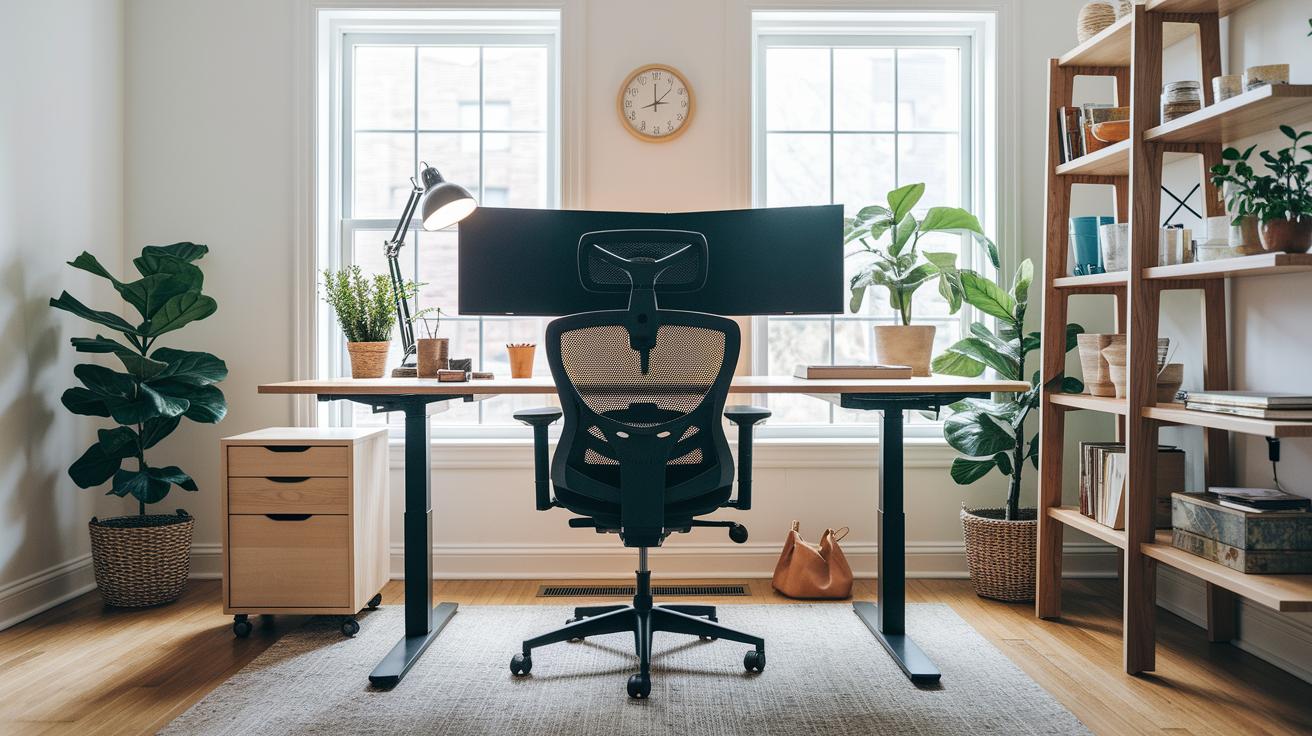
A neat and comfy work desk does more than just keep your back straight, it helps create a soothing space that eases tension. When everything lines up nicely, you feel good and less stressed. Studies show that messy or poorly arranged work areas can add a lot of stress, so small tweaks can really make a difference.
Spending just a few minutes setting up your desk can ease aches and lift your mood. A smart desk setup supports your overall wellness and sets the tone for a stress-free workday.
- Adjustable chair: Pick a chair that helps keep your back straight.
- Monitor at eye level: Stack your screen so you don't have to crane your neck.
- Input devices at elbow height: Keep your keyboard and mouse close to your arms to avoid wrist strain.
- Proper lighting: Let in natural light or use a well-placed lamp for eye comfort.
- Organized workspace: A tidy desk helps you focus and clears your mind.
Taking short breaks along with these ergonomic fixes boosts both comfort and productivity. Imagine stretching or taking a quick walk after sitting for a long time, it can re-energize you for the next task. Regularly checking your setup and pausing for mini-breaks helps create a work environment that keeps your body at ease and your mind calm.
Task Organization and Time Management for Office Stress Relief
When your workday is bustling and tasks keep piling up, a little planning can really help calm the storm. Setting aside specific chunks of time for deep work along with short, regular breaks can help keep stress under control. A simple to-do list can serve as your guide, making it easier to decide what matters most and avoid feeling overloaded. Taking moments to pause and reflect not only keeps your head clear but also helps you dodge the constant pressure of making quick decisions.
- Time blocks: Set aside specific periods for focused work.
- Break rituals: Take short pauses to disconnect and recharge.
- Journaling: Write down your thoughts to clear your mind.
- Notification control: Turn off alerts during deep work sessions.
- Balanced task mix: Mix challenging work with lighter tasks.
Each week, take a few moments to review how things went. Look back at your routines to see if the time blocks and break rituals really helped you stay focused and calm. Regularly checking your to-do list and task balance lets you catch signs of overload early and adjust your day. With this ongoing fine-tuning, you can keep stress at bay while managing your tasks more smoothly.
Designing a Calming Office Environment for Stress Relief

A soothing office space can really change the mood at work. It eases stress and gives you the energy to think clearly. Picture the soft murmur of friendly talks blending with the quiet rustle of a desk plant.
- Add a touch of nature with a few plants or even a small fish tank.
- Use a diffuser with lavender or peppermint to bring calming smells into the room.
- Create a quiet corner where you can take a quick break to relax.
- Set up group mindfulness moments to build a sense of community and calm.
- Try fun mini challenges with small rewards to keep everyone upbeat.
These little updates not only brighten your office but also nurture your well-being. Imagine your workplace as a mini retreat, a place that lifts your spirit and softens stress. Rotating the decor or planning brief group sessions can keep the vibe fresh and useful to everyone. In the end, small, thoughtful changes can make your office a place that feels both productive and peacefully inviting.
Employee Wellness Programs for Long-Term Stress Relief at the Office
A well-planned wellness program can make a real difference when work stress starts to pile up. We all feel the pressure at times, so having programs that mix mental-health lessons, brief coaching sessions, mood-checks using your voice, and little workplace assessments can really help. These programs offer a range of activities, from fun well-being challenges and rewards to virtual sessions for remote teammates and even quick chair massages that last 10 to 30 minutes. Ever notice how a short massage break can ease tension or how a simple coaching tip might lighten your day? These tools not only bring quick relief but also build a long-term foundation for health, turning the office into a supportive space.
| Program Type | Key Features |
|---|---|
| Mental-Well-Being Modules | Easy mindfulness exercises, mood tracking, stress relief techniques |
| Micro-Coaching | Short advice sessions, expert guidance, personal tips |
| Voice Assessments | Instant mood checks, simple voice insights, immediate feedback |
| Massage Wellness | Chair massages, quick relaxation breaks, body tension relief |
| Financial Wellness | Budget advice, tips to ease financial stress, helpful workshops |
To get the most out of these programs, try checking in regularly to see how well they're cutting down stress. Setting simple goals, like noting mood changes or counting how many join the sessions, can be really effective. Little tweaks, such as organizing short wellness workshops or offering rewards for taking a break, often lead to brighter moods and better productivity. Over time, these small changes help you figure out what works best, ensuring the office stays both calm and efficient.
Final Words
In the action, we've explored fast stress relief techniques you can use right at your desk. Quick breathing drills, mini-stretches, mindful breaks, ergonomic adjustments, and smart task management all work together to create a calmer space. We also touched on creating a soothing workspace and emphasizing employee wellness programs. These practical tips are designed for stress relief at the office and daily use. Every small step helps build a healthier, more relaxed work atmosphere. Enjoy the positive change and keep moving forward.
FAQ
What are effective ways to reduce stress and anxiety at work?
The effective ways to reduce stress and anxiety at work include mindful breathing, desk stretching, mini meditation breaks, turning off notifications, and taking a brief walk that helps ease tension quickly.
What office stress relief gadgets can help lower work tension?
The office stress relief gadgets like ergonomic massagers, diffusers, and noise-canceling headphones help create a calming atmosphere and reduce work distractions that contribute to tension.
How can I report stress in the workplace?
The way to report workplace stress is by discussing your concerns with your supervisor or HR and following your company’s health and safety guidelines to address your stress issues.
Where can I find a stress management at workplace PDF?
The stress management PDF typically compiles quick tips and techniques. Look for it in your company’s wellness resources or trusted online health platforms that offer free downloads.
What is the “Stress Relief” episode in The Office, and is it real?
The “Stress Relief” episode in The Office is a scripted TV show segment using humor to depict stress-reducing tactics; it is not a real-life movie or documentary.