Have you ever noticed that a quick snack can lighten your mood after a long, tough day? When stress takes over, grabbing a bite might feel like a little escape, even if your stomach isn’t really rumbling. This simple habit shows just how connected our feelings and food choices can be. When we understand why we go for comfort food, we can invite more calm into our daily routine and regain the balance we need to feel our best.
Understanding Stress Eating: Definition, Causes & Management
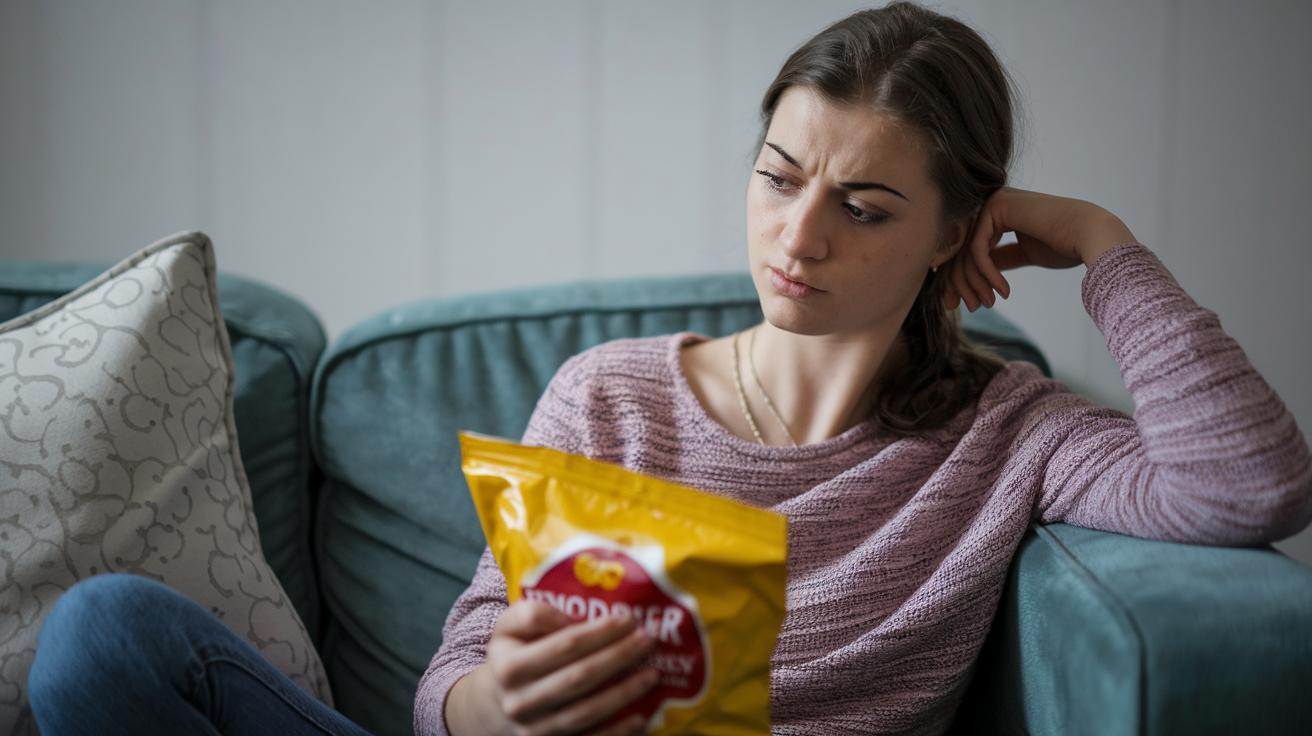
Stress eating happens when you grab sugary or fatty snacks to feel better during tough times. Think about a long, rough day when you reach for a bag of chips even though you're not really hungry. It's less about filling your stomach and more about easing your feelings.
The American Psychological Association says that around 27% of Americans eat to beat stress, and 34% do it often. This shows just how common it is to mix up your emotions with a need for comfort food.
When you stress eat a lot, your body can get confused about when it really feels full. This means you might start craving big amounts of food every time you feel stressed, even if your body doesn’t actually need it. Imagine if you could understand your snack habits better, it might be the first step toward a healthier way of living.
It's important to tackle those food cravings from stress early, before they turn into a stubborn habit. Remember, stress eating isn’t an eating disorder itself. It's a pattern that might lead to more serious issues down the road. So, ask yourself: Is this real hunger or just a way to soothe your emotions?
Stress Eating: Embrace Calm, Reclaim Balance

Sometimes our feelings take charge and we end up eating even when our tummy isn't really hungry. When we're sad or frustrated, we might grab food to chase away the stress. Imagine feeling a rush of worry after a long day, and suddenly a snack seems like the perfect little pick-me-up. Have you ever found yourself reaching for a sugary treat after a tough meeting just to feel a bit better?
In 2020, a survey by the American Psychological Association showed that 78% of adults felt that the COVID-19 period made them eat differently because of stress. This tells us that big, stressful events can stir up strong cravings. Over time, our brains can start to link stress with eating, so just thinking about stress might make us feel like we need a snack.
Learning to manage stress eating starts with knowing that our cravings often come from our mood and not from true hunger. By noticing how our feelings affect when we eat, we can tell the difference between needing real fuel and looking for comfort. Finding calm moments helps us make better choices, letting us enjoy food in a balanced way instead of eating just to ease the tension.
Habit Formation & Emotional Patterns in Chronic Stress Eating

Have you ever noticed how one stressful moment makes you reach for a snack even when you're not really hungry? When you use food to soothe tough feelings, it slowly turns into a habit that is hard to break. That one episode can slide into a regular routine that seems impossible to change no matter how strong your will feels.
Often, these moments of feeling better with a bite can leave you with a mix of guilt and shame. For example, after having a few pieces of candy, you might feel regret that brings on even more stress. This guilt can deepen your stress, pushing you closer to another snack, even when your body isn’t asking for food. It creates a loop where stress and eating get tangled up together, making it tricky to tell true hunger apart from an emotional craving.
Breaking this pattern isn’t about just “trying harder.” It means slowly swapping stress-relief eating with habits that genuinely help soothe your feelings. Take a minute to notice what each bite really means. Ask yourself if you’re eating out of true hunger or simply because you need comfort.
Stress Eating: Embrace Calm, Reclaim Balance

Stress eating often makes us gain extra pounds and can lead to long-term health problems like obesity. When we turn to sugary or fatty snacks for comfort, we might end up eating more than we need. For instance, after a tough day at work, someone might grab a bag of chips not out of true hunger, but simply because the crunchy bite offers a short escape.
Clinical Overview
When stress eating happens repeatedly, it may develop into serious eating disorders. Binge eating disorder means eating uncontrollably for six months or more. Studies find that about 3.5% of women, 2% of men, and 1.6% of adolescents struggle with this issue. Bulimia nervosa is another condition where people binge and then try to get rid of the food by vomiting or using laxatives.
These challenges remind us that using food to cope with stress can harm both our body and how we feel inside.
Practical Tips to Manage Stress Eating

When life feels overwhelming, stress can make us reach for food even when it doesn't help. Here are some friendly steps to help you understand your feelings and choose calm self-care over stress eating.
Plan regular meals and snacks so you never feel extremely hungry. For example, you might start your morning with a plate of scrambled eggs and fruit to keep hunger under control.
Keep a simple journal where you note down your stress and the foods you crave. You could write something like, "I felt nervous and went for chips," to help you see patterns in your choices.
When you feel the urge to snack out of stress, try doing something else instead, like taking a walk, reading a book, or even working on a craft. Sometimes, a quick walk outside can reset your mood better than a snack.
Before you grab that snack, pause and take 3 to 5 deep breaths. Just slow down and think, "I can get through this," which might help you make a different choice.
If cravings become too strong, reach out to a friend or join a support group. A quick text like, "I need some support right now," can remind you that you're not alone in this.
Make a list of ideas you can use when stress strikes. Write down simple activities like listening to calming music or doing a short stretch, so you have alternatives ready.
Prepare snacks in small, portion-controlled packs. This way, you enjoy a treat without overdoing it, like having a small packet of nuts or a few pieces of fruit.
Finally, notice and celebrate the little wins. Whether you choose water over soda or opt for a walk instead of a snack, give yourself a moment of recognition for making a healthier choice.
Changing how you handle stress takes time. By keeping track of your feelings, planning ahead, and choosing soothing activities over eating, you'll gradually turn stress eating into caring self-care. Stick with these steps, and over time, each day can be a little brighter and a lot healthier.
Mindful Eating Practices for Managing Emotional Hunger

Mindful eating helps you tell the difference between true hunger and feelings that aren't about food. It gives you the pause you need before you pick up that next bite. Imagine stopping for a moment and asking yourself, "Am I actually hungry or am I feeling upset?" This little break can change old, automatic eating habits and help you move toward a healthier routine.
Recognize Emotional vs. Physical Hunger
Take a moment to really listen to your body. Sometimes that flutter in your stomach could be a sign of real hunger, or it might just be your emotions talking. Before reaching for an extra snack, ask yourself if you're truly needing food. This gentle check-in can help you avoid impulsive snacking and make smarter choices at mealtime.
Engage All Senses While Eating
When you eat, let yourself fully enjoy the experience. Look at your food, take in its smell, feel its texture, and savor its taste. Picture the creamy smoothness of Greek yogurt as it lingers on your tongue. By engaging all your senses, you slow down and enjoy each bite, which can help you feel satisfied with smaller portions.
Cultivate a Nonjudgmental Attitude
Be kind to yourself during meals. If you notice yourself slipping back into old habits, simply acknowledge it and gently get back on track. Remind yourself, "I'm learning, and each bite is a chance to care for myself better." This caring approach can ease any guilt you might feel and support you on your journey toward a healthier way of eating.
Nutrition Strategies & Healthy Food Swaps for Stress Relief
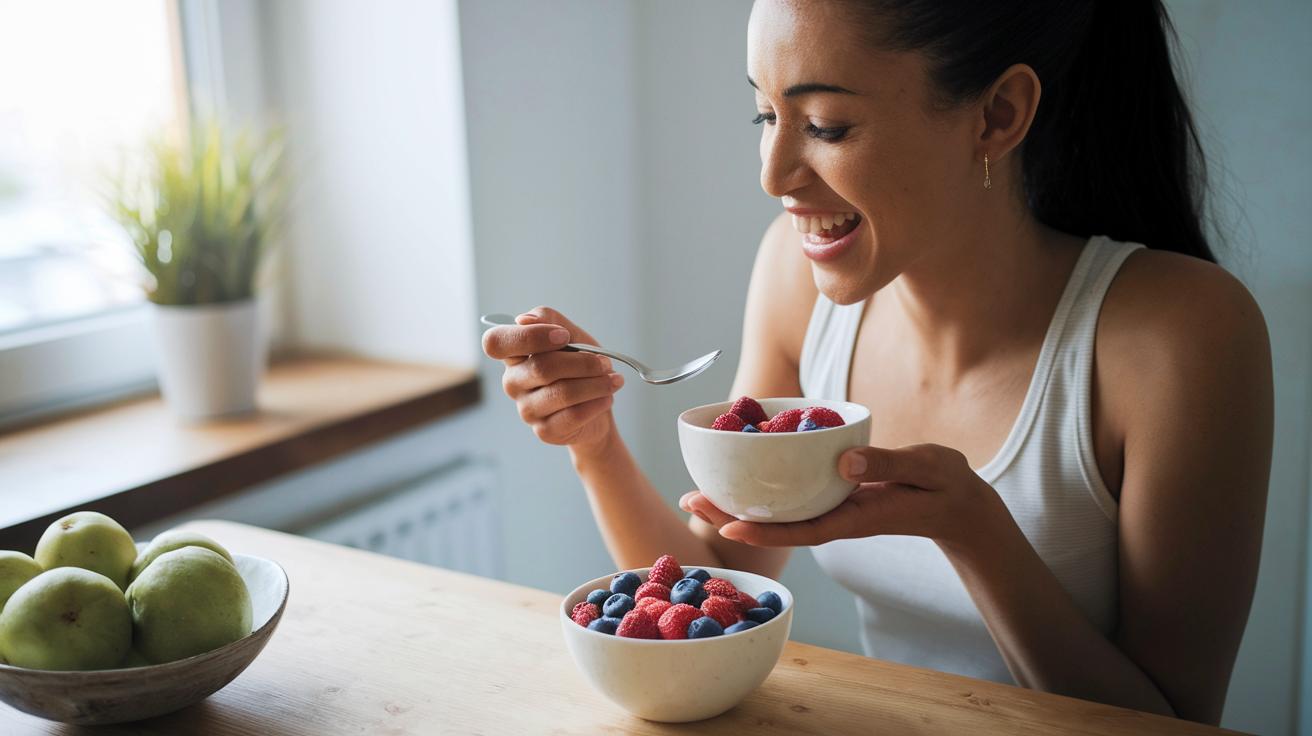
Sometimes stress can leave you feeling off balance. Research from UT Extension tells us that when you choose nutrient-packed foods, your mood and overall well-being can get a boost. Eating regular, balanced meals keeps your blood sugar steady, which in turn eases intense food cravings. When your body is well-fed, you're more likely to choose foods that support both your mind and body.
Imagine each meal as a small step toward feeling better. Instead of reaching for sugary or greasy snacks, why not try some swaps that pack a nutritional punch? For example, you could replace a high-sugar treat with a cup of Greek yogurt and berries. Or, when you need a quick bite, a handful of mixed nuts and seeds might just be the perfect pick-me-up.
Here are six simple snack and meal swaps to get you started:
- Greek yogurt with berries
- Mixed nuts and seeds
- Whole-grain toast with mashed avocado
- Vegetable sticks with hummus
- A few squares of dark chocolate
- A warm cup of herbal tea paired with fruit slices
Each option brings a nice blend of taste and nutrients that can help balance your body’s chemistry during stressful times. Give these swaps a try and enjoy the gentle, yet powerful boost they bring to your day.
Seeking Professional & Community Support for Stress Eating

When stress eating feels like too much, talking to a professional can help you see things clearly and make real changes. There are many options available like residential treatment, partial hospitalization (PHP, which means you receive treatment during the day), intensive outpatient programs (IOP), and even online services. These programs offer behavioral therapy to help with binge eating and use group sessions, one-on-one counseling, and family support to fit your needs. One person said, "After joining a group session, I realized I wasn’t battling stress eating alone." They help you notice and break the cycle of using food for comfort while teaching new ways to cope.
Community support can make a big difference too. Local groups and wellness centers offer tips and self-help strategies to fight overeating and keep track of what sets off your snacking. In a friendly setting, peer support lets you share your struggles with food and cheer each other on for every little win. Sometimes, jotting down notes like, "Noticing my mood changes before a snack helps me pause," leads to meaningful insights. With both professional help and community support, you build a network that makes daily self-care feel more doable.
Final Words
In the action here, we reviewed what stress eating really is and why it matters. We spoke about quick fixes and mindful methods to calm those anxious cravings. We looked at nutrition tweaks and the need for solid support when dealing with habits shaped by stress. With easy self-help ideas and stress-eating insights, you have tools in hand to make better choices. Keep moving forward, knowing every mindful bite counts toward a healthier, happier you.
FAQ
How do you stop stress eating?
Stopping stress eating relies on recognizing triggers, practicing mindful eating, and replacing comfort food with healthier distractions like deep breathing or a walk when stress hits. Tracking emotions also helps break the pattern.
What are stress eating symptoms?
Stress eating symptoms show themselves as sudden cravings for sugary or fatty foods when negative emotions arise, along with feelings of guilt after eating and a loss of connection with natural hunger signals.
What is an example of emotional eating?
An example of emotional eating includes reaching for comfort snacks like ice cream or chips during moments of anxious feelings instead of eating when the body genuinely requires nourishment.
What is it called when you eat because of stress?
Eating because of stress is known as stress eating or emotional eating, where food serves as a means to cope with difficult emotions rather than fulfilling true physical hunger.