Have you ever felt like stress and worry run your day? Sometimes, a few simple habits can turn things around. In this post, we'll show you easy ways to breathe deep, picture calm scenes, move with gentle exercise, and enjoy a good night's sleep. Think of these steps as small tools to help keep your mind at ease.
It’s like giving yourself a little break whenever you need it. Have you ever tried a deep breath and felt the tension melt away? Embrace a bit of calm today and take that first step toward feeling better naturally.
Practical Stress and Anxiety Relief Strategies
Stress can show up in many parts of our lives. Each easy trick works on a different part of your mind or body, kind of like a toolbox where every tool has a job to help you feel calmer.
Mixing a few of these methods makes you stronger. When you try more than one, they work together to ease stress and help you cope better every day.
-
Deep breathing: Try the 4-7-8 method. Breathe in for 4 seconds, hold your breath for 7 seconds, and slowly breathe out for 8 seconds. This helps lower cortisol (a stress hormone your body makes) and calms your heart.
-
Guided imagery: Close your eyes and picture a peaceful place. Let your mind wander to somewhere that makes you happy, and try to feel it with all your senses, even if just for a moment.
-
Daily activity: Aim for about 30 minutes of movement like brisk walking, yoga, or even dancing in your living room. This gets your endorphins (the feel-good chemicals in your brain) flowing.
-
Good sleep: Try to get 7 to 9 hours of sleep every night. Dimming the lights and taking a break from screens can help your body wind down.
-
Social support: Chat with friends or family. Sharing your feelings can help you feel less alone during tough times.
-
Balanced nutrition: Enjoy meals with leafy greens, fatty fish, and a bit of dark chocolate. These foods can help support the gut-brain connection (the way your tummy and brain talk to each other).
-
Professional help: Sometimes talking to a therapist can be really useful. Approaches like cognitive-behavioral therapy (a way to change negative thoughts) or mindfulness practices can ease stress. You might also explore natural aids like ashwagandha (an herb that many find calming) for extra support.
When you mix these tips, you create a full, natural way to calm your anxiety and manage stress. Over time, these healthy habits can become part of your everyday routine, helping you feel more peaceful and ready for whatever comes next.
Mindfulness and Meditation Practices for Anxiety Relief
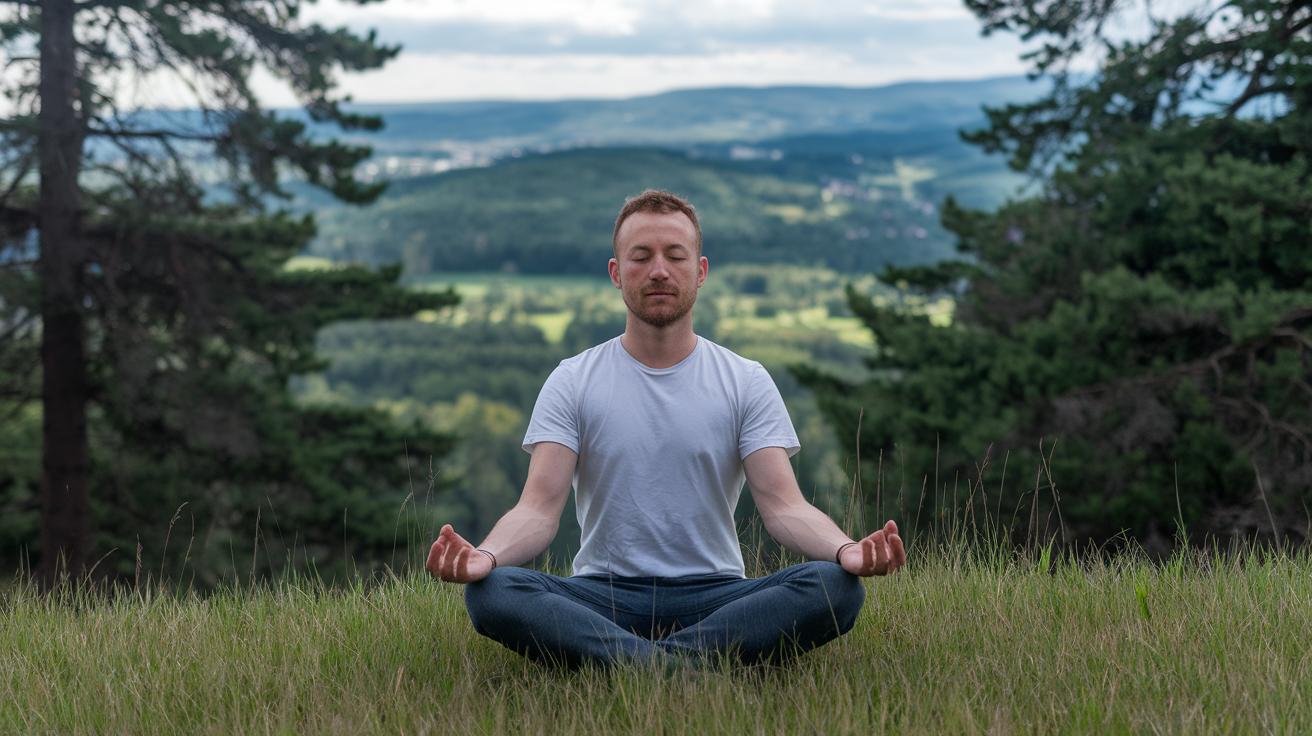
Taking a moment to be fully present can help ease anxious thoughts. When you focus on what's happening right now, your mind gets a break from worrying about the past or the future. This gentle focus creates a calm space that helps you feel more in control and relaxed.
One simple way to reduce stress is to pay attention to your breathing. Sit quietly and slowly breathe in and out, noticing the gentle rise and fall of your chest. You might also try a body-scan meditation: start at your head and slowly move your focus down to your toes, noticing any tight spots and letting them soften. Even 10 minutes a day of this mindful practice can help lower stress hormones over time.
For an extra boost, consider using a guided meditation app or working with a calm instructor. And if you can, try practicing outdoors. Imagine the refreshing feel of cool air mixing with focused breathing, it could be just what you need to feel even more at ease.
Breathing Techniques and Progressive Relaxation for Instant Calm
Controlled breathing is a simple way to shift your mind away from stress while sending peaceful signals through your body. Taking slow, steady breaths helps lower your heart rate and tells your brain it's time to relax. It really works if you give it a try.
One great method you can use is the 4-7-8 breathing technique. Start by taking a smooth breath in through your nose for 4 seconds, hold it for 7 seconds, and then slowly let it out over 8 seconds. This routine helps lower cortisol (the stress hormone that your body releases in tough moments) and eases up the tension in your muscles. Imagine doing this during a break at work and feeling your body unwind a little bit at a time.
You can also try progressive muscle relaxation. This means you gently tense a group of muscles for about 5 seconds, then completely release them. Work your way from your feet up to your face. This simple routine calms both your body and your mind, and you can finish it in under 15 minutes.
Remember, whether you choose the 4-7-8 breathing method or progressive muscle relaxation, these techniques are easy to do anywhere. They provide a quick break to help you feel more at ease no matter where you are.
Physical Activity and Exercise for Stress Management
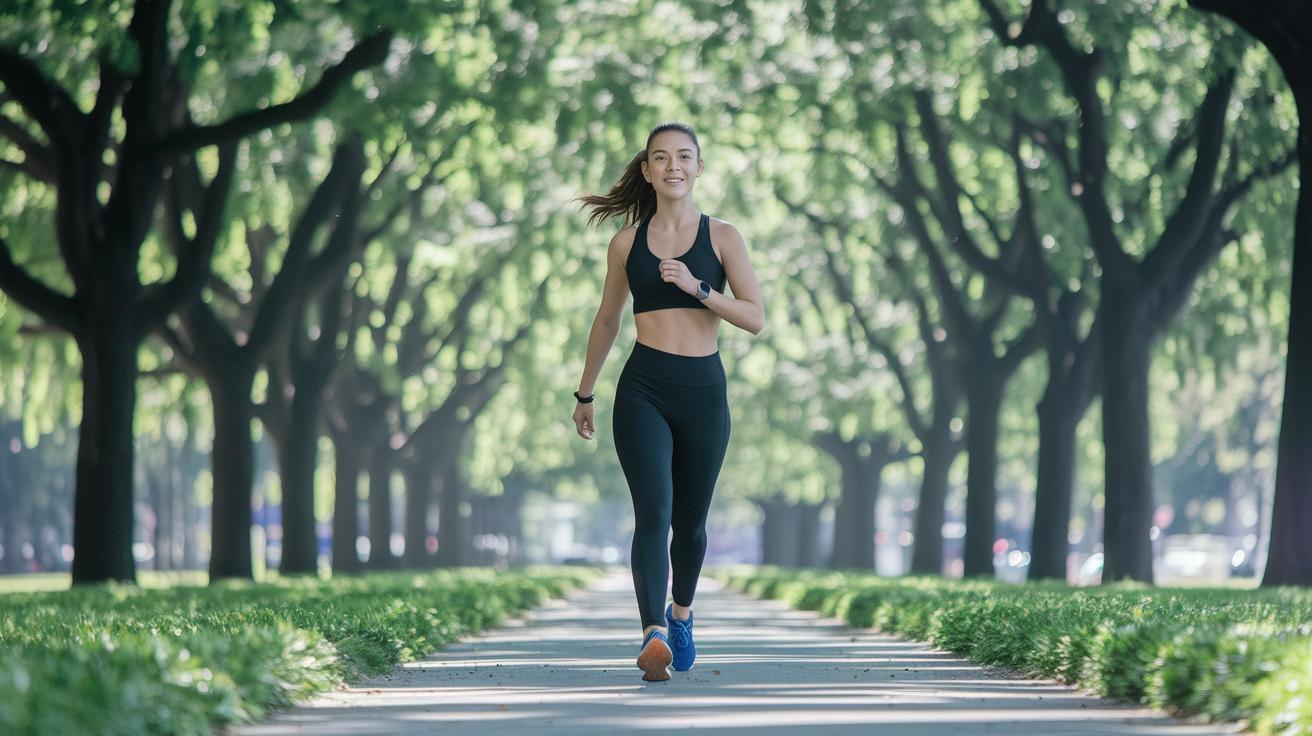
A six-week study with 185 university students found that doing aerobic workouts twice a week really helps lower stress. Even just 30 minutes of movement can boost your body’s way of handling pressure. That's why fitting in regular exercise can make daily stresses feel a bit lighter.
Exercise releases endorphins, those natural chemicals that lift your mood and help you relax. For example, try a brisk walk. Picture stepping out into fresh air and feeling your stress melt away with each step.
Aim to get about 30 minutes of movement every day. You might take a walk during your lunch break, pedal around your neighborhood, enjoy a short yoga session at home, or dance to some upbeat tunes. Even a swim might be a fun switch-up. Find what works for you, and let movement become a joyful part of your everyday routine.
Natural Supplements and Herbal Remedies for Anxiety Relief
Before you start any new supplement routine, have a chat with your doctor. They can help you pick the right supplement and figure out the best dose to ease your anxiety naturally and boost your overall health.
| Supplement | Dose | Key Benefit |
|---|---|---|
| Ashwagandha | 300-600 mg daily | Helps lower cortisol and reduce stress |
| L-theanine | 100-200 mg | Encourages relaxation without making you sleepy |
| Magnesium | 200-400 mg | Boosts GABA production to keep you calm |
| Chamomile tea | 1-2 cups per day | Offers gentle, natural soothing effects |
Keep a close eye on any changes or side effects as you add these supplements to your daily routine. This little check-in helps you see how your body is feeling and lets your provider adjust things if needed. Enjoy your journey to a calmer, healthier you!
Stress and Anxiety Relief: Embrace Calm Today
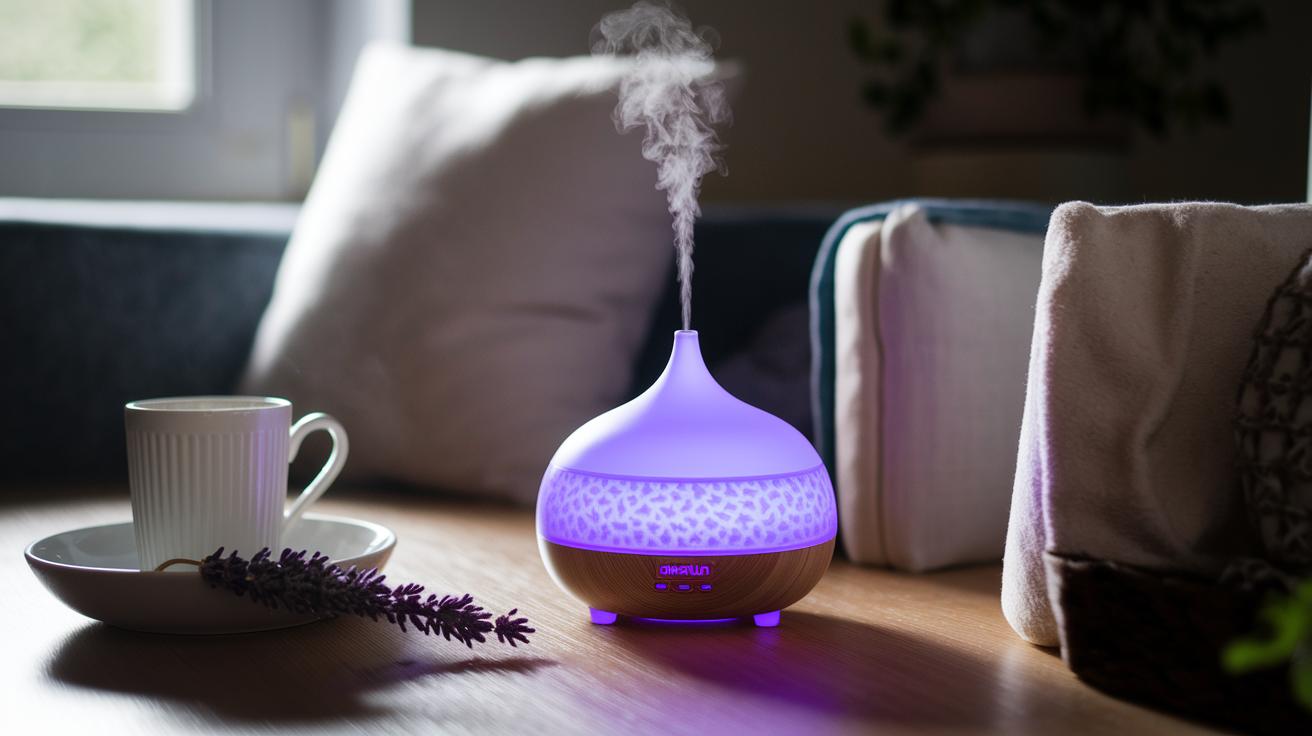
Ever feel your heart racing when stress takes over? Using essential oils may help calm your nerves by working with your brain's emotional center. For example, inhaling lavender for about 10 minutes can gently slow your heart rate and lower your blood pressure, inviting a sense of ease.
Imagine filling your room with a soft, comforting scent from a diffuser. Even a drop of diluted oil on each wrist along with a slow, deep breath can bring quick relief when tension builds up.
Some oils are especially good for easing anxiety. Lavender has a balancing effect, bergamot can reduce anxious feelings when rubbed on the skin, and Roman chamomile helps bring on relaxation by easing the brain’s stress signals. Always mix your essential oils with a carrier oil and do a skin patch test first to make sure you’re comfortable. Experiment with these scents to find the one that best helps you unwind.
Lifestyle Adjustments and Daily Routines for Chronic Stress Management
Creating a soothing bedtime ritual can quiet your mind and body. Try dimming the lights and turning off screens 30 minutes before bed to help you get a better night's sleep.
Taking away an hour of screen time every evening lets your brain relax. This simple change often leads to deeper sleep and a more refreshed feeling when you wake up.
Spend just five minutes a day writing down your thoughts. This little habit gives you a safe outlet for emotions and helps you sort through your feelings. It even makes saying no a bit easier when your day gets too full.
Eating well matters, too. A mix of leafy greens, fruits, and lean proteins helps keep your gut and brain working well together. Nurturing your gut can brighten your mood and clear your mind.
Consider using an online tool like a symptom tracker for mental health to note your daily mood and feelings. Once you see patterns in your sleep, emotions, or triggers, you can adjust your habits more easily. Keeping track gives you insights that help manage stress day by day.
Final Words
In the action, we explored a mix of easy techniques to help ease daily pressures. Our tips ranged from deep breathing and mindfulness meditation to physical activity and natural supplements.
We also looked at using essential oils and simple lifestyle tweaks to make a lasting difference.
A well-rounded plan, blending exercise, nutrition, and calming routines, can offer effective stress and anxiety relief. Keep testing these ideas and feel the positive spark as your day-to-day calm grows.
FAQ
How to relieve stress quickly?
The way to relieve stress quickly means using deep breathing, progressive muscle relaxation, or a brief physical activity that activates your body’s relaxation response and eases tension almost immediately.
How to relieve stress for a woman and a man?
Relieving stress for both women and men involves using techniques like deep breathing, regular exercise, and a steady sleep routine. Personalizing these methods helps manage daily pressure effectively.
What are some effective tips to reduce stress?
Effective tips to reduce stress include deep breathing exercises, mindful moments, physical activity, progressive muscle relaxation, and maintaining a balanced diet and sleep routine to support overall calm.
How can I manage stress, anxiety, and depression?
Managing stress, anxiety, and depression means combining mindfulness practices, controlled breathing, regular exercise, and quality sleep with social support, which can lift your mood and ease anxious feelings.
What is the 3 3 3 rule for anxiety?
The 3 3 3 rule for anxiety means naming three things you see, three sounds you hear, and three sensations you feel. This grounding technique refocuses your mind on the present.