Ever thought about a one-legged exercise as your secret trick for building strength and balance? In this friendly guide, we explore three exercises that warm up your legs, glutes, and core (the muscles that help keep you steady).
All you need are a pair of moderate dumbbells and a sturdy block. These simple tools turn your workout routine into something fresh and fun.
This is a little nudge to help you work smarter, feel stronger, and build a bit more confidence with every step.
3 single leg exercises Boost Balance & Strength
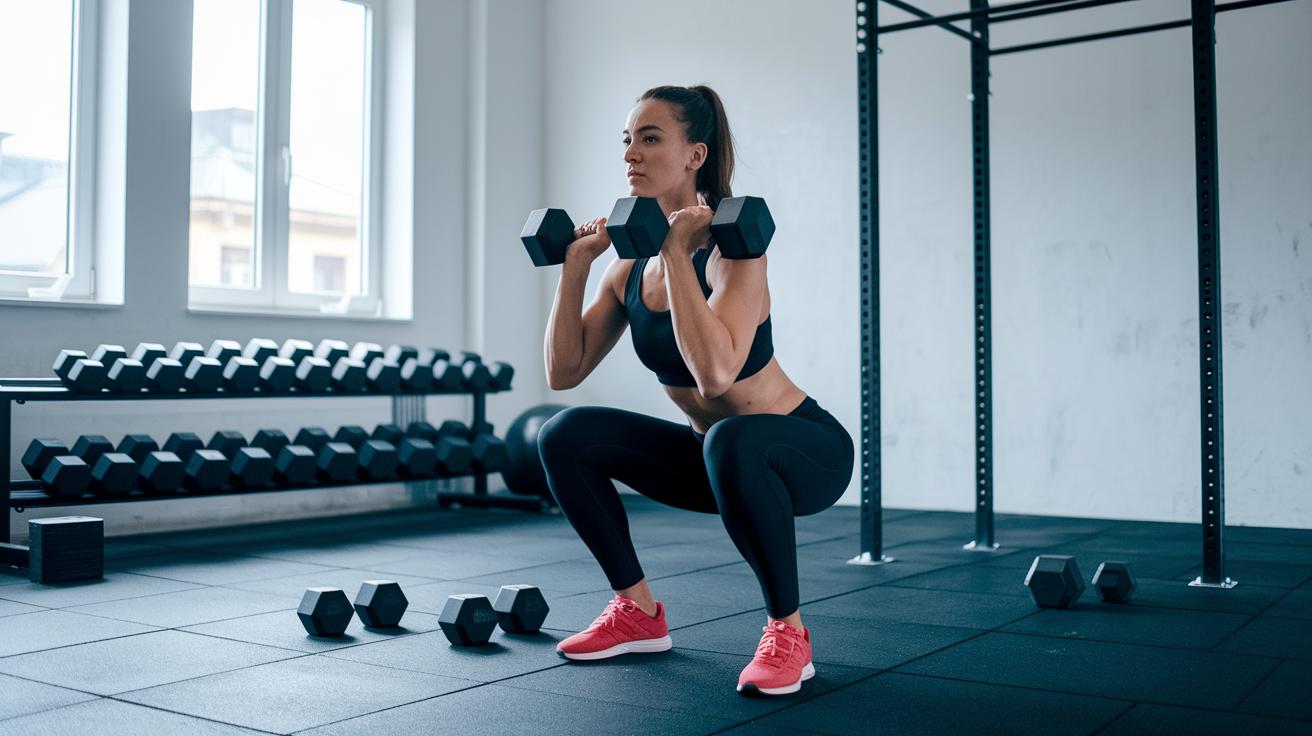
First, get your space ready with a pair of medium to heavy dumbbells (around 15 to 20 lbs, or whatever feels right for you) and a stable block or bench. This workout takes about 30 minutes and gives a good boost to your legs, glutes, quads, hamstrings, hip stabilizers, core, and pelvic floor.
Start with the 80/20 Squat (Heel Elevated). Stand with one heel on a firm block. Hold a dumbbell in each hand, letting them rest comfortably by your sides. As you bend your knees into a squat, make sure your weight is spread evenly and your core stays tight. Imagine your heel lifting just enough so that your quadriceps take over the work, it feels like a smooth, controlled shift that powers you with balance.
Next, try the Rear Foot Elevated Split Squat, often called the Bulgarian Split Squat. Place your back foot on a bench, keeping your front foot flat on the ground. Hold a dumbbell in the hand on the same side as your front leg. Slowly lower your body by bending your knee and pushing your hips forward. Keep your knee in line with your foot and your core engaged. Think of it like the steady beat of a heart, each movement steady and sure.
Finally, finish with the Single-Leg Glute Bridge. Lie on your back and rest one foot on a yoga block, while extending the other leg straight out. Press through the foot on the block and gently squeeze your glutes to lift your hips. Pause for a moment at the top before lowering your hips back down with control. This move not only strengthens your glutes but also helps build core and pelvic stability, setting you up for improved balance and overall strength.
Technique, Form, and Common Mistakes in Single Leg Exercises
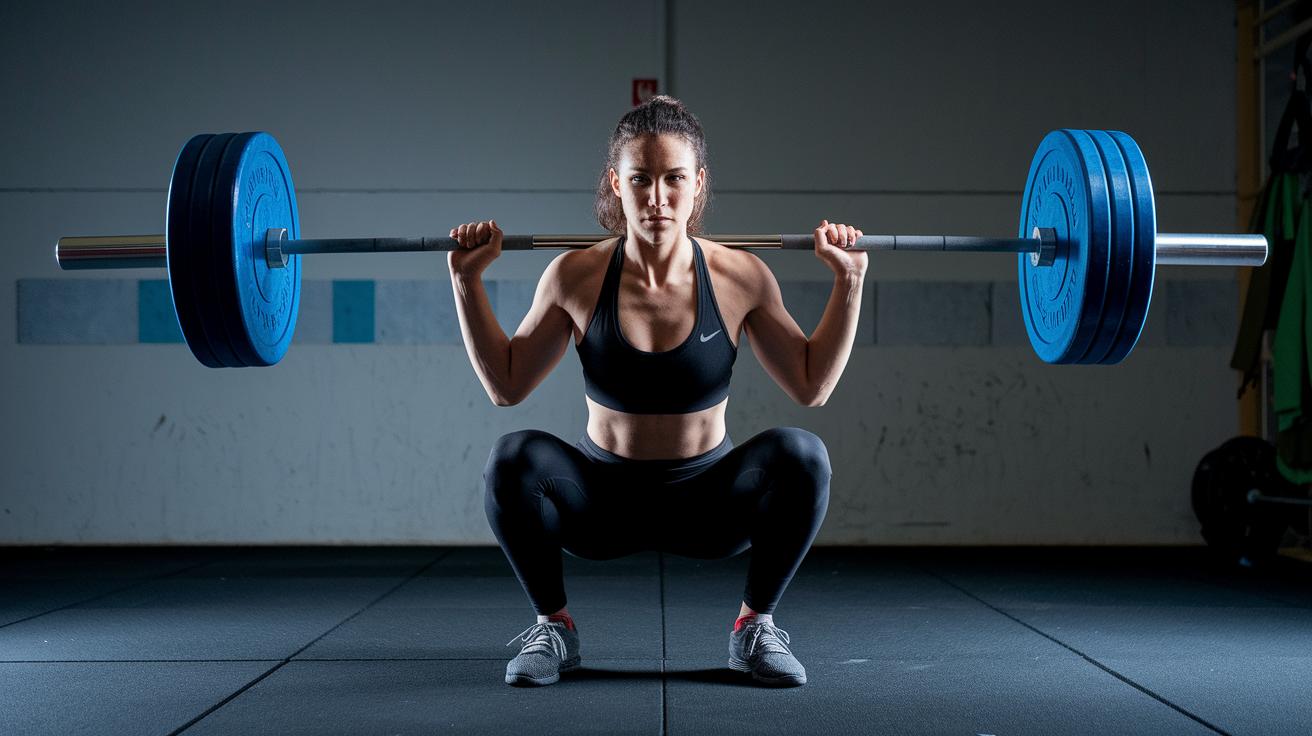
When you do single leg exercises, it’s important to use the right technique from the start. As you step up and down, try to keep your moves smooth and controlled instead of chasing impressive height. Think of it like carefully lowering a cherished object, you care more about steady control than quick speed. For example, you might say, "Keep it slow and steady, just like gently lowering a cup to avoid spills."
During split squats, focus on keeping your knee lined up with your foot and your hips square. Imagine your body as a sturdy tripod where each leg is firmly planted in the ground. And when you work on exercises like the single-leg Romanian deadlift (RDL, which targets your hamstrings and balance), point your back foot straight down. This little tip helps keep your hips steady and makes sure your hamstrings get a good workout.
Common mistakes include leaning too far forward, dropping your hips, or letting momentum take over. These errors can lessen the benefits of the exercise and even cause discomfort. Here are a few tips to avoid them:
- Engage your core throughout each move.
- Keep your spine in a neutral position.
- Move slowly and don’t rely on momentum.
If you ever feel pain or notice your form isn’t quite right, it’s a smart idea to check with a professional. Fixing these small errors now can really help build better strength and balance for your one-legged workouts.
Progressions and Modifications for Single Leg Training
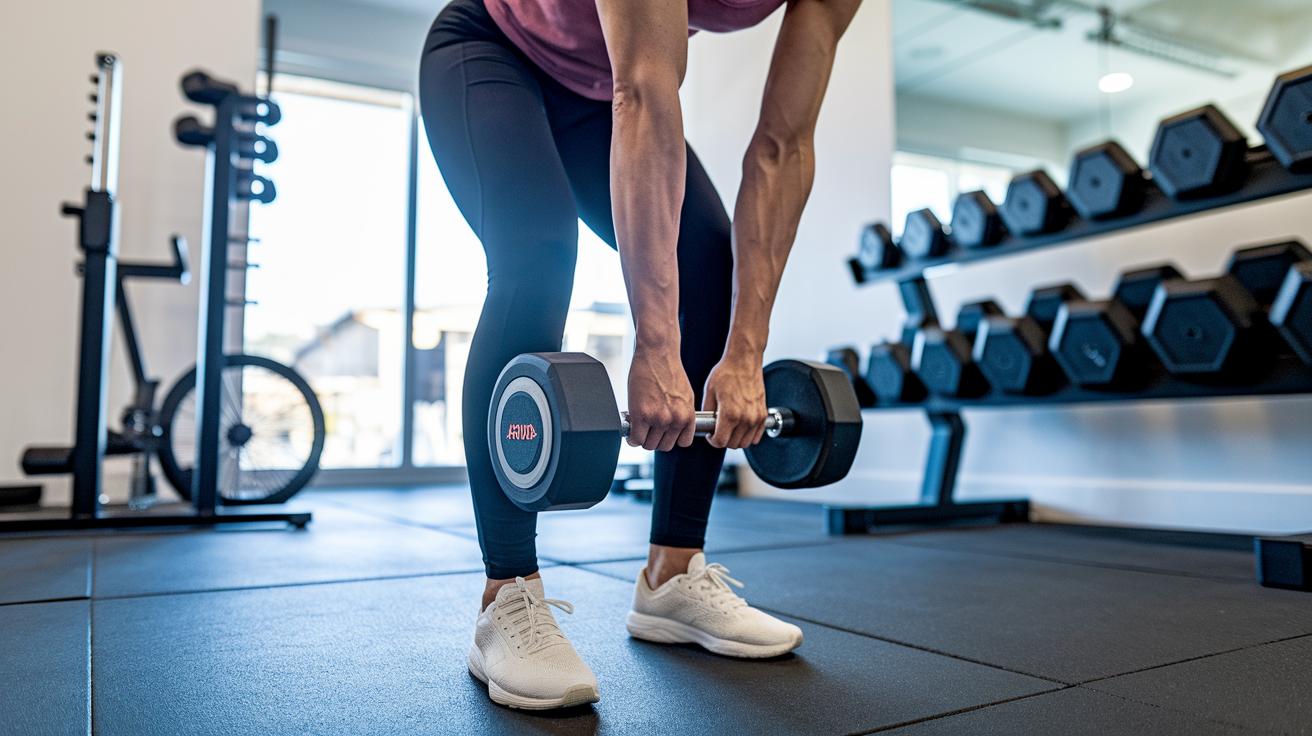
If you're just starting with single leg exercises, try moves like suitcase lifts or staggered box squats. These beginner drills help you build balance without putting too much pressure on your stability. They are your first steps toward mastering tougher moves. You can start with just your body weight or use a light dumbbell. Picture yourself nailing a smooth, controlled suitcase lift, where each little movement builds strength and keeps your posture steady.
When the basics feel natural, move on to the linear load and lift exercise. This step-up shift teaches you to use one leg by focusing on triple extension (that means straightening your hip, knee, and ankle together). It’s a clear bridge between the solid support of two-legged exercises and the challenge of one-legged moves.
If you’re eyeing a more advanced workout or getting back into training after an injury like an ACL tear, consider adding some instability. Try swiss ball switch-ups, which mix a hip hinge with a knee squat to give you a fresh balance challenge. Foam roll-assisted single leg RDLs also boost control in your hips and pelvis while keeping your form in check. These moves are perfect for a gentle progression that helps reduce strain on sensitive joints.
• Beginner option: suitcase lifts or staggered box squats.
• Intermediate step: the linear load and lift exercise.
• Advanced picks: swiss ball switch-ups and foam roll-assisted RDLs.
All these options let you work with just your body weight or add some extra weight so you can refine your technique at a pace that feels right for you.
Benefits of Single Leg Exercises for Athletic Performance and Injury Prevention
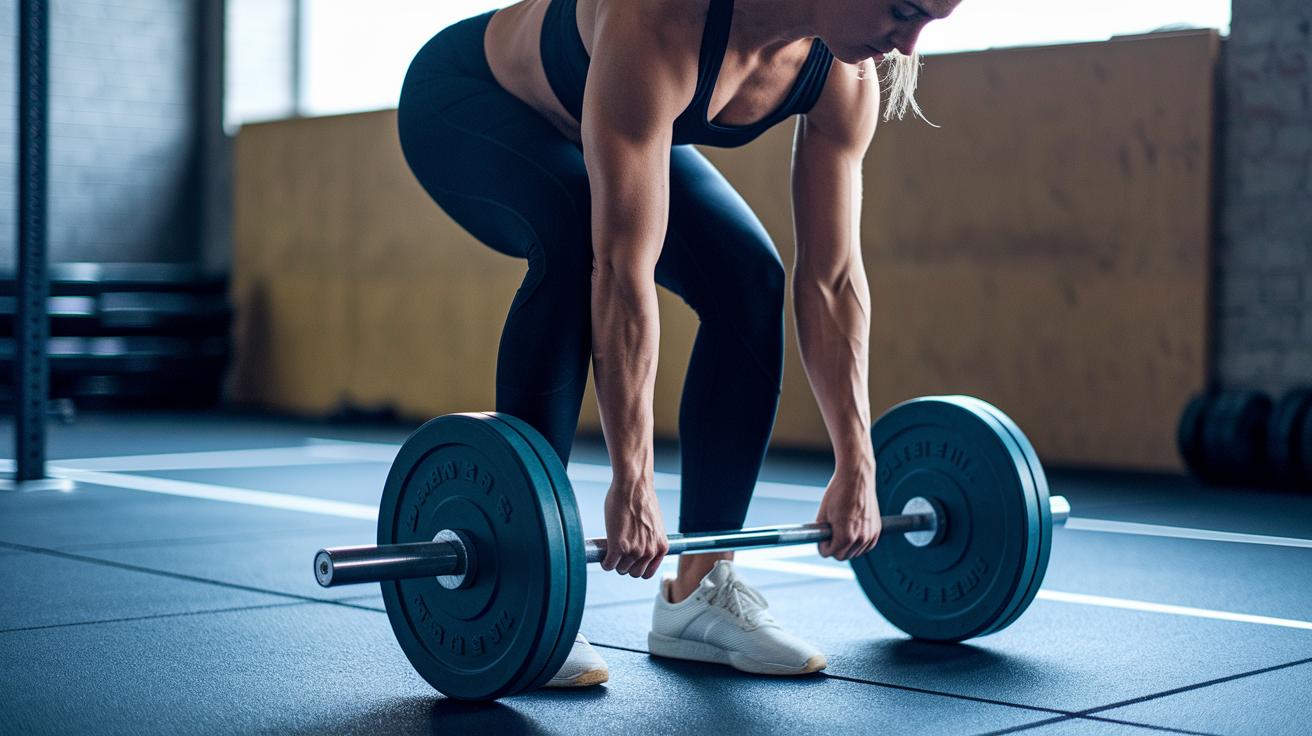
Single leg exercises boost your strength one side at a time while sharpening your balance and body awareness. Try a one-leg deadlift and think of it as waking up your glutes on that sole leg. Doing this helps even out any differences between your left and right sides and makes daily movements feel more stable.
These moves work in several directions. You not only strengthen your legs and glutes, but you also build better coordination. Each time you perform a one-leg exercise, your hips, knees, and ankles learn to work together smoothly. Picture a one-leg deadlift that also targets your hamstrings, it feels like setting a solid foundation before adding more layers to your strength.
Over time, practicing these exercises even helps when you work out with both legs together. Better control and less joint stress lower your chance of injury, especially in your legs. And it’s not just about muscle; you also build the kind of stability that can ease long-term aches or support you during rehab. Every move reminds your body that it can handle dynamic activities, boosting both your athletic performance and your confidence in everyday life.
Equipment and Setup for Effective Single Leg Workouts
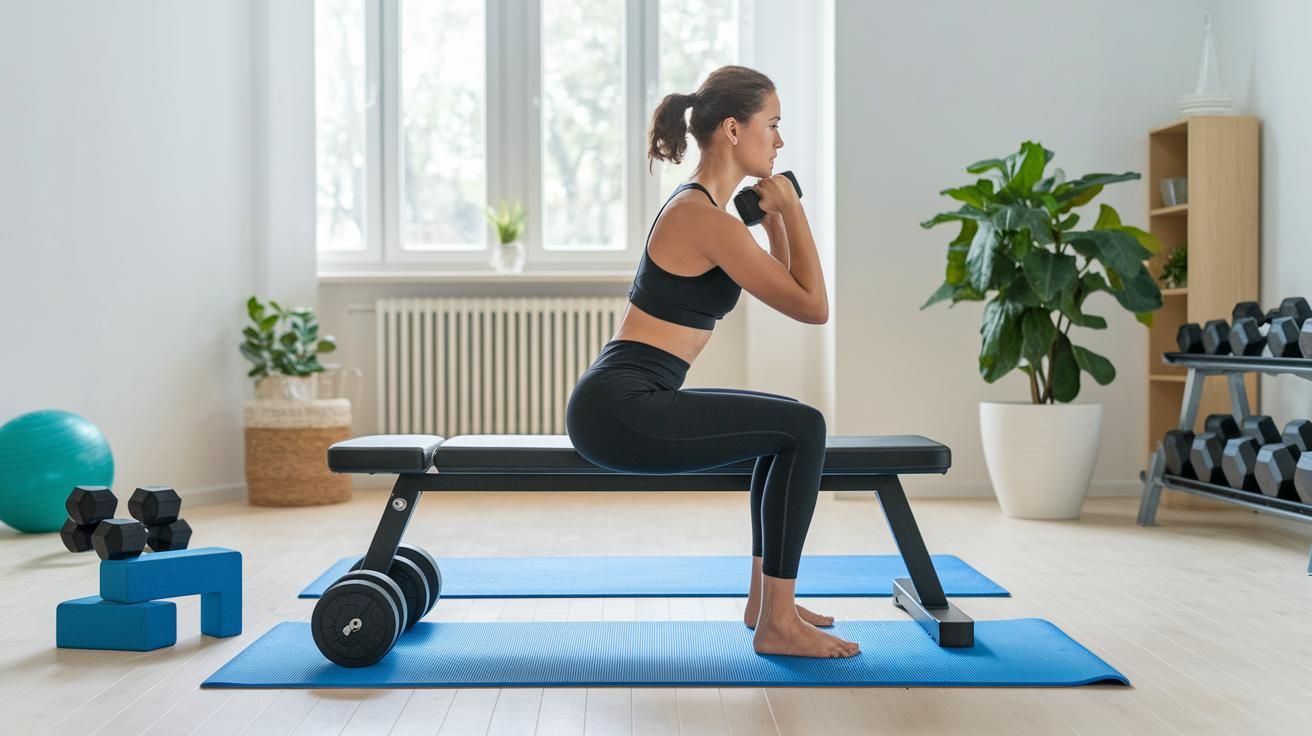
Getting the right gear and setting up a safe workout space is super important when you’re doing exercises on one leg at home. Start with dumbbells that are a bit on the heavier side (about 5 to 25 lbs) so you can practice good form while doing one-leg squats. A sturdy bench or box can serve as a solid base for your one-foot squats, while yoga blocks and foam rollers help you fix your form and feel more steady as you move.
Keep your workout area tidy and clear. A flat, stable surface lets you focus on your balance without the worry of equipment sliding around. If you want to mix things up, you might add a swiss ball or landmine attachment to try different moves like skater squats.
| Equipment | Purpose |
|---|---|
| Dumbbells (5–25 lbs) | For added resistance and building strength |
| Bench/Box | To help with split squats and balance |
| Yoga Blocks/Foam Rollers | Used to adjust form and improve stability |
Consider using a gym tracker to record your equipment, weights, and sets so you can see your progress clearly over time.
Tracking Progress and Monitoring Improvements in Single Leg Training
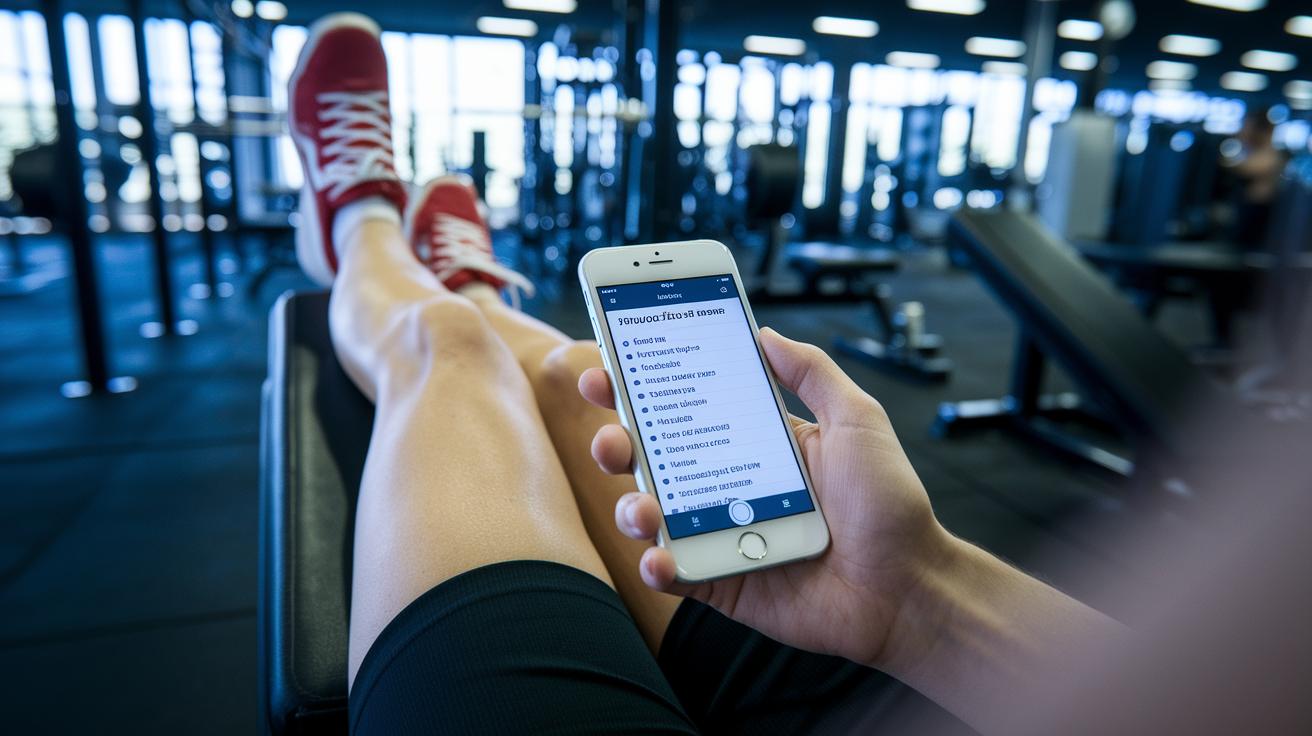
Keeping a simple record of your workouts helps you see improvements and notice if one leg needs extra attention. Writing down details like reps, sets, weights, and balance results makes it easier to tell if one leg is lagging. It’s a lot like checking a photo to see progress over time!
Digital tools can really simplify the process. They let you store your workout info, set clear goals, and watch your gains unfold gradually. For instance, you might use an app like Google Fit activity tracking to spot shifts in your strength and stability.
- Write down each workout's reps, sets, and weights so you can quickly see side-to-side differences.
- Record your sessions on video or work with a trusted trainer to check your form and fix any imbalances.
- Set goals in your digital log and update them after each session to fuel your growth.
- Keep an eye on your balance numbers to catch even small improvements or any ongoing differences.
- Review your progress weekly, make a few small tweaks, and celebrate every bit of strength you build.
- Paying attention to these little details shows you real, steady improvement over time.
Final Words
In the action, this post covered a practical single leg workout routine that builds strength, balance, and stability. It highlighted proper technique, common missteps, and smart ways to modify moves for every skill level. Each tip, from equipment setup to tracking progress, helps create safe, effective sessions that improve athletic performance. These single leg exercises can truly transform your fitness, making workouts more engaging and supportive for overall health. Enjoy putting these ideas into practice and feel good about stepping up your routine!
FAQ
What are the benefits of single leg exercises?
The benefits of single leg exercises include improved strength, better balance, and enhanced muscle coordination. They help correct imbalances between limbs while supporting safer, more effective movement patterns.
Which single leg exercises work best for muscle imbalances, balance, and mass building?
Single leg deadlifts, squats, split squats, and glute bridges all target differing muscle groups to balance strength, boost stability, and build muscle mass when performed with proper weight or bodyweight variations.
What single leg exercises can I do at home?
At-home workouts can include bodyweight single-leg squats, lunges, single-leg deadlifts, and glute bridges. These moves need little gear and work well on a stable surface, making them perfect for home routines.
Which single leg exercises benefit runners the most?
Runners often gain from single-leg deadlifts and split squats because they boost stability and strengthen muscles that are crucial for proper running form and reduced injury risk.
How can I progress my single leg strength?
To progress single leg strength, start with bodyweight moves and slowly add weight or extra reps. Always focus on steady form and a controlled pace to safely increase challenge.
Are four exercises enough for leg day when focusing on single leg work?
Four exercises can be effective if they cover key movements and muscle groups. Adding extra variety may provide additional benefits, but a well-rounded four-exercise routine can yield noticeable improvements.
Why are single leg exercises so much harder than two-legged ones?
Single leg exercises engage more stabilizing muscles and require greater balance. This added challenge means each movement builds strength and coordination, even though they feel tougher initially.
What are some common single leg exercises and their benefits?
Common movements include single-leg deadlifts for hamstring and glute strength, glute bridges for hip activation, lunges for balance, and split squats for overall leg stability and power.