Have you ever noticed how a few quiet minutes can ease your tension even on the busiest days? Self-hypnosis is a gentle way to lower stress by guiding your mind into a peaceful state.
Imagine taking a short break where your thoughts slow down and your worries drift away, much like taking a deep, refreshing breath after a long day. It may sound a bit unexpected, but many people have discovered that a little self-guided relaxation can turn worry into a sense of calm control.
How Self-Hypnosis Actually Eases Stress
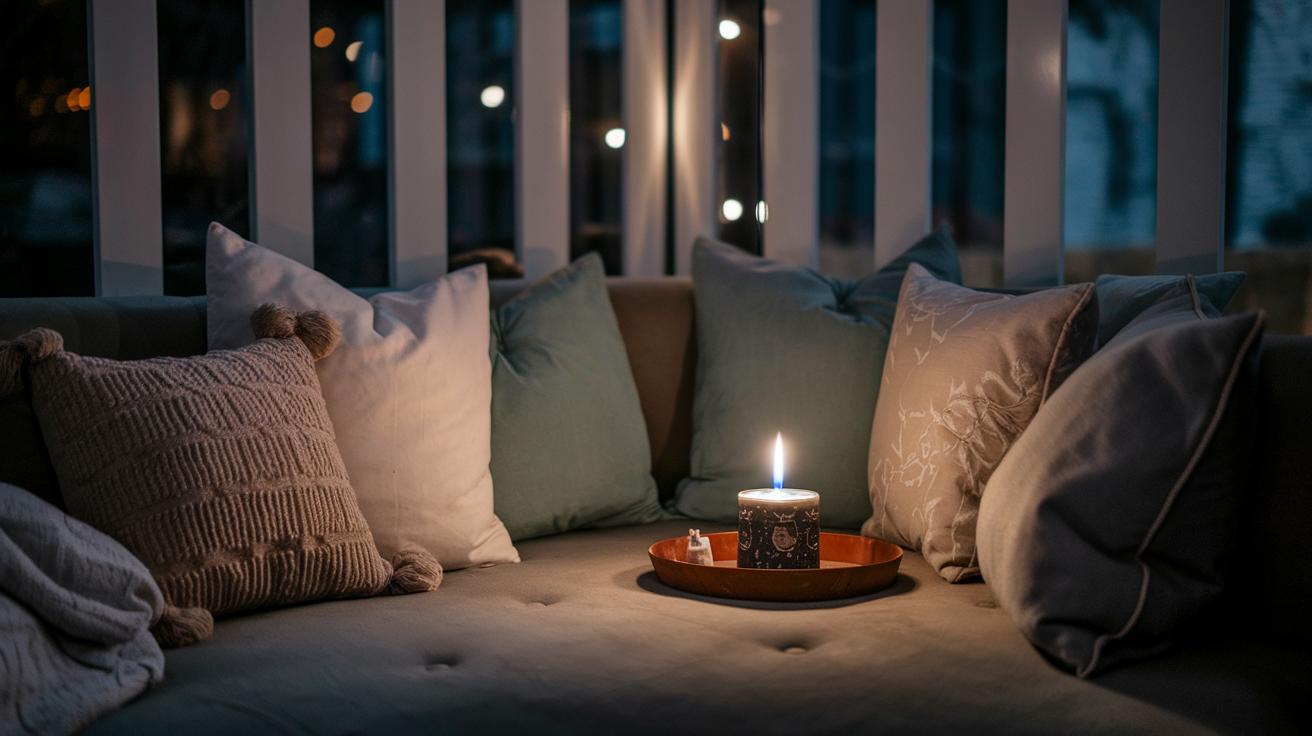
Self-hypnosis invites you to relax by quietly connecting your everyday thoughts with the deeper parts of your mind. Set aside 10 to 30 minutes in a peaceful spot free of distractions, and let your mind ease into a calm state with slow, gentle breathing and clear awareness. Many find this practice, a kind of meditative self-induced relaxation, helps lower stress as you quietly remind yourself, "I am calm and in control."
In that relaxed space, your conscious thoughts take a back seat while your subconscious listens to encouraging messages. It’s like your body naturally unwinding while optimistic ideas replace worries. For instance, saying "I can manage my challenges" might shift your mood noticeably. Studies even show that self-hypnosis, sometimes mixed with other techniques like cognitive behavioral methods (ways to change unhelpful thoughts and habits), can ease stress more effectively than some other approaches.
Regular practice in a supportive setting trains your mind to quiet the constant chatter of worry. Over time, these self-guided sessions turn into a reliable tool, a little time carved out each day that helps balance your emotions and improve overall well-being.
Preparing a Stress-Free Environment for Self-Hypnosis
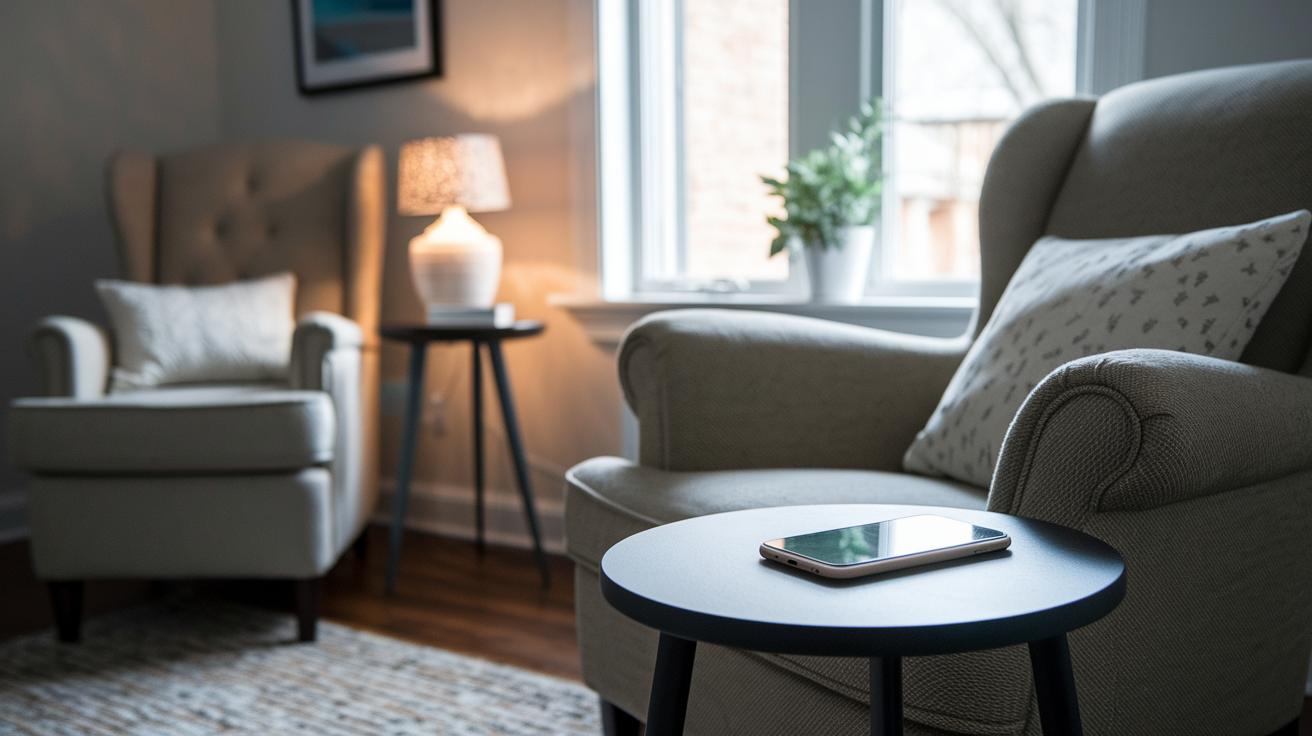
Find a small, quiet spot in your home where you can practice without interruptions for 10 to 30 minutes. A comfy room with soft light and a calm feel helps you focus. Some people find it useful to follow a written script or a recorded guide, a method that started becoming popular in the 1960s. Imagine turning your phone to silent, lowering the lights, and settling into your favorite chair, ready to relax and chat with your inner self.
Before you begin, clear your mind too. Take a few deep breaths and let go of any distracting thoughts. You might even remind yourself of a positive intention or two. When your space and mind are calm, you let the gentle self-guided relaxation flow smoothly. This easy preparation not only helps you fall into a deeper calm but also makes your self-hypnosis session work better.
The Core Four Steps of Self-Hypnosis for Stress Relief
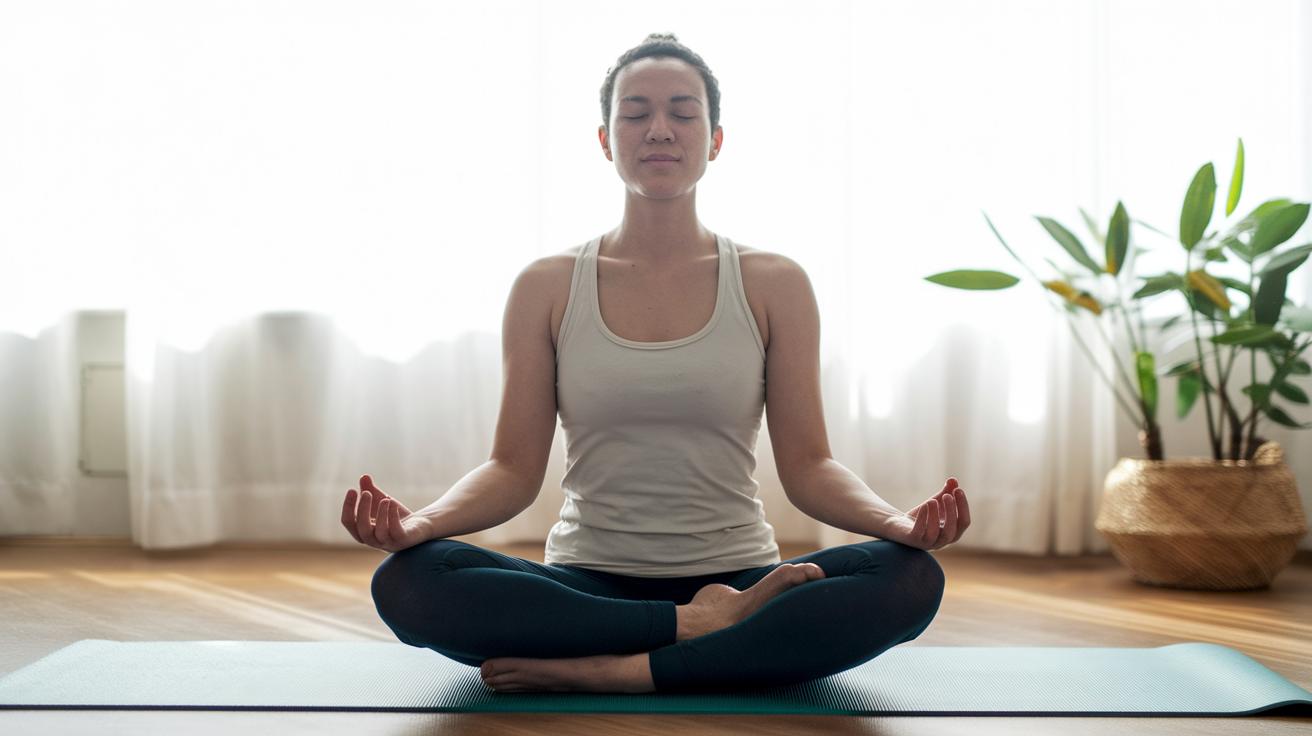
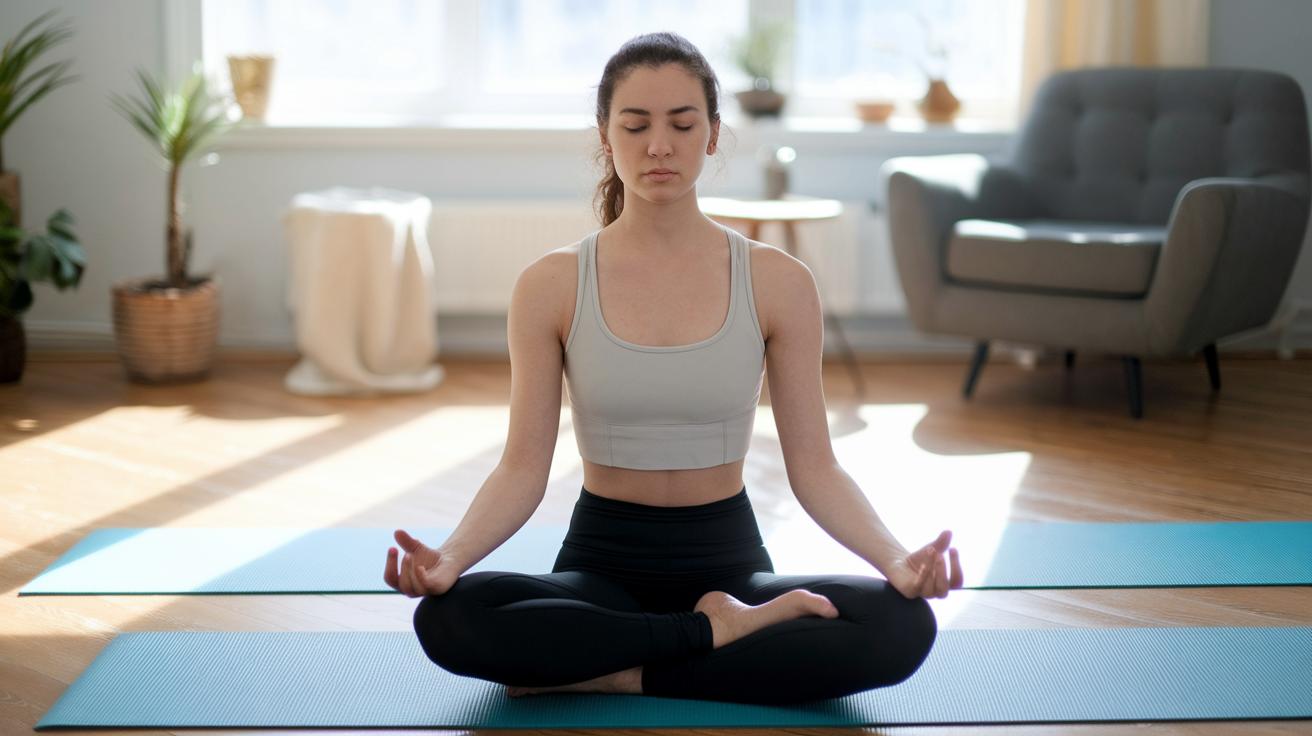
Self-hypnosis is a simple way to help calm your mind and body by using your own thoughts. When you follow these four easy steps, you can move from feeling tense to relaxed. Picture yourself sitting comfortably with your eyes closed, taking slow, deep breaths, and letting the stress drift away.
Step 1: Relaxation
Begin by slowing your breathing using deep belly breaths (which helps you breathe more fully) or try gently relaxing each muscle one at a time. Imagine unwinding your body, like carefully untying a knot.
Step 2: Deepening
Let your feeling of calm grow naturally. Don’t worry about checking if you’re in a trance, trust that your body is sinking deeper into relaxation.
Step 3: Suggestion Application
Now, quietly say a small, positive phrase in your mind, like “I am calm and in control.” This simple reminder helps steer your subconscious toward a peaceful mindset.
Step 4: Termination
When you’re ready to finish, slowly count to three while following your plan for returning to full awareness. This gentle return helps you feel refreshed and ready.
By practicing these steps regularly, you can reduce everyday stress and bring more balance into your life. Each session can feel like a little break, a moment when your mind and body get to reset. Imagine ending your session feeling renewed and light, ready to enjoy the rest of your day. This method not only relaxes your body but also builds a positive connection between your thoughts and deeper feelings, making self-hypnosis a trusted tool to ease tension and keep stress at bay.
Crafting Powerful Suggestions and Visualization Exercises

Start by saying kind, clear words to yourself that tap into your inner calm. For example, try saying "I am in control of my emotions" while picturing a safe, cozy place in your mind.
- Make a short statement that shows how strong you are right now.
- Picture a quiet, warm space that wraps you in comfort.
- Imagine letting go of stress with every soft, steady exhale.
- Recall a happy memory that makes you feel secure.
- Say a phrase that tells you exactly how you wish to feel.
Mixing these simple words with clear images makes the calming effect even stronger. When you remind yourself "I am calm and in control," let your thoughts drift to a softly lit afternoon or a peaceful lakeside. Notice small details like the gentle burble of water or the quiet rustle of leaves. These small touches help bring your words to life and ease your tension. Try out different phrases and images until you find the ones that really resonate with you. Over time, these personal suggestions become a trusted way to reduce stress and feel deeply relaxed. If you want a few extra ideas, check out these affirmation quotes for more inspiration.
Safety and Best Practices for Self-Hypnosis Sessions
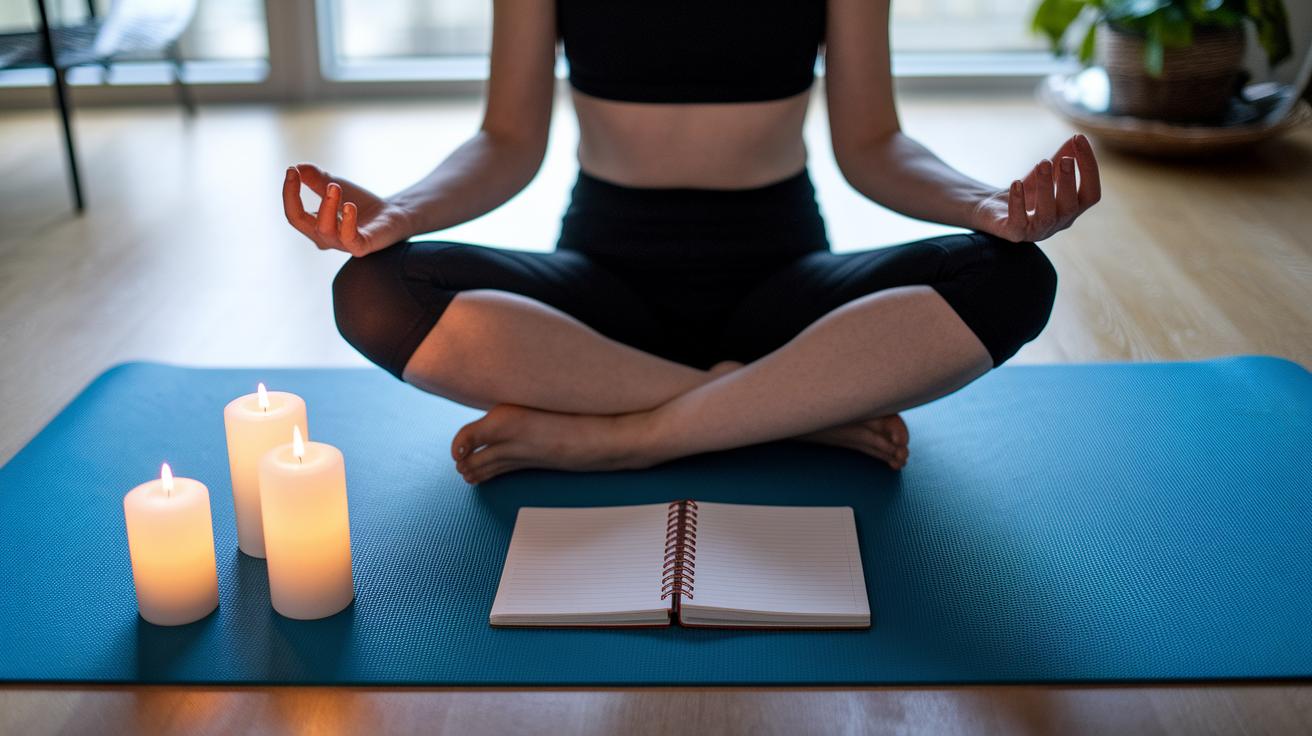
When you try self-hypnosis, begin with a simple check to see how you respond. Some people do a quick test to know if they’re ready. This calm method reminds you to keep an eye on what’s around you. For example, avoid places like near stairs when you feel relaxed. Stick to trusted guides and clear scripts that have been checked by experts. That way, you can unwind safely and worry less.
It’s also a good idea to talk with your doctor if you use self-hypnosis along with other treatments. This helps make sure everything works well together. Always finish your session with a clear routine, like counting to three, to help shake off any sleepiness. Keeping these easy steps in mind can support your peaceful stress relief while making sure you stay safe.
Tracking Progress and Integrating Self-Hypnosis into Your Routine
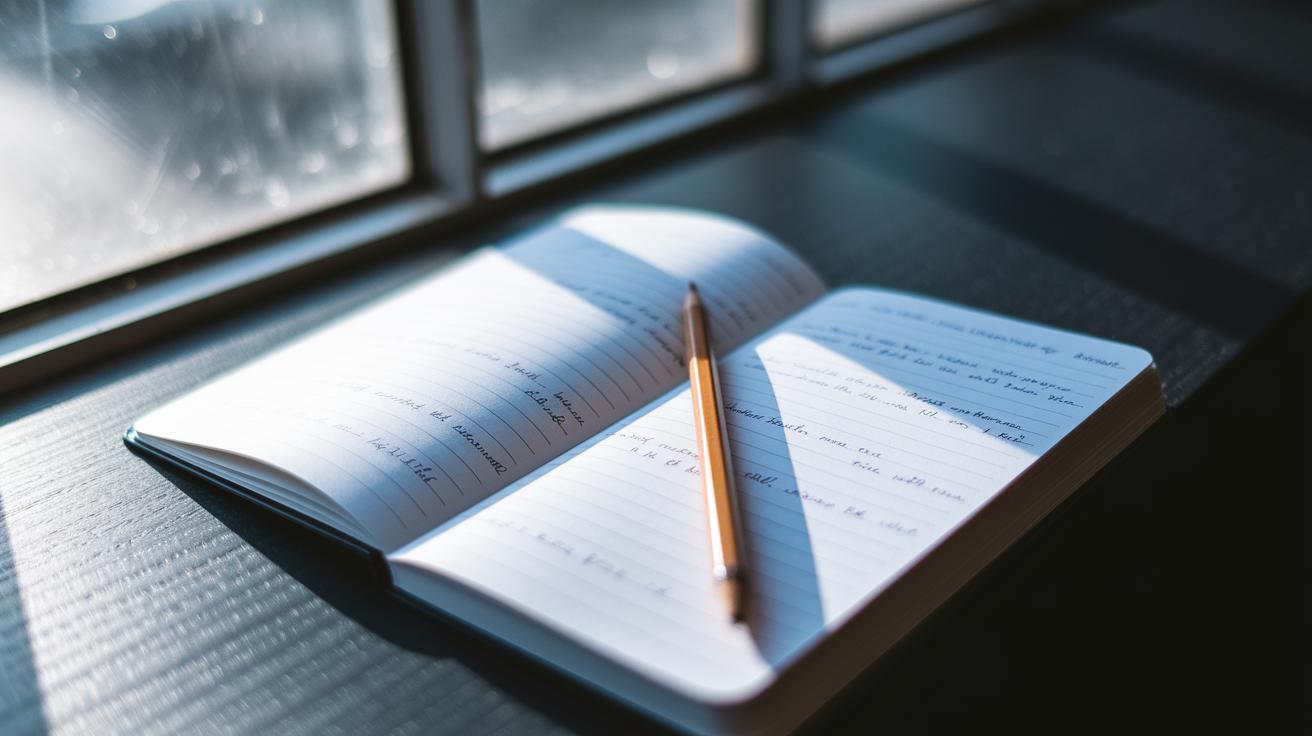
Start by keeping a simple weekly log of your self-hypnosis sessions. Write down the length of your session, the technique you used, and how stressed you felt before and after you began. For example, you might note, "Today, I practiced a 20-minute relaxation session and felt about 30% calmer afterward." This little record helps you see what works best for you and makes it easier to stick with your practice.
Next, mix your self-hypnosis with a bit of movement, like a short walk or a few gentle stretches. Think of it as adding a splash of cool water on a warm day. This change of pace can make your stress relief feel more refreshing and balanced.
By keeping this easy-to-follow journal, you'll have a clear snapshot of your progress. Over time, your notes become a map that shows how each small moment of calm adds up to lasting stress relief.
Expert Perspectives and Evidence Supporting Self-Hypnosis for Stress Relief
Studies show that self-hypnosis is a real simple way to ease stress. Whether you try it on its own or mix it with techniques from cognitive therapy (a way to change your thinking), many people find it helps calm anxiety. In fact, research tells us that joining in a weekly one-hour session for several months can lower anxiety better than some other tools. Experts say that self-hypnosis slows down the busy chatter in your mind so that both your regular thoughts and deeper feelings can settle. One study even noted that regular practice helped lower stress signs, giving many a more relaxed mood.
Many health professionals also suggest taking a look at your past experiences to shape your self-hypnosis practice. They believe that combining self-hypnosis with cognitive approaches gives you an extra boost, working on both the clear stress you feel and the hidden worries beneath. By sticking with these gentle, steady habits over time, self-hypnosis becomes a trusted method to ease tension and help your overall mental wellness.
Final Words
In the action, we detailed how self-hypnosis works to ease stress by setting up a calm space and practicing simple, guided techniques. We covered steps like deep relaxation, suggestion crafting, and visualizing positive outcomes.
We also shared practical tips for safety and tracking progress that build confidence in your routine.
Self-hypnosis for stress relief can bring a refreshing calm into your day, supporting better living and fitness with steady, effective practices.
FAQ
Self hypnosis for stress relief youtube
The self hypnosis for stress relief YouTube search points you to free video resources that guide you through relaxation techniques, helping you develop a calm state with easy-to-follow instructions at home.
Free self hypnosis for stress relief
The free self hypnosis for stress relief inquiry means you can access costless recordings and guides online, aiding in stress reduction through simple practices designed to promote deep relaxation.
Best self hypnosis for stress relief
The best self hypnosis for stress relief selections refer to highly rated programs that combine calming techniques and positive affirmations, effectively reducing stress and easing anxiety in a personalized manner.
Can self-hypnosis relieve mental stress?
The concern about self-hypnosis relieving mental stress indicates that practicing self-hypnosis can calm the mind by engaging both your conscious and subconscious, which helps diminish feelings of anxiety.
Can I learn self-hypnosis on my own?
The question on learning self-hypnosis on your own shows that with accessible online guides and steady practice, you can independently develop techniques to reduce stress and promote relaxation.
Can you be hypnotized to stop anxiety?
The inquiry about being hypnotized to stop anxiety suggests that self-hypnosis can ease anxiety by focusing your thoughts on calm, positive imagery and relaxation exercises that soothe both mind and body.
How do I hypnotize myself for anxiety?
The question on how to hypnotize yourself for anxiety explains that starting with deep breathing exercises, quiet meditation, and personalized affirmations in a calm setting can effectively reduce anxious feelings.