Have you ever thought of life as a soft, steady light that never dims? Many believe that each person carries a little spark of the divine, a thought that often inspires us to show kindness and care to one another. The Bible tells us that we all have a special light inside us, one that can bring comfort during hard times. Today, let's explore what it means to value every life and how this belief can fill our days with gentle optimism, guiding us to make caring choices that lift everyone up.
Sanctity of Life Defined: Meaning and Core Principles Radiates Warm Optimism
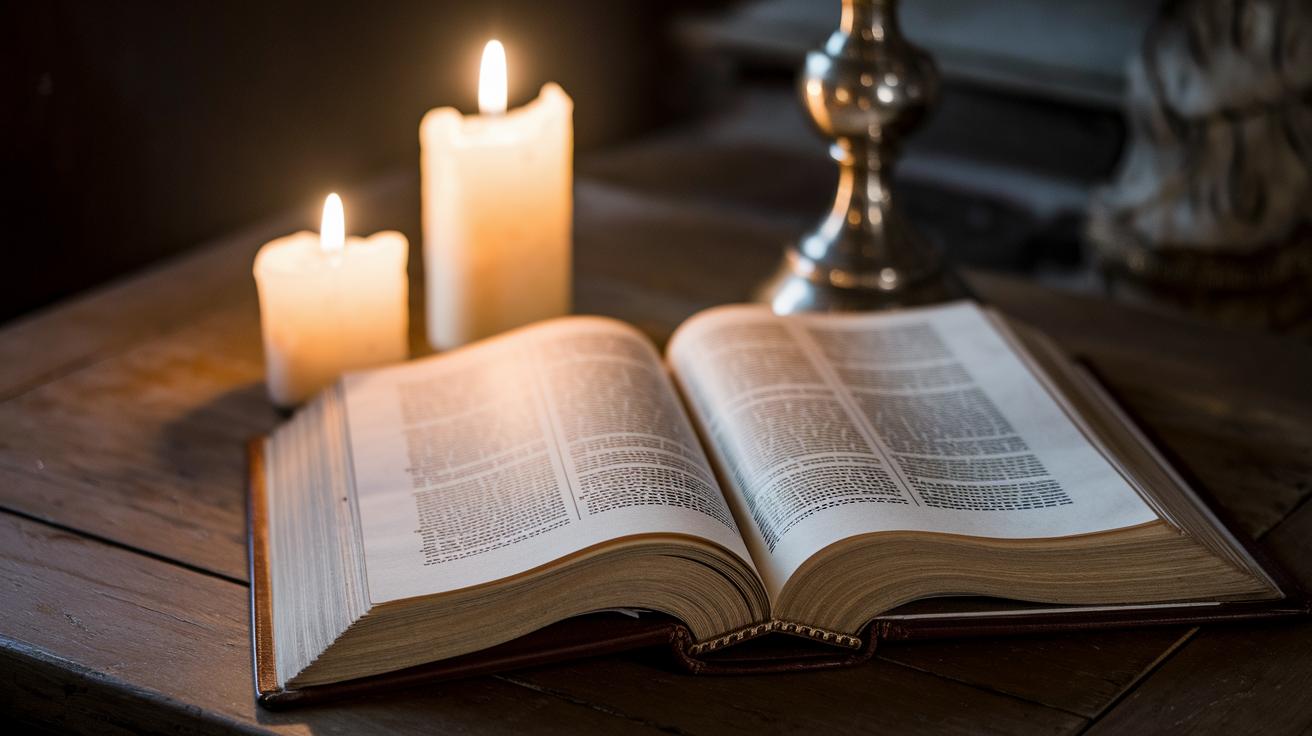
In Genesis 1:27, we learn that humans are created in God's image. This simple truth tells us that every person is special because they carry a touch of the divine within them. Imagine a soft candle glow that never fades, much like the steady light inside each of us. This image reminds us that the worth of life goes beyond what meets the eye.
The idea of life's sacredness means that no one's value is based on race, gender, age, or abilities. Every person deserves respect and care. This belief encourages us to honor our own life as well as the lives of those around us. It brings our community together by inspiring ethical choices that show how much every individual matters.
This view even shapes our discussions about big topics, like abortion and decisions for end-of-life care. Many people feel that caring for unborn children and supporting those in life-support reflects a deep faith in the worth of every human being. Think about a nurse whose gentle care turns everyday work into an act of true kindness because she believes that every life is precious. Embracing the sanctity of life means we make choices that celebrate and protect the inherent value in every person, filling our lives with warmth and optimism.
Historical Evolution of the Sanctity of Life Concept
Long ago, Mosaic Law taught people to value life by banning murder. Back then, that rule helped build a sense of respect within the community.
Early Christians, facing many challenges and unfair treatment, met in church councils between the first and fourth centuries. They reminded everyone that life is precious, standing up against oppression and the divisions in society.
During medieval times, thinkers like Thomas Aquinas explained that our human worth comes from God. Their ideas made the belief in life's sacredness a key part of Christian teaching.
In the 1800s, social reform movements grew as people fought against harsh punishments and slavery. They argued that life should never be harmed, appealing for kinder treatment for all.
| Period | Key Developments | Impact |
|---|---|---|
| Ancient Times | Mosaic Law banning murder | Set the stage for community respect |
| 1st-4th Century | Church councils affirming the value of life | Brought believers together during hard times |
| Medieval Period | Thoughts from scholars like Thomas Aquinas | Linked human dignity to divine law |
| 19th Century | Reform movements against punishment and slavery | Emphasized that life should be protected |
Ethical and Philosophical Perspectives on Life’s Meaning
Secular humanism shows us that our worth comes from sharing life together, not from any divine source. We all have value because we live through similar experiences, and this view encourages us to be kind and caring. When we support each other, we build a community that lifts everyone up. It feels empowering knowing that every thoughtful, ethical act makes our collective spirit stronger.
Kantian ethics reminds us that every person is a thinking, feeling human being who deserves respect just for being themselves. In simple terms, we should treat people as valuable in their own right rather than using them as steps to reach our own goals. This idea sets clear moral rules that protect human dignity and tells us that it’s simply wrong to use someone for personal gain. It’s a strong argument that each life is uniquely important.
Utilitarianism looks at actions by balancing the benefits for many against the downsides for a few, which sometimes means accepting small losses to achieve a greater good. On the flip side, deontological ethics insists that every life must be protected, no matter what positive outcomes might come from sacrificing a few. Though they take different routes, both perspectives remind us that every life counts, and they offer different ways to think about making tough moral choices.
Religious Perspectives on Sanctity of Life

Christian Teachings
Scripture reminds us that life is truly precious. In passages like Psalm 139:13-16 and Jeremiah 1:5, the Bible shows how God carefully forms each person. This inspires believers to treat every life with deep respect. Many Christian groups say that caring for life reflects true faith and spreads hope in their communities.
Catholic Doctrine
The Catholic Church believes that life starts at conception. Important documents, like the 1987 Declaration on Procured Abortion, back up this view. Rooted in natural law, which means following the simple rules of nature, this belief tells us that every person has a small spark of the divine. The Church encourages everyone to care for life at every stage, reminding us that from the very beginning to the later years, every moment deserves love and protection.
Islamic View
In Islam, the Quran teaches us that every life is a gift from God. It clearly tells us not to take life without a good reason. Scholars explain these verses as a call to act with fairness and kindness, ensuring every person is treated with the dignity given by God. This message helps guide communities to be just and compassionate.
Jewish Ethics
Jewish tradition holds that every person is made in the image of God. This idea, called tzelem Elohim, is a core part of living a good life. Rabbinic teachings emphasize pikuach nefesh, which means saving a life is one of the highest duties. This belief builds a community where everyone feels valued and cared for. Plus, dialogues with other faiths show that many traditions agree on how precious each life really is.
Contemporary Debates and Applications of Sanctity of Life Meaning
Big changes in laws have changed the way we talk about the value of life. For example, when the court flipped Roe v. Wade in 2022, many people started discussing how laws can best protect life. Also, countries like the Netherlands (in 2002) and Canada (in 2016) changed their rules on euthanasia (which means helping people end their lives in certain cases). This makes us all think again about how we value every person. These shifts in law and culture give us new ways to understand how much life matters.
Imagine a hospital ethics meeting where the idea of life’s value helped guide a tough decision about taking away life support. Cases like this show that today’s ethical debates go well beyond what happens in courtrooms. They shape daily healthcare choices and spark lively talks among communities about the best ways to care for one another.
Key topics of today's debates include:
- Changes in abortion laws after Roe v. Wade
- New rules on assisted dying in Europe and North America
- Guidelines for using stem cells safely (stem cells are the building blocks that can become cells in our body)
- Decisions about life support in hospitals
- Public health programs for caring for older people
Each of these points reminds us of real, everyday challenges and how tricky bioethical discussions can be. As we all wrestle with these questions, conversations about the value of life help shape laws and personal choices, leaving a lasting mark on the future of bioethics.
Final Words
In the action, we explored how sacred life is defined in sacred texts and history. We looked at ethical views and faith-based insights that shape our understanding. Each section played a part in showing the sanctity of life meaning as a guide for moral choices. This careful blend of ancient beliefs and modern debates reminds us that true respect for life starts with valuing every person. Keep this in mind as you think about everyday choices that matter. Enjoy living with a sense of purpose and care.
FAQ
Why is the sanctity of life important?
The sanctity of life is important because it reminds us that every human being holds inherent value. This belief guides ethical choices and supports the protection of all lives, regardless of differences.
What does sanctity of life mean in Christianity and what does the Bible say about it?
The sanctity of life in Christianity means that every individual, created in God’s image, is sacred. Biblical passages like Genesis 1:27, Psalm 139, and Jeremiah 1 reinforce that life is a divine gift.
What are some examples and ethical definitions of the sanctity of life?
The sanctity of life is shown by treating all people with respect and dignity. Ethically, it involves valuing life from conception to natural death, influencing debates on issues like abortion and end-of-life care.
How is the sanctity of life understood in Catholic teachings?
In Catholic teachings, the sanctity of life means life is a holy gift that begins at conception. This view is supported by Bible verses and church documents that uphold the natural law of protecting life from its start.
What are synonyms for the sanctity of life and what do sanctity of life quotes emphasize?
Synonyms such as “sacredness of life” capture the idea well. Sanctity of life quotes emphasize that every person is a precious gift, urging us to cherish and protect life with all due care.