Ever wonder if what you eat really fuels your body? Picture biting into a crisp apple grown without any chemicals or hormones. Organic food means your fruits and veggies come from soil nurtured naturally. It’s a smart choice that can help boost your health and overall well-being.
Each bite carries a taste of nature’s promise, reminding you how food should feel clean and true. Have you ever noticed how fresh flavors can brighten your day? Let’s chat about how eating organic can lead to a healthier, more vibrant life.
Understanding Organic Food Standards and Definitions
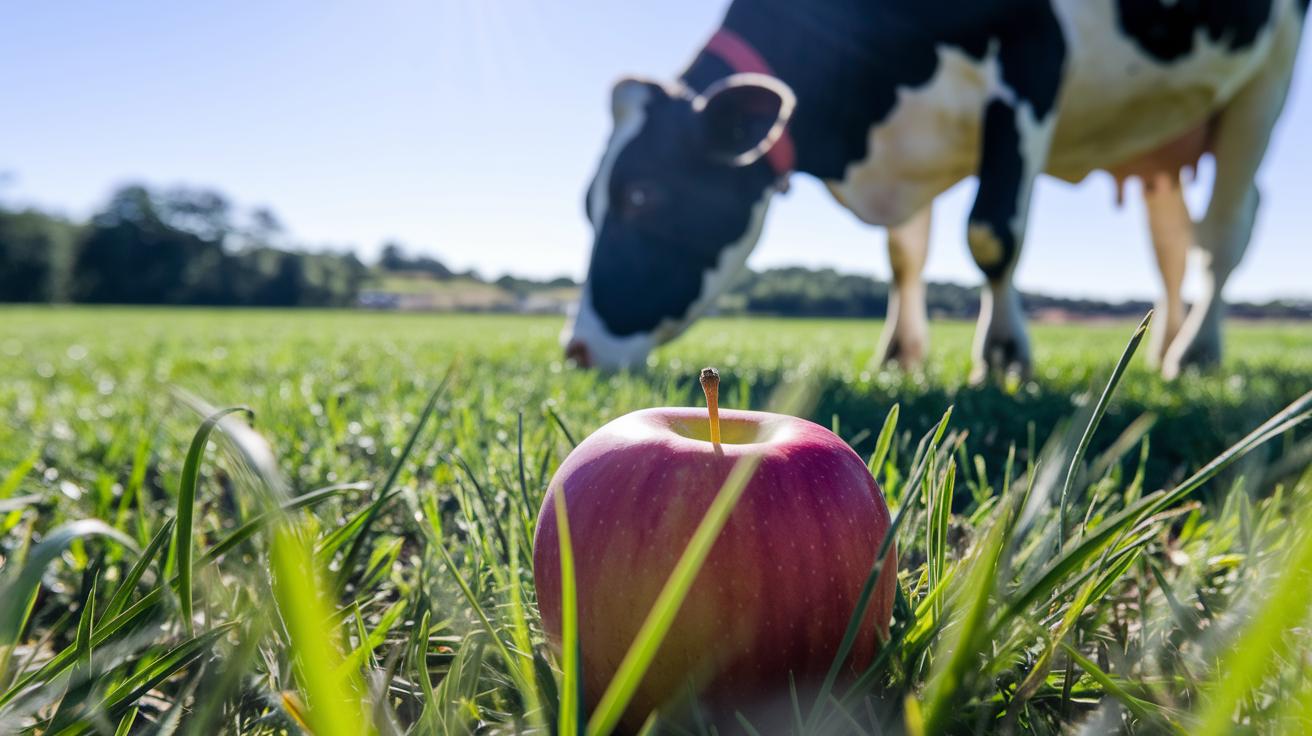
The USDA tells us that organic produce is grown on soil that has been free from most synthetic fertilizers and pesticides for at least three years before harvest. Think of it like this: when you bite into a crisp apple, you can feel good knowing it was grown in soil cared for naturally.
Animal products, like dairy and meat, come from beings raised without hormones or antibiotics. Imagine a cow happily grazing on fresh, green grass without any artificial boosters. This natural approach not only supports the animal’s well-being but also makes a difference in the quality of the food you enjoy.
There are a few simple rules about organic labels. If every ingredient in a food is organic, it gets a 100% organic label. If at least 95% is organic, it's just called organic. And if at least 70% of the product is organic, you'll see it marked as made with organic ingredients. Picture these labels as little report cards showing you the care that went into growing your food.
Only natural pesticides approved by the EPA can be used in organic farming. This rule helps keep chemical residues low and gives you extra peace of mind about what ends up on your plate.
Key Health Benefits of Choosing Organic Food

Choosing organic food can be a smart way to care for your health. When you eat organic, you avoid many synthetic pesticide residues. Think of biting into a crisp apple or enjoying a fresh salad that feels natural and safe.
Organic dairy products, like milk and cheese, are another great example. They often come with up to 50% more Omega-3 fatty acids, which are good for your heart and brain (Omega-3 fatty acids help build strong cell membranes and support your overall health). Imagine a bowl of yogurt that not only tastes delicious but also gives your body extra nourishment without the worry of added hormones or antibiotics.
Organic meat also has its perks. It usually has a leaner cut with a nicer texture because the animals are raised in more natural conditions. This means fewer unnecessary additives. Every bite reminds you that you’re choosing a cleaner option that sticks closer to nature.
For babies, organic food might help reduce exposure to chemicals early in life. Infants depend entirely on their food for growth, so choosing organic fruits, vegetables, or dairy may give them a gentler start. It’s a simple way to support a child’s natural development.
Choosing a diet full of organic foods means you’re picking ingredients that truly honor nature. Pesticide-free produce and products support a healthier body at any age, making everyday meals both safe and wholesome.
In short, choosing organic food supports a healthier lifestyle and brings peace of mind, knowing that each meal delivers real, natural goodness.
Organic Food Versus Conventional: Nutritional Profile and Safety Comparison
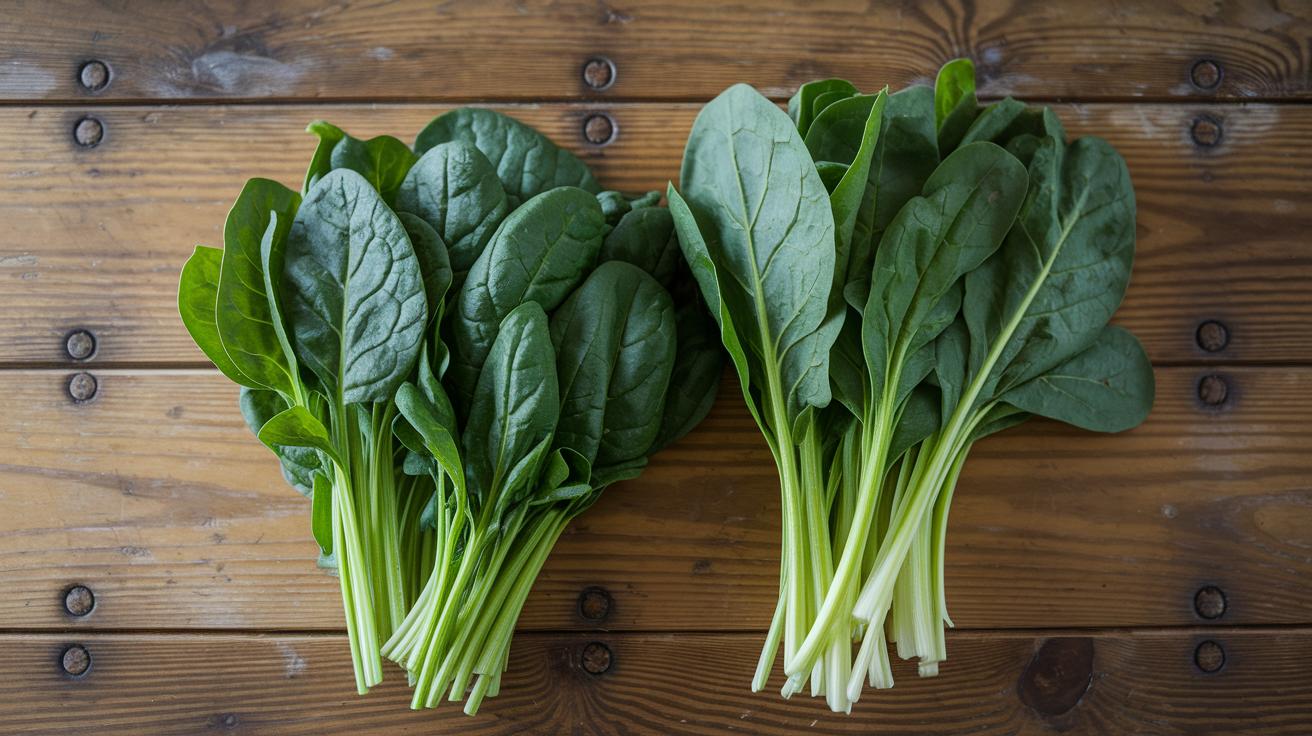
Research shows that when you compare the vitamins and minerals in fruits and veggies, organic and conventional choices are almost the same. Studies tell us that both types pack nearly identical amounts of vitamins. The main difference lies in the number of extra chemicals. For example, one report pointed out that organic spinach and regular spinach offer similar vitamin content, but organic ones usually have fewer pesticide traces.
Organic produce usually carries much lower levels of man-made chemicals than conventional varieties. The Environmental Working Group even puts together lists like Dirty Dozen and Clean 15 to show which fruits and veggies might hold more or less pesticide. If you’re on a budget but still want to lessen chemical intake, these lists can be a handy guide when deciding which items to buy organic for that extra peace of mind.
Taste is another side of the story. Some people swear by the richer flavor and better texture of organic options, while others don’t notice a big difference. Imagine biting into a sun-ripened tomato bursting with natural sweetness versus one that tastes a bit plain. At the end of the day, choosing organic may depend on what you value most, whether it's a little more safety in terms of lower chemical exposure, or simply a taste you love.
Certification, Labeling, and Standards for Organic Products

Organic certification makes sure that every step from the farm to your table follows natural guidelines. USDA inspectors visit farms once a year. They check records and come by in person to see that the farm uses only natural methods. Picture a caring inspector at a small farm, testing soil and confirming that no synthetic fertilizers are used. That hands-on check is exactly how certification is earned.
Organic labels give you clear clues about what’s inside. They tell you how much of the product is made from organic ingredients. For example, a label reading "100% organic" means that every ingredient meets natural standards, while products with at least 70% organic ingredients are marked to show their organic roots. This transparency helps you feel confident about the food you choose.
Some key points of the certification process are shown below:
| Key Points |
|---|
| USDA inspectors visit annually |
| Detailed record keeping |
| In-person farm audits |
Traceability is a big part of the system. It means that every product can be tracked back to its source, ensuring the label's integrity. Imagine a detailed log that follows your produce from the field to your kitchen. This clear trail gives you the confidence that you’re enjoying food that is truly natural.
Sustainable Agricultural Practices and Environmental Impact of Organic Food
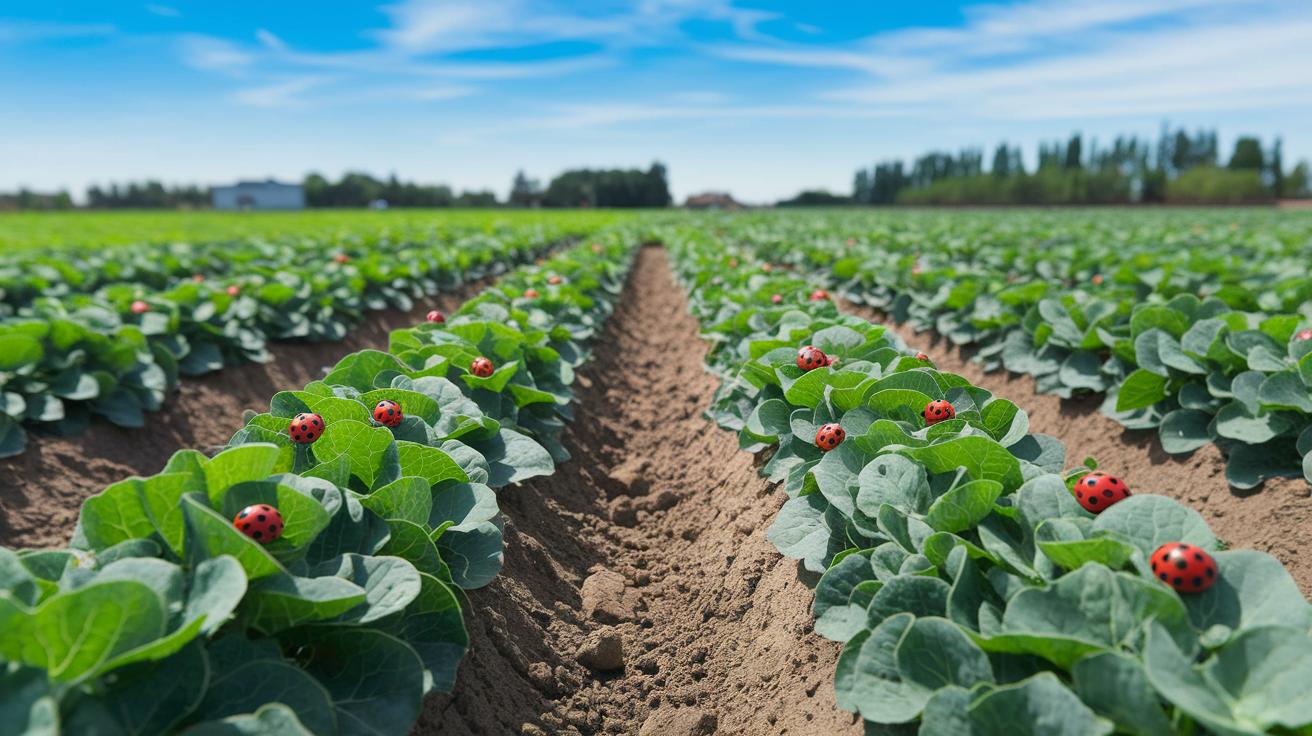
Organic farming is more than just what ends up on your plate, it is a caring way to treat our Earth. Farmers use techniques like rotating crops, planting cover crops, and adding compost to build richer soil over time. Imagine strolling through a field where every bit of soil tells a tale of nature coming back to life. Research shows these practices can slash energy use by up to 45% and capture more carbon compared to regular farming. It’s like nature’s own sponge, soaking up extra carbon dioxide and leaving our air fresher.
Another neat trick organic farmers use is biological pest control. Instead of relying on man-made chemicals, they invite natural helpers such as beneficial insects to keep pests in check. Picture an organic farm where ladybugs are gently released to protect plants from aphids, creating a balance that keeps both crops and nature thriving. This approach not only shields the plants but also builds a lively, diverse farm ecosystem.
Organic methods also lead to better water quality. When fewer chemicals wash away into rivers and streams, our water stays cleaner. Rich, structured soils from organic practices help prevent erosion, giving local waterways a little extra care.
| Practice | Environmental Benefit |
|---|---|
| Crop Rotation & Cover Cropping | Boosts soil health and stops erosion |
| Composting | Adds organic matter to help soil thrive |
| Biological Pest Control | Cuts down on chemicals and promotes diversity |
By soaking up more carbon, organic farms lower their overall carbon footprint. For those curious about more details, you can explore data on the environmental impact of organic produce at https://sourcefed.com?p=.
This mix of smart farming methods and natural work shows how organic food can boost our health and protect our world for everyone.
Organic Food Boosts Quality, Health & Wellbeing
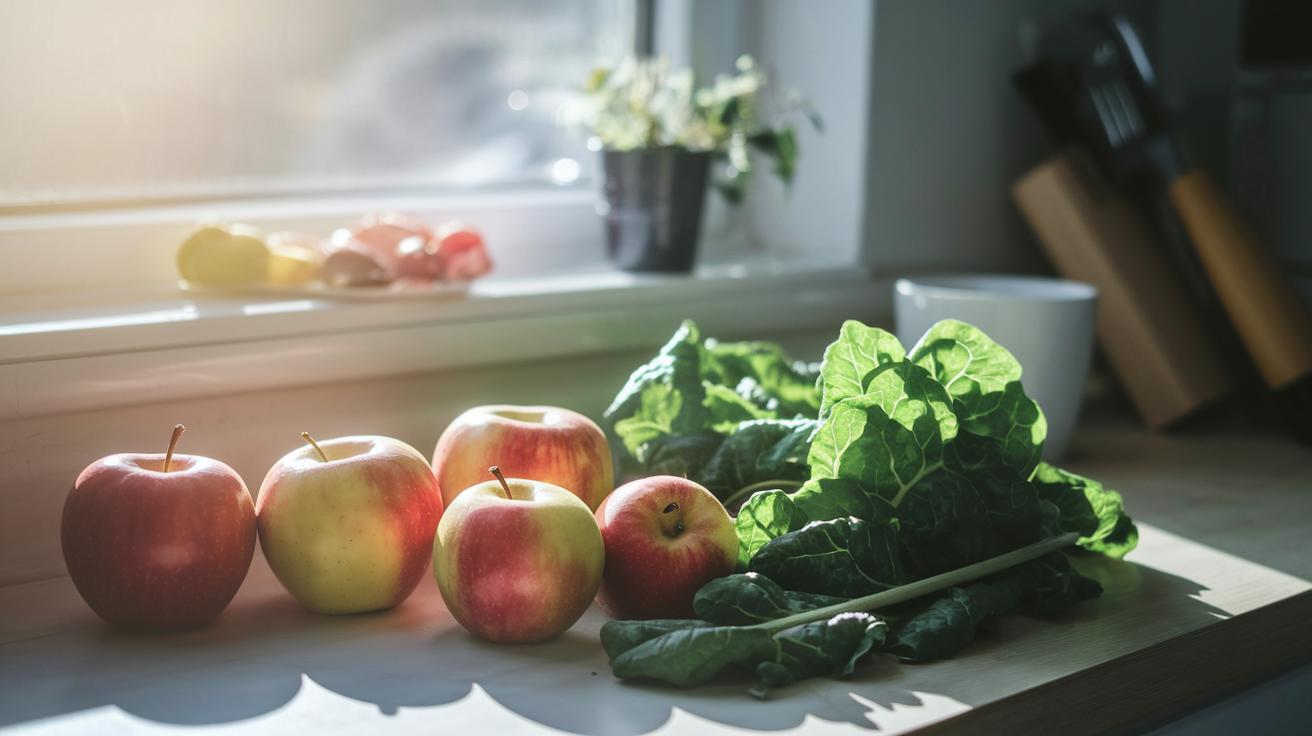
Organic food can be a bit pricier, usually costing between 10% and 50% more than your regular groceries. One simple trick is to plan your organic spending around high-residue produce from the Dirty Dozen list. When your wallet feels tight, focus on fruits like strawberries, apples, and leafy greens such as spinach. This helps you get the most health benefits for each dollar.
Before you head to the store, jot down a list of your frequent picks. This little habit can help you dodge any impulse buys and use your budget wisely. For instance, think about choosing organic leafy greens that, if stored right, can keep for a couple of days.
Keeping your organic produce fresh is quite easy. Just pop those greens into an airtight container with a paper towel tucked in to soak up any extra moisture. This method can keep them crisp and ready for your salads or stir-fries for an extra 2 or 3 days.
Cooking with organic ingredients can be a fun and tasty adventure. Imagine peeling and slicing fresh organic apples, dusting them with a pinch of cinnamon and mixing them with oats, then baking them into a warm, cozy apple crumble. Here is a quick guide to help you get started:
| Step | Tip |
|---|---|
| 1 | Plan your weekly menu |
| 2 | Buy high-residue produce first |
| 3 | Store items in airtight containers |
These easy tips help you enjoy the many benefits of organic eating without breaking the bank, keeping your meals healthy, tasty, and budget-friendly.
Final Words
In the action, we examined what organic food means, its health benefits, and how it compares with conventional options. We also looked at labels, certification steps, and ways to shop smartly. This quick recap shows that informed choices help make your meals both tasty and safe while doing a bit for the planet too. Keep using organic food to treat your body well, and enjoy every bite as you step toward a healthier life.
FAQ
Organic food near me
The term organic food near me refers to locating local stores or farmers markets that offer produce grown under strict USDA guidelines, without synthetic pesticides or fertilizers, making a healthier choice available close by.
Organic foods Examples
Organic foods examples include fresh fruits like apples and vegetables like carrots, as well as dairy products from cows raised without hormones or antibiotics, all meeting certified USDA organic standards.
10 benefits of organic food
The phrase 10 benefits of organic food highlights advantages such as lower pesticide exposure, potential enhanced nutrient profiles, improved taste, environmental support, and safer options for sensitive individuals, promoting overall wellness.
Organic food products
Organic food products are items grown and processed without synthetic chemicals, following USDA guidelines. This category covers fruits, vegetables, dairy, and meat that provide a cleaner alternative to conventional foods.
Dangers of organic food
The query on dangers of organic food addresses concerns like higher costs and limited availability, while noting that organic produce still might carry natural toxins; overall, organic foods are considered safe and well-regulated.
10 disadvantages of organic food
The idea of 10 disadvantages of organic food gathers points such as increased expense, shorter shelf life, limited variety, and reduced access in some areas, which might affect some consumers’ purchasing decisions.
Organic food benefits
Organic food benefits include reduced exposure to synthetic chemicals, often improved nutrient profiles, and support for eco-friendly farming practices, providing a cleaner option that may contribute to personal and environmental health.
Non organic food
Non organic food refers to produce grown using conventional methods with synthetic pesticides and fertilizers. These foods are widely available and usually more affordable compared to their organic counterparts.
What is meant by organic food?
The term organic food means produce and products cultivated without synthetic chemicals, adhering to USDA rules that avoid synthetic pesticides, fertilizers, hormones, and GMOs, thus providing a cleaner option for consumers.
Is organic food actually better for you?
The question is organic food actually better for you implies that organic items may reduce chemical exposure and possibly offer nutritional benefits, although research shows nutrient differences are often subtle compared to conventional foods.
What is an example of an organic food?
An example of an organic food is a fresh apple grown without synthetic pesticides, representing produce that meets strict USDA organic standards and offers a healthier choice for everyday eating.
What’s the difference between organic and natural foods?
The query what’s the difference between organic and natural foods explains that organic foods must meet robust USDA standards, while natural foods lack regulated farming practices, making organic items a more certified and controlled option.