Have you ever wondered if nature might help you feel more at ease during tough days? Research now shows that some mushrooms, like Reishi and psilocybin mushrooms, can help calm your nerves by reducing stress hormones and balancing the chemicals that boost your mood. In many guided sessions, people have found relief from anxious feelings using these natural ingredients. In this post, we'll take a closer look at how mushrooms might help steady your emotions and offer a gentle, natural calm. Stick with us, you might just find a simple way to connect with your inner peace.
Evidence-Based Benefits of Mushrooms for Anxiety
Recent research shows that using psilocybin (a natural compound found in certain mushrooms that affects mood) during controlled sessions can help ease anxiety quickly. Over the last 20 years, scientists have seen that psilocybin reduces anxiety symptoms in people who struggle with hard-to-treat depression and in those facing serious, life-limiting conditions. In these sessions, many people notice a lift in their mood, feel more open, and experience a soothing calm.
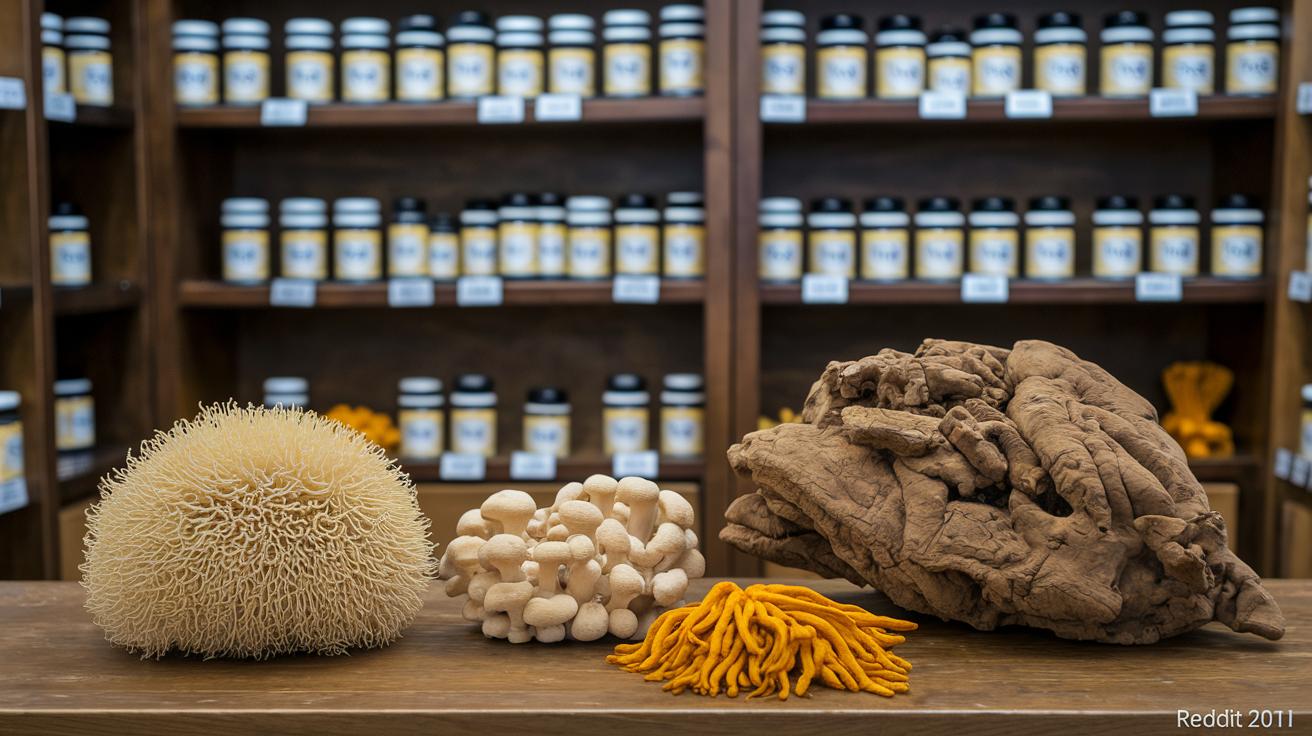
Other helpful mushrooms, such as Reishi, Lion’s Mane, Cordyceps, and Chaga, also play a big part in managing stress. These mushrooms pack natural ingredients that help balance cortisol (a stress hormone), keep key brain chemicals (like serotonin and dopamine, which affect your mood) in check, and ease inflammation. Even small doses taken every few days have left many users feeling more balanced and at peace.
These natural remedies may work by:
- Balancing brain chemicals like serotonin and dopamine
- Regulating stress hormones like cortisol
- Reducing inflammation and providing antioxidant support
- Enhancing traits like openness in personality
Both psilocybin and these non-psychedelic mushrooms offer natural support for handling anxiety. Their combined research and adaptogenic benefits make a strong case for including mushrooms as part of a wellness plan to feel calmer and more balanced.
Major Medicinal Mushrooms and Their Anxiety-Relief Compounds
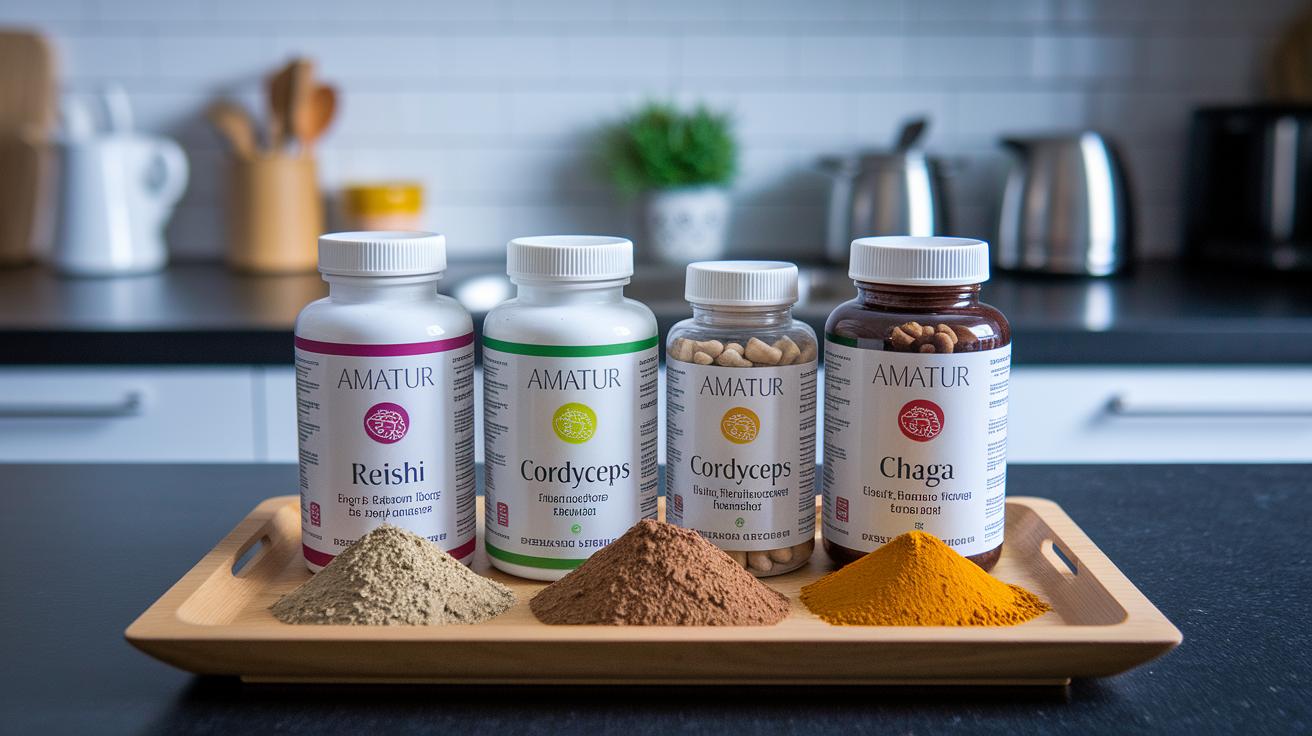
Medicinal mushrooms can be a gentle, natural way to help ease stress and keep your emotions in check. They carry natural compounds that work with your body to manage stress, improve sleep, and lift your mood. For example, Reishi contains triterpenoids and polysaccharides, think of them as natural relaxers that help calm your mind and boost sleep quality. Lion’s Mane, on the other hand, supports nerve growth factor (NGF), which is a helper for clear thinking and easing tension. And then there’s Cordyceps; it helps balance cortisol so you can handle everyday pressures more smoothly. Not to forget Chaga, which is full of antioxidants that protect cells and promote a steady mood.
| Mushroom | Key Compound | Anxiety Benefit | Typical Dose Range |
|---|---|---|---|
| Reishi | Triterpenoids & Polysaccharides | Helps reduce stress and improve sleep | 1-1.5 g daily (dried) |
| Lion’s Mane | Nerve Growth Factor (NGF) Support | Enhances clear thinking and mood | 500-1000 mg daily |
| Cordyceps | Cortisol Balancers | Boosts your ability to handle stress | 1-3 g daily (dried) |
| Chaga | Antioxidants | Helps support a balanced mood | 1-2 g daily (dried) |
Imagine using a bit of Reishi at night to wind down and a dose of Lion’s Mane to keep you alert during the day. Each mushroom works with your body, helping you feel more naturally at ease.
Dosage and Consumption Methods for Anxiety Relief with Mushrooms
If you’re considering using psilocybin mushrooms to help with anxiety, starting small is key. Many people choose a practice called microdosing. This means taking between 0.1 and 0.3 grams of the dried mushrooms every 3 to 4 days. Folks often mention that this gentle amount can lift their mood and ease anxiety without feeling too strong. It’s best to begin with a low dose, check in with yourself after each time, and slowly adjust as needed, always keeping an eye on how you feel and, if possible, talking with an expert about it.
For a deeper experience, there’s macrodosing. This approach uses a larger quantity, around 20 to 30 mg of psilocybin (the natural compound in these mushrooms that affects the mind), and is done under professional care. Macrodosing is aimed at deeper emotional and mental work and should always be done in a safe, controlled setting with an experienced guide. This helps ensure you reap the calming benefits while staying safe.
There are also plenty of ways to take these therapies, so you can pick what fits best with your day-to-day life. Mushroom therapies can be found in forms like capsules, tablets, teas, powders, or even as part of a meal. For example, a warm tea might feel like a comforting hug, while capsules give you a predictable dose every time. Try a few options to see which one helps you feel calm, and always stick to the safe dosage recommendations.
Safety, Legal, and Clinical Considerations for Mushroom Therapies
Psilocybin is a substance classified as Schedule I in the United States. In plain words, this means it’s generally not allowed, except in a few cities where rules are a bit relaxed. Even though early research shows it might help ease anxiety, its legal status reflects concerns about misuse and the fact that most doctors do not yet fully accept its use.
Many people experience side effects like headaches, nausea, tiredness, or dizziness during or after a session with psilocybin. Some might even have tough emotional experiences. That’s why it’s wise to start with a low dose and watch your body’s signals closely.
If you’re thinking about picking mushrooms in the wild, be very careful. Some toxic mushrooms look a lot like the safe ones, and picking the wrong one can be very dangerous. It’s best to ask an expert who really knows how to tell them apart.
Experts recommend having professional guidance when trying mushroom therapies. Being in a safe, calm setting with an experienced guide or sitter can help manage risks and make your experience safer.
Traditional and Global Uses of Anxiety-Relief Mushrooms
Ancient cultures have always turned to mushrooms to help bring calm and clear thinking. For more than 2,000 years, Traditional Chinese Medicine has used the Reishi mushroom to relax the mind and reduce stress. Early healers saw it as a gentle way to balance emotions and bring peace, making it a natural part of their everyday wellness routines.
Across Asia, people in Japan and China added Lion’s Mane mushroom to their ancient tonics because it was believed to boost mental clarity and lift the mood. Up in the Tibetan and Himalayan regions, they mixed Cordyceps with other remedies to help increase energy and ease daily stress. Over in Russia and Northern Europe, Chaga was a popular folk tonic used to give emotional support.
Today, these time-tested mushrooms are making a comeback in natural wellness circles. More and more, modern practitioners are blending these old remedies with today’s therapies. Researchers are also looking into how these mushrooms may work together to keep the mind and body well, creating a link between old wisdom and modern health practices.
Future Directions and Research on Mushrooms for Anxiety
Recent studies are opening the door to a closer look at how psilocybin and other mushroom compounds might help ease anxiety. In 2019, a study helped set the stage, and then a federal grant in October 2021 gave a big boost to U.S. research on using psilocybin for mood challenges. Soon, larger clinical trials will help us understand microdosing better. These trials will guide safety tips and determine how well it works. And with changing rules moving toward decriminalization and even medical legalization, more research and creative ideas are sure to follow. It seems like careful science may finally show us how these mushrooms can help ease anxiety.
New ways to use these natural treatments are also coming up. Researchers are testing liposomal extracts, inhalable spore powders, and special nootropic blends that offer steady and precise dosing. These new methods might make fungal treatments even more attractive by ensuring you get consistent effects that meet medical guidelines. At the same time, updated rules are making it easier for these treatments to be used in therapy settings. This could mean more people can safely explore mushroom-based options for anxiety while learning more about how they work.
Final Words
In the action, we explored how mushrooms for anxiety have steadily shown promise. We looked at psilocybin's immediate mood shifts and the calming effects of medicinal types like Reishi, Lion’s Mane, Cordyceps, and Chaga. The blog also broke down safe dosage tips, various consumption methods, and key legal points. Every section tied back to the potential of these natural fungus treatments to help reduce stress and improve overall wellness. Stay curious and embrace the steady progress that naturally supports better living and fitness.
FAQ
What effect do mushrooms—including psychedelics and microdosing—have on anxiety and depression?
The use of mushrooms, including controlled psilocybin sessions and microdosing, has been shown to lower anxiety and improve mood, backed by clinical research and anecdotal evidence for easing depressive symptoms.
Which mushrooms are effective for anxiety relief and stress reduction?
The mushrooms known for easing anxiety include Reishi and Lion’s Mane, which offer calming effects and support neurotransmitter balance, helping to regulate stress and promote emotional well-being.
How can I obtain mushroom supplements for managing anxiety?
Mushroom supplements are available at health food stores and reputable online retailers. They typically come in capsules, powders, or teas, offering a convenient way to incorporate their calming benefits into your routine.
What is considered the strongest herb for anxiety?
While mushrooms are fungi, some herbs like ashwagandha and kava are well recognized for their adaptogenic qualities. The term “strongest” depends on individual needs, so experts recommend personalized advice for the best results.