Ever lie awake at night with thoughts buzzing like busy bees? Mindfulness meditation for sleep can help calm your mind. Research shows that almost half of adults lose sleep because of stress. By focusing on your breath or a simple object, you can let go of worries and invite calm. This gentle practice doesn't force sleep; it relaxes your body naturally, leading to quieter nights and a more peaceful rest.
Mindfulness Meditation for Sleep: How It Works
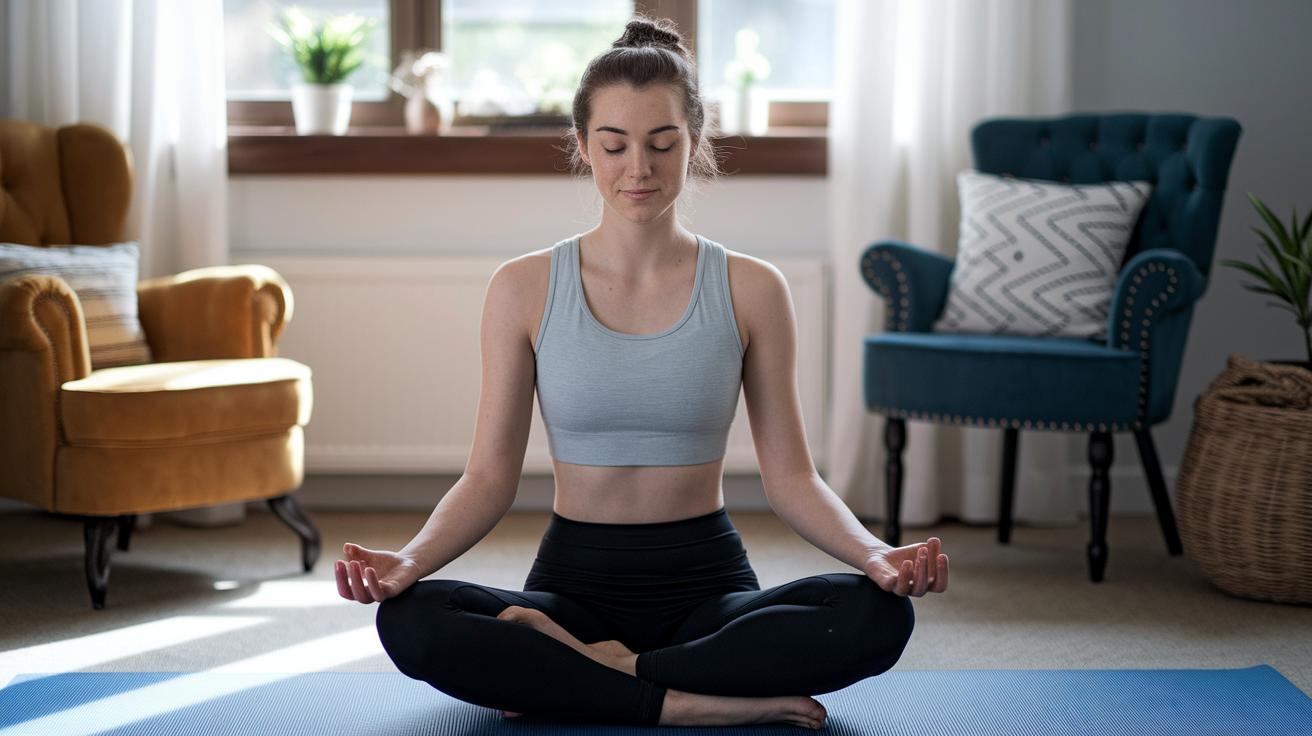
Many people have trouble sleeping because their minds are busy. Research shows that 43% of Americans feel too stressed to sleep at least once a month. Mindfulness meditation helps by gently guiding you to focus on the here and now. This way, it quiets the racing thoughts that can keep you up at night.
Think about it like this: you start by focusing on your breath or even a simple object. This focus helps ease your worry and calms your mind. Instead of forcing yourself to sleep, you let your thoughts settle slowly, much like water in a calm pond. It’s a gentle technique that helps your body naturally find the rhythm for sleep.
You might try a guided meditation session during the day too. Doing a little mindfulness exercise when you’re awake sets the stage for a calm night. With regular practice, your body learns to relax, and you wake up feeling more refreshed.
Remember, mindfulness isn’t about stopping all thoughts. It’s about kindly redirecting them away from the stresses of the day. Over time, this practice can make your bedtime feel more peaceful and help you enjoy a deeper, more restful sleep.
Mindfulness Techniques to Calm the Mind for Sleep
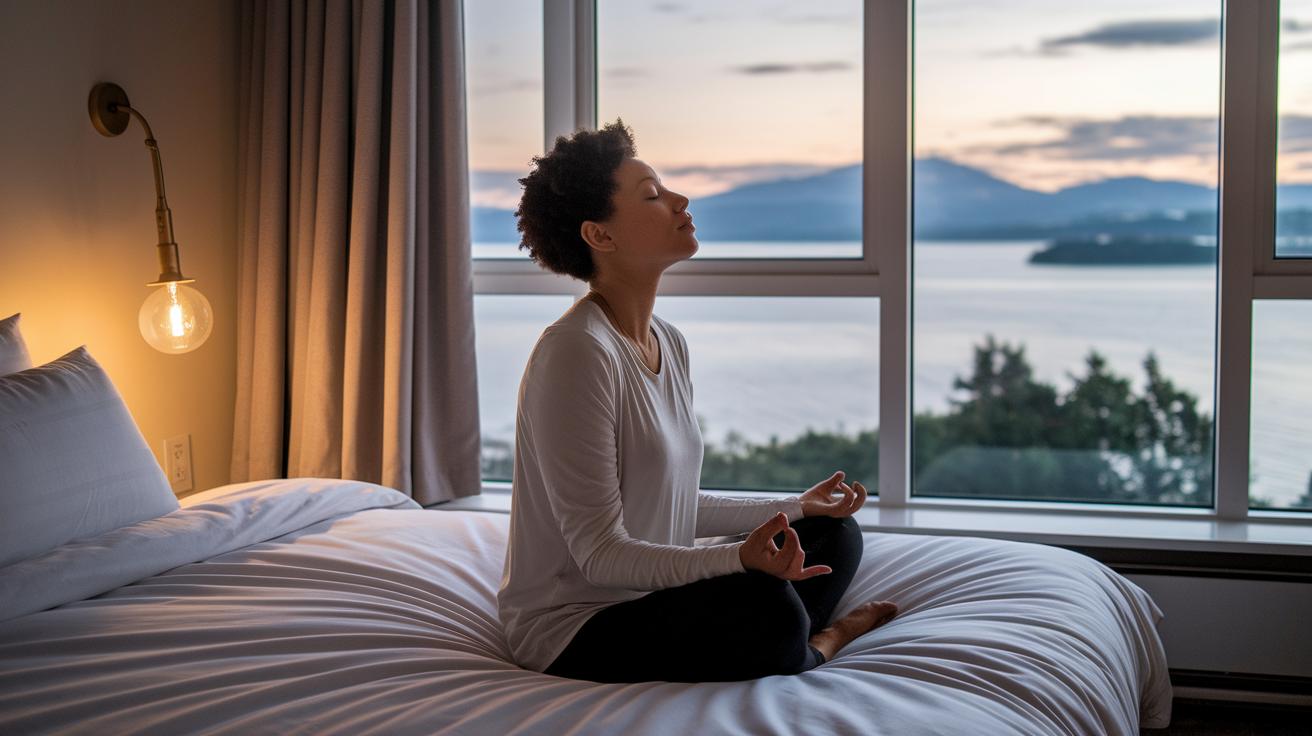
Mindfulness meditation can really help ease your mind before bed. When you try simple techniques like mindful breathing, doing a body scan, or imagining a peaceful sleep scene, you give busy thoughts a chance to settle down. Many folks even try guided meditation sessions, lasting about 12 to 20 minutes, to relax without putting any pressure on themselves. Experts Shelby Harris and Jared Minkel say these practices can lower stress and quiet mental chatter, helping you drift off naturally. Instead of forcing sleep, let your body relax, making room for a calm night.
Try this simple mindful breathing routine to unwind:
- Pick a comfy spot, whether you're sitting or lying down.
- Close your eyes and take a slow, deep breath in.
- Feel the gentle air filling your lungs.
- Pause for a moment, then let the breath out slowly.
- Repeat the cycle, letting each exhale wash away your thoughts.
If you ever wake up in the middle of the night, a gentle body scan might help. Start by focusing on your toes and slowly move upward, noticing any tight spots and easing them away. Deep slumber visualization is another great tip, imagine a dark, calm space where your mind can rest until sleep comes naturally.
Creating a Calming Evening Mindfulness Routine

Start a simple wind-down practice that helps your body get ready for sleep. Sleep expert Shelby Harris suggests adding some gentle movement, a light heart, and a bit of stress relief. Imagine blending these steps into one smooth routine that turns your busy day into a calm evening.
Try out this friendly evening plan to relax both your body and mind:
- Begin with light stretching to loosen up. Think about easing away the tension from your shoulders as you stretch.
- Breathe slowly and mindfully. Picture breathing in calm and letting go of any stress.
- Enjoy a slow, easy walk around your home.
- Spend a couple of minutes writing in a journal. You might note something simple like, "I did my best today."
- Listen to a short guided meditation that gently encourages you to look inward.
- End with a quiet moment to reflect and appreciate the peaceful evening.
Morning Mindfulness Practices to Support Sleep
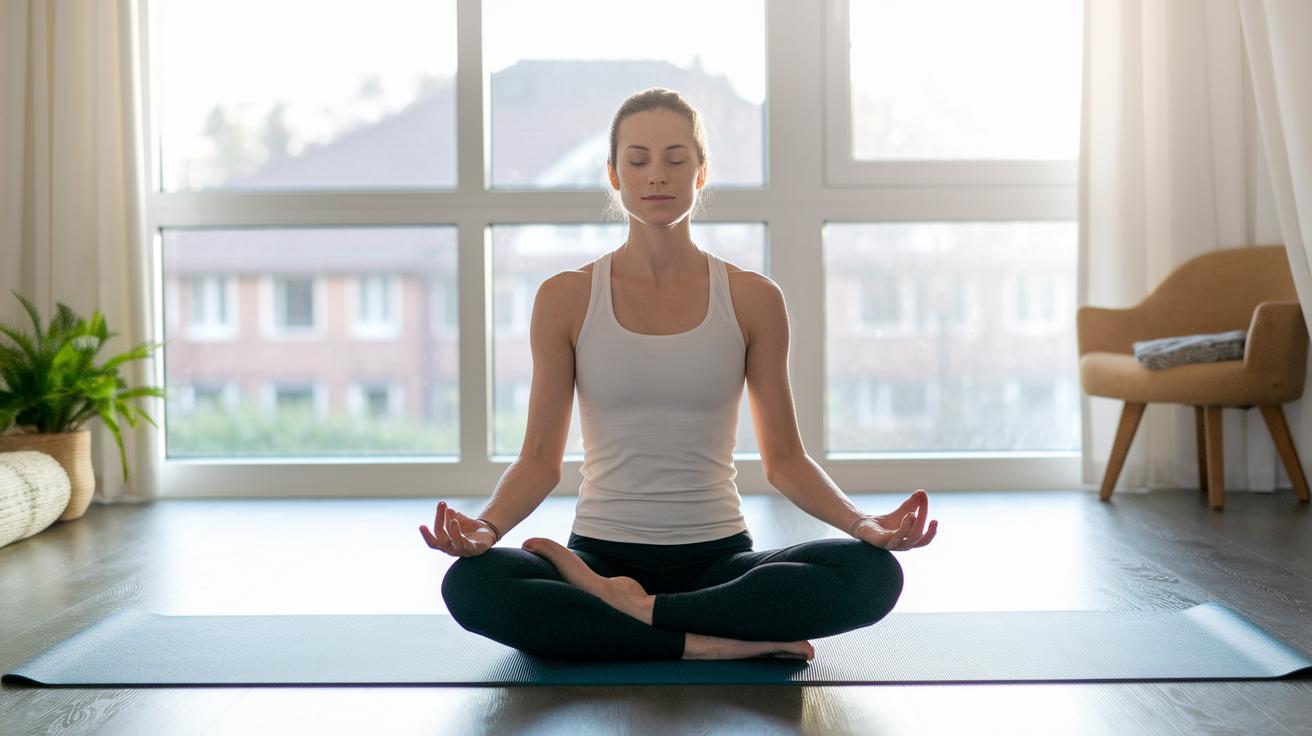
Starting your morning with a short mindfulness practice can really set you up for a peaceful night. Try spending just five minutes focusing on your intentions for the day. You might say, "Today, I'll find calm in every moment," and feel a gentle boost of positivity. This little habit helps ease stress so it doesn't carry over into your evening.
Another simple way to start is to sit quietly for a moment and focus on your breath. Feel the air as it comes in and goes out, and let your thoughts drift by without judgment. This practice centers your mind and spreads a sense of calm throughout the day. Some people even add a quick guided session or a short mini-course to deepen their relaxation.
Even a few minutes of mindful breathing or a moment to think of what you are grateful for can make a big difference at night. Over time, these small exercises may bring more clarity and peace, helping you enjoy a deeper, more restorative sleep.
Research-Backed Benefits of Mindfulness Meditation for Sleep
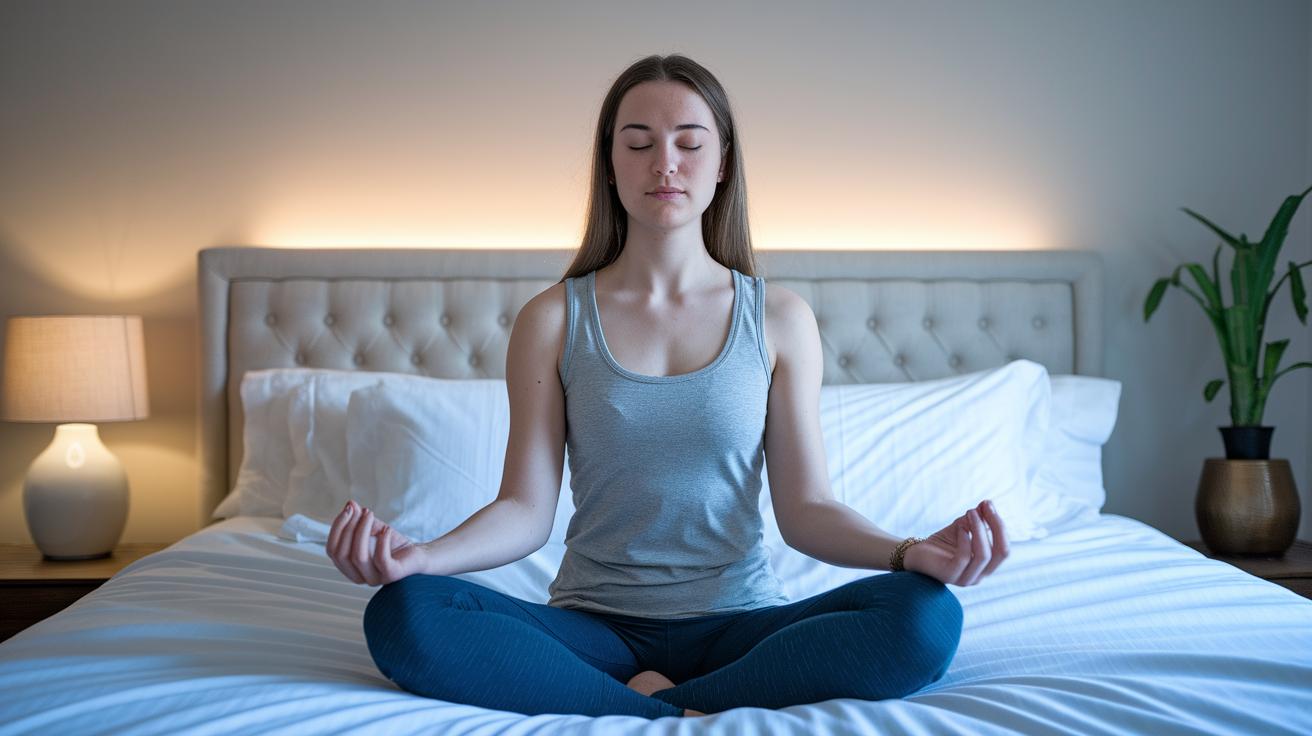
Mindfulness meditation is a great, natural way to help you fall asleep faster and enjoy better rest. Research shows that when you calm your mind using simple techniques like mindful breathing and visualization, you lower your stress hormones. This lets your body ease into sleep gently without having to force it.
Studies have found that even short sessions of mindfulness before bed can cut down on the time it takes to fall asleep and reduce insomnia symptoms. Many sleep experts recommend these mindful practices because they help quiet anxious thoughts, letting you focus on feeling relaxed and ready for sleep.
Regularly practicing mindfulness has been shown to gradually improve sleep quality. Think of it like training your brain to shift away from the hustle and bustle of daily thoughts as bedtime approaches. This steady routine creates a positive link between your mind and sleep, ultimately paving the way for more peaceful nights.
So if you're looking to enjoy calmer nights and a smoother transition to sleep, try fitting a few minutes of mindfulness into your bedtime routine each day. You'll soon notice how it gently prepares your mind and body to rest, helping you wake up more refreshed.
Accessing Guided Sleep Meditation Resources
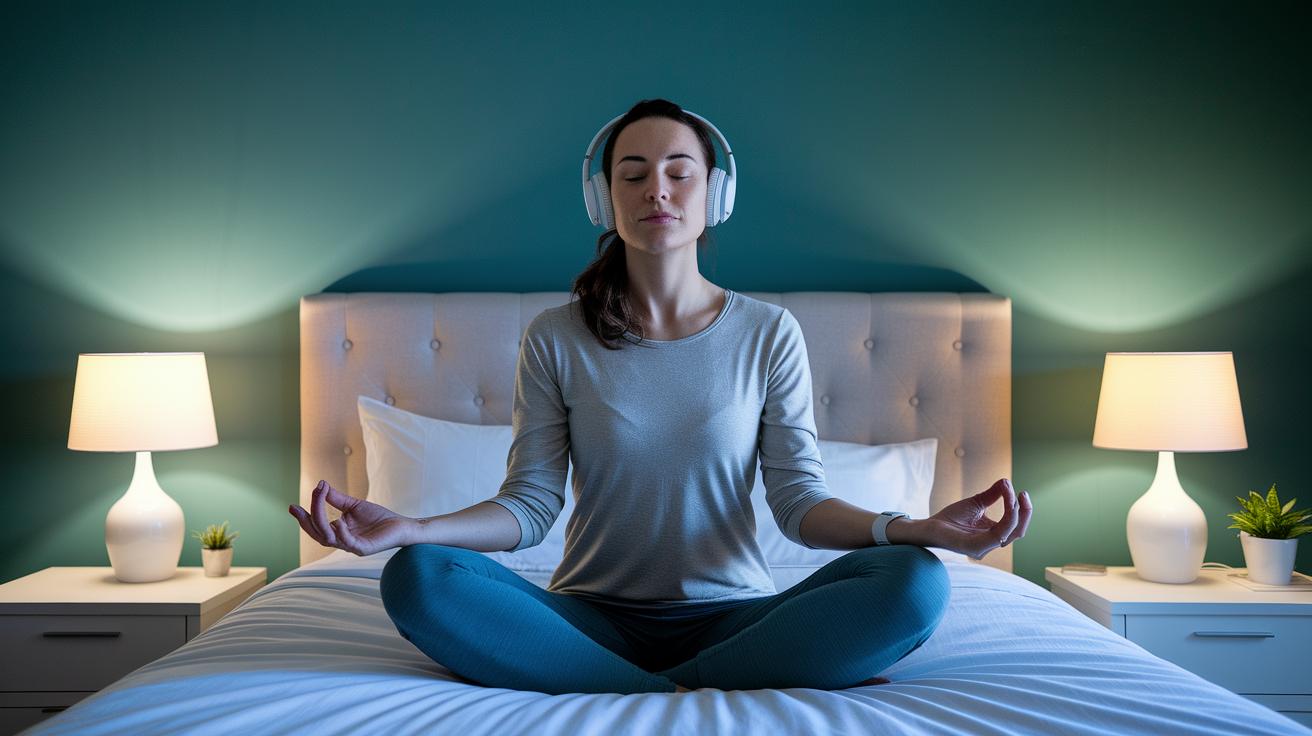
If you’ve ever felt restless before bed, free digital sleep help might be just what you need. Many websites offer easy-to-follow meditation audio that guides your mind into a calm state, so you can drift off more easily. You can pick from sessions that last either 12 or 20 minutes, blending slow deep breathing with soft visual imagery to help quiet your thoughts.
There are also online mini-courses, workshops, and guided sleep sessions that fit neatly into your evening routine. These tools let you try out different practices, from gentle relaxation talks to simple body scans that ease tension. Many people say these free resources help them push daily worries aside and settle into peaceful sleep. Give it a try and see how a little nightly mindfulness can boost your overall well-being.
Final Words
In the action, this article walked through simple mindful breathing, body scans, and visualization techniques that calm the mind and reduce stress before sleep. It also offered ideas for an evening mindfulness regimen and short morning practices to support better rest. By learning practical tips based on research-backed benefits, you now have a fresh approach to tackling restless nights. Remember, integrating mindfulness meditation for sleep into your routine can set the stage for improved overall wellness and peaceful nights ahead.