Have you ever wondered if taking a quiet moment might help sort out the messy thoughts in your life? Mindfulness meditation gently invites you to notice your inner feelings and see how they shape your day. It might sound simple, but focused breathing has been shown to clear your mind and brighten your mood.
This practice isn't just a short pause in your busy day. It’s a caring habit that sparks clarity and self-awareness, making even the roughest times feel a little lighter.
Achieving Self-Awareness Through Mindfulness Meditation
Mindfulness meditation helps you notice your thoughts, feelings, and actions, so you understand how they shape your day and affect those around you. Self-awareness is simply watching your inner world without judging it. Imagine sitting quietly as your thoughts float by like leaves on a stream, just there to be seen.
This practice has deep roots that go back to ancient India, from a tradition called samatha. Over time, methods like those from Headspace and Calm have made mindfulness more popular. With regular practice, you can build patience, kindness, and the ability to see things clearly without quickly labeling them. And when stressful moments hit, you might find it easier to take a breath and respond calmly.
Research shows that staying mentally present can help you manage your emotions better and cut down on impulsive decisions you might later regret. As you keep up with this practice, you may start to feel a steady calm that makes daily challenges seem a bit lighter. In truth, adding little moments of mindfulness into your day is a simple and powerful way to keep your mind balanced.
Mindfulness Meditation for Self-Awareness Sparks Clarity
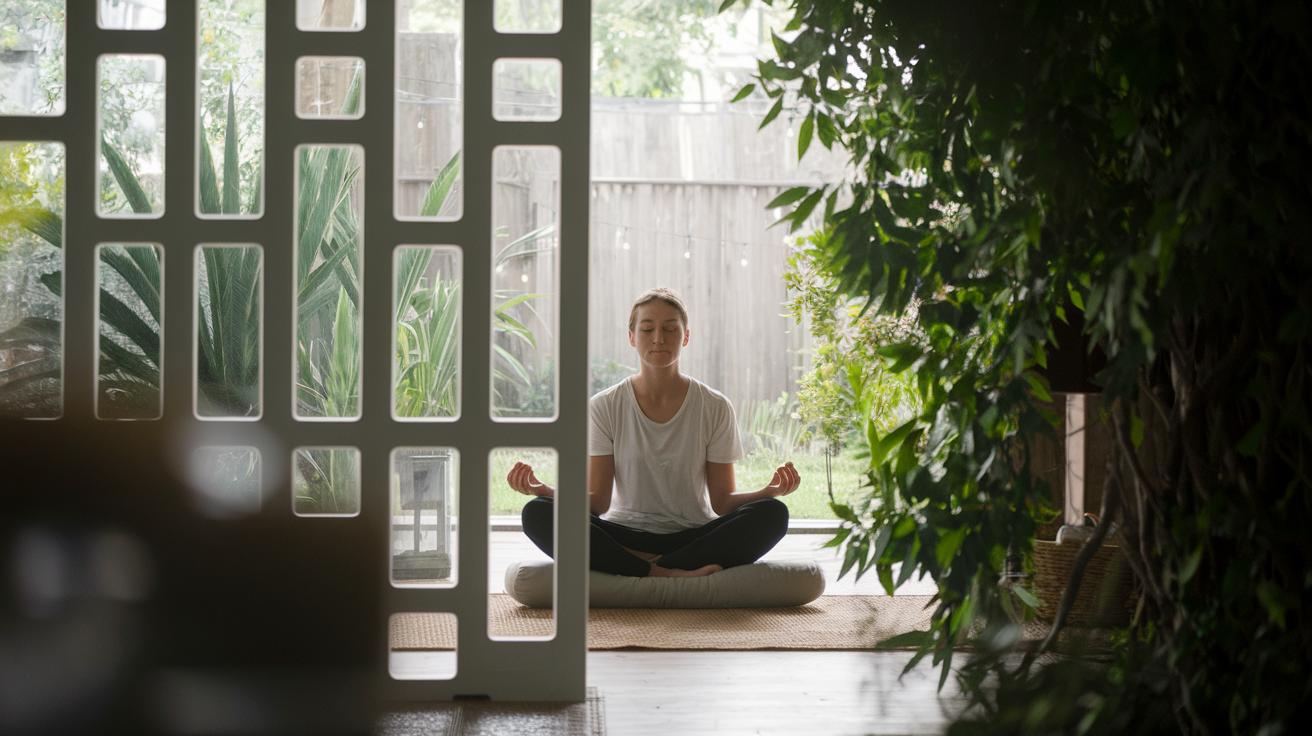
Find a peaceful spot where you can sit or lie down comfortably with your back straight and your shoulders relaxed. Think of it as settling into that favorite quiet corner at home where you always feel safe.
Now close your eyes and focus on your breathing. As you breathe in, gently think "inhaling" while feeling the air fill you up. When you breathe out, softly say "exhaling," letting go of any tightness.
Watch your thoughts as if they were drifting clouds. Let them pass without holding on, just like little birds that flutter across a bright, clear sky and then move on.
Turn your attention to the sensations in your body. Notice how your feet feel firmly on the floor and feel the gentle pull of gravity. You might even sense the temperature around you, like a cool breeze on your skin.
Try to keep this practice for about 5 to 20 minutes. With each passing minute, allow your focus to deepen. In time, this simple habit can grow into a powerful way to gain clarity and self-awareness.
When you’re ready to finish, slowly bring your attention back to the present by wiggling your fingers and toes. These small movements help ease you back into your day with a gentle sprinkle of clarity.
These simple steps can turn a short pause into a refreshing moment of mindfulness. Give it a try often, and notice how it helps you observe your thoughts and feelings without judgment, setting the stage for a more balanced day.
Enhancing Emotional Intelligence With Mindfulness Meditation for Self-Awareness
Take a moment to pause with deep belly breaths, they help you reset your thoughts. When emotions rise, try breathing slowly through your stomach to find calm before you act. For example, if you're feeling irritated, simply stop for a moment and take three deep belly breaths. Think of it like saying, "breathe in calm, breathe out tension."
Mindfulness meditation lets you look at your feelings with genuine curiosity rather than judgment. One useful tip is to keep a small notebook handy. After a tough moment, jot down what triggered your feelings by asking, "What made me feel this way?" This little step can shine a light on the underlying causes and help you manage your emotions better.
Remember to check in with yourself regularly. When you pause and take a few deep breaths, you not only clear your mind, but you also build up your inner strength bit by bit. And don’t forget to notice when you feel happy, maybe even jot down moments of joy and gratitude.
| Emotion | Mindfulness Practice |
|---|---|
| Anger | Deep breathing and counting to ten |
| Anxiety | Grounding exercise by focusing on body sensations |
| Sadness | Jotting down feelings and gentle self-compassion |
| Joy | Taking a mindful moment to appreciate and be grateful |
Give these simple tips a try. They can boost your emotional smarts and guide you on a journey to understand yourself better, one thoughtful breath at a time.
Daily Inner Clarity Meditation Routines to Boost Self-Awareness
Try adding a few simple habits into your daily routine to find small moments of calm and balance. Setting aside a little time to clear your mind can help you feel more centered and relaxed throughout the day.
-
Morning Routine: When you wake up, spend about five minutes taking slow, deep breaths. Sit up comfortably with your back straight and your shoulders loose. Picture your lungs filling up with air and let each breath help wake up your body. You might even add a couple of gentle yoga stretches to get moving.
-
Midday Routine: Take a short break to check in with your body. Sit quietly for a few minutes and notice small things, like the feeling of your feet on the floor or the weight of your body. Focusing on these easy sensations can help you feel grounded and balanced.
-
Evening Routine: Before winding down for the night, spend around ten minutes in peace without any screens. Use this time to calmly think about your day and let your mind relax. A light walk outside or a few soft movements can really help you settle into a good night's sleep.
Guided Reflective Inner Journey and Self-Discovery Through Mindfulness Meditation
Journaling Prompts
Find a quiet moment and grab your favorite pen and paper. Take a moment to ask yourself simple questions like, “What feelings came up today?” and “Why did those feelings arise?” Writing your thoughts down can clear your mind and help you see patterns in your daily life. Maybe you'll notice a small trigger that made you tense unexpectedly. This gentle reflection helps you connect your emotions with your actions and guides you to understand yourself better.
Reflective Solitude
Set aside 10 to 15 minutes to unplug from your devices and just sit quietly. In this peaceful pause, let your thoughts settle like soft ripples on a still pond. Without the buzz of screens, you can tune in to your inner voice and catch insights you might miss in your busy day. This simple break gives you space to notice your feelings and thoughts with a caring, clear mind.
Movement-Based Insights
Try adding some gentle movement to your routine, perhaps a few yoga stretches, a bit of Qigong, or even a light dance in your living room. As you move, pay close attention to how your body feels. These mindful motions can spark refreshing insights and help release built-up tension. Sometimes, following a simple guided session can blend physical movement with reflective thought, paving the way to a deeper sense of self-acceptance and a richer inner life.
Scientific Evidence and Expert Insights on Mindfulness Meditation for Self-Awareness
Recent studies show that mindfulness meditation can help clear the mind and lower stress. Eight-week programs have been linked to a 34% drop in stress markers. This simple practice lets your body ease off and helps you look at your feelings in a calmer way.
New brain scans reveal that regular meditation can lower activity in the part of the brain that handles fear and worry. At the same time, it strengthens the areas that help with making decisions and staying in control. This means you might find it easier to handle daily tasks with a relaxed focus.
Experts also highlight Vipassana, a type of deep, insightful meditation. They say it helps you watch your thoughts more clearly and makes you more thoughtful overall. Fresh data, updated on February 5, 2025, backs up these findings and shows that these mindful exercises really work to help improve your emotional health.
Final Words
In the action, we walked through the basics of self-awareness using mindfulness meditation. We shared simple steps for noticing your breath and feelings, and offered daily routines to keep you centered. Each section gave clear directions to help build emotional strength and a better living and fitness routine. A few mindful minutes each day can bring calm and clarity, making it easier to handle life’s ups and downs. Embrace mindfulness meditation for self-awareness and celebrate each small win on your way to a healthier life.
FAQ
Q: What types of meditation scripts support self-awareness, self-esteem, and confidence?
A: The meditation scripts mentioned—covering self-awareness, authenticity, mindfulness, confidence, and self-esteem—offer guided steps that gently help you relax, focus, and boost inner strength through positive reflection.
Q: How do meditation and mindfulness practices build self-awareness and what steps can I use?
A: Meditation and mindfulness build self-awareness by guiding you to focus on your breath, observe your thoughts without judgment, and reflect on your feelings. This practice encourages clarity, emotional balance, and a stronger inner connection.
Q: Is awareness meditation the same as mindfulness meditation?
A: Awareness meditation and mindfulness meditation share the goal of watching thoughts and feelings without judgment. However, awareness meditation leans toward passive observation, while mindfulness involves active, gentle guidance to stay present.