Ever felt like your emotions take over and you wish there was a better way to handle them? Mindfulness meditation shows you how to observe your feelings without judging them. It uses simple ideas like deep breathing and noticing how your body feels to help you understand each emotion clearly.
In this post, we explore five easy techniques that can bring calm and even a little joy to your daily life. These tips invite gentle self-acceptance and help you see your feelings more clearly. Let's take a step toward feeling more balanced and living in a way that truly supports your well-being.
Mindfulness Meditation Mechanisms for Emotion Regulation
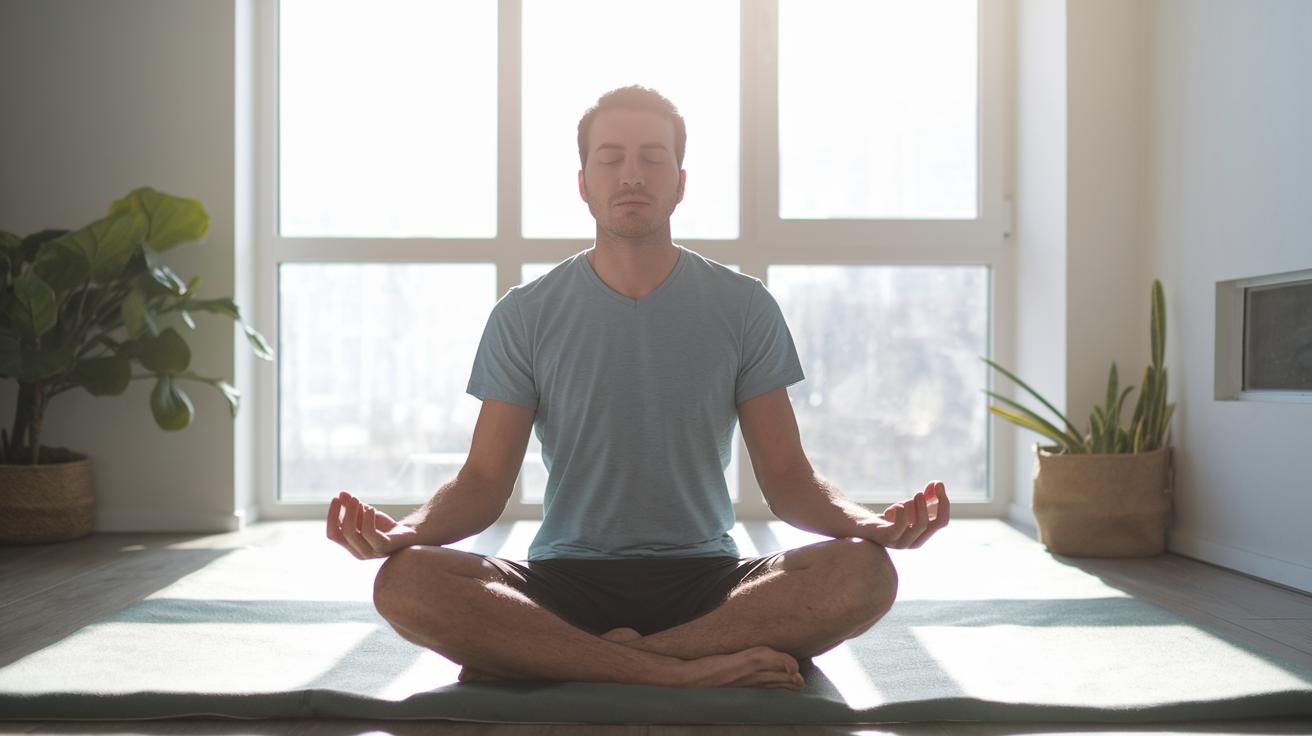
Meditation is a simple way to tune into what’s happening inside you. It helps you notice your thoughts, feelings, and body sensations without rushing to react. Instead of judging each emotion as good or bad, you watch them unfold naturally. For instance, a mindful breath exercise can show small mood shifts that build your self-awareness over time.
Meditation also nurtures a gentle acceptance of yourself. When you let your feelings be without trying to change them quickly, a calm state often emerges. This calm makes it easier to manage challenging emotions and respond in a thoughtful way rather than with sudden reactions.
- Focused attention
- Labeling emotions
- Cognitive defusion
- Body awareness
- Compassionate acceptance
These five ideas work together to build a steady emotional balance. When you practice focused attention, you clearly recognize what you feel. Labeling emotions gives your experiences some context. Cognitive defusion helps you step back from overwhelming thoughts. Body awareness connects your physical sensations to your inner feelings, and compassionate acceptance reminds you to be kind to yourself. Together, they support a peaceful state that boosts overall well-being.
Present-Moment Awareness Techniques for Mood Stability
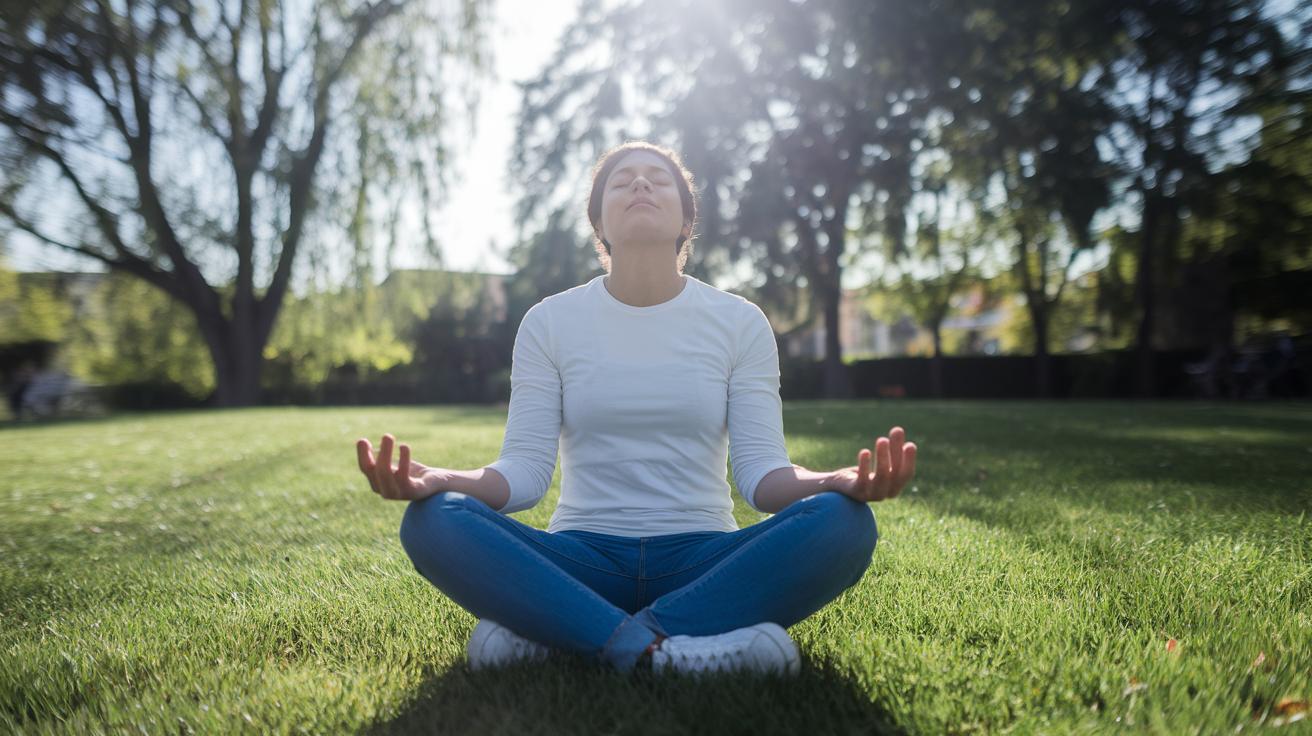
Taking a few deep, mindful breaths and checking in with your senses can help keep you in the here and now. When you focus on the natural rhythm of your breath and notice the details of your surroundings, a gentle breeze, a familiar scent, it calms the busy whirl of thoughts that often distract us.
Try these simple exercises:
- Mindful eating, bite by bite – Slow down and really notice the taste, texture, and smell of your food.
- A three-minute mindful walk – Walk slowly, feel every step, and take in the sights, sounds, and even little smells around you.
- A five-minute sitting anchor – Sit quietly, sense the weight of your body, and follow the natural flow of your breath.
- A quick sensory body scan – Starting at your head and moving slowly to your toes, notice every little sensation along the way.
Doing these exercises regularly can help build a gentle inner strength. Soon, they become a trusty way to balance sudden mood swings and stay steady. It makes it easier to step back from stressful times and keep calm, even when emotions start to rise and fall.
Conscious Breathing Practices for Stress Relief and Emotional Balance
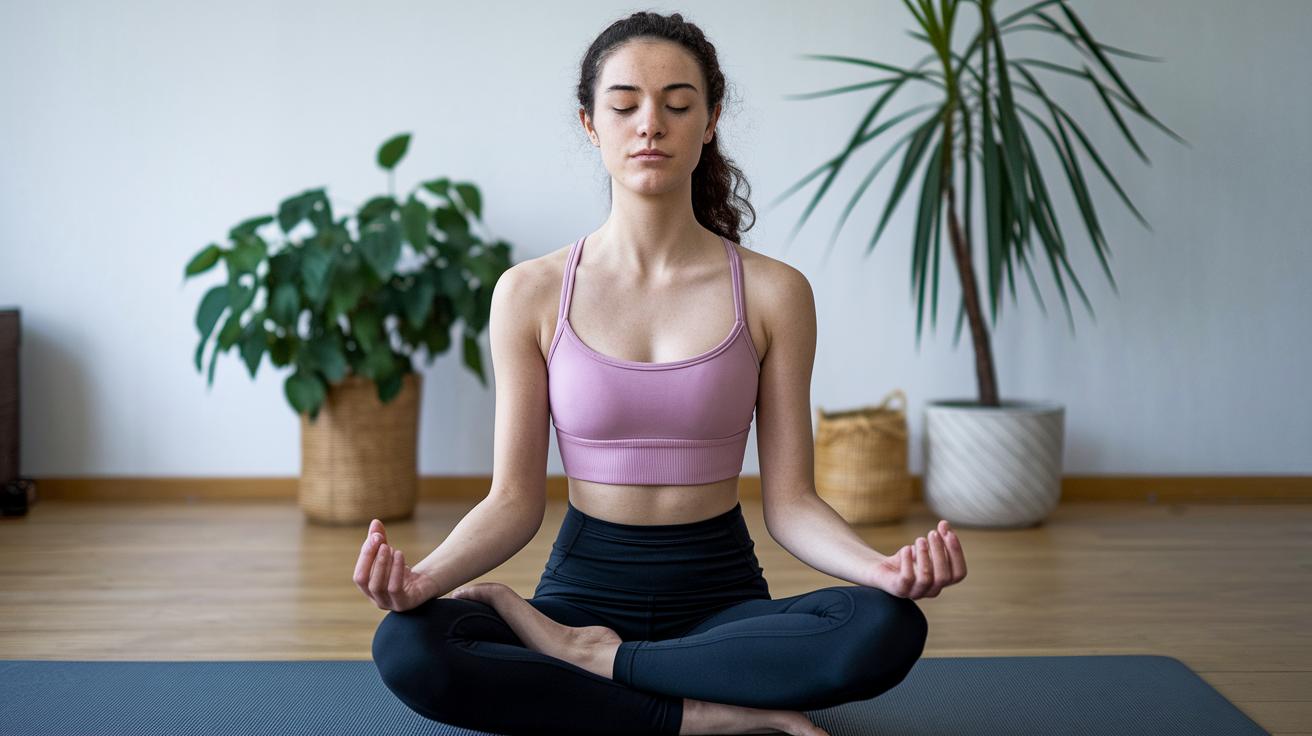
When you take a moment to really notice your breathing, amazing things can happen in your body. Focusing on each breath helps slow your heart and lowers the stress chemical in your body. It creates a small pause that lets you move from feeling frazzled to staying calm and in control. These simple exercises ease tight muscles and help set the tone for a balanced mood.
• 4-7-8 breathing – Breathe in slowly for 4 counts, hold your breath for 7 counts, then breathe out for 8 counts. This slow rhythm eases your heart and fills you with calm.
• Box breathing (4-4-4-4) – Take a deep breath in, hold it, exhale, and hold again, each for 4 counts. This steady, square-like rhythm softens your stress.
• Equal inhale-exhale technique – Match the time you spend breathing in with the time you breathe out. This balanced approach helps your body settle into a relaxed state.
By practicing these techniques every day, you learn to face challenges with a clear and calm mind. Over time, this mindful breathwork becomes a trusted tool for keeping your emotions in check, even when life gets a bit overwhelming.
Guided Meditative Practices: RAIN and Body Scan for Emotional Healing
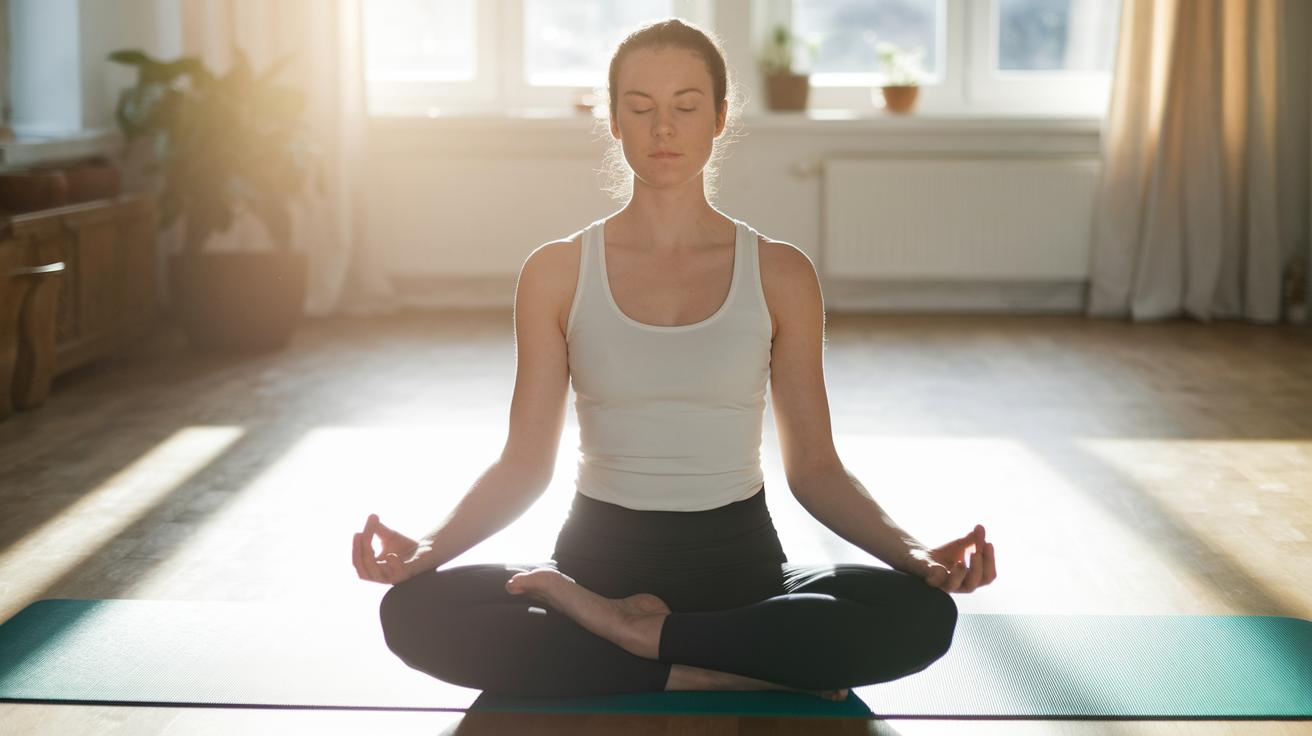
Imagine sitting comfortably and taking a moment for yourself. For the RAIN meditation, start by settling down in a relaxed position. Notice any feeling that might be bubbling up inside and give it a name, like "sadness" or "nervousness," without labeling it as right or wrong. Then, gently focus on where you feel this emotion in your body, maybe a tight spot or a warm sensation. Finally, offer yourself kindness with a soft inner voice and a few deep, calming breaths. You might say something like, "I'm here, and I care about how I feel." This simple, five-minute exercise can help you face tough emotions and make room for more caring and openness.
Now, let’s try a body scan session that lasts about ten minutes. Find a comfy spot where you can sit or lie down. Start at the top of your head and slowly move your focus downwards. Spend a moment noticing sensations on your face, shoulders, chest, and down to your legs. Ask yourself what feelings might be linked to these sensations. Keep your breathing slow and steady, and adjust your position if needed. Whether you're at home or with a small group, this gentle, step-by-step guide helps you discover calm and balance by connecting with each part of your body.
Daily Meditation Routines for Long-Term Emotion Regulation
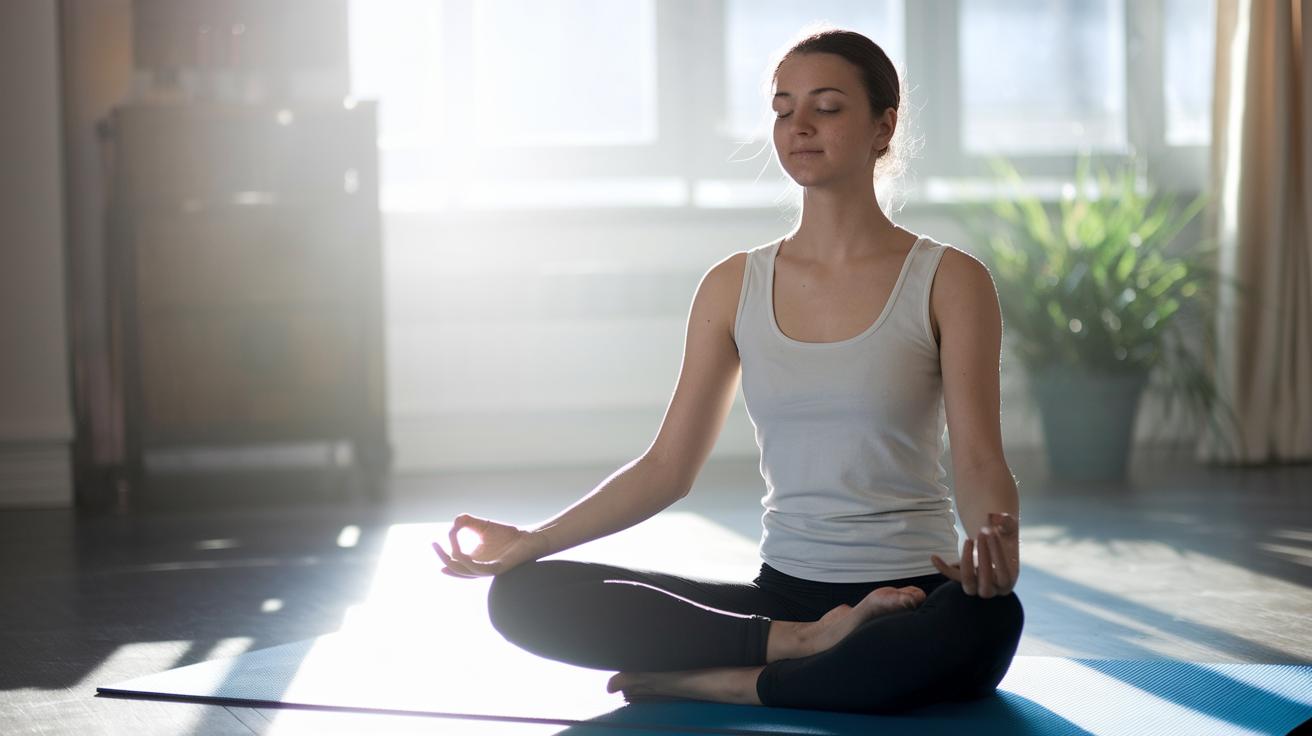
Starting a daily meditation practice can brighten your day and help keep your emotions steady. Even short sessions each day have been shown to ease feelings of anxiety over time. Imagine mixing a few simple techniques like breathwork (focusing on your breathing), body scans (gently noticing how your body feels), mindful movement (easy stretches), loving-kindness (sending warm thoughts), RAIN (a way to deal with tough emotions), and open-awareness (simply being present) in your routine. Whether you’re relaxing at home, taking a quick break at work, or finding peace in a busy moment, this weekly plan can help you build a habit that lasts.
| Day | Practice | Duration |
|---|---|---|
| Mon | Breathwork | 5 min |
| Tue | Body scan | 10 min |
| Wed | Mindful movement | 8 min |
| Thu | Loving-kindness | 6 min |
| Fri | RAIN | 5 min |
| Sat | Open-awareness | 8 min |
It’s a great idea to keep a journal or mood log so you can see how these sessions affect you. You might notice little changes as time goes on, which can encourage you to try different methods or adjust the time you spend on each practice. Keeping track like this helps you tune in to your emotions, and that simple record can really boost your overall sense of well-being.
Scientific Evidence Supporting Mindfulness-Based Emotion Regulation

Recent research tells us that practicing mindfulness can actually change the way our brain works. Brain scans have shown that after eight weeks of regular mindfulness exercises, the amygdala – the part of the brain that reacts to stress – becomes about 20% less reactive. At the same time, the prefrontal cortex, which is key for managing and understanding our emotions, shows more activity. In other words, adopting mindfulness techniques really helps lower stress and clear your mind.
- Reduced depression scores
- Lower anxiety markers
- Cortisol reduction
- Enhanced emotional resilience
These studies also remind us that the benefits of mindfulness stretch into everyday life. For example, when cortisol levels drop, your body feels less physically stressed, and even your mood can brighten. Lower anxiety and depression scores can mean that daily hiccups feel a bit easier to manage. And with enhanced emotional resilience, you're likely to respond more calmly when unexpected stress pops up.
All of this shows that regular mindfulness practice brings real, measurable changes. By making it a simple part of your daily routine, you can build a solid, balanced emotional foundation that supports not only your brain health but your overall well-being.
Tracking Emotional Progress: Journaling and Mood Apps

After your meditation, take a few quiet moments to jot down your thoughts with simple journal prompts. Write about what triggered your feelings, the meditation technique you tried (like focusing on your breath), and how you felt afterward. For instance, you might say, "After a stressful meeting, I felt a bit worried, but concentrating on my breathing helped me feel calmer." This routine not only uncovers patterns over time but also celebrates little victories in how you handle your emotions.
| Step | Description |
|---|---|
| Trigger | Describe what led to your emotion |
| Meditation Technique | Mention the breathing or presence method you used |
| Emotional Shift | Note any changes you felt after meditating |
Using a mood tracker app is a smart way to see your emotional ups and downs over time. It can help you notice shifts and patterns in your feelings, guiding you on your journey to better well-being.
Final Words
In the action, practical strategies show how simple meditation builds self-awareness and calms the mind. The post explains mindful breathing, body scans, and emotion labeling alongside quick presence-based exercises and conscious breathwork. It also highlights using guided meditative practices with formats like RAIN and journaling prompts to track true progress. With a mix of scientific insights and everyday techniques on mindfulness meditation for emotional regulation, small daily actions can lead to lasting emotional balance. Keep moving forward with a smile!
FAQ
How to meditate for emotional regulation?
Meditating for emotional regulation means practicing mindful breathing and awareness of your feelings. This approach helps recognize thoughts, ease tension, and promote a calm state of mind.
Does mindfulness help with emotional regulation?
Mindfulness supports emotional regulation by encouraging you to stay present and observe feelings without judgment. This practice builds awareness and helps calm intense emotions naturally.
What are the 4 R’s of emotional regulation?
The 4 R’s of emotional regulation—Recognize, Allow, Investigate, Nurture—guide you to identify emotions, accept them, explore their origins, and offer yourself gentle caring responses.
What is the best therapy for emotional regulation?
The best therapy for emotional regulation combines mindfulness with guided meditation and cognitive practices. This blend strengthens self-awareness and helps manage emotions effectively over time.
What does meditation for emotional healing entail?
Meditation for emotional healing involves focusing on your breath, calmly acknowledging emotions, and allowing yourself to fully feel and process experiences, which promotes lasting inner peace.
What is a RAIN technique PDF and how is it used?
A RAIN technique PDF offers a clear, step-by-step guide for using the RAIN method to address emotions. It serves as a practical resource for recognizing, allowing, investigating, and nurturing your feelings.
How is an emotional regulation meditation script used?
An emotional regulation meditation script provides guided prompts to help you focus on feelings and breath. It structures your practice, making it easier to acknowledge and process challenging emotions.
How does emotional regulation medication compare to meditation practices?
Emotional regulation modalities can include both medication and meditation practices. While medication may support underlying issues, meditation builds lasting self-awareness and coping skills for managing emotions.