Ever thought that deep breaths could help lift a heavy mood? Mindfulness meditation lets you focus on the moment and step away from that loop of negative thoughts.
Imagine sitting quietly, feeling each breath like a cool wave easing your tension. Research shows that simply paying attention to your breathing can lower stress and lift your mood.
This little pause might be just what you need to find a bit more peace on tough days.
How Mindfulness Meditation Relieves Depression Symptoms
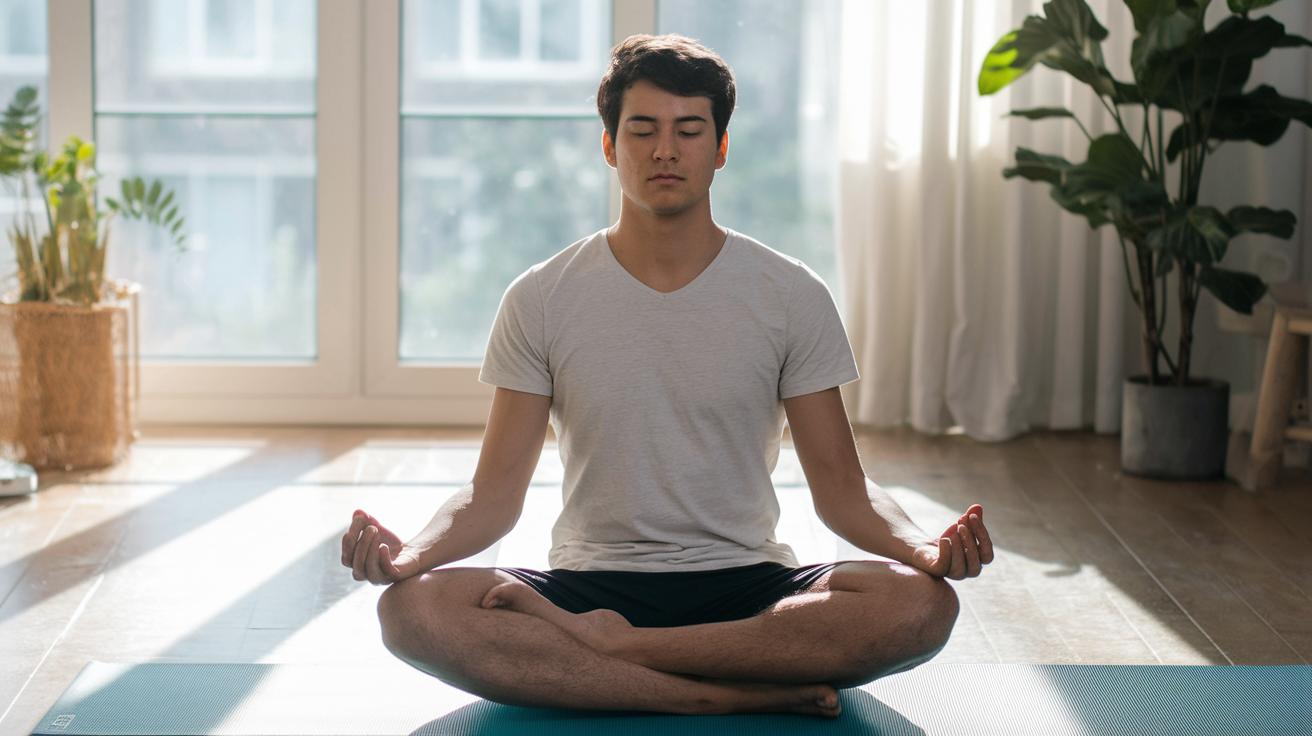
Mindfulness meditation is a simple way to ease the heavy feelings that come with depression. It can help lift your mood, calm your racing thoughts, and make it easier to handle your emotions. Studies, including some from Hopkins, show that this practice can really be useful since about 1 in 14 people struggles with depression. When you take a moment to focus on the present, you learn to step away from negative spirals and look at your feelings with a sense of calm.
One big advantage of mindfulness is that it helps cut out all that endless worrying. By paying attention to your breath and staying here and now, you can break the cycle of harsh, self-critical thoughts. For example, if you catch yourself stuck on a negative thought, you can gently shift your focus back to how your body feels. This small change can create a safe mental space where overwhelming feelings have a chance to settle down.
Mindfulness also teaches you to notice when you are feeling down without judging yourself. This kind of awareness is the first step toward dealing with ups and downs more easily. When you combine deep, slow breaths with a gentle body scan, your overall sense of balance improves, and you start to feel more in control of your emotions.
In short, practicing mindfulness meditation can help ease depression by calming your mind and breaking free from harmful thought patterns. It offers a practical, step-by-step approach to helping you feel steadier and more at peace as you move through your day.
Mindfulness meditation for depression Inspires Inner Peace

Start by finding a quiet and cozy spot where you can relax. Sit down comfortably, close your eyes, and take a few deep, slow breaths. Breathe in for a count of four, hold for a few seconds, then breathe out for four. Picture yourself drawing in calm energy and letting go of tension with each breath. This gentle exercise can help slow your racing heart and clear away those troublesome thoughts.
Next, try a simple body scan. Whether you sit or lie down, slowly bring your attention to one part of your body at a time, starting with your toes and moving up to your head. Notice any little sensations, like a soft tingle or a bit of warmth, without judging them. Imagine a gentle light moving slowly over you, inviting you to feel each part of your body with kindness.
Then, experiment with mindful movement. You can continue sitting or stand up, do what feels right. Slowly raise your arms as if you're reaching for something pleasant or gently shift your weight from one foot to the other. Think of these movements like soft ripples in calm water, each one easing away a bit of tension while helping your mind clear.
Finally, try guided visualization. Close your eyes once more and picture a peaceful scene, a quiet lake at sunrise, or maybe a calm garden glowing in soft light. As you imagine each detail, allow yourself to relax deeper. This calming visualization can help lift low moods and fill you with a gentle sense of inner peace.
Scientific Evidence Behind Mindfulness Meditation for Depression
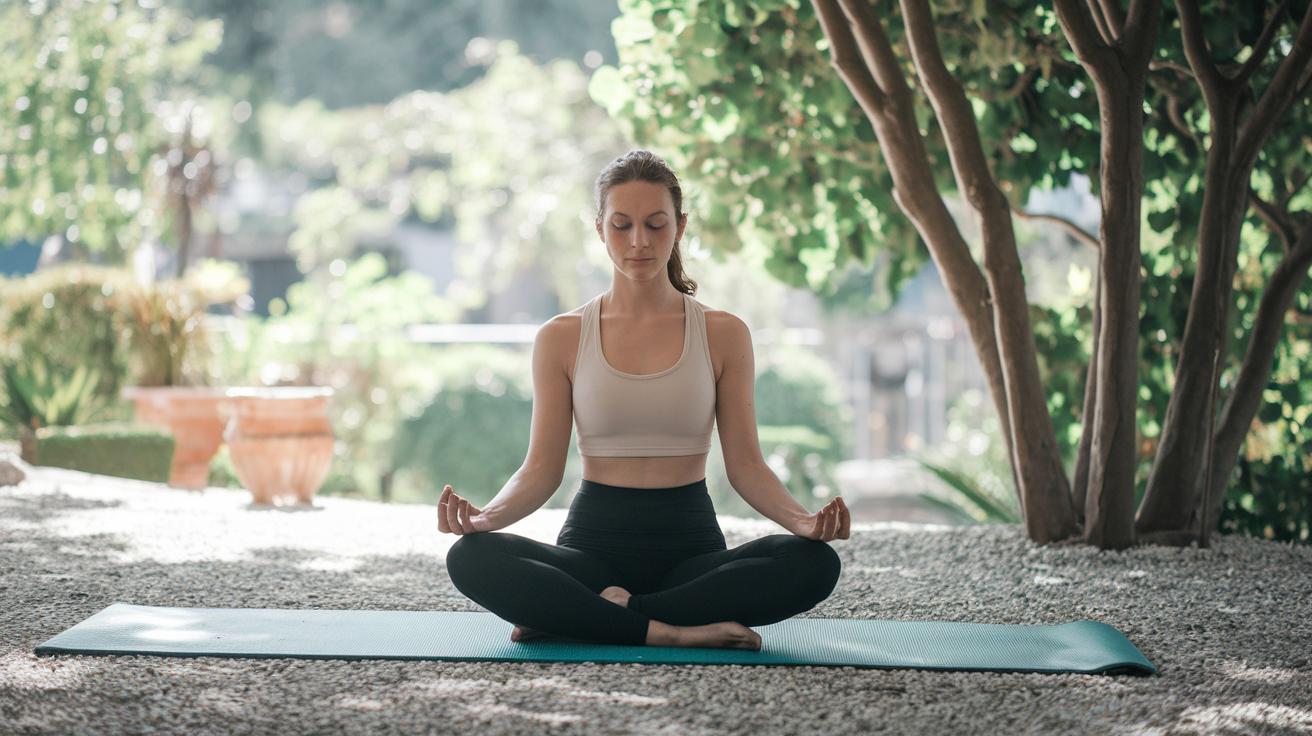
Mindfulness meditation is backed by a lot of science as a useful tool to ease depression. A major review from 2018 looked at over 500 studies with more than 116,000 patients. It found that while antidepressants help a bit more than a fake pill, they often don't lift the deep emotional weight of depression. MBCT, or mindfulness-based cognitive therapy, teaches you to notice and soften negative thoughts so you don’t get trapped by them.
Research shows that even short mindfulness sessions can lower stress and improve how you handle your emotions. These sessions can help calm your mind and encourage a gentler attitude towards yourself, easing harsh self-judgment. Other studies point out that guided meditation and mindful breathing exercises help bring a sense of calm that many people with depression find really beneficial.
This evidence tells us that recognizing and slowly shifting away from negative thought cycles can actually lift your mood. Studies even show that mindfulness meditation reduces activity in brain areas that fuel worry. This approach can work well on its own or alongside medication, helping you build stronger, more flexible emotional responses. Whether in a lab or in daily life, mindfulness helps you get in touch with your inner feelings so you can better manage depression.
Recent findings also suggest that mindful practice not only soothes immediate depressive symptoms but builds lasting inner strength by changing how your brain reacts. This means you can enjoy more balanced emotions every day. Have you ever felt that a calm mind makes everything seem a little brighter?
Integrating Mindfulness with Traditional Depression Treatments
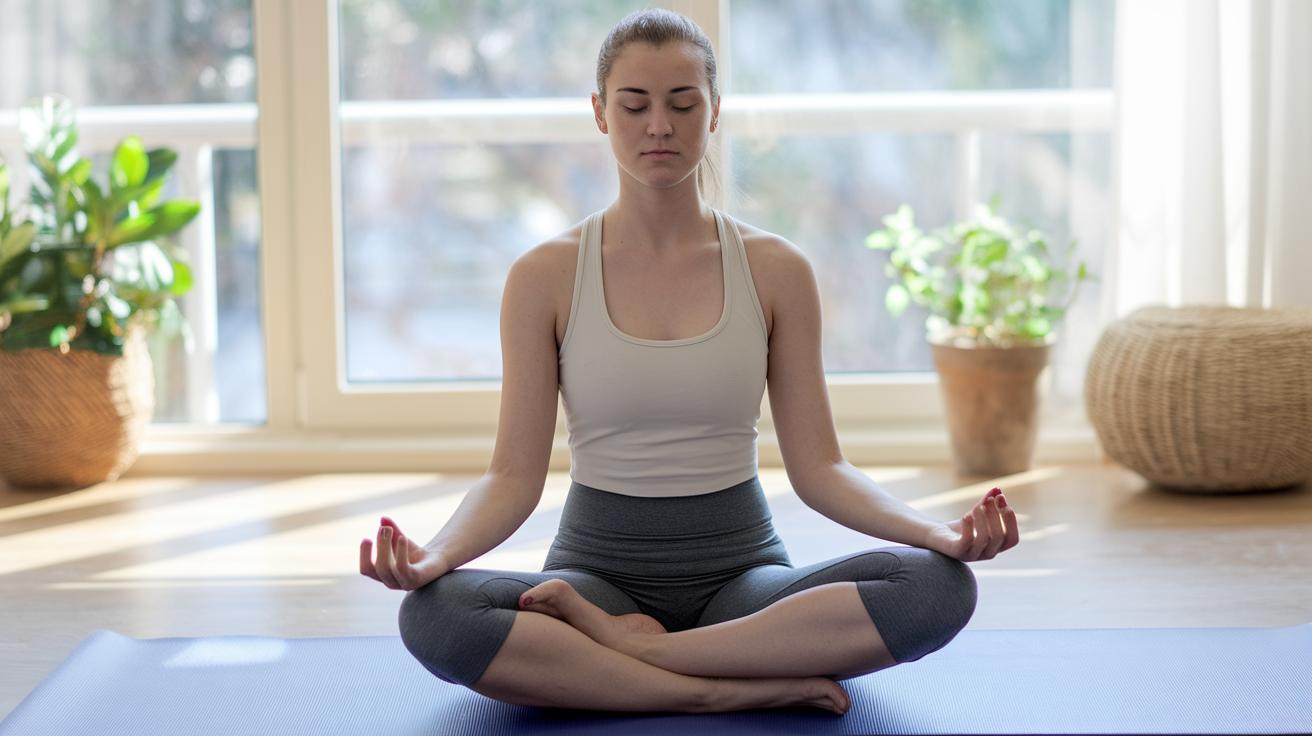
Mindfulness meditation works really well with treatments like antidepressants, cognitive behavioral therapy (CBT), or counseling. It acts like a gentle reminder to notice the thoughts that can pull your mood down. Your therapist might even show you simple self-healing techniques that let you catch these unhelpful thoughts and slowly change them.
Imagine starting a session by taking a few minutes to do a mindful exercise. This little pause can calm your mind and set a positive tone before you share your feelings. For example, you might begin with a guided breathing exercise: sit quietly, take a deep breath for four seconds, hold it for a moment, then let it out slowly. That short break can clear your mind in a big way.
Timing matters when you mix mindfulness with other treatments. Some people find that doing a bit of mindful breathing or a quick body scan right before their therapy session makes it easier to open up. And sometimes, adding mindful movement or a brief body scan after taking medication helps ease any leftover stress.
Many mental health professionals suggest including these practices as part of a complete treatment plan. Experts from universities and trusted professionals often recommend combining mindfulness with traditional treatments to boost emotional balance and manage symptoms more effectively. This mix gives you a well-rounded set of tools to help handle depression.
Safety and Professional Guidance for Mindfulness in Depression Care
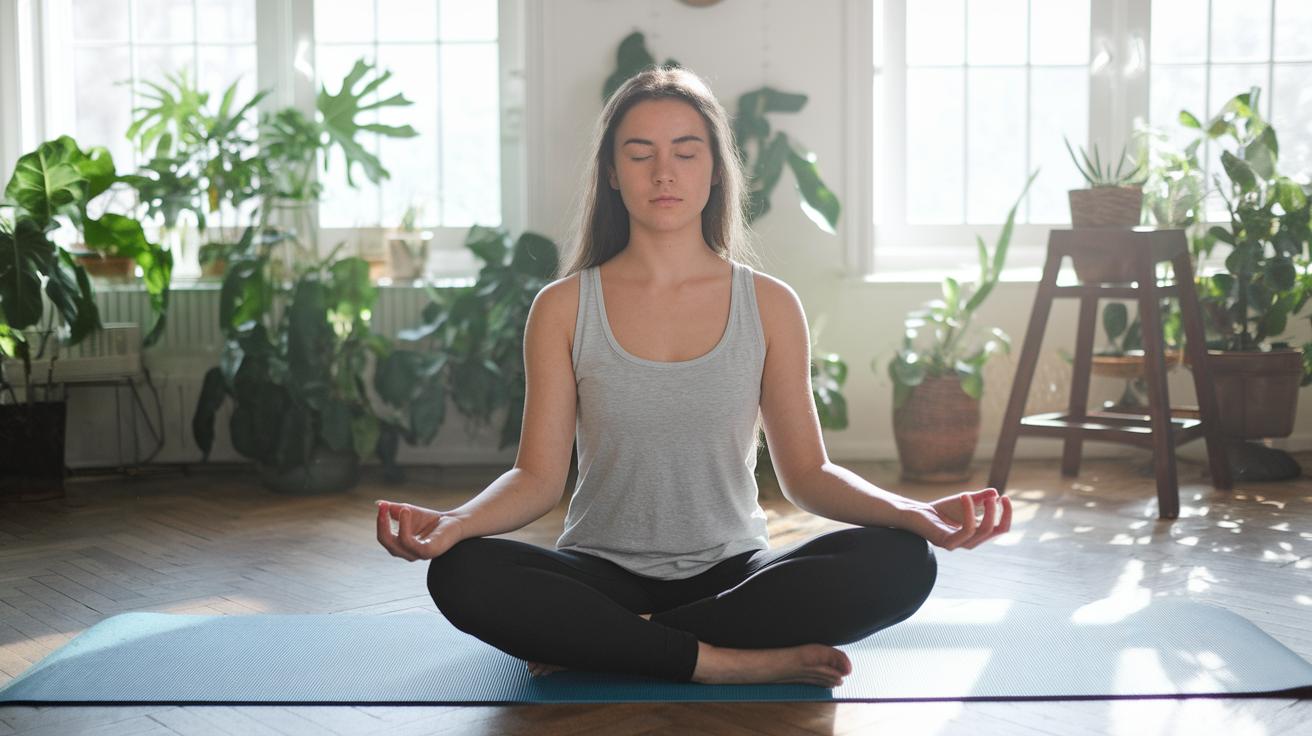
Mindfulness and self-care can be a simple way to ease stress, especially for those facing mild to moderate depression. Many find that a mindful practice helps clear the mind and calm the spirit. But if you notice your mood worsening or if you start having suicidal thoughts, it is very important to seek help immediately. For anyone in a crisis, helplines in the United States, Canada, and the United Kingdom offer quick support.
Pairing mindfulness with regular sessions with a professional can help lift your overall mood. When depression feels too heavy, talking to a mental health expert is a wise step. They can customize mindfulness exercises that work best for you and even guide you toward other treatments if needed.
Remember, mindfulness is only one piece of the self-care puzzle. It works best when you also have support from trained professionals, ensuring that your journey toward feeling better is both safe and nurturing.
Personal Stories: User Experiences with Mindfulness Meditation for Depression
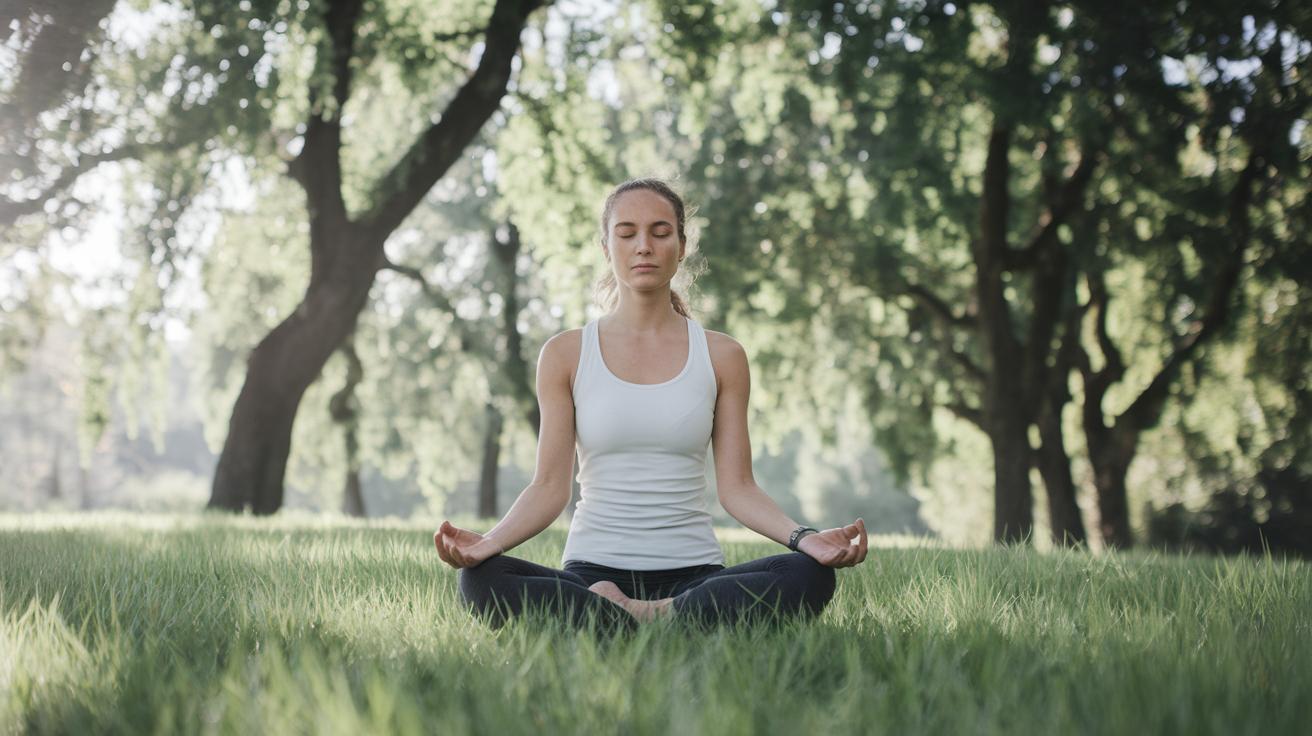
Sarah found a way to invite calm into her day with some simple exercises. Every morning, she spent about ten minutes on breathing techniques and checking in with her feelings. One day at work, when anxiety suddenly crept in, she paused and focused on her breath to regain control. "I now see these moments as chances to reflect and heal," she says. Over time, her routine lifted her mood and brightened her outlook.
Mark also decided to try a new approach after many restless nights spent with worry. He began incorporating gentle body scans and quiet visualizations right before bed. One challenging week, he even kept a journal to track shifts in his emotions. "Each night, the routine helped me understand and slowly ease my feelings," Mark reflects. His practice made life's heavier moments seem a bit lighter.
Lina made a point to take short breaks during her busy day to blend meditation with self-reflection. While walking outside, she paused just long enough to savor the fresh air and tune in to her thoughts. These small, mindful moments helped her reconnect with herself and manage everyday stress better. Before long, her regular check-ins not only lifted her mood but also changed how she faced daily challenges.
Building a Daily Mindfulness Routine for Depression Management
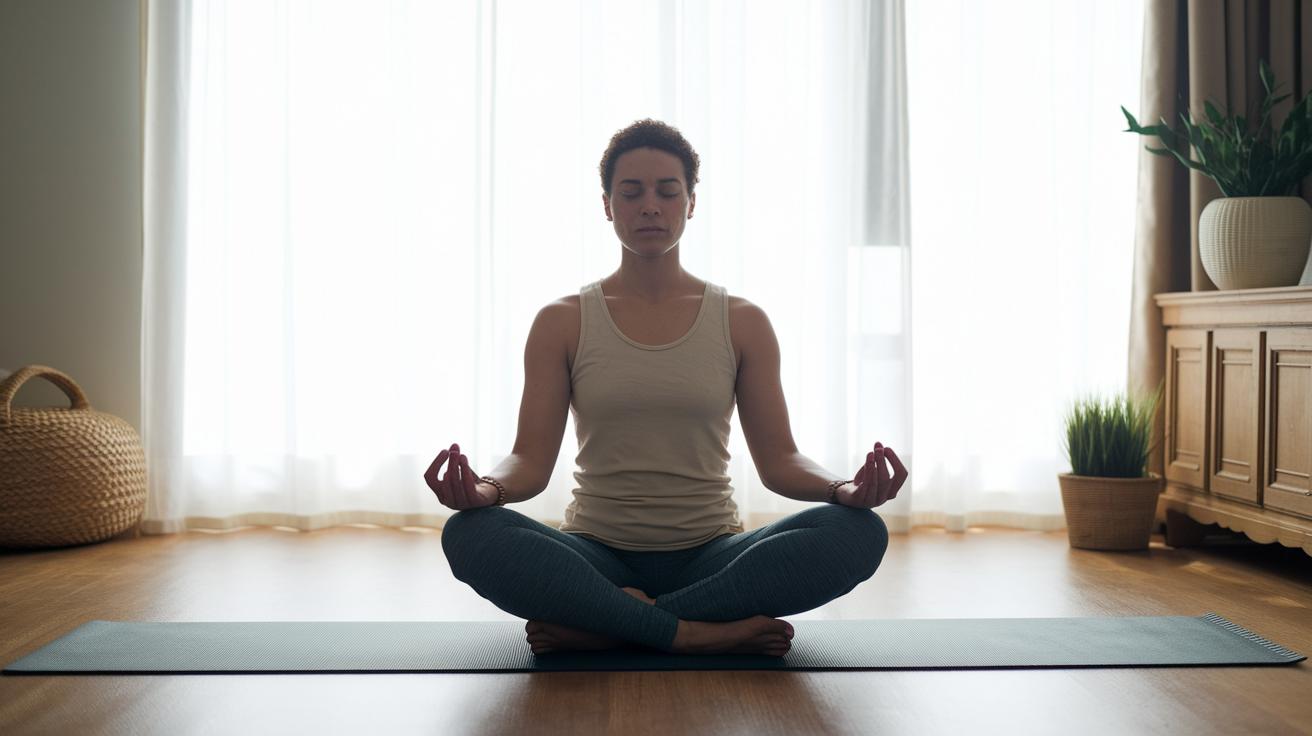
Start your day with a simple plan. Give yourself two 10-minute sessions each day, one in the morning and one in the evening. In the morning, sit quietly and focus on your breathing while taking a moment to check in with how you're feeling. Try taking a few deep breaths, inhale slowly, pause, then exhale, letting all the tension drift away.
In the evening, revisit the same breathing exercise to help your mind relax after a busy day. This little routine can set the tone for a peaceful night and a steady mood. Between these sessions, consider adding small, informal mindfulness checks. Maybe take a moment midday to feel the sun’s warmth on your skin or really notice the taste of a healthy snack.
Before you settle into bed, try doing a quick body scan to let go of any stress you've built up. These everyday practices create a gentle routine that makes it easier to notice any small improvements in your mood over time.
Below is a sample 7-day schedule that can help guide you through these practices:
| Day | Morning Session (10 mins) | Evening Session (10 mins) | Informal Practice |
|---|---|---|---|
| Monday | Breathing exercise | Body scan | Mindful walk |
| Tuesday | Breathing exercise | Guided visualization | Mindful snack |
| Wednesday | Breathing exercise | Body scan | Observing nature |
| Thursday | Breathing exercise | Guided visualization | Mindful walk |
| Friday | Breathing exercise | Body scan | Evening reflection |
| Saturday | Breathing exercise | Guided visualization | Mindful snack |
| Sunday | Breathing exercise | Body scan | Mindful walk |
Mindfulness Meditation Tools and Mood Trackers for Depression

Keep your meditation routine on track by writing down your sessions and feelings. Using a simple digital log or a handwritten chart helps you see how a calm session can lead to a day with fewer negative thoughts. After each session, you might jot down something like, "I felt lighter and more centered after focusing on my breath."
Apps like Mood Tracker let you note your feelings, set gentle reminders for your sessions, and watch your progress over time. Meanwhile, the Symptom Tracker App helps you record mood changes so you can notice which types of sessions bring the most benefit.
Mixing digital tools with handwritten notes can boost your self-awareness even more. Take a few minutes each week to review your entries. These check-in moments not only build a strong habit but also help you adjust your meditation practice based on what you observe.
Final Words
In the action of better living, we explored how mindfulness meditation for depression eases low mood and improves mental clarity. We covered practical techniques like guided breathing and mindful movement, backed by solid scientific research. The discussion also touched on blending meditation with traditional treatments and using helpful tools like mood trackers. These insights offer simple steps to manage stress and support overall wellness. Every small practice helps pave a brighter day ahead, reminding us that feeling better starts with a mindful moment.
FAQ
What type of meditation is best for depression and anxiety?
The best meditation for depression and anxiety practices use mindfulness techniques like guided breathing, body scanning, and mindful movement to ease low mood and break cycles of overthinking.
How does meditation for depression compare to medication for depression?
Meditation for depression focuses on calming the mind and regulating emotions through mindful practices, while medication involves prescribed treatments by healthcare professionals to address chemical imbalances.
What does loving kindness meditation do for depression?
Loving kindness meditation promotes feelings of care and compassion for yourself and others, which can help shift negative thought patterns and support emotional well-being.
How does Insight Timer serve people with depression?
Insight Timer provides a range of guided sessions that offer calming practices and structured mindfulness, making it a useful resource for easing depression symptoms and improving mood.
What is the mindfulness approach to depression?
The mindfulness approach to depression focuses on recognizing negative thought patterns and gently reframing them through practices that build awareness and self-compassion, reducing rumination.
How long should one meditate for depression relief?
Meditating for about 10 to 20 minutes a day helps promote calm and balance, though even shorter, consistent sessions may yield noticeable benefits in easing depressive symptoms.
What is considered the #1 cure for depression?
There isn’t one single cure for depression; combining mindful practices, therapy, medication, and healthy routines generally offers the most effective support for managing symptoms.