Ever feel like your mind is a busy storm, and you just need a break? Sometimes, all it takes is a deep breath to press pause on the chaos. Taking just a moment to be still can feel like a mini-vacation for your brain. When you focus on the present, you start noticing little details, like the soft hum of a fan or the warmth of the sun on your skin, that remind you to slow down.
In this article, we're exploring what mindfulness really means. Think of it as a simple way to find balance, ease your stress, and notice life with fresh eyes. Have you ever tried just sitting quietly and feeling the air around you? It's amazing how much peace a little awareness can bring.
Embrace Calm Clarity
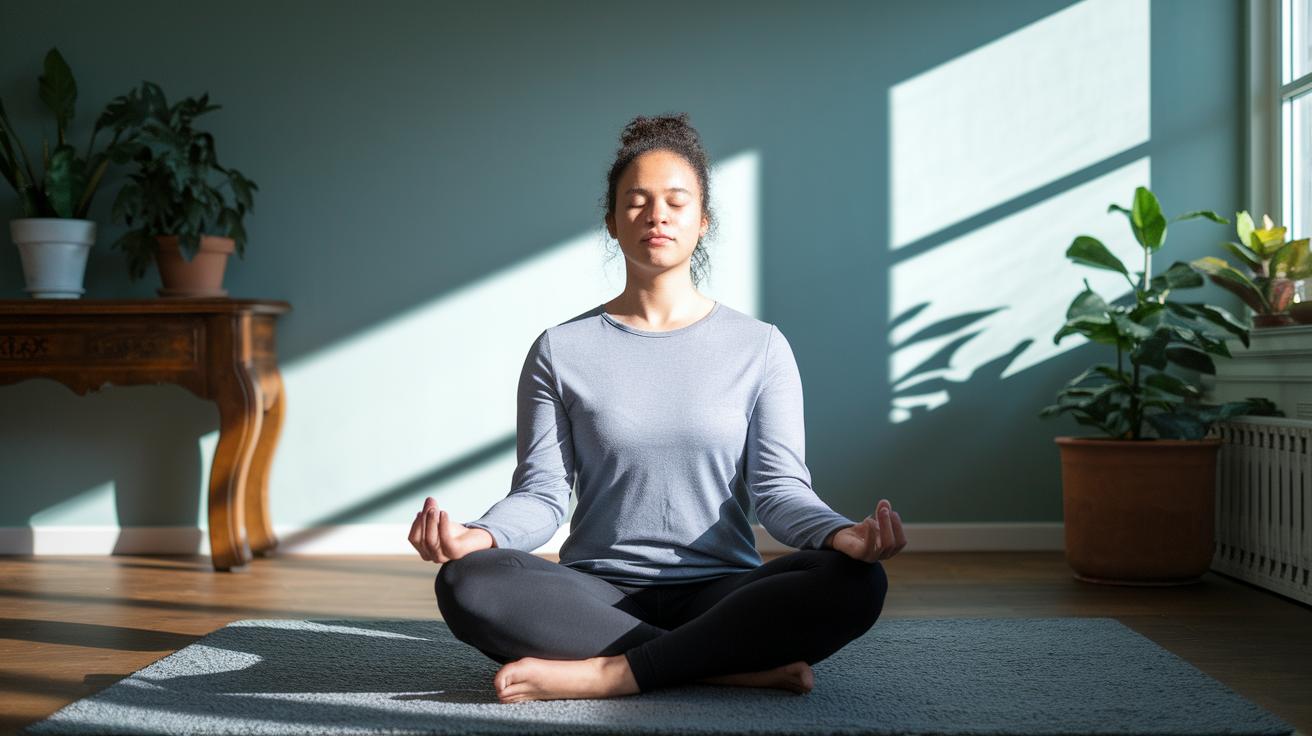
Mindfulness means tuning in to what's happening right now. It’s about noticing your breath or the way your body feels without letting thoughts pull you away. Think about feeling your heartbeat during a quiet moment, that’s mindfulness at work.
The idea comes from an old word, sampajañña, which simply means clear understanding. In simple terms, it reminds us to be fully in the moment, seeing our surroundings and our feelings as they are without judgment.
Today, lots of practices help us stay in this clear and calm state. Simple activities like slow, deep breaths, a quick body check, or even a brief pause help lower stress and keep worries under control. When we watch our thoughts instead of fighting them, we start to feel more balanced and can look at life with fresh eyes. Whether you're meditating or just taking a moment during your busy day, staying present lets you handle challenges calmly and clearly.
Historical Origins of Mindfulness Definition
Mindfulness comes from very old Eastern traditions. It started with early Buddhist teachings over two thousand years ago, around the 5th century BCE. These teachings remind us to be fully present, noticing our breath or the cool wind on our skin, and to tune in to our thoughts and body feelings. In simple words, they tell us that even small moments of clear awareness can help keep us calm, even when things get tough.
In 1979, mindfulness found its way into Western health practices through a method called mindfulness-based stress reduction by Jon Kabat-Zinn. This easy-to-follow practice helps people deal with stress and anxiety by focusing on the present moment, just like those old techniques. As more people began using it, they discovered that being fully aware can improve our mental health. It shows us that a simple, mindful habit can bridge the gap between ancient wisdom and our busy modern lives.
Key Components in Mindfulness Definition
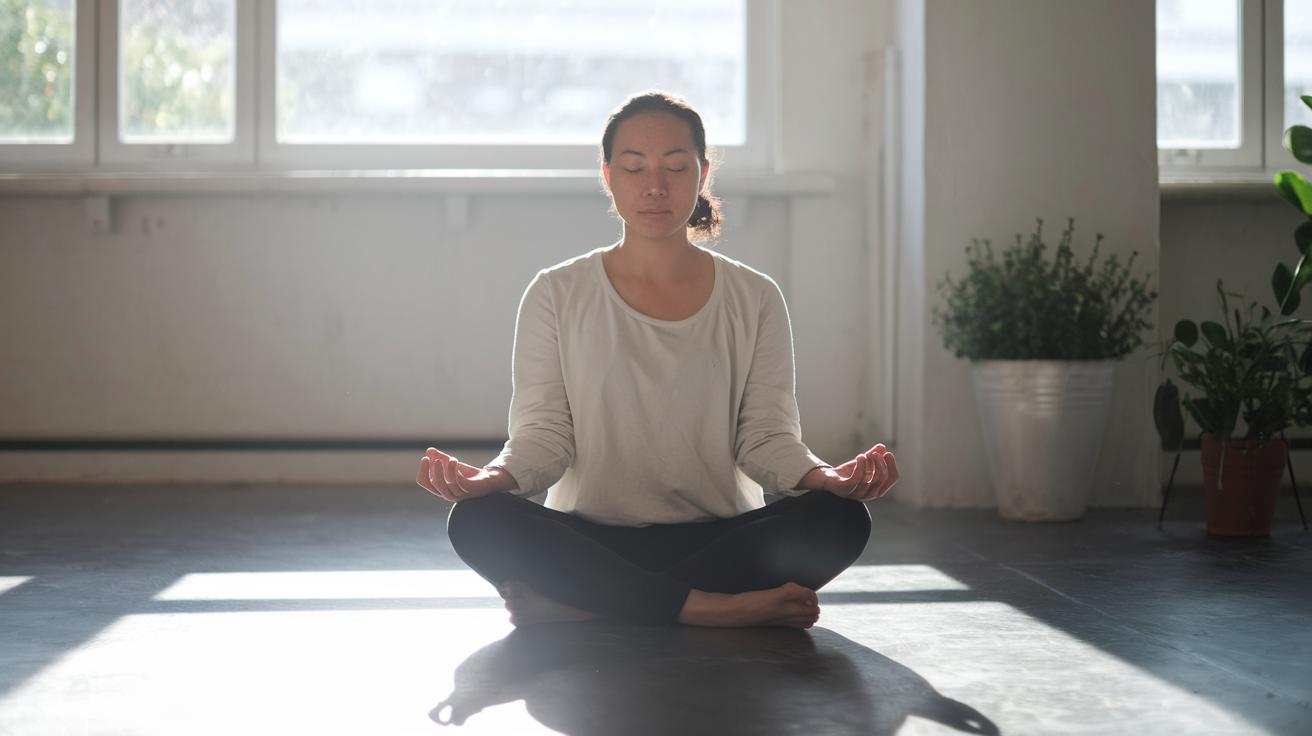
Mindfulness starts with focused attention. It’s about noticing everything in the moment. Imagine sitting quietly and paying attention to every sound or feeling, like you're hearing your favorite tune for the first time. You give your full notice to what’s happening now, and you let go of worries about the past or future.
Another important part is having an open and calm attitude. This means you watch your thoughts and feelings as they come without quickly calling them good or bad. Think of it like watching clouds float by and not getting upset when one covers the sun. This gentle acceptance helps you see things clearly and puts everyday stress in perspective.
Self-awareness is a big piece, too. It’s about noticing how you usually think and react, almost like you're watching yourself from the outside. When you practice this kind of observation, you start to understand your reactions better. This little extra inner dialogue brings more clarity and balance to your day, helping you feel more in tune with yourself.
mindfulness definition: Embrace Calm Clarity
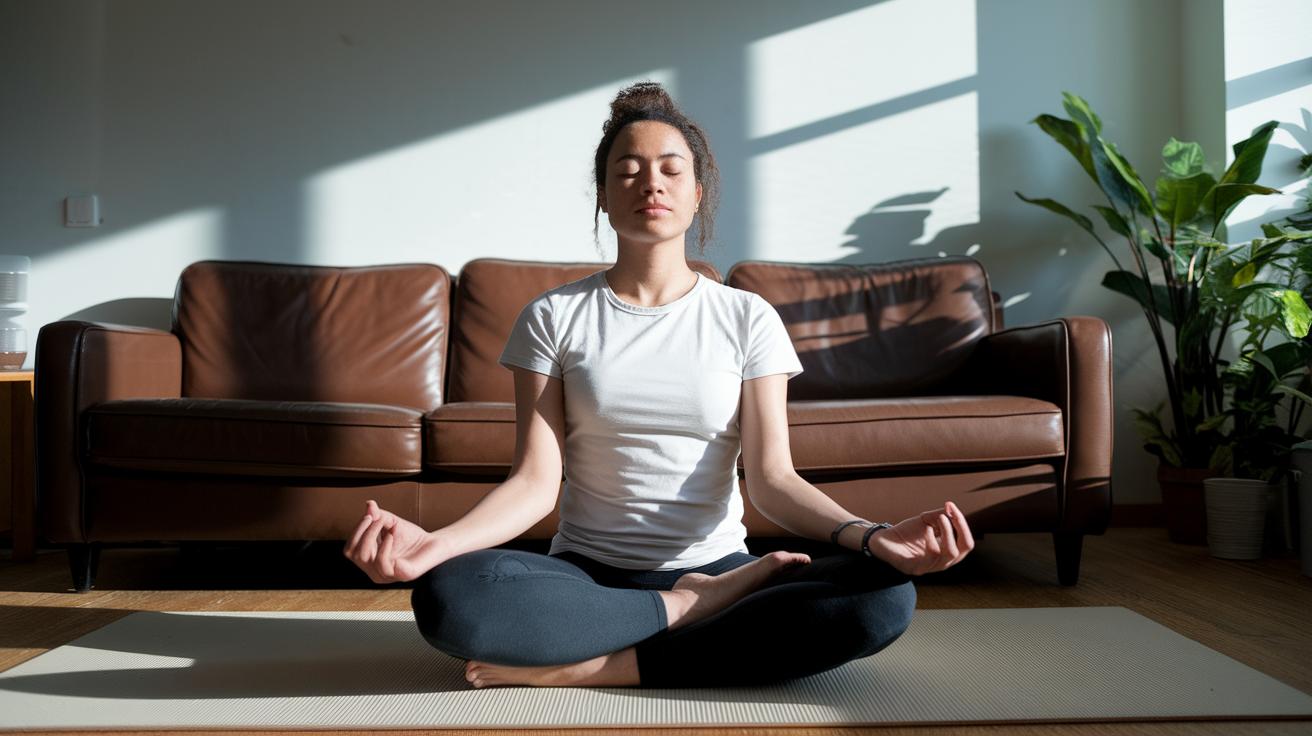
Researchers have found that mindfulness really helps reduce stress and ease anxiety. In a 2012 study, people who practiced simple exercises like focused breathing and gentle body scans reported fewer moments of feeling overwhelmed. When we spend a moment in the present without judging ourselves, our minds get a break from endless worries, leading to a calmer, more even state.
Other studies show that mindfulness boosts memory and focus. A 2017 trial revealed that even short mindfulness exercises can strengthen our working memory, which is our brain's way of holding and using information. With practice, our brains learn to filter out distractions, making it easier to concentrate on daily tasks whether we're at work or enjoying downtime.
Mindfulness also makes a big difference in therapy sessions and office meetings. Many workplaces see that mindfulness can improve focus, brighten moods, and even help leaders make clearer decisions. For example, Acceptance and Commitment Therapy uses mindfulness so people can face their feelings with kindness instead of pushing them away. All these benefits make mindfulness a useful tool for handling emotions and keeping a steady, clear mind.
Mindfulness Definition: Embrace Calm Clarity
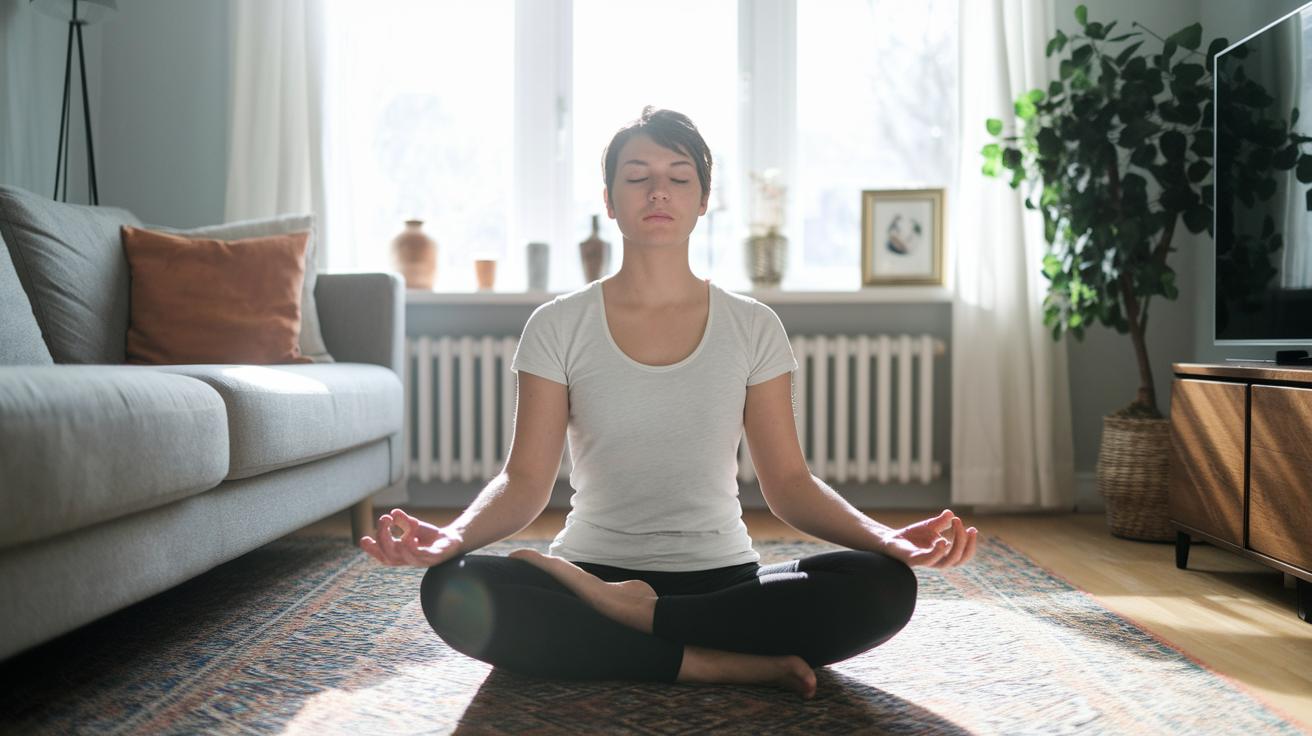
Mindfulness really comes to life when you use it in your daily routine. Instead of just thinking about being present, try simple exercises that help you feel aware and relaxed in each moment. These practices gently train your mind to settle into a calm state where you feel both alert and at ease.
- Try a body scan. Start with your toes and slowly move your attention upward, noticing any tight spots and letting them go.
- Give mindful breathing a go. Sit or lie down comfortably, and focus on the flow of your breath in and out, letting it guide your thoughts.
- Enjoy yoga as a moving meditation. Match smooth, deliberate movements with your breath to invite a sense of calm throughout your entire body.
- Mix in visualization with a body scan. Close your eyes, pay attention to the sensations, and picture your stress dissolving with every exhale.
- Start with just five minutes of breathing meditation to ease stress and boost your focus, offering a little pause in your busy day.
Adding these exercises to your everyday routine can bring mindfulness into your life naturally. Maybe start by carving out a few quiet minutes in the morning or during a work break for a body scan or some mindful breathing. Over time, these small moments can become part of your daily rhythm, whether it's a few deep breaths before a meal or a brief yoga break in the afternoon, helping you stay clear and calm no matter what comes your way.
Final Words
In the action, we uncovered what mindfulness definition truly means, being fully present and aware without judging our experience. We tied its roots to ancient Eastern teachings while highlighting its modern applications.
We also explored practical exercises like mindful breathing and body scans that help us experience focused awareness daily. Small shifts in practice can lift our mood and well-being. Every step you take supports a healthier, more balanced life.