Do you ever feel overwhelmed by stress and chaos? Try closing your eyes for a moment and taking a slow, gentle breath. Picture a warm, sunny beach or a quiet forest in your mind.
This mindful breathing combined with visualization can help ease your worries and calm your body. It’s like giving yourself a small break during a busy day.
In this post, we share simple techniques that help melt away everyday stress. With each slow, deep breath, you can invite a wave of peace into your life.
So, why not give it a try? Get ready to feel more relaxed and let a little calm spark brighten your day.
Practical Guide to Mindful Breathing with Visualization
Mindful breathing with visualization is a simple way to calm your mind and reduce stress. It uses gentle, deep breaths paired with clear mental pictures that help you feel peaceful. Picture a quiet beach, a soft forest, or even a tiny candle flickering in the dark. These mental images let you take a little break from everyday worries and relax deeply.
This method is all about letting go. Just sit, stand, or lie down comfortably and let your thoughts drift to that chosen peaceful scene. You don't need any special tools or a fancy place, just yourself and your mind. Maybe you've tried model breathing exercises before; this is a bit like those, but with a focus on visual details that spark your senses.
Here’s a simple step-by-step guide to get you started:
- Find a comfy sitting or lying position with your back straight.
- Close your eyes and take slow, gentle breaths using your diaphragm (the muscle that helps you breathe deeply).
- Pick a mental image, like a sunny beach, a calming forest, or the soft glow of a candle.
- For each inhale, add one clear sensory detail. Imagine you can hear the gentle hum of ocean waves or smell fresh pine in the forest.
- When you exhale, release any tension from a specific part of your body, like your shoulders or jaw.
- Keep repeating these steps for 5 to 10 minutes, gently returning your focus to your breath if thoughts wander.
This practice is versatile enough for any time or place, whether you're at home or taking a quick break during a busy day. You can adjust the length of time or change the image in your mind to suit what you need. In this way, mindful breathing with visualization becomes a handy tool to invite calm into your everyday life.
Core Components of Mindful Breathing and Visualization

Mindful breathing with visualization is a simple practice where you take slow, deep breaths while picturing clear images in your mind. It works like a friendly team, each part adding a bit of calm to soothe both your body and your mind. This practice helps shift your attention away from daily stress and into a peaceful space.
| Technique | Imagery Focus | Purpose |
|---|---|---|
| Color Breathing | Think of calm blues or energizing oranges | Bring balance between feeling relaxed and feeling refreshed |
| Candle Flame Meditation | Visualize a steady, gentle flame | Hold your focus and ease stress away |
| Body Scan Meditation | Imagine a light or warm sensation flowing | Guide your attention through your muscles to let tension go |
| Safe-Place Visualization | Picture a quiet garden or a peaceful mountaintop | Create a mental retreat that feels safe and calming |
When you combine these techniques, your relaxation deepens in a truly calming way. For example, slowly breathing in while picturing a soft blue hue can set the stage to unwind. Then, focusing on the gentle glow of a candle flame helps bring your thoughts into the present. Moving on to a body scan, imagine a warm wave gently flowing through your muscles and easing away any stress. Finally, envisioning a safe place gives you a mental spot where you can feel completely at ease. Together, these steps connect your breath and your senses, turning your practice into a serene, refreshing experience.
Real-World Visualization Scenarios for Breathing Practice
Even on hectic days, you can calm your mind using simple visualization techniques. Try picturing a soft swirl of warm light that gently fills your thoughts with every breath you take. For example, before a big meeting, I paused for two minutes, imagining a gentle amber glow soothing my mind, which really helped me gather my energy.
Mix your breathing with a little sensory focus by closing your eyes and picturing a cool, soothing mist moving with each breath in and out. I once found myself in a noisy room, but as I imagined a light, cool breeze easing away my stress, I quickly returned to a state of clarity.
To connect even deeper with your practice, take a moment to recall a peaceful experience from your day, a scent or a sound that made you feel calm. I remembered the light scent of rain on hot pavement during a busy afternoon, which helped me stay present and support my mindful health.
Benefits of Mindful Breathing with Visualization

Reduced Stress and Emotional Stability
When you combine slow, deep breaths with clear mental pictures, your body starts to relax. This gentle routine tells your body to drop stress hormones like cortisol and helps calm your nerves. Imagine taking a cool, steady breath while picturing a calm lake at sunrise. Each time you breathe in, you feel peace, and with every exhale, tension leaves your shoulders or jaw. Over time, this simple practice builds your inner strength and helps you stay steady during everyday challenges.
Improved Focus, Creativity, and Self-Image
Using clear mental images while you breathe deeply can sharpen your focus and spark creative ideas. Picture a scene where you see yourself reaching a goal, like finishing a project or enjoying a quiet walk in nature. This simple visualization helps you lock in on the task at hand and builds a positive view of yourself. By practicing mindful breathing with visualization regularly, you can clear your mind, boost your creativity, and feel more confident about your own abilities.
Techniques for Beginners and Advanced Practitioners
Mindful breathing with visualization works for everyone. Whether you're just starting out or you've been practicing a while, there are options that match your skill level. Beginners can use guided imagery scripts with easy prompts and clear images that help keep them on track. Short, focused sessions are great when you're learning how to stand straight and become more aware of your body.
If you're more experienced, you can try deeper techniques. Once you’re comfortable with the basics, add gentle details like noticing textures, sensing temperature shifts, or feeling subtle movements in your mind. Keeping your spine straight, whether you’re sitting, standing, or lying down, helps your body relax even more. And tracking your progress over time can show you just how much your focus and calm improve.
Beginner Tips
Begin with 3 to 5 minute sessions. Use an audio guide and imagine simple scenes like a soft sunset or a gentle stream. This easy start builds comfort as you learn to guide your breath and thoughts.
Advanced Tips
For a richer experience, slowly extend your sessions. Blend different imagery techniques by mixing clear pictures with sensory details. Notice the small improvements each time, and let your practice naturally grow deeper.
Daily Integration of Visualization Breathing
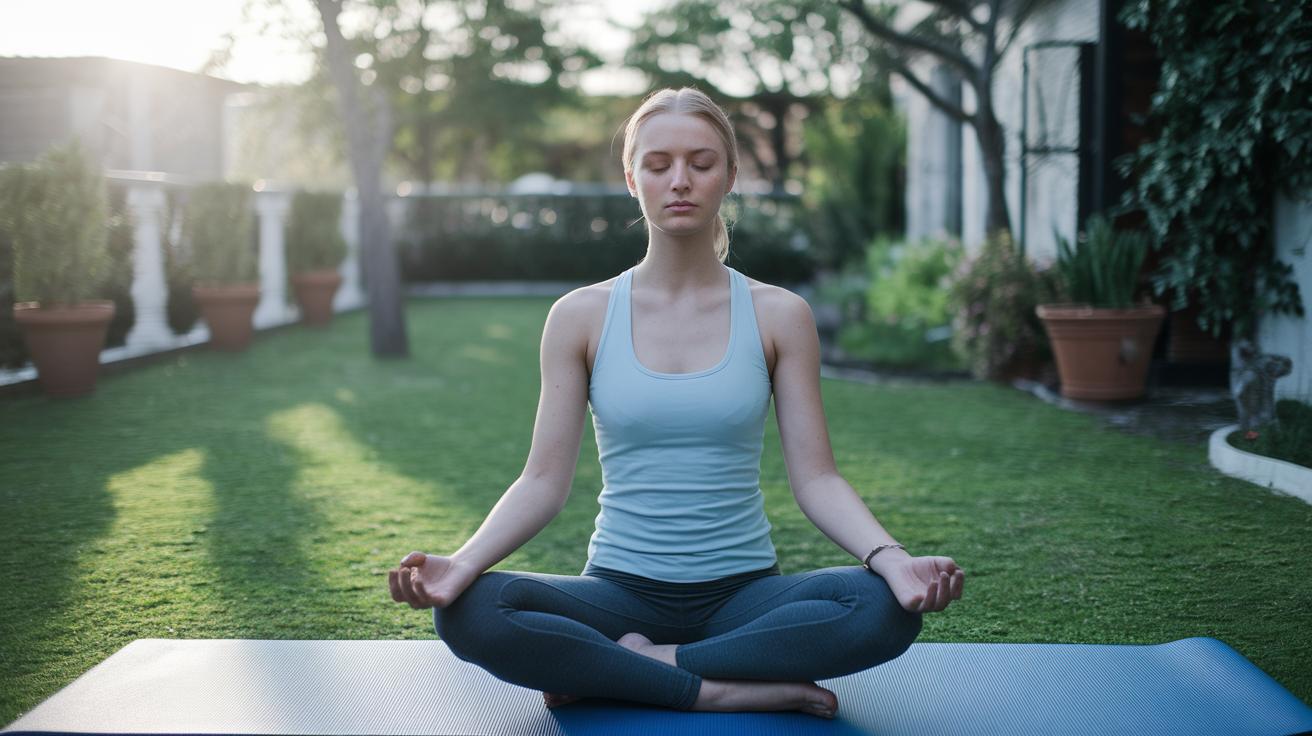
Start your morning with a calm energizer that pairs slow, mindful breaths with a clear mental picture. Picture yourself waking up and taking a minute to see a bright sunrise as you gently breathe in. This small habit lifts your mood and helps sharpen your focus, setting a peaceful tone for the busy day ahead.
At midday, give yourself a quick pause with a short visualization break. Whether you're waiting in line or at your desk, take two minutes to breathe deeply and picture a quiet garden or a serene forest. This little reset helps ease stress and lets you get back to your work feeling refreshed.
Before bed, wind down your day with a soothing visual meditation. As you lie in bed, imagine a gentle stream or a soft, flickering light that calms both your body and mind. This simple practice signals it's time to relax, easing you into a peaceful, restorative sleep.
Troubleshooting Common Challenges in Visualization Breathing
When unexpected images show up during your visualization practice, take a short pause and focus on your breathing. Instead of letting upsetting thoughts take over, gently bring your mind back to the feeling of your breath. You can try a simple grounding trick like the 5-4-3-2-1 method. Look around and name five things you see, feel four things by touch, listen for three sounds, notice two smells, and pick out one taste. This little practice helps you feel safe and connected in the moment.
Managing Distressing Emotions
Sometimes, old memories or tough emotions might pop up during your practice. When that happens, it’s okay to take a step back from those deep images. Focus on slow, steady breaths, each inhale can be a moment to gather your thoughts, and every exhale can help you let go of tension. If you still feel overwhelmed, consider talking to a trusted meditation guide or a professional. Their support can offer new ways to manage stress and help you feel more secure when things get challenging.
Final Words
In the action, this guide walked through simple deep inhalation exercises, vivid guided pictorial meditation, and easy daily practices that help mix breath with calming imagery. The steps showed how to set up a quiet space, focus on a mental image, and let go of tension.
Try mindful breathing with visualization during short breaks to ease stress and boost focus. Every little moment of calm builds a brighter, healthier day ahead.