Ever feel overwhelmed by stress that just won't let up? Try counting your breaths as you breathe mindfully. This simple trick gives your brain a break and invites in a sense of calm. With each counted breath, you bring your focus back to the present, easing tension and clearing your mind.
In this guide, we'll walk you through each easy step. Imagine a calmer, brighter day coming your way, all by taking one counted breath at a time.
Mastering Mindful Breathing with Counting: A Step-by-Step Guide
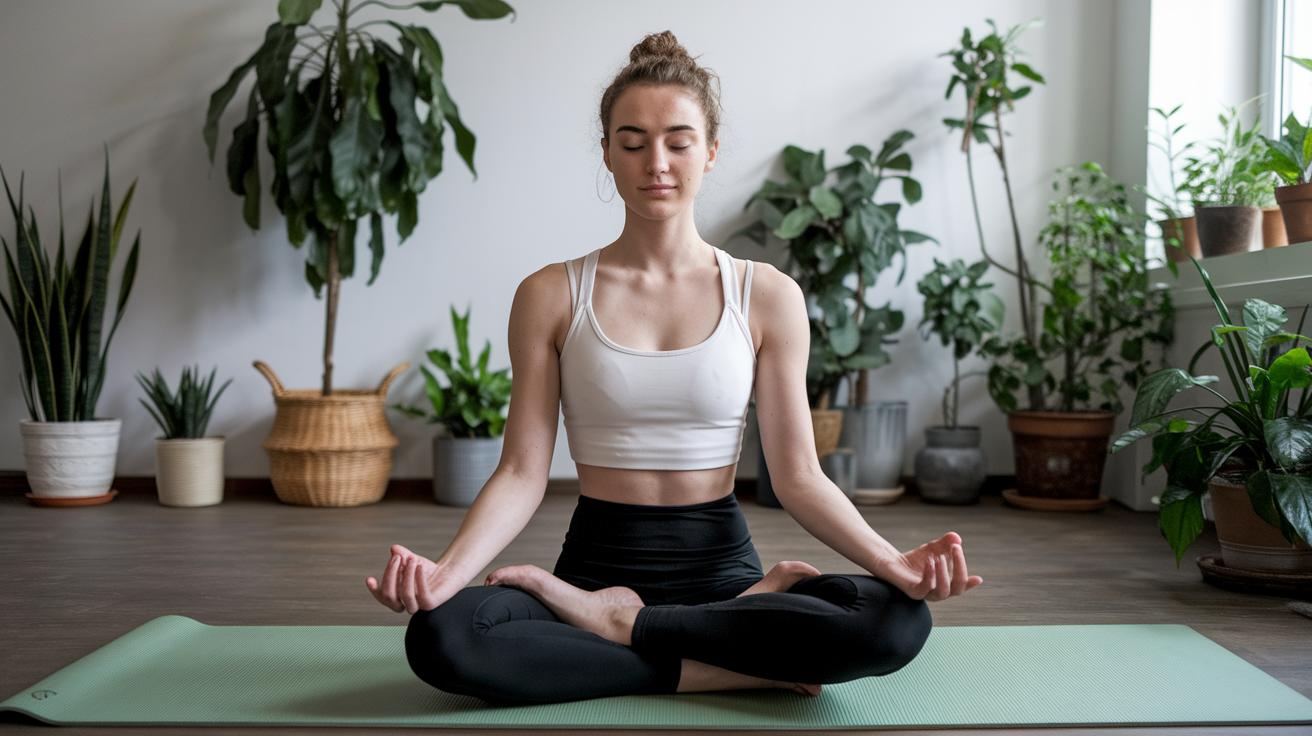
Breath meditation is a gentle way to tune into your natural rhythm. Sit or lie in a quiet, comfy spot with your back straight but relaxed. It’s like listening to soft raindrops tapping on a window, calm and simple. Imagine a moment where your breath feels as soothing as a cool breeze.
This practice is very friendly for beginners and those who already meditate. You might start with just five minutes and slowly add more time as you get used to it. The goal isn’t to control your breath but to rest your eyes on it. When your thoughts wander, just notice them and kindly bring your focus back to counting your breaths.
- Choose a quiet spot.
- Sit or lie down with a relaxed posture.
- Close your eyes and feel your breath.
- Inhale slowly and count “one.”
- Exhale and count “two.”
- If you get distracted, gently return to your counting.
Following these simple steps gives you a powerful way to build mindfulness. Over time, this counting meditation can help ease stress and clear your mind during your busy day. Enjoy the calm and clarity it brings to your life.
Key Benefits of Counting in Mindful Breathing
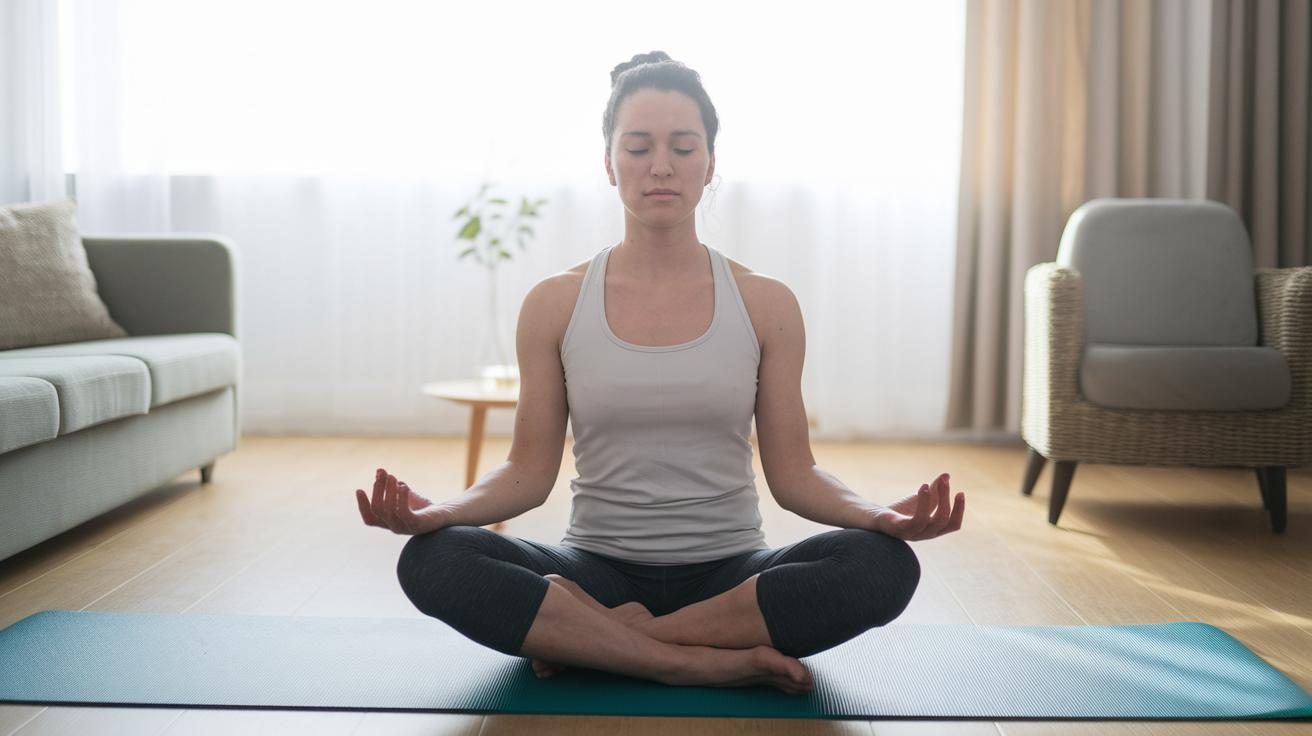
Counting your breaths can quickly ease stress and help you focus better. Every exhale becomes a little pause that brings your thoughts back to the moment.
- It eases anxiety
- It sharpens your focus
- It quiets distracting thoughts
- It lifts your mood
- It builds mental strength
Even just an 8-minute session can bright your mood and calm your busy mind. Whether you try this at the start of your day, during a midday break, or when you wind down at night, a few counted breaths can turn a simple moment into a powerful tool for mental well-being.
Structured Counting Variations for Mindful Breathing
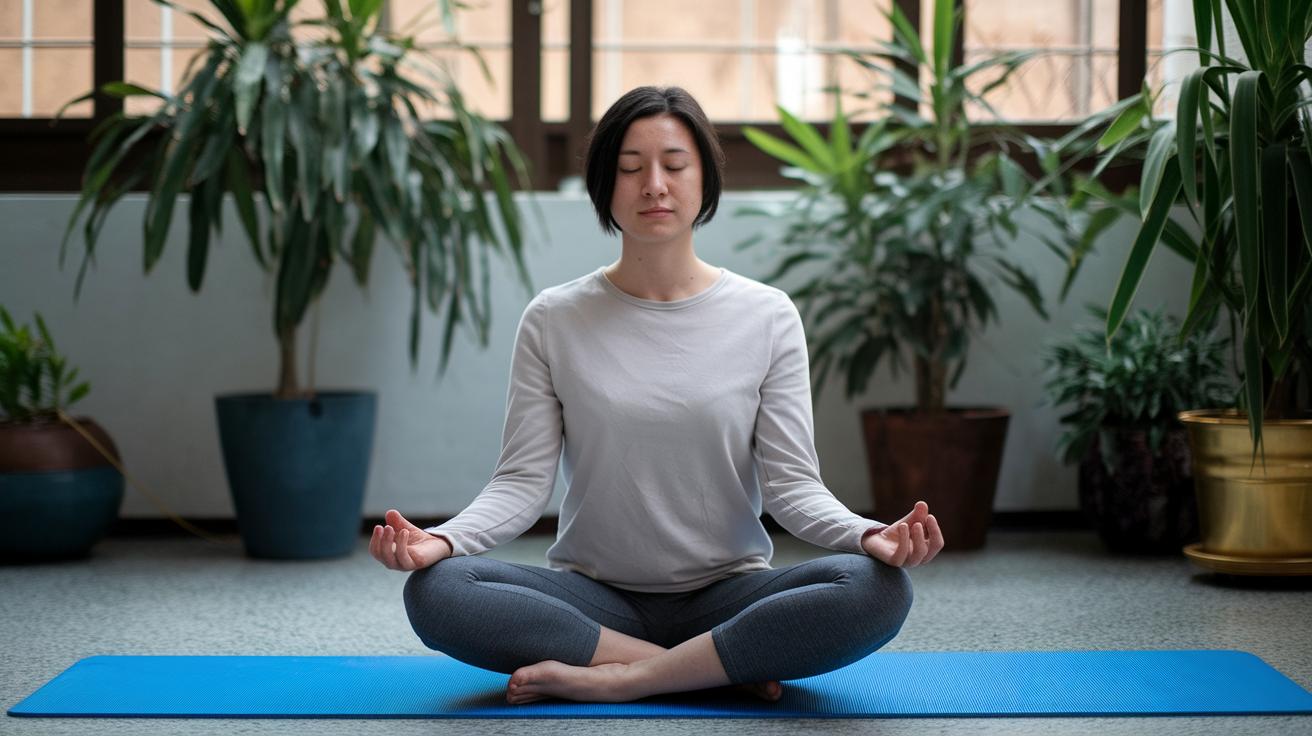
Different counting methods add a fresh twist to your breathing practice. Changing your count keeps your mind curious and makes each session feel both pleasant and new.
4–7–8 Breath Count
With the 4–7–8 method, you breathe in slowly through your nose for four seconds, hold your breath for seven, and then exhale through your mouth for eight. This steady rhythm helps your body relax and calms your heart. Over time, you might find that stress becomes easier to manage. It's like giving your mind and body a gentle, soothing reset.
Progressive Exhale Count
Try counting differently on your exhale. Start by counting four as you breathe out, then slowly add extra counts until you reach eight or more. This little change helps you focus on each breath and notice the feeling of releasing tension. Each number is a small pause, a moment to enjoy letting go and finding clarity.
Session Duration Options
You can tailor your breathing routine to fit your day. A beginner might start with a simple 5-minute session, teens might enjoy an 8-minute guided cycle, and those more seasoned in the practice could try a 12-minute session. This lets you choose a practice that matches your mood and how much time you have.
Choose the method that feels right for you and don't be afraid to mix things up as you go along. Enjoy the journey to a calmer, more relaxed you!
Focus-Building Tips for Mindful Breath Counting Practice
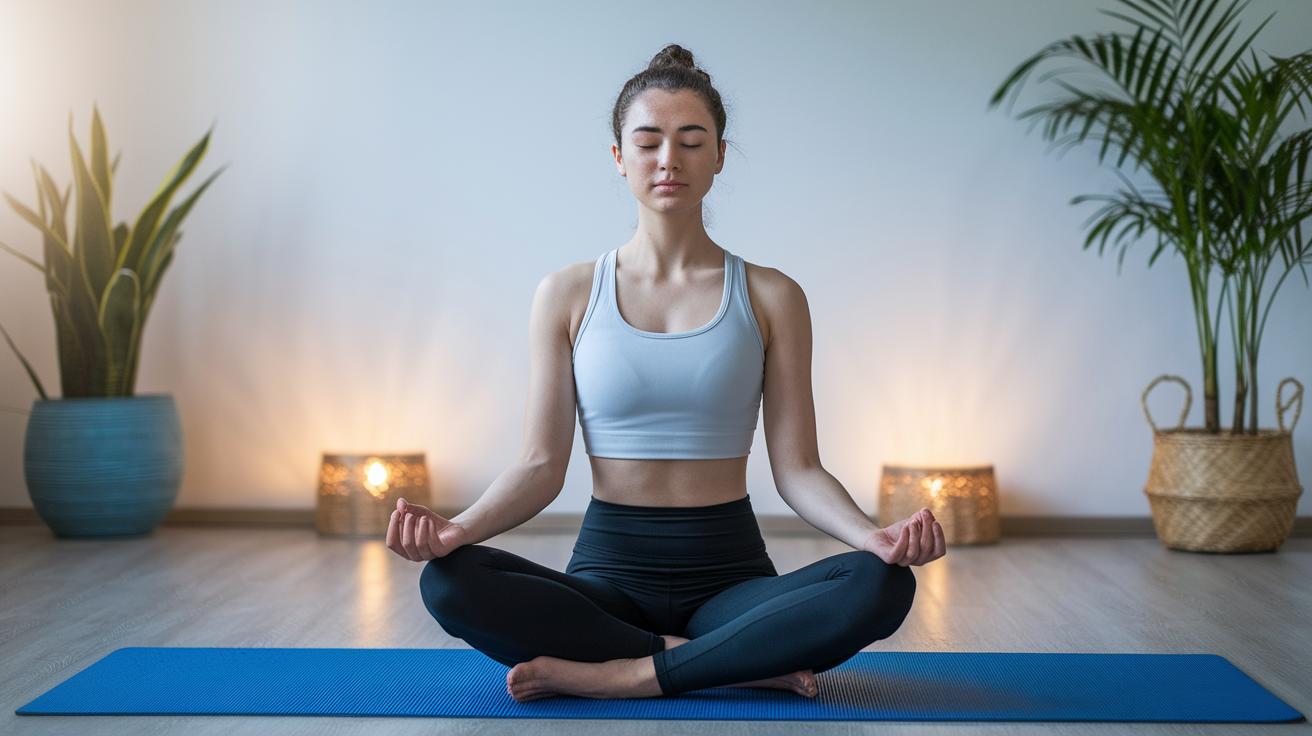
When you're starting out, it's normal for your thoughts to wander while counting your breaths. You might find your mind drifting away from the count, and that's okay. Just notice when it happens and gently guide your focus back to your breathing. Over time, practicing like this can help you keep your rhythm and build a steady habit.
- Set aside a specific time each day for your practice.
- Use a timer or a sound reminder to help keep your count steady.
- Begin with short sessions and slowly increase the time.
- When distracting thoughts pop up, simply name them and return to counting.
- Keep a simple journal to track how you're doing.
These tips create a calm space for mindful breathing. A regular schedule helps you spot distractions as soon as they appear, and reminders make it easier to stay on course. Starting small and gradually extending your sessions builds both your focus and your strength. Over time, you'll notice that little improvements add up, making you feel more in control of your thoughts.
Integrating Mindful Breathing with Counting into Daily Life
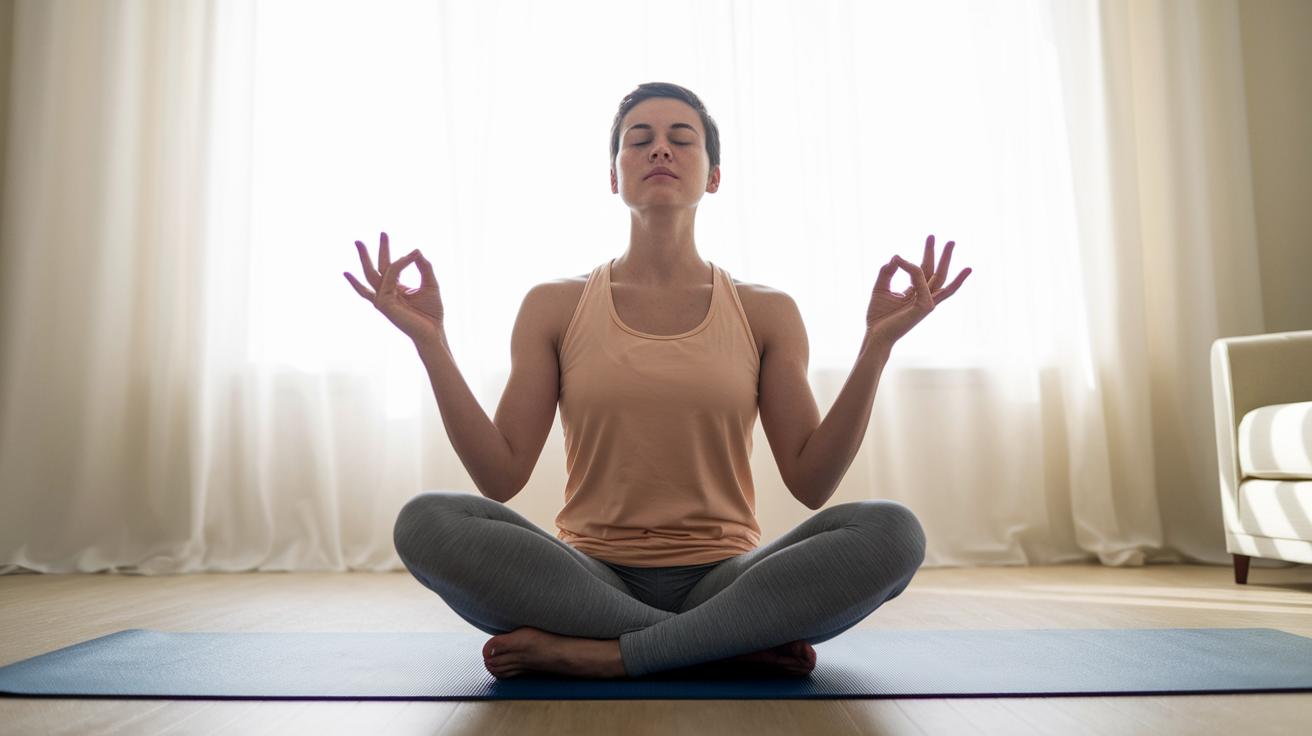
Making count-based breath control a part of your day is simpler than it may seem. It’s a practical way to blend a little meditation with counting, inviting calm into your busy life. All you need is a quiet moment to really listen to your breath, and suddenly, you have a mini-break that refreshes both your mind and body.
You might try it like this:
- A short mindful session right after you wake.
- A peaceful pause during or after lunch.
- A few focused breaths before an important meeting.
- A gentle count before bedtime to help set the stage for sleep.
Remember, noticing little victories, like feeling more centered during a hectic meeting, can motivate you to keep going. Maybe jot down a quick note in a journal or simply appreciate these moments in your mind. Over time, this practice can build a steady habit of mental clarity, making your day feel a bit more balanced and calm.
mindful breathing with counting technique: Calm Your Mind
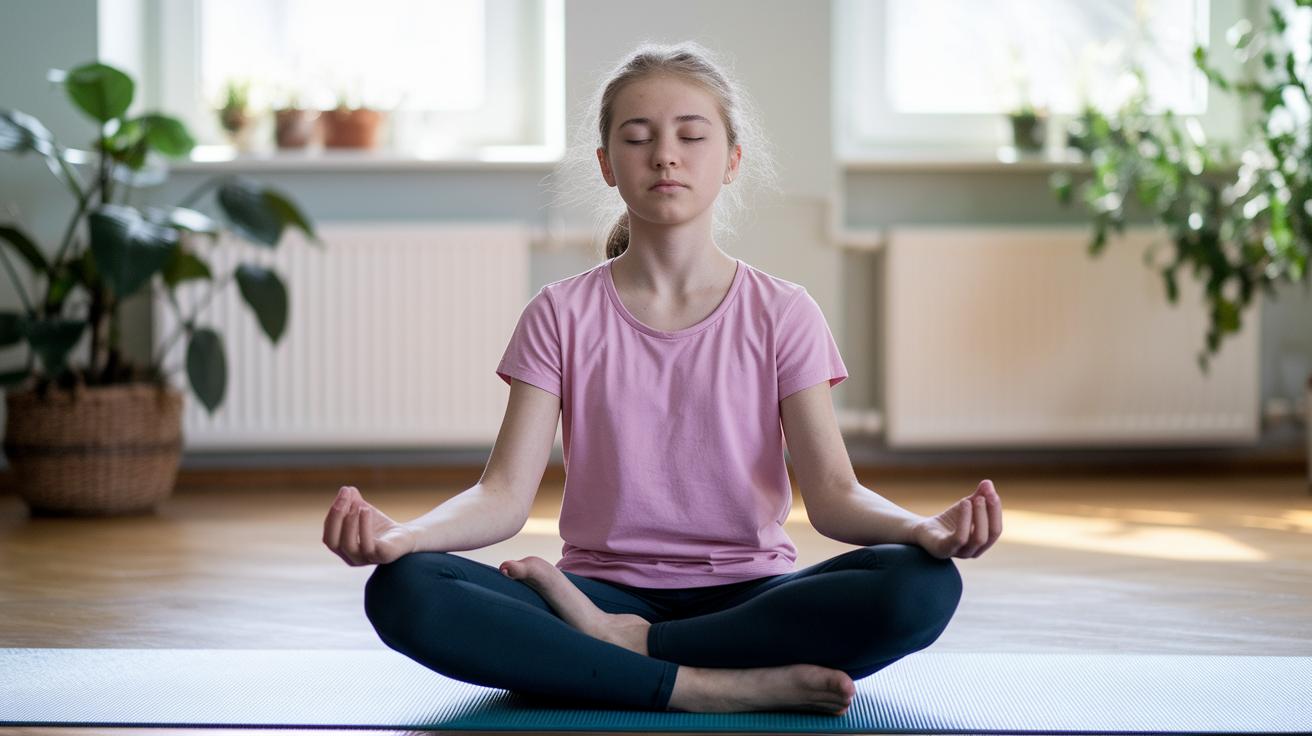
Sample scripts and resources give you clear, friendly steps to start a mindful breathing practice using counting. There's an eight-minute script made for teens that uses easy, chatty language and group prompts based on research from the Center for Healthy Minds. It’s designed to make mindful breathing feel fun and relatable so that tweens and teens can relax and focus simply by counting. If you're more experienced, try the 12-minute session that lengthens the count cycles for an even deeper sense of calm.
There are plenty of helpful tools to go with these scripts. You can use audio tracks to guide your session, take mini-courses that explain each step, join workshops where you practice with a group, use affirmation cards as little reminders of your progress, and try guided challenges to make regular practice a habit. These aids are here to match different skill levels and busy lifestyles.
| Duration | Audience | Key Features |
|---|---|---|
| 5-minute | Beginners | Simple count to build mindfulness |
| 8-minute | Adolescents | Easy language with group prompts |
| 12-minute | Advanced Practitioners | Longer count cycles for deeper relaxation |
You might want to explore audio guides and training workshops to help strengthen your practice and bring a steady calm to your everyday life.
Final Words
In the action, this guide showed clear steps for setting up a quiet space, adopting a relaxed posture, and using counting to bring clarity and calm. It covered basic breath-awareness, practical focus tips, and simple ways to weave these practices into your routine.
Your practice can blossom with mindful breathing with counting technique. Small daily sessions can ease stress and boost concentration, letting your wellness shine every day.