Do you sometimes feel overwhelmed by stress? Taking a few deep, mindful breaths can really help turn that chaos into calm. Imagine starting your morning with slow, gentle inhales that tell your body and mind to relax and reset. This simple technique can easily fit into your busy day, giving you little moments of peace that add up over time. Try out these mindful breathing tips and see if they help you find the calm you need amidst everyday demands.
Essential Techniques for Daily Mindful Breathing
When you practice mindful breathing, you're giving yourself a simple, natural way to ease tension and clear your mind. It's like a little reset you can tap into, maybe when you're groggy in the morning or need a quick break at work. A few deep, thoughtful breaths tell your body it's time to relax and get ready for what's next.
Making time for these breathing moments can really change your day. Imagine starting your morning with 10 slow breaths, taking a brief pause mid-day for another round, or ending your evening with 10 more. These small pockets of calm build up over time, easing stress and boosting clear thought.
- Morning Deep Breaths: Begin your day with 10 calming deep breaths to wake up both body and mind.
- Quick Calm Routine: Take a 5- to 10-minute break during your day to let out built-up tension.
- Evening Reset: Wind down with a series of mindful breaths to clear your head and invite a peaceful sleep.
As you get comfortable with these simple exercises, you might find yourself ready to try more focused techniques. These methods add extra layers of calm and help you connect even deeper with the natural rhythm of your breath.
4-7-8 Breathing
In this method, you breathe in for 4 seconds, hold for 7, and exhale for 8. It comes from yoga and is a favorite for easing anxiety and improving sleep. Following this gentle rhythm can slow your heart rate and soothe your mind, especially in the evening when you're preparing for a good night’s rest.
Diaphragmatic Breathing
This technique is all about filling your lungs completely by using your diaphragm. Sit or lie down comfortably and put one hand on your belly. Then, take a deep breath so that your hand rises as your stomach fills with air. Exhale slowly and let your hand drop. This simple method boosts oxygen flow and works great whether it's early morning or you’re winding down at night.
Box Breathing
Box breathing divides your breath into four even parts: breathe in, hold, breathe out, then hold again, each for the same count. This steady pattern calms your mind and helps steady your nerves. Start with a count of four for each step and, as you get more relaxed with it, feel free to adjust the count to match your natural pace.
Pursed-Lip Breathing
With pursed-lip breathing, you take a gentle inhale through your nose and then slowly exhale with slightly pursed lips. This method lengthens your exhale, helping to ease tension and bring a sense of calm. It's a handy trick to try when you feel overwhelmed, helping you slow down and recentre your thoughts during a hectic day.
Benefits of Mindful Breathing for Stress Relief and Vitality
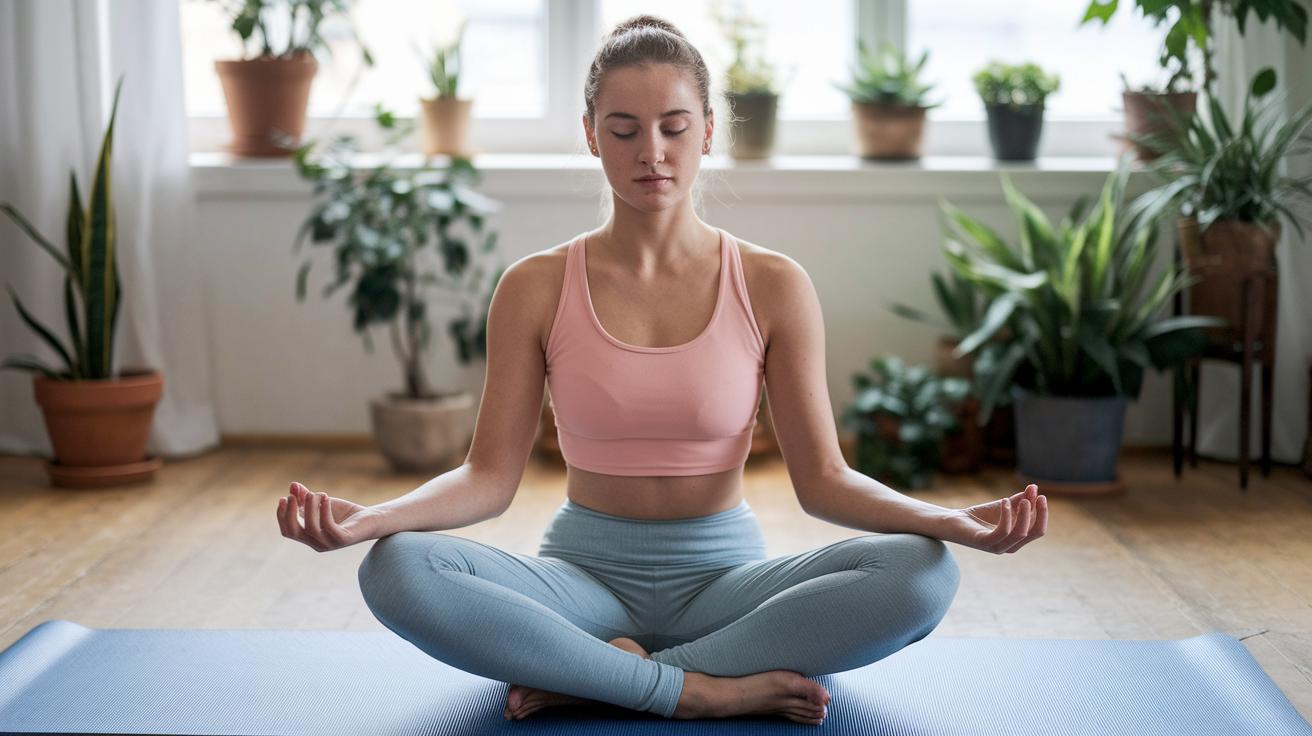
Mindful breathing is a gentle way to ease stress. When you focus on each natural breath, you encourage your body to relax. This simple practice helps your body lower heart rate and blood pressure by turning on its natural calming system. It soothes tight muscles and quiets those nagging negative thoughts that often make your day harder.
Regular mindful breathing can also help reduce pain from headaches, back pain, or muscle aches. It even supports your heart by improving the rhythm and making it easier to handle daily challenges. Taking a few moments just to breathe can bring a peaceful calm, clear you mentally, and balance your emotions, a straightforward tip to boost your overall energy and well-being.
| Benefit | Physiological Effect | Recommended Duration |
|---|---|---|
| Stress Reduction | Helps your body lower heart rate and blood pressure | 5-10 minutes |
| Anxiety Relief | Calms negative thoughts and balances your emotions | 5-10 minutes |
| Pain Management | Reduces discomfort from headaches and back pain | As needed |
| Heart Health | Improves heart rate variability for a steadier rhythm | Multiple sessions weekly |
Integrating Mindful Breathing into Daily Life
Many times, a few deep breaths during your busy day can feel like a little refresh for your body and mind. Imagine sitting with your morning coffee or hearing your phone ping, nudging you to take a moment. These small pauses help weave mindfulness into your routine and spread a gentle calm from your center outwards.
Picture catching your breath during your commute or between meetings. Simple techniques like Triangle Breathing or Anchor Breathing can help steady your nerves and clear your mind. And when bedtime rolls around, slow and steady breaths tell your body it’s time to unwind, setting the stage for a restful sleep.
Supplemental Resources to Enhance Your Mindful Breathing Practice
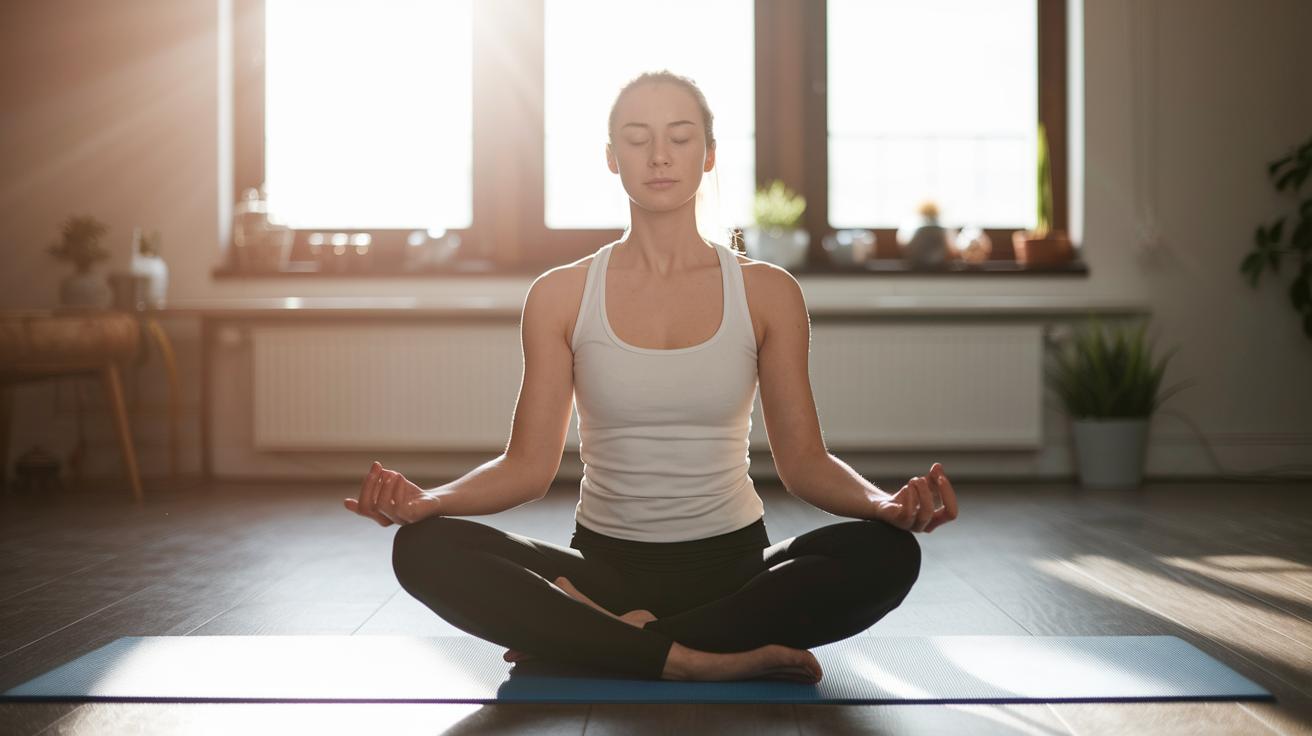
Supplemental tools boost your mindful breathing practice by offering new ways to explore guided instruction and find fresh inspiration. They help you see the benefits of mindful breathing and let you try different methods that match your mood and schedule. When you need a little extra support, these resources are there to guide you step by step.
Thich Nhat Hanh Daily Script
This daily script takes about five to ten minutes and fits well into both your morning and evening routines. Adapted from Thich Nhat Hanh’s insights, it gently leads you through mindful breathing to set a calm start or a peaceful end to your day.
Positive Psychology Toolkit
The Positive Psychology Toolkit is packed with over 500 science-based breathing exercises. It gives you the freedom to pick routines that match your current mood or stress level and lets you switch techniques as your needs change throughout the day.
Top Video Guides
These video guides come with clear audio and easy-to-follow on-screen cues so you can stay in sync with the practice. They are perfect for those who learn best by watching and offer several ways to dive into mindful breathing techniques.
Final Words
in the action, we covered simple, effective breathing exercises that fit easily into any day. We broke down four core methods, from 4-7-8 to pursed-lip breathing, showing you how to use these sums in different moments, from early morning to winding down at night.
We also touched on the supporting science and extra tools available to enhance your practice. Every small step counts, and incorporating mindful breathing techniques for daily routine can boost your overall well-being.
FAQ
What do mindful breathing techniques for daily routines for anxiety, adults, and home settings involve?
The mindful breathing techniques for daily routines involve focusing on the natural rhythm of your breath. This practice is effective for easing anxiety and is easily done at home by adults.
How do breathing exercises help the lungs?
The breathing exercises to help the lungs work by promoting deep, controlled breaths that improve lung capacity and oxygen flow, making it easier for your body to function smoothly.
What breathing exercises are suitable for beginners?
The breathing exercises for beginners introduce simple techniques like slow, deep breathing and methods such as 4-7-8 to help build confidence and improve overall breath awareness.
How do breathing exercises for stress and anxiety attacks work?
The breathing exercises for stress and anxiety attacks focus on slow, mindful breath patterns. These methods calm the heart rate and soothe the mind during stressful moments.
What is 4-7-8 breathing used daily for?
The 4-7-8 breathing daily method means inhaling for 4 seconds, holding for 7 seconds, and exhaling for 8 seconds. This technique helps relax the nerves and promote a state of calm before sleep.
How can someone start daily breathwork?
The approach to daily breathwork involves scheduling short sessions such as 10 deep breaths in the morning and before bed along with quick sessions during the day to reduce stress and maintain calmness.
What are some examples of mindfulness breathing techniques?
The mindfulness breathing techniques include methods like 4-7-8, diaphragmatic, box, and pursed-lip breathing. Each method emphasizes slow, controlled breaths to improve mental clarity and relaxation.
Is it okay to practice breathwork every day?
The question of practicing breathwork every day is answered by noting that daily breathwork supports relaxation, reduces stress, and helps maintain steady energy levels, making it a beneficial habit.