Ever feel like daily stress is just too much and wonder if your breath might be the secret to feeling calm? Think about it: focusing on your natural breath, watching each slow inhale and gentle exhale, is a lot like enjoying the tickle of waves on a quiet beach. Research tells us that this simple practice can help ease worry, clear away negative thoughts, and even boost your mood. In this post, we dive into how tuning into your breath can sharpen your focus and bring a deep, lasting feeling of peace, even on the busiest days.
Understanding Mindful Breathing Meditation Fundamentals
Mindful breathing meditation is all about focusing on your natural breath. Every inhale and exhale reminds you to live in the moment. This gentle focus helps slow your heart rate and relax your muscles, giving you a simple way to feel calm and clear.
Studies have found that this type of meditation can ease anxiety, cut down on negative thoughts, and lift your mood. Some research even shows it might help with chronic pain like fibromyalgia, migraines, and back pain. Imagine sitting quietly while your breath flows smoothly, almost like the gentle trickle of a stream. Watching your breath without any judgment sets the stage for better mental wellbeing.
What makes mindful breathing meditation so friendly is its ease. You don't need fancy mantras or complex visual images to get started. Just pay attention to the air going in and out and let any extra thoughts drift away like a few passing clouds. Over time, a regular practice can boost your inner balance and help keep your mind clear and strong.
By coming back to your breath again and again, you slowly train both your body and mind to stay calm and alert. It builds a quiet kind of confidence that can make life feel a lot more peaceful.
Step-by-Step Mindful Breathing Meditation Technique
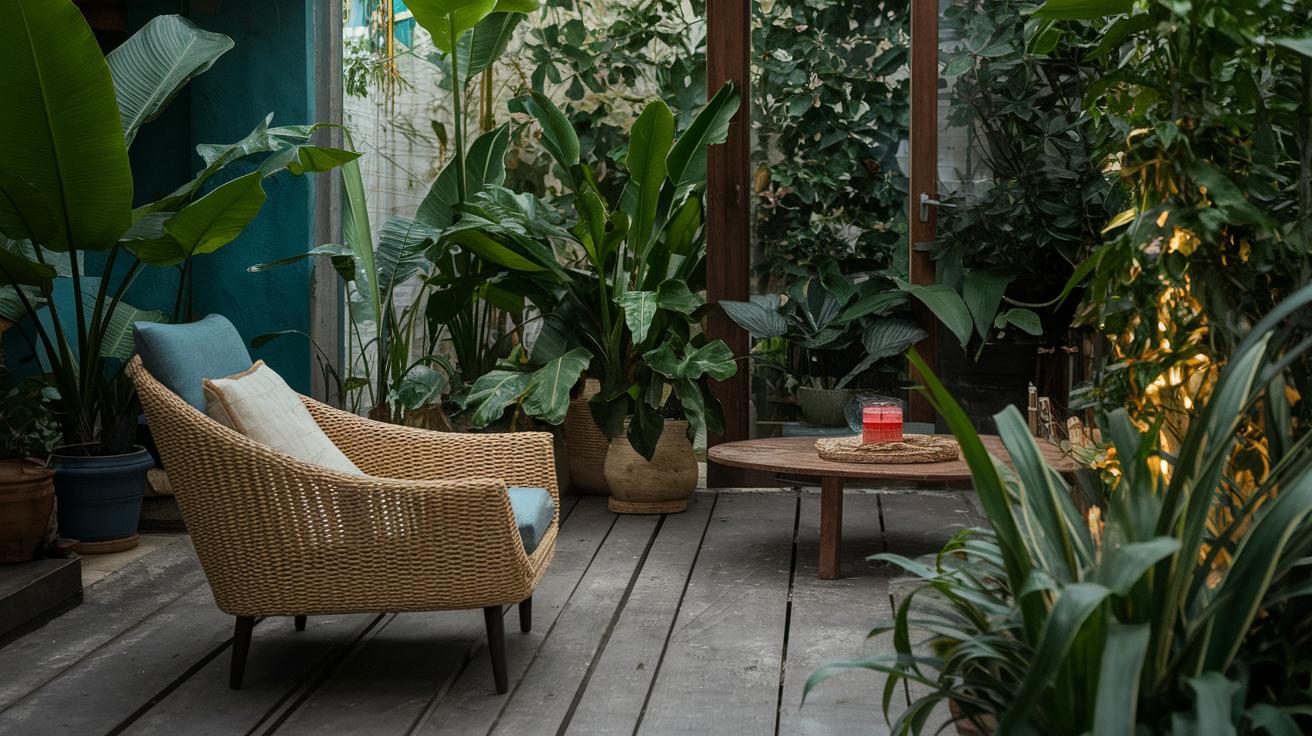
Find a quiet spot where you can sit without interruptions. It could be a small peaceful room or a cozy corner that feels like your own little retreat.
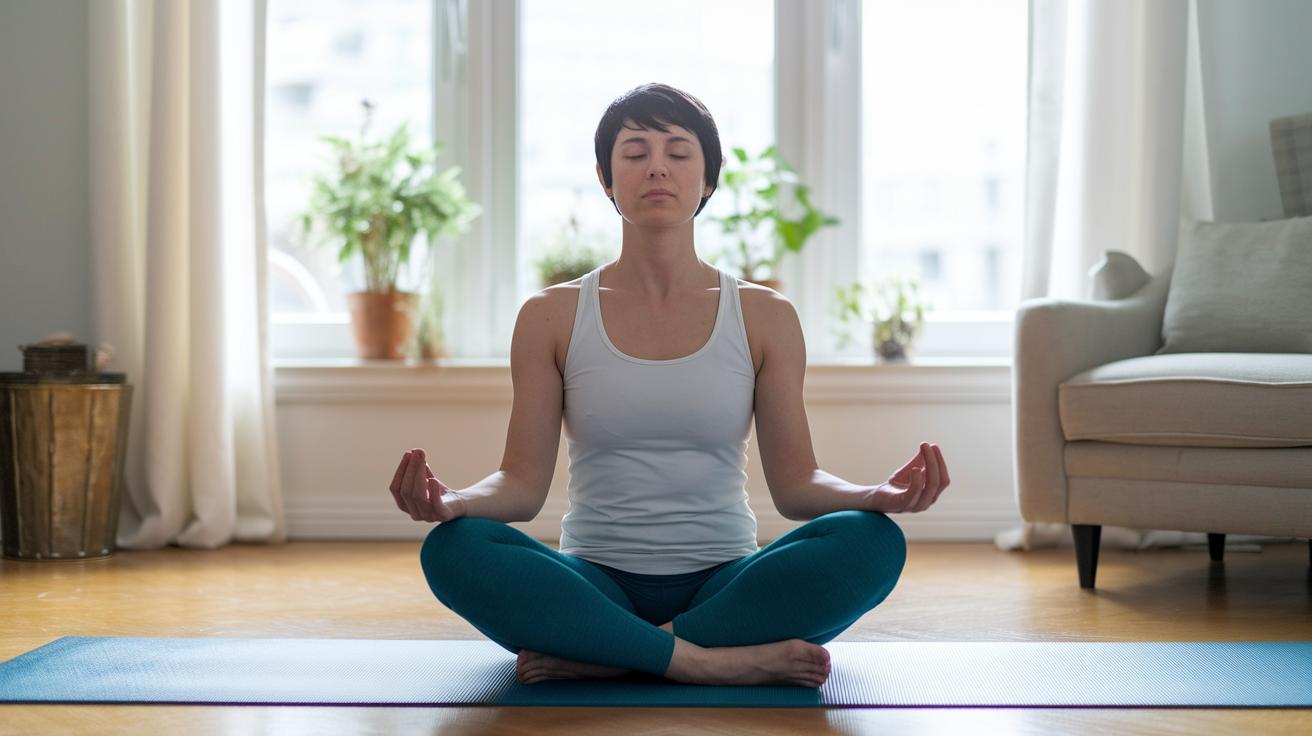
Sit comfortably with your back straight but relaxed. Imagine you're settling into your favorite chair that gives you a sense of ease and calm.
Gently close your eyes to signal your mind that it's time to slow down. Picture a soft darkness that invites you to focus on the calm inside.
Pay attention to your breathing as it flows naturally in and out. See your chest rising and falling gently, like soft waves on a calm sea. Think of it as watching a slow, steady tide.
When thoughts wander in, simply notice them like drifting clouds and then bring your focus back to your breathing. It’s like steering a small boat back to still waters when a gentle current meanders off course.
Start with a short practice, maybe around five minutes, and slowly build up as you feel more comfortable. You can also try the 4-7-8 method: breathe in for four seconds, hold for seven seconds, and gently exhale for eight seconds. Feel the deep calm that comes with each round.
End your session with a quiet moment of gratitude. Sit and appreciate the sense of peace you've created for yourself.
mindful breathing meditation: Calm clarity for stress relief
4–7–8 Breath Technique
Breathe in slowly for four seconds, hold your breath for seven seconds, and then exhale for eight seconds. This simple routine tells your body to relax and can even help if you have trouble sleeping. Imagine sitting quietly, breathing gently, and feeling your tension ease away with each complete breath cycle.
Counting Breath Technique
Start by counting each time you breathe out, beginning with four counts. As you get used to it, try increasing the number slowly. This friendly exercise helps you keep your focus while deepening your breath. Think of it like a soft reminder to stay present in whatever you are doing.
Triangle Breathing
Triangle breathing means you breathe in, pause, and breathe out all for the same count, say, four seconds for each step. This steady, balanced pattern is great for calming your nerves even when life feels busy. Picture using this method during a hectic moment to quickly bring back your balance and clarity.
Anchor Breathing
In anchor breathing, pay close attention to the feeling of the air at your nostrils or the gentle rise and fall of your belly. Focusing on these sensations helps you stay fully in the present moment, which is very useful if you are just starting to practice mindful breathing. This method is a dependable way to ease anxiety and invite calm into your day.
Set aside six minutes to follow a guided practice with visual cues. This brief time can help you weave these breathing techniques into your daily routine, letting you feel more centered and at ease over time.
Overcoming Common Challenges in Breath-Focused Meditation
Sometimes your mind starts to wander when you try to focus on each gentle inhale and exhale. When a distraction pops up, just give it a simple name like "thought" or "feeling." Picture yourself saying, "There goes a drifting thought," and then gently return your focus to your breath.
At first, you might feel a bit restless or even sleepy. If you get fidgety, take a moment to adjust your seating, much like you would reposition in your favorite comfy chair. And if you feel drowsy, it might help to keep your sessions short at the start. You can also try using a guided audio to keep your mind engaged.
Sometimes your body might feel uncomfortable too. In those moments, relax your muscles and keep your back straight yet relaxed, adjust your seat just like changing a scarf on a cooler day.
- Gently name distractions as they appear.
- Change your posture if you feel restless.
- Begin with shorter sessions and gradually build up.
- Try a guided audio to help keep your focus.
Integrating Mindful Breathing Meditation into Daily Life
Begin with just a few minutes of mindful breathing every day. Try setting aside five to ten minutes in the morning or during a break at work. Picture yourself pausing quietly while you sip your coffee. This little habit can help you feel calmer throughout the day.
You can also practice mindful breathing during unexpected moments. Next time you’re waiting in line or riding on your commute, focus on your breathing. And before you go to sleep, consider the 4-7-8 method to help quiet your mind. Imagine unwinding after a busy day; a few slow, deep breaths can lower your heart rate and restore balance.
Another idea is to bring mindfulness into daily tasks. While washing dishes or taking a walk, pay attention to each step and every feeling of your breath. Little pauses like these can improve your focus and help you deal with stress. Research even shows that regular mindful breathing can make it easier to manage your feelings and keep a clear mind.
So remember, just a few minutes of focused breathing can turn ordinary moments into little oases of calm.
Final Words
In the action of practicing mindful breathing meditation, you now grasp its simple foundation and benefits. We broke down a clear routine with easy steps and calming techniques like the 4–7–8 breath to ease tension. You learned how to manage small distractions and fit this practice into daily moments. Every mindful breath helps calm the mind and soothe the body. Keep integrating these simple practices, and feel the positive shift with each breath.
FAQ
What is mindful breathing meditation?
Mindful breathing meditation means focusing on the natural rhythm of your breath to anchor your attention to the present moment, promoting calm and improved awareness.
What are the benefits of mindful breathing meditation?
Mindful breathing meditation benefits your body and mind by reducing anxiety, lowering heart rate, easing chronic pain, and lifting your mood through deep relaxation.
How do breathing meditation techniques work for beginners?
Breathing meditation techniques for beginners guide you to sit quietly, relax your body, and simply observe your breath, making practice easy and accessible without needing complex steps.
What is the 4-7-8 breathing method?
The 4-7-8 breathing method works by inhaling for 4 seconds, holding for 7 seconds, and exhaling for 8 seconds to help activate relaxation and improve sleep quality.
What is the 4-4-4-4 breathing technique?
The 4-4-4-4 breathing technique, also known as triangle breathing, involves inhaling, holding, exhaling, and pausing each for equal counts, which fosters a balanced and calming state.
How does mindful breathing meditation differ from mindfulness breathing?
Mindful breathing meditation centers on using the breath as an anchor for overall awareness, while mindfulness breathing specifically brings attention to the physical sensations of each breath to counter stress.
Are there mindful breathing meditation scripts or PDFs available?
Mindful breathing meditation scripts and PDFs provide step-by-step guides to help you practice at home, offering clear instructions for establishing a controlled and soothing breath routine.
Can breathing meditation help manage anxiety?
Breathing meditation for anxiety uses deliberate, deep breathing methods to soothe the nervous system and reduce anxious thoughts, creating a sense of calm during stressful moments.
How is breathing meditation practiced in Buddhism?
Breathing meditation in Buddhism focuses on carefully watching your breath as a way to cultivate mindfulness, deepen concentration, and enhance a peaceful awareness of the present.