Ever wondered if one deep, calm breath could ease your pain? When you take a mindful breath, you join your mind and body in a gentle, soothing way that helps muscles relax and stress fade away.
Think of it like this: your body sends out stress signals, and when you breathe in slowly, oxygen fills your system. That extra oxygen can make discomfort feel a bit less heavy, just like a gentle break on a busy day.
In this post, we'll show you how a few simple breathing exercises can bring real relief when pain hits. It all starts with one steady, relaxed breath that brings you closer to feeling better.
mindful breathing for pain management sparks soothing relief
When you take a slow, deep breath, you create a strong bond between your body and your mind. With mindful breathing, you ease both muscle tension and stress, which can make pain seem less intense. Picture your belly gently rising like a soft balloon with each deep breath, soothing away tightness.
These easy techniques work by tapping into your body’s own ways to fight pain. Focusing on each breath tells your brain to calm down, lowering stress hormones and letting more oxygen flow through. It’s like pressing a pause button on discomfort.
Mindful breathing can be a huge help whether you’re healing from an injury, managing a chronic condition, or recovering after surgery. Taking a few moments for these gentle exercises can ease tension and help you feel more relaxed, one breath at a time.
This method doesn’t cover up pain by distraction. Instead, it helps reduce the body’s stress and improve blood flow. So, when pain starts to creep up again, try focusing on slow, steady breaths and notice how the calming effect gradually sets in.
Essential Mindful Breathing Techniques for Pain Management
Diaphragmatic Breathing
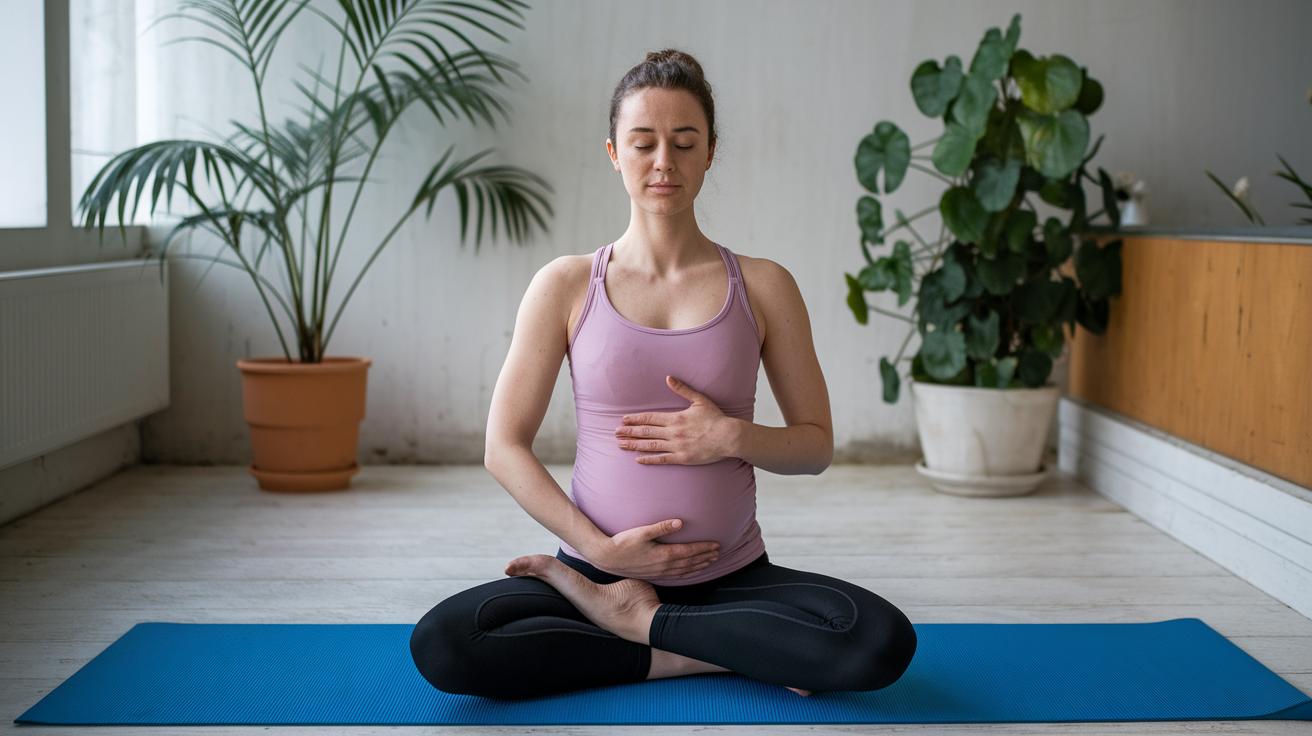
This simple technique, often called belly breathing, is all about letting your tummy fill with air. Sit comfortably with a straight back and relaxed shoulders. Place one hand on your stomach and the other on your chest. Breathe in slowly so your belly rises, then exhale gently. Try doing this for about five minutes. It helps ease muscle tension and makes each breath feel deep and soothing.
4-7-8 Breathing
The 4-7-8 method sets a gentle rhythm to your breathing. Inhale slowly through your nose for 4 seconds, hold your breath for 7 seconds, and then exhale softly through your mouth for 8 seconds. Focusing on these counts can help break the cycle of pain and worry, calming your nerves as you go.
Box Breathing
Box breathing is a neat, rhythmic technique to help manage stress. First, breathe in for 4 seconds, hold for 4 seconds, exhale for 4 seconds, and finally pause for 4 seconds before starting over. This steady pattern can be a quick and easy way to ease sudden bouts of pain, especially when you feel stressed.
Mindful Breathing
Mindful breathing invites you to simply notice each breath as it comes and goes. Instead of following a strict count, focus on the feeling of air entering and leaving your body. Let your thoughts float by without getting stuck on them. This relaxed practice can calm your mind and lessen the grip of anxious thoughts related to pain.
| Technique | Key Steps | Ideal Pain Conditions |
|---|---|---|
| Diaphragmatic Breathing | Feel your tummy rise, hand on belly, practice for 5 minutes | Eases muscle tension and general discomfort |
| 4-7-8 Breathing | Breathe in 4 sec, hold 7 sec, exhale 8 sec | Breaks pain and stress cycles |
| Box Breathing | 4 sec inhale, 4 sec hold, 4 sec exhale, 4 sec pause | Helps with sudden pain and stress spikes |
| Mindful Breathing | Focus on each breath, notice sensations | Great for overall pain relief and stress reduction |
Step-by-Step Mindful Breathing Practice for Pain Management
Find a quiet, cozy spot where you can sit or lie down comfortably with some support for your body.
-
Start by placing one hand on your belly and the other on your chest. This helps you see the difference between deep and shallow breaths. Notice the way your belly gently rises, almost like a soft tide.
-
Breathe in slowly through your nose while counting to 4. Imagine your belly filling up, much like slowly inflating a calm balloon.
-
Next, exhale through pursed lips. You can count to 4 at first, or even stretch it out to 8 (1-2-3-4-5-6-7-8) if you're looking for extra calm. Picture your tension leaving with each breath, as if your worries are drifting away with the tide.
-
Keep this pattern going for 5 to 10 minutes. Notice little signs like a warm, relaxed feeling in your muscles and change your pace if you need to.
Remember, if your mind wanders, gently bring your focus back to your breathing. This simple practice builds on what you might already know about paying attention to chest and belly movements, giving a fresh twist to your usual routine.
| Breathing Focus | Counting Method |
|---|---|
| Abdominal rise | 1-2-3-4 |
| Extended exhale | 1-2-3-4-5-6-7-8 |
Research and Evidence on Mindful Breathing for Pain Management
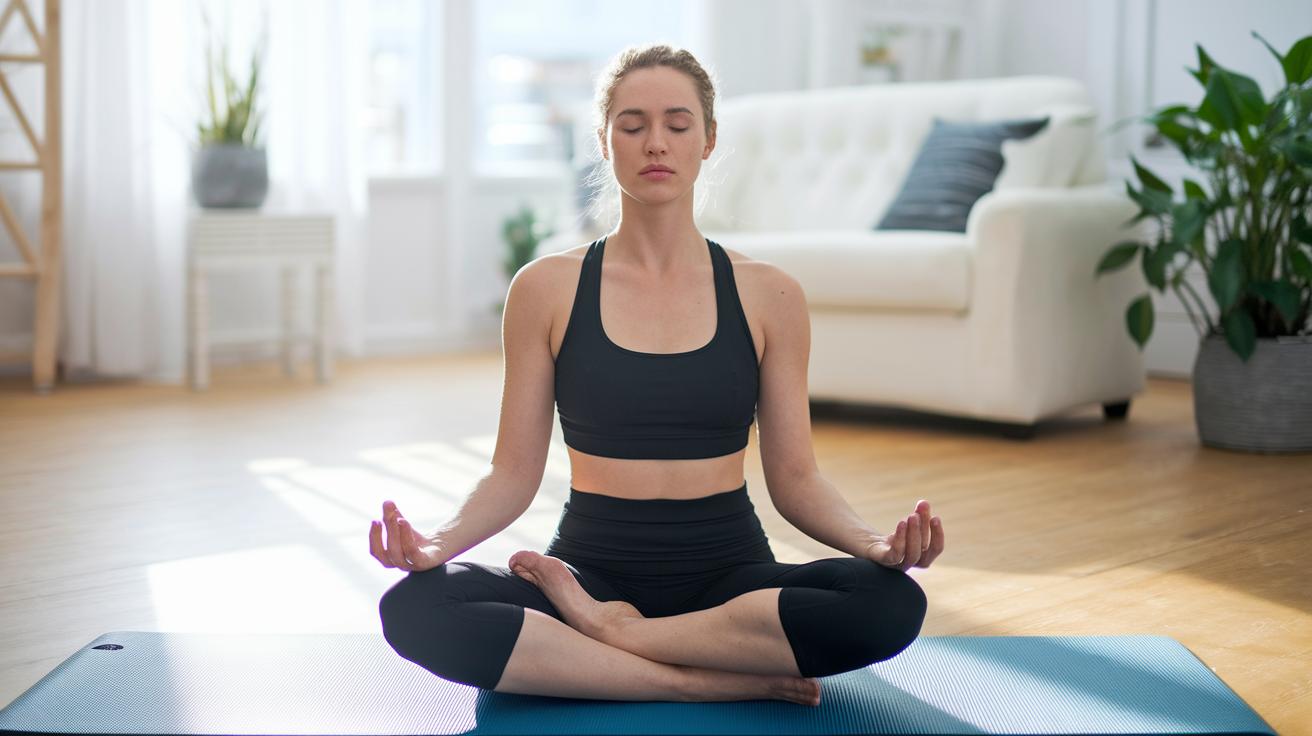
Recent studies show that taking a moment to focus on your breathing can help lower stress hormones and reduce signs of inflammation. One study even found that people who practiced regular breathing exercises saw a clear drop in their stress hormones. Imagine a patient saying, "I felt the tight knots in my body slowly loosen after just a few minutes of focusing on my breath. It was as if my worries were melting away with every exhale."
In trials with patients recovering from bone and joint work, those who took part in a 4-week breathing program reported feeling 30 to 40 percent less pain. This suggests that deep belly breathing not only soothes tense muscles but also works well with more traditional pain treatments.
Brain scans back up these results too. They show that controlled breathing activates parts of the brain that help manage pain. This may mean that by simply regulating our breath, we can change how our brain handles pain signals, easing both physical tension and stress.
All this research gives us a lot of reason to be confident about mindful breathing techniques. When paired with other holistic practices, it turns into a well-supported tool that can bring real relief and boost overall well-being.
Incorporating Mindful Breathing into Daily Pain Management Routines
Begin your day with a gentle few minutes of mindful breathing to help manage pain. Try setting aside two or three calm minutes before breakfast. Even a brief session can ease muscle tension by using deep, focused breathing, yes, the deep diaphragmatic method that helps your body soak in more oxygen.
At work or during a busy day, take a short break just to focus on your breath. Two or three minutes of simply tuning in can reset your mind and lower stress levels. This kind of meditative breathwork not only eases body tension but also brings a moment of calm that you really need on hectic days.
Before settling in for sleep, consider one more round of mindful breathing. Pair it with some gentle stretches or even a short, relaxing walk. This extra moment of peace helps connect your mind and body, working as a simple, effective way to reduce pain. Step by step, these small efforts add up to real benefits over time.
| Time | Activity |
|---|---|
| Morning | Start with mindful breathing to gently wake up. |
| Midday | Take short breaks to practice deep breathing and reset. |
| Evening | Combine breathwork with light stretches or a short walk to wind down. |
If you’re interested in expanding your self-care routine, explore more holistic healing and wellness practices that work well with mindful breathing. Every little session builds on the last, gently easing everyday discomfort and helping you feel more at ease.
Personal Experiences and Expert Insights on Mindful Breathing for Pain Relief

Many people have found that mindful breathing can help ease pain when used along with other treatments. One patient said, "Before trying mindful breathwork, I struggled with daily pain flare-ups. After adding a short session of deep belly breathing each morning, I saw my pain flare-ups drop by almost half." This story shows how this simple technique can make a real difference in everyday life.
Experts also suggest adding meditative breathing into your routine to help relieve pain. A trusted physical therapist mentioned, "Mindful breathing is not a cure, but it works very well with other treatments. It relaxes your muscles and helps your mind get ready to heal." Many patients have shared that guided breathing before a stressful procedure helps them feel less anxious and manage pain better.
A psychologist who works in pain management explains that these relaxation techniques work by helping you focus on each slow, steady breath. This focus gives your body a break from pain and lets it use its own natural way to fight pain. One patient explained, "I practice mindful breathing before my pain gets worse, and it feels like my body gets a chance to reset. Even a few minutes of focused breathing makes a big difference."
If you want to see how these techniques work, there are short videos available. One video shows how to switch between deep belly breathing and mindful breath awareness, while another gives easy, step-by-step instructions for using meditative breathwork during stressful times. Remember, it is always important to follow advice from health professionals like physical therapists, psychologists, or pain specialists when trying new techniques.
Combining Mindful Breathing with Other Holistic Pain Management Practices
Mindful breathing works best when paired with other ways to relax your body and mind. Try mixing it with yoga. The soft stretches and smooth movements in yoga match perfectly with deep breathing. Picture yourself holding a pose, inhaling slowly, and feeling a cool, refreshing breeze on a warm day.
Another great technique is progressive muscle relaxation. Here, you gently tighten each muscle and then relax it. Breathe in as you tighten and breathe out as you let go. It can feel like every exhale melts away the day's tension.
You might also enjoy guided imagery. As you breathe, picture a peaceful scene that takes your mind off pain. Think of it as watching a quiet sunset with every slow exhale, bringing calm with it.
These practices, alongside mindful breathing, give you a complete way to ease pain. They work together to soothe both body and mind while lowering discomfort. For more ideas on a well-rounded approach to health, check out total health and wellness strategies.
Final Words
In the action, we saw how mindful breathing for pain management can ease discomfort and lower stress. Techniques like diaphragmatic breathing, the 4-7-8 method, and box breathing offer clear, actionable steps to release tension. Each tip invites you to stop, tune in, and notice the calming impact of focused breathwork. The simple practice also builds a bridge between body and mind, making daily routines smoother. Stay positive and keep exploring these practical methods for a healthier, more relaxed life.
FAQ
Where can I find mindful breathing for pain management videos?
Mindful breathing videos on platforms like YouTube show clear, step-by-step methods such as diaphragmatic and 4-7-8 breathing to ease pain and lower stress.
Where can I find mindful breathing and breathing exercises for pain management PDFs?
Mindful breathing PDFs provide detailed guides outlining techniques like belly and box breathing, offering easy-to-follow instructions for reducing pain and anxiety.
How does deep breathing reduce pain?
Deep breathing helps reduce pain by calming the nervous system, lowering stress hormones, and releasing muscle tension, which together change how the body perceives discomfort.
How does breathing help with pain relief in labor?
Breathing techniques during labor focus the mind, ease muscle tension, and distract from pain. They encourage relaxation, making discomfort more manageable.
What role does pranayama play in pain relief?
Pranayama involves controlled breathing that soothes the mind and body, helping to reduce tension and provide a sense of ease when pain is present.
How do breathing exercises help with pain and anxiety?
Breathing exercises lower stress levels, improve oxygen flow, and lessen muscle tension, which work together to ease both pain and anxiety effectively.
What is the pain management breathing technique?
The pain management breathing technique uses deliberate, controlled breaths—such as diaphragmatic, 4-7-8, and box breathing—to trigger the body’s natural relaxation response and reduce discomfort.
What is the 4-7-8 breath method?
The 4-7-8 breath method requires inhaling for 4 seconds, holding the breath for 7 seconds, and exhaling for 8 seconds, a pattern that calms nerves and diminishes pain.
What is the 3-3-3 breathing technique?
The 3-3-3 breathing technique involves inhaling for 3 seconds, holding for 3 seconds, and exhaling for 3 seconds, offering a rhythmic approach that soothes the mind and reduces pain.
What is the 4-4-4-4 breathing technique?
The 4-4-4-4 breathing technique means inhaling for 4 seconds, holding for 4 seconds, exhaling for 4 seconds, and holding again for 4 seconds, establishing a balanced rhythm that eases pain.