Have you ever thought that simply breathing might clear your mind? Taking slow, deep breaths can feel like a reset button that helps melt away stress and cloudy thoughts. Every calm breath lets go of tension and fills you with a fresh boost of energy. It’s a little pause that lifts your mood and soothes your body. Stick with me, and let’s explore how these simple moments can brighten your day and bring a sense of calm.
How Mindful Breathing Cultivates Mental Clarity
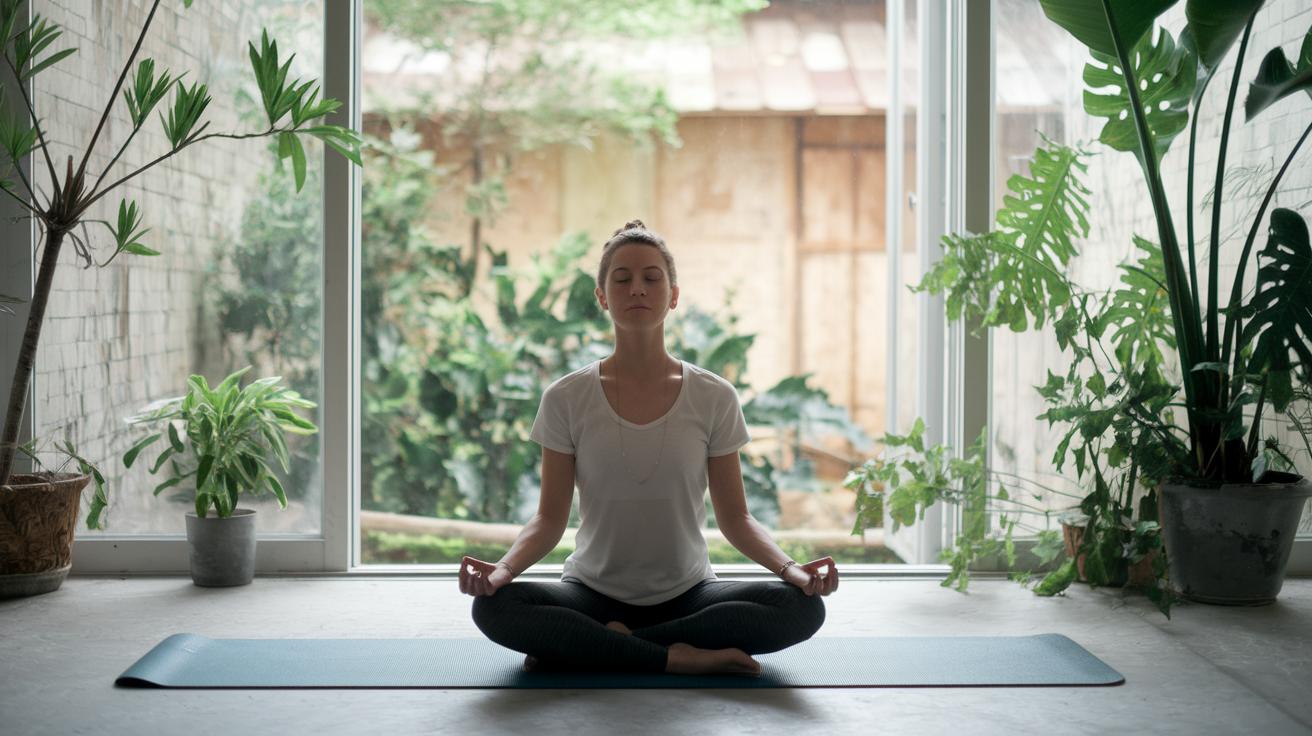
Mindful breathing is a gentle way to clear your mind. It means focusing on the natural rhythm of your breath. When you really pay attention to each inhale and exhale, you slowly let go of distracting thoughts, much like listening to steady raindrops on a window. Imagine taking a slow, deep breath and feeling all your worries slip away.
When you dive into deep breathing, your body starts a calming process. It eases your heart rate, relaxes your blood pressure, and fills your brain with fresh oxygen. This extra boost of oxygen makes it easier to concentrate and brings clearer thinking. Try it out: pause for a moment, focus solely on your breath, and notice how each deep inhalation fills you with new energy.
Even just 5–10 minutes of mindful breathing each day can make a big difference. Making this small commitment helps you become more aware and steady, almost like giving your brain a short, refreshing break. Enjoy these moments, they can help sharpen your focus and smooth out the busy bumps of your everyday life.
The Science Behind Mindful Breathing for Mental Clarity
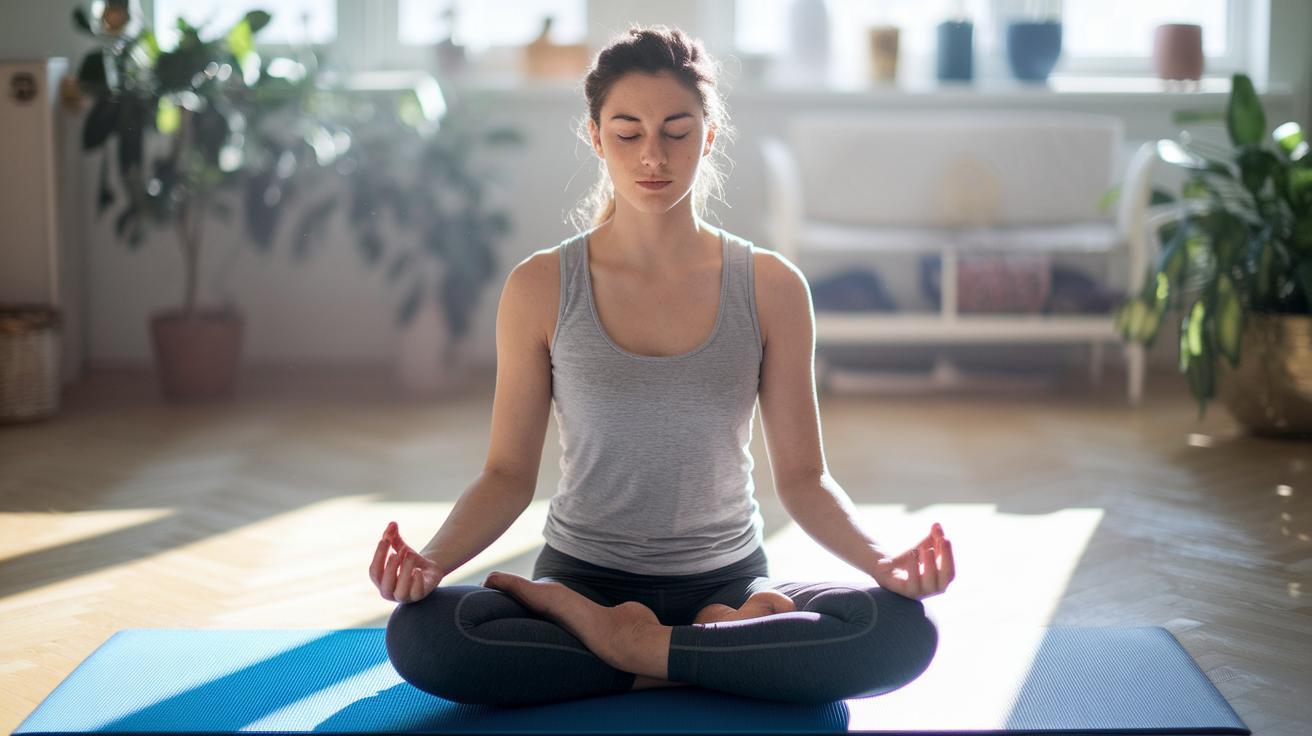
When you take a deep, slow breath, your body gets the signal to relax. It tells your heart to slow down and your blood pressure to drop. Picture it like a gentle whisper that eases you into calm.
This mindful breathing fills your brain with oxygen, helping you focus and clear your mind. Think of your brain as an engine that runs best when it gets just the right amount of air.
Each deep, careful breath also helps lower stress hormones and ease muscle tension. With every breath, your body lets go of stress, making you feel more relaxed and ready to face the day.
Key Benefits of Mindful Breathing for Mental Clarity
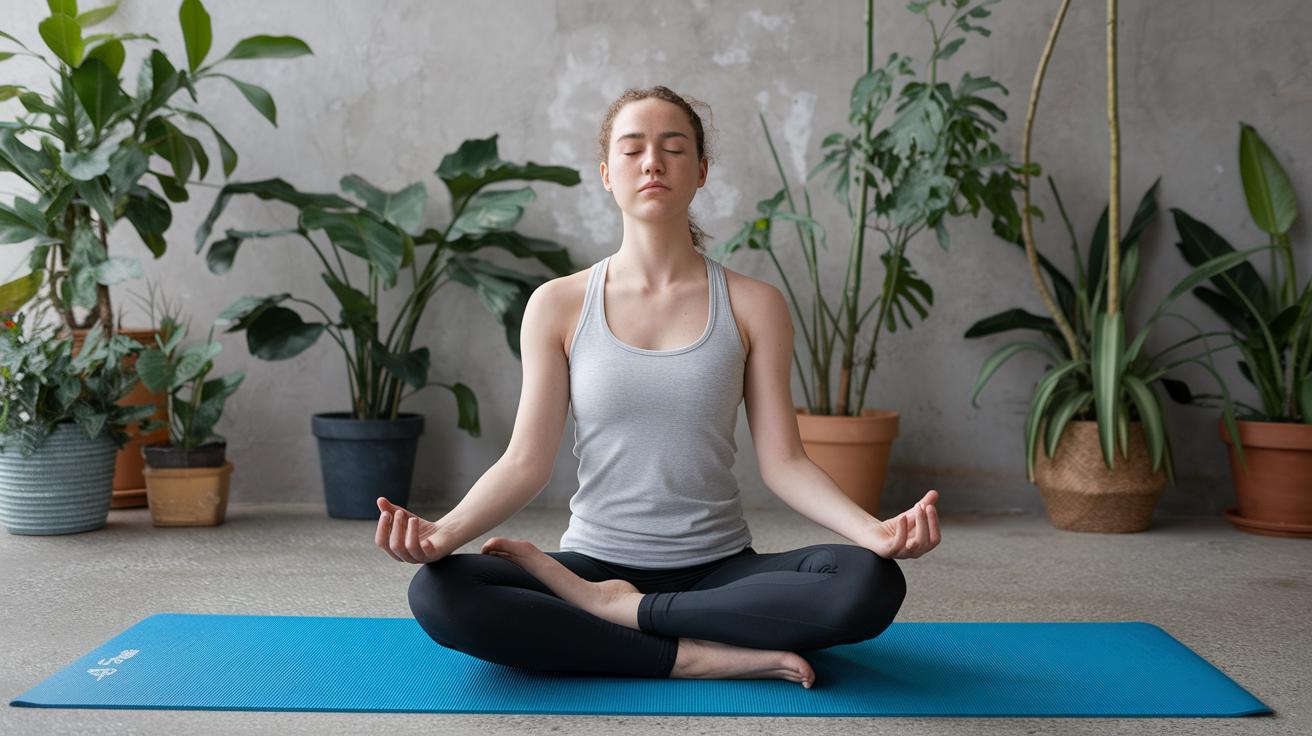
Mindful breathing isn't just about calming your thoughts. It helps you become more aware of your feelings and body signals, which in turn supports a healthier life. By simply focusing on your breath, you can notice small changes in how you feel that might have gone unseen.
-
Improved emotional regulation: Paying attention to your breath helps you spot when your mood shifts and manage these changes. For example, after a slow, deep breathing session, you might feel a gentle calm replacing your racing thoughts.
-
Heightened body awareness: When you focus on each breath in and out, you start feeling what your body is saying. For instance, during a mindful breathing exercise, you might sense your tension easing as you tune into your breathing rhythm.
-
Long-term health improvements: Daily mindful breathing can steadily ease the effects of stress on your body. One study even found that people who practiced mindful breathing had fewer tension headaches over several months.
-
Expert insight on mental clarity: Many health experts believe that mindful breathing sharpens how we handle our emotions. One expert, Dr. James, mentioned that his patients often manage stress better when they make mindful breathing a habit.
-
Real-life case study: A community program discovered that members who practiced mindful breathing not only felt calmer but also noticed their awareness of physical sensations improve during everyday activities.
| Benefit | Example |
|---|---|
| Emotional Regulation | “After a deep breathing session, I felt a calm balance replace my anxious thoughts.” |
| Body Awareness | “I noticed my shoulders relax and tension melt away as I focused on each breath.” |
| Long-Term Health | “People in a study who practiced mindful breathing experienced fewer tension headaches over time.” |
mindful breathing for mental clarity: Refresh your mind

Diaphragmatic Breathing
Sit in a comfy position with one hand on your chest and the other on your belly so you feel the gentle rise and fall with each breath. Notice how your belly expands when you take a slow, deep breath. This little practice helps push distracting thoughts aside and brings a sense of calm.
Box Breathing
Try a simple 4-4-4-4 routine. Breathe in for 4 seconds, hold for another 4, exhale for 4, and hold once more for 4. This steady rhythm calms both your body and mind. It’s a great way to ease stress while focusing on your breathing.
4-7-8 Breathing
In this technique, take a slow 4-second breath in, hold it for 7 seconds, then exhale slowly for 8 seconds. This pattern helps slow your heart rate and reduce tension. It combines mindful breathing with a focused exercise to clear your mind.
Alternate Nostril Breathing
For a simple balance, try breathing in through one nostril and exhaling through the other. This switch helps even out your thoughts and brings a gentle calm to your busy mind.
Equal Breathing
Match your inhale and exhale by keeping them the same length. This balanced approach brings a steady rhythm to your day and anchors you in the present moment.
| Technique | Primary Benefit |
|---|---|
| Diaphragmatic Breathing | Better body awareness |
| Box Breathing | Less stress |
| 4-7-8 Breathing | Smoother heart rate |
| Alternate Nostril Breathing | Even mind |
| Equal Breathing | Focused calm |
Common Pitfalls in Mindful Breathing for Mental Clarity
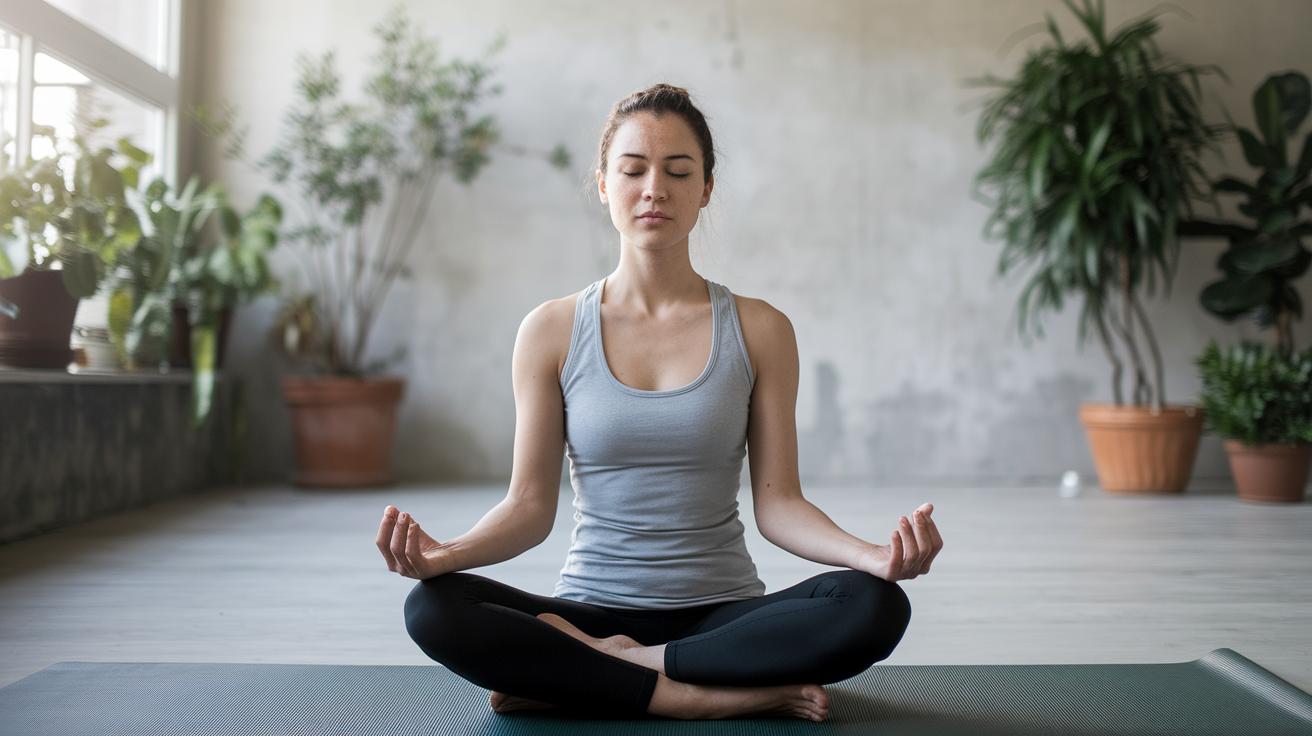
One common mistake in mindful breathing is trying too hard to control your natural rhythm. When you force your breath, it can feel like you're holding back a stream of water, which only adds tension and worry. Have you ever caught yourself thinking, "Every breath must be perfect"? It usually makes you feel more stressed instead of calm.
It’s also easy to be too hard on yourself when your mind wanders during deep breaths. Instead of getting upset, try gently guiding your focus back to your breath without any harsh self-judgment. This little shift can make all the difference.
Sometimes, feeling stuck when you expect quick progress can also trip you up. Remember, the goal isn’t to be perfect right away. It's about taking steady, caring steps toward a calmer mind.
- Trying to force your natural breathing
- Being too critical when your focus drifts
- Feeling frustrated with how slow progress feels
Approach each breath with kindness and let it flow naturally.
Integrating Mindful Breathing for Mental Clarity into Daily Life
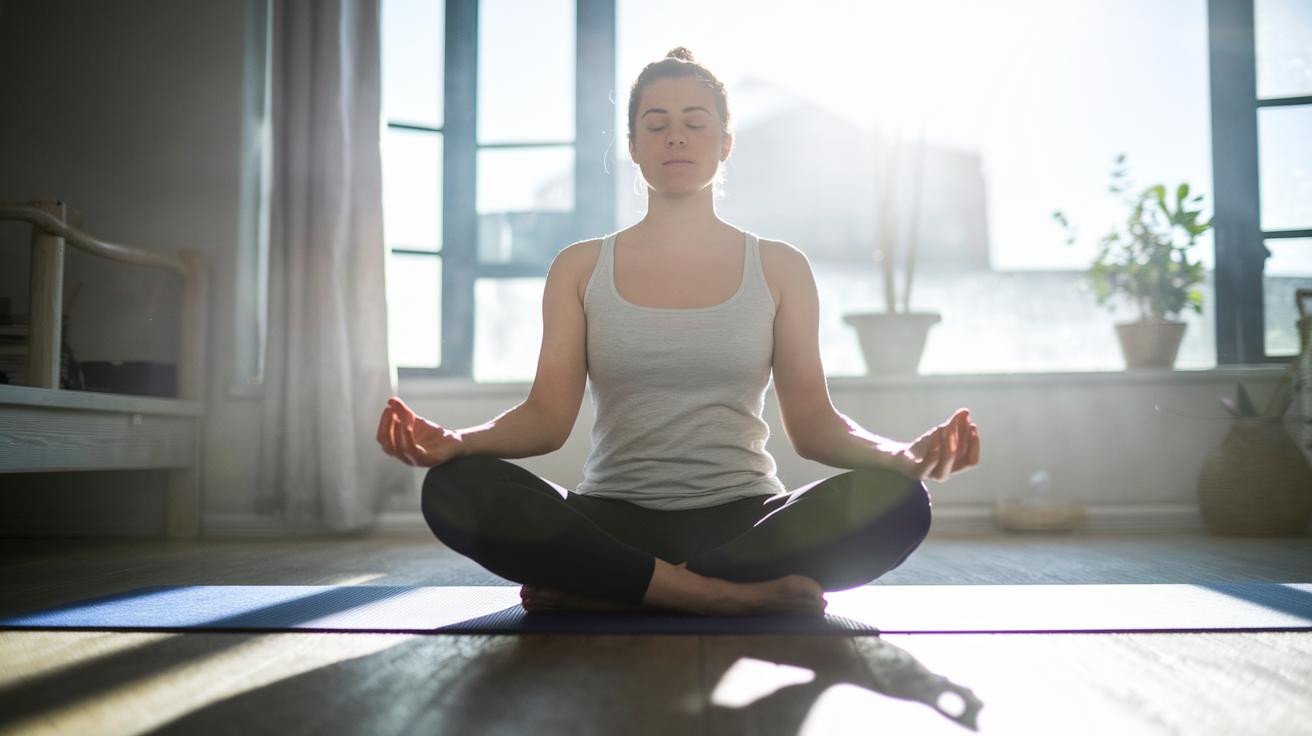
Take about 5 to 10 minutes every day to simply focus on your breathing. Think of it as a small break when life gets busy. You might set an alarm on your phone to say, "Time for a mindful pause," giving you a gentle reminder to slow down.
Try to plan a short breathing break between your daily tasks. Just a few deep breaths can help clear your mind, ease stress, and prepare you to concentrate better. If you're not sure where to start, there are video or audio guides that lead you step by step through a simple meditative practice.
- Set regular reminders
- Use guided sessions
- Take mini-breaks during work or study
By making these mindful breathing sessions part of your routine, you can bring calm and clarity to your everyday activities.
Structured Programs Leveraging Mindful Breathing for Mental Clarity
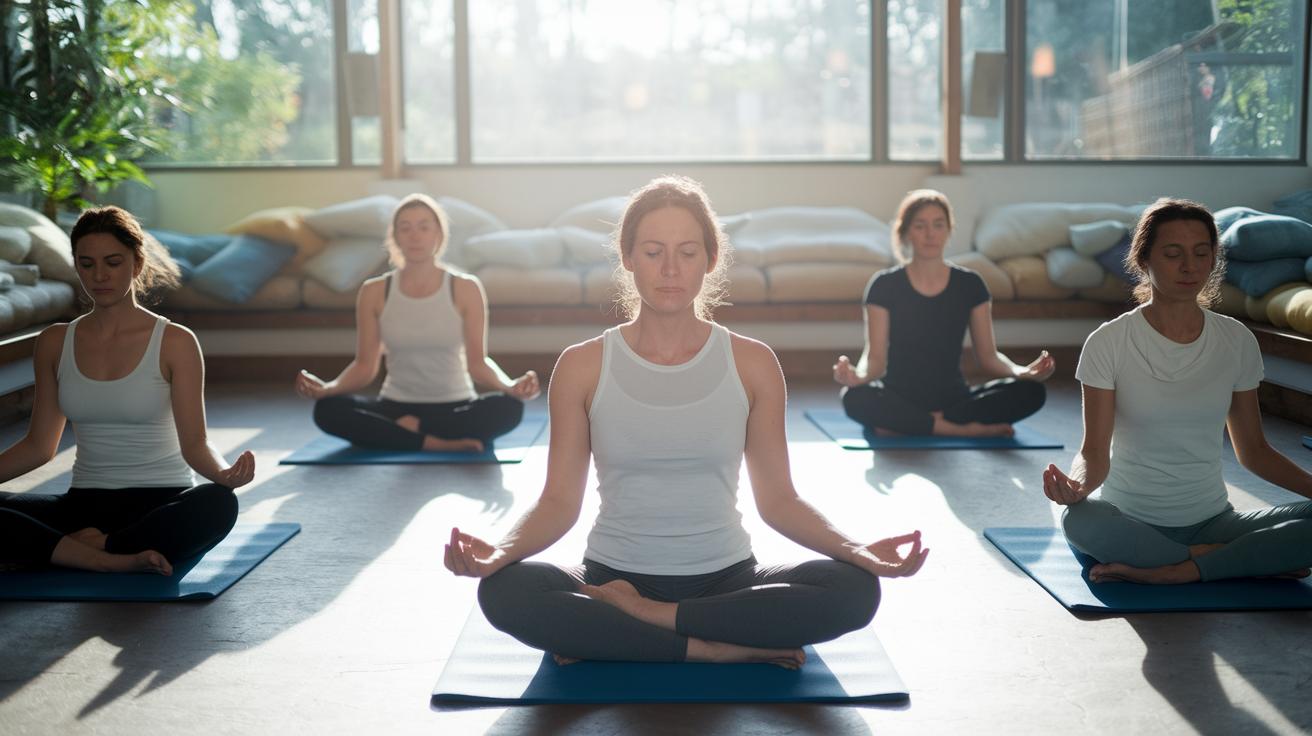
Mindfulness programs help clear your mind by using simple breathing exercises. Programs like mindfulness-based stress reduction (MBSR), an eight-week course that shows you how to take deep, slow breaths and practice meditation, lay everything out for you in easy steps. In these sessions, a group gathers to share ideas and learn how to calm the mind through awareness. Picture a friendly session where a guide softly says, "Breathe in slowly and let calm wash over you, pushing away your racing thoughts."
There are even extra training paths for anyone who wants to lead these breathing sessions in their community. Besides the regular course, you can also join one-day or five-day retreats that give you a deeper dive into mindful breathing. Imagine spending a whole day focusing only on controlling your breath and finding inner peace as you sit quietly.
Some programs offer even more options, like unlimited retreats and a special summit planned for 2025. These events include new exercises and fresh ideas based on the latest research to help you manage stress over the long term. The goal is simple: build healthy breathing habits that continue to help you find clarity and calm long after each session.
Final Words
In the action, you explored how natural breath flow and simple techniques can ease stress and boost focus. Small routines like box breathing and 4-7-8 breathing show that a few minutes each day can transform your well-being. You learned to gently observe your breath without frustration, keeping your practice relaxed and fun. Embrace mindful breathing for mental clarity as a part of your everyday routine, and take pride in the positive changes that follow. Every mindful breath is a step toward a more balanced and uplifting day.
FAQ
How do you breathe for mental clarity?
The way to breathe for mental clarity is by focusing on deep, slow breaths that clear your mind, lower stress, and boost concentration.
What does the 4-7-8 breath technique involve?
The 4-7-8 technique involves inhaling for 4 seconds, holding for 7 seconds, and exhaling for 8 seconds, which helps calm your mind and ease anxiety.
What is the 5-5-5 technique for mindful breathing?
The 5-5-5 technique means inhaling, holding, and exhaling each for 5 seconds, helping steady your breath and focus your thoughts.
What is the 444 rule for breathing?
The 444 rule involves setting equal counts for inhaling, holding, exhaling, and pausing, which can ground your awareness and ease tension.
Where can I find guided mindful breathing videos or exercise PDFs?
Guided mindful breathing videos and exercise PDFs are available on YouTube and various wellness websites, offering clear routines for stress relief and improved focus.
How do mindful breathing exercises help with stress and anxiety?
Mindful breathing exercises lower blood pressure and shift focus to the breath, easing stress and anxiety while promoting a calm, clear state of mind.