Have you ever noticed how a slow, deep breath can make you feel stronger? Taking time for mindful breathing isn’t just about calming your thoughts; it helps your body work better too. Techniques like complete breathing (filling your lungs slowly from bottom to top) and pursed-lip breathing (exhaling slowly through slightly pursed lips) let your lungs take in more air with every breath.
In this chat, we share some easy steps to help your breathing boost your wellness. Imagine a focused, refreshing breath powering you through your day.
Essential Mindful Breathing Techniques for Lung Capacity Improvement
Our lungs have an area as big as a tennis court, but most of us only use a little bit of that space. Mindful breathing goes beyond just easing stress, it can help you exercise better and even lift your mood. Have you ever noticed how a simple breath can feel like a mini reset? Trainers say these techniques boost energy in everyday life. They even suggest pairing them with handy tips on stress management to help you relax through the day.
Let’s talk about some breathing tricks. Complete breathing uses your diaphragm, lower ribs, and chest all at once to fill up your lungs smoothly. Pursed-lip breathing is great when you need to steady yourself. And how about humming softly while breathing out? That can be both fun and calming. You might also like diaphragmatic breathing, which helps relax and strengthen your core muscles. There are other techniques, too, like feet breathing and Buteyko breathing. These use gentle nasal breaths to clear your mind and focus your breathing. Each method helps you unlock more lung capacity and supports overall wellness, making mindful breathing a smart, everyday habit.
Step-by-Step Guided Breathing Exercises for Expanding Lung Volume
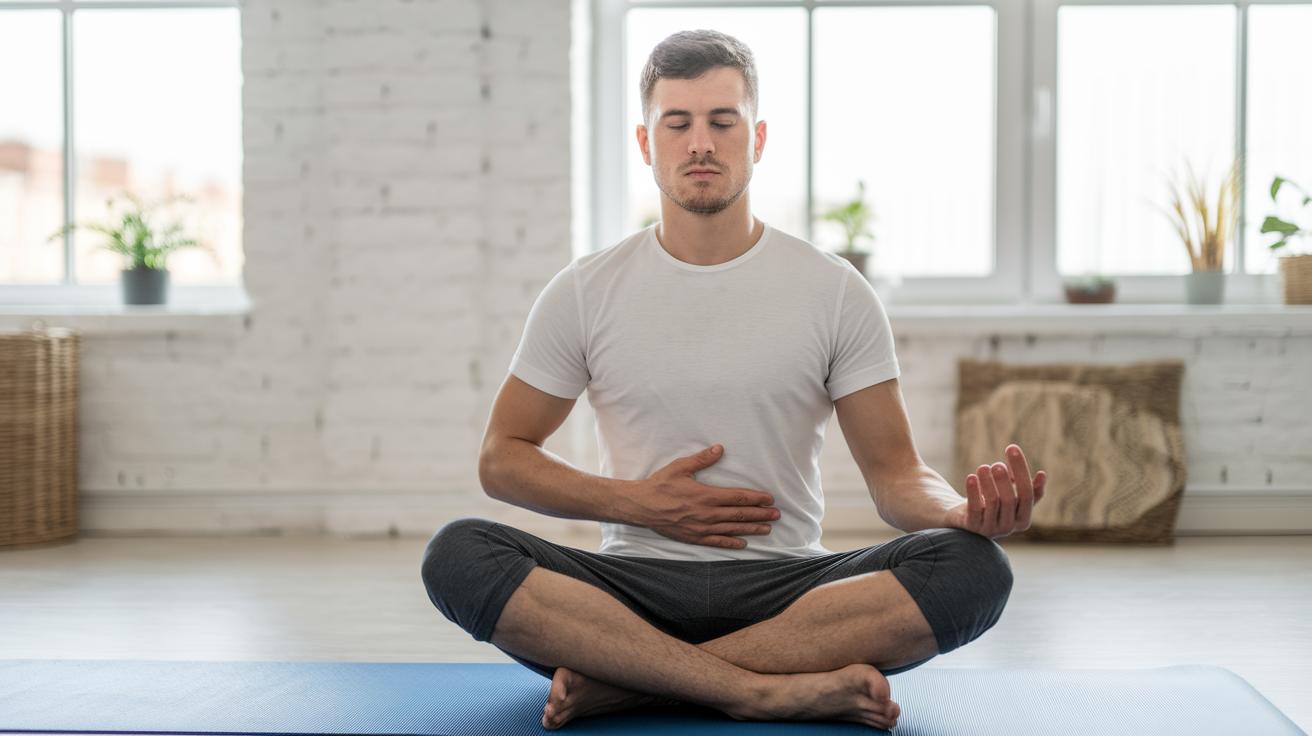
Complete Breathing
Take a slow, deep breath that fills your belly, lower rib area, and chest all at once. This exercise mixes deep breathing with mindful in-breaths and out-breaths to help wake up your lungs.
Pursed-Lip Breathing
Exhale gently through almost-pursed lips. This slow, steady breath helps your lungs empty fully, so they can work at their best.
Humming Breathing
Breathe in as you usually do, then hum softly as you let the air out. This little trick brings a soothing buzz that can calm both your body and your feelings.
Chinese Breathing
This practice borrows ideas from Tai Chi. Breathe in a smooth, rhythmic way that pairs perfectly with gentle movements, giving you a steady flow of air.
Diaphragmatic Breathing
Put one hand on your tummy and take a deep breath in so you feel your belly lifting. This simple tip builds up strength in your diaphragm and helps you feel relaxed inside.
Feet Breathing
Imagine your chest rising and falling in tune with sensations in your feet. This creative exercise connects your body and breath, boosting your overall body awareness.
Buteyko Breathing
Sit comfortably and breathe slowly and lightly through your nose. Often suggested for those with asthma, this method sets a calm, relaxed pace for breathing.
Breathing While In Pain
Practice steady breathing even when you’re hurting. Instead of holding your breath, keep your exhale slow and mindful to help manage the pain.
| Technique | Primary Benefit |
|---|---|
| Complete Breathing | Maximizes lung expansion |
| Pursed-Lip Breathing | Improves lung function |
| Humming Breathing | Enhances emotional calm |
| Chinese Breathing | Promotes controlled airflow |
| Diaphragmatic Breathing | Strengthens the diaphragm |
| Feet Breathing | Integrates body awareness |
| Buteyko Breathing | Aids respiratory ease |
| Breathing While In Pain | Helps manage discomfort |
Scientific Insights on Mindful Breathing and Lung Health Enhancement
Research shows that mindful breathing does much more than help you relax. It can actually boost the way your lungs work, something many people might not expect. Regular breath work can sharpen your respiratory control (that means managing your breathing more easily) and even expand your lung capacity. Imagine your lungs as balloons that fill up more completely when you use guided breathing techniques. One athletic trainer put it simply: "Every mindful breath is like a tune-up for your body, making exercise smoother and lifting your mood."
Recent studies have taken a closer look at how these breathing practices can fine-tune your body. Even spending just a few minutes a day on focused breathing could lead to improvements in how your lungs function. Trainers have seen that clients doing exercises like diaphragmatic breathing (breathing deeply using your belly) or controlled humming often experience less breathlessness and more energy during workouts. It’s pretty encouraging to see these changes.
There’s also an interesting link between better lung capacity and a brighter mood. One study on yoga breathing techniques found that participants with breathing difficulties began to see real improvements over time. This shows that using optimal breathing strategies not only opens up underused parts of your lungs but also helps you feel calmer and more ready to take on physical challenges.
Ongoing research continues to highlight the benefits of mindful inhalation and exhalation. With consistent, careful practice, those simple breath techniques could lead to lasting gains in lung health and overall well-being. Isn't it amazing how a few mindful breaths can make such a difference?
Integrating Yoga and Tai Chi Mindful Breathing for Lung Capacity Improvement
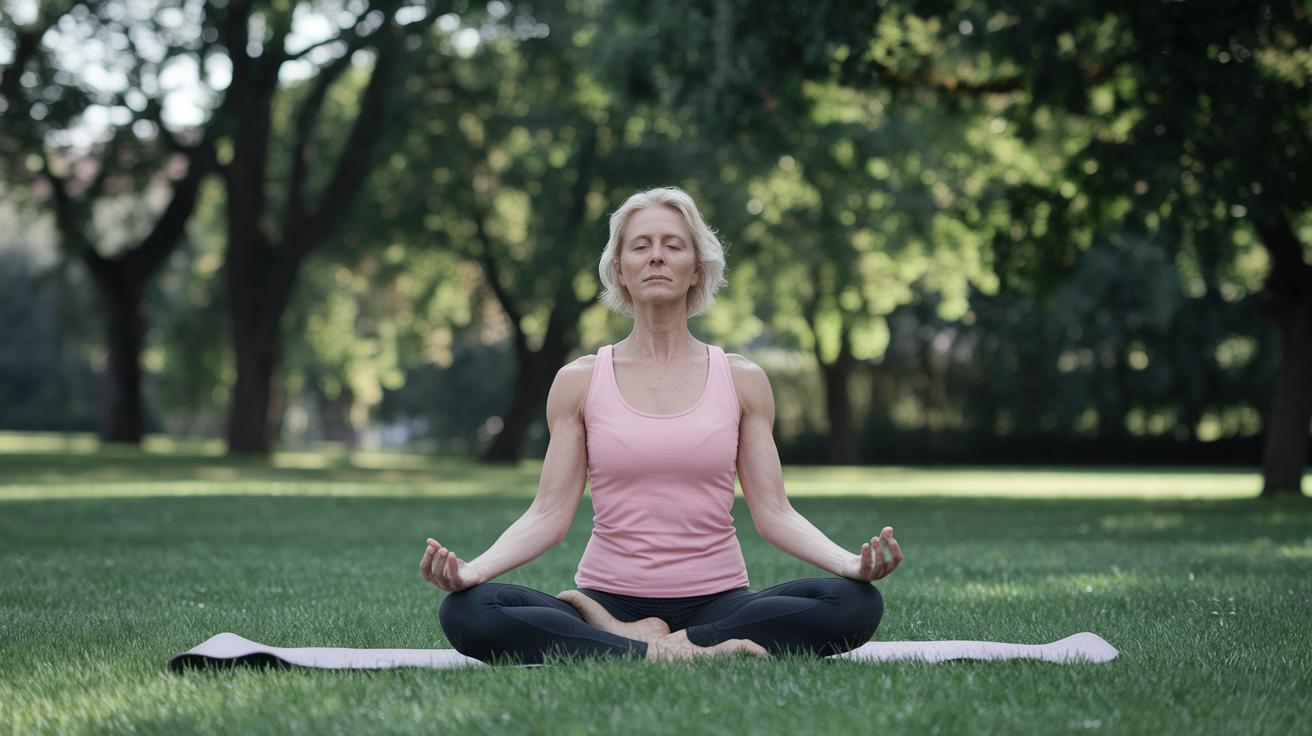
Blending yoga and Tai Chi breathing techniques creates a simple but powerful routine that can boost both lung strength and overall well-being. Yoga brings together body poses and breathing exercises, what yoga calls pranayama, which help fill your lungs completely while relaxing your mind. Imagine a gentle flow of moves paired with slow, deep breaths; it’s like a calm dance where every step is supported by mindful breathing. Have you ever noticed how your breath flows in sync with the stretch of your arms during a smooth yoga session?
Tai Chi offers a similar boost by focusing on slow, flowing movements and controlled breaths. Even if you need to do a seated version to protect your joints, you still get the benefit of steady, rhythmic breaths that help balance your body. Studies show that these gentle practices can really help people with breathing troubles, such as COPD, by easing stress on the lungs and improving overall function. One trainer once explained that mixing these techniques feels like giving your lungs a refreshing reset every day.
By combining yoga with Tai Chi, you work different muscle groups that support deep breathing, which can help improve lung health and overall fitness. This simple approach not only aids lung recovery but also lifts your body and mind. The slow pace and focus on your breath let you tune into your body’s natural signals, leaving you feeling calm and alert. Every mindful breath you take is a step forward on your path to better wellness.
Mindful Breath Control Strategies for Daily Lung Endurance Training
Imagine beginning your day with a calm, cool moment. Start by taking a slow breath in, filling your belly. Then, let the breath out gently through slightly pursed lips to keep a smooth rhythm. This mix of pursed-lip and belly breathing works together to help you feel centered.
Try pairing this mindful breathing with a simple lung workout. Begin with a daily five-minute session, and each week, add an extra minute. It’s a gentle way to boost your lung strength, much like marathon runners who rely on deep breathing to get through hard parts of their race.
Take a moment every day to practice this. With time, you’ll notice your breathing muscles getting stronger and your breath coming easier, making each day a bit brighter.
Safety Precautions and Progress Tracking for Mindful Lung Capacity Work

When you're practicing mindful breathing, safety always comes first. If you ever feel your breathing is off or if you have a condition like COPD, keep your inhaler or oxygen device close at hand. Avoid holding your breath when you're in pain because that can make you feel lightheaded and unsteady. Think of it like keeping a steady beat, regular, natural breaths help your lungs work smoothly.
It also helps to check on your progress each day. For instance, you might use a peak flow meter, a simple tool that measures how well your lungs are working. Picture yourself taking a quick reading each morning and jotting it down in a journal. Over time, those numbers will show you how you're improving.
Here are a few easy tips to remember:
- Keep your inhaler or oxygen device nearby if you need it.
- Stay calm and focus on your breathing, even if there’s a bit of discomfort.
- Use a peak flow meter to track your lung function.
- Write down your readings and any notes about your breathing in a journal.
By following these steps, you can build stronger lung capacity and stay in tune with your body's needs.
Final Words
In action, the post shows how mindful breathing for lung capacity can be a game-changer. You learned easy breathing exercises that boost lung strength, paired with yoga and Tai Chi techniques to support overall fitness. Practical tips guide you on how to safely track progress, whether you're starting a simple five-minute routine or adding a few minutes daily. Keep tuning in to these strategies and let every breath bring a refreshing boost to your wellness.