Ever stop to think that one deep breath might change your day? Mindful breathing gives you a little break to calm your nerves and clear your thoughts. It feels like the gentle sound of waves on a quiet beach. When you take slow, careful breaths, you let stress melt away and make a small space for peace in your busy day. In these moments, your body relaxes and your mind finds balance, reminding you that calm is just a breath away.
2. mindful breathing for inner peace: Pure Calm
Mindful breathing is a gentle way to invite calm and comfort into your day. When you take slow, aware breaths, you help your body settle into an easy rhythm that can ease stress and anxiety. Imagine sitting quietly as each deep breath sweeps away your worries like a cool breeze. In these peaceful moments, you let your thoughts float by without judging them.
Meditation plays a big role in this practice. By focusing on each breath, you can quiet the noisy chatter in your mind and create a small, calm space within yourself. Did you know that even a few minutes of deep, slow breathing can lower your heart rate and reduce stress hormones? This shows that every calm breath not only soothes your mind but also helps your body relax naturally.
For a simple tip, try diaphragmatic breathing. Sit comfortably, relax your shoulders, and take a slow, gentle inhale through your nose, noticing your belly rise. Then, exhale slowly. This technique helps you build inner strength over time, and even brief sessions can add up to big changes. If you're looking for more ideas, check out some extra stress management tips.
Enjoy making time for these moments of calm. Let each mindful breath guide you through your day with a gentle, steady rhythm.
Essential Breathwork Techniques for Mental Clarity
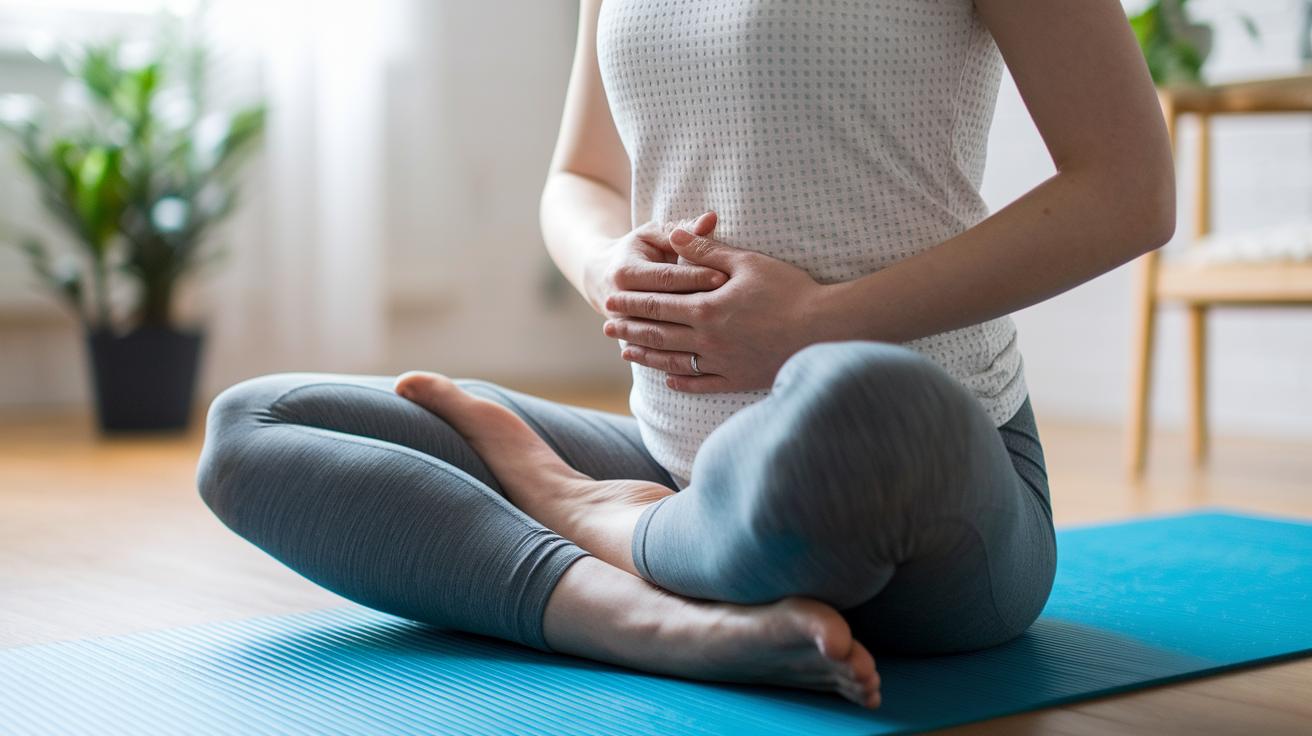
Start with diaphragmatic breathing. Sit comfortably with your back straight and your shoulders relaxed. Place one hand on your chest and the other on your belly. Breathe in slowly through your nose, letting your belly fill out like a balloon. Then, breathe out gently through your mouth, feeling your belly soften. This simple method helps your body relax by lowering your heart rate and blood pressure. Think of it like watching a peaceful rhythm, similar to the tide on a quiet beach.
Next, try box breathing to calm your mind. Inhale deeply for four counts, hold your breath for four counts, exhale for four counts, and then pause for another four counts before breathing in again. This steady, rhythmic pattern helps shift your body away from stress and brings mental clarity. Imagine counting each phase slowly, breathing in, holding, exhaling, and pausing, which eases anxiety and balances your emotions.
Even a few minutes of these breath techniques each day can make a big difference. Every deep breath is a small step toward a calmer, clearer mind, making your daily challenges a bit easier to handle.
Advanced Breathing Methods to Foster Emotional Balance
Have you ever tried the Wim Hof Breathing Technique? It's a simple but powerful way to help calm your body and mind. You take about 30 to 40 deep breaths, then hold your breath for a moment before slowly letting it out. Each time you do it, notice how your body feels, almost like it’s easing away stress and tension.
Now, try focusing on a slow, deep exhale. As you breathe out, imagine letting go of any tightness in your mind, like you're carefully untying knots of stress. Inhale deeply, pause for a moment, and then exhale with purpose. This easy cycle not only soothes your body but also helps keep your emotions in check. By holding your breath for a bit, you gently guide your nervous system to better manage stress. With regular practice, these breathing techniques can become a simple, calming tool to help you feel more balanced every day.
Tips for Beginners Practicing Conscious Respiration
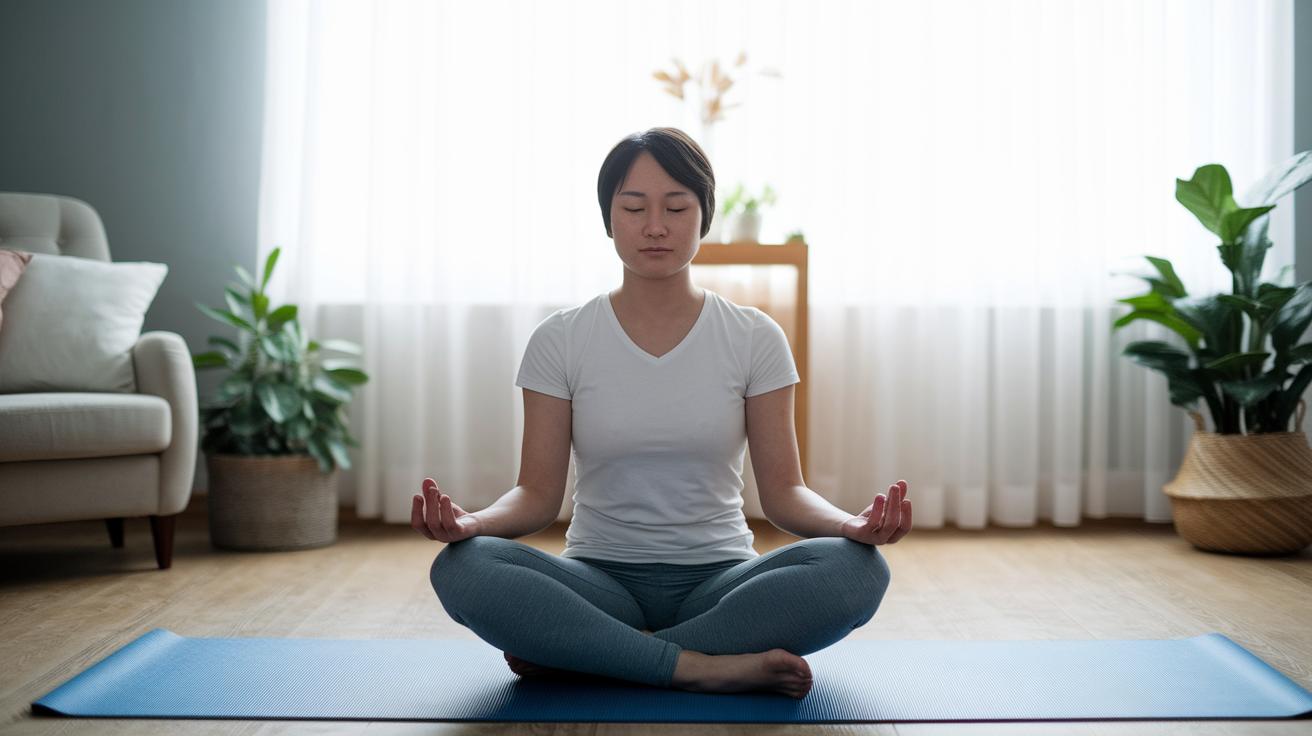
Begin with a quick 3–5 minute session each day using a guided meditation recording. Find a quiet corner where you can sit with a straight back and relaxed shoulders. This calm setup is like a reset button for your mind, helping you ease into the day with a peaceful vibe.
It's normal for your thoughts to drift during these moments, so gently bring your attention back to your breathing. Over time, these small efforts boost your mindful breathing and build inner confidence. Keep a simple journal to note your feelings and any challenges, you might spot little wins that remind you of how far you've come.
Every deep breath you take nurtures a tranquil state. For extra ideas, check out the wellness guide.
Integrating Mindful Breathing Into Daily Life
Try to make mindful breathing a regular part of your day. When you wake up, take a few quiet moments before reaching for your phone. This little morning routine can help you start calmly, taking slow, deep breaths that let go of tension. Imagine that soft, early light as you take your very first deep breath, setting a gentle pace for the day.
During work, pause for a minute to check in with how your body feels. You might set a reminder on your phone or listen for a far-off bird to remind you to stop and breathe. Sit for a minute or two, close your eyes, and take slow, steady breaths. Feel each soft exhale easing your stress and clearing your mind.
Later in the day, try pairing your breathing practice with a gentle walk outdoors before you go to bed. Enjoy a simple, slow stroll while focusing on your breath. The steady rhythm of your steps and deep breaths can help melt away the day’s worries. With this routine, you build a calming habit that fills every part of your life with a peaceful kind of energy.
Scientific Evidence Supporting Breath Awareness for Well-Being
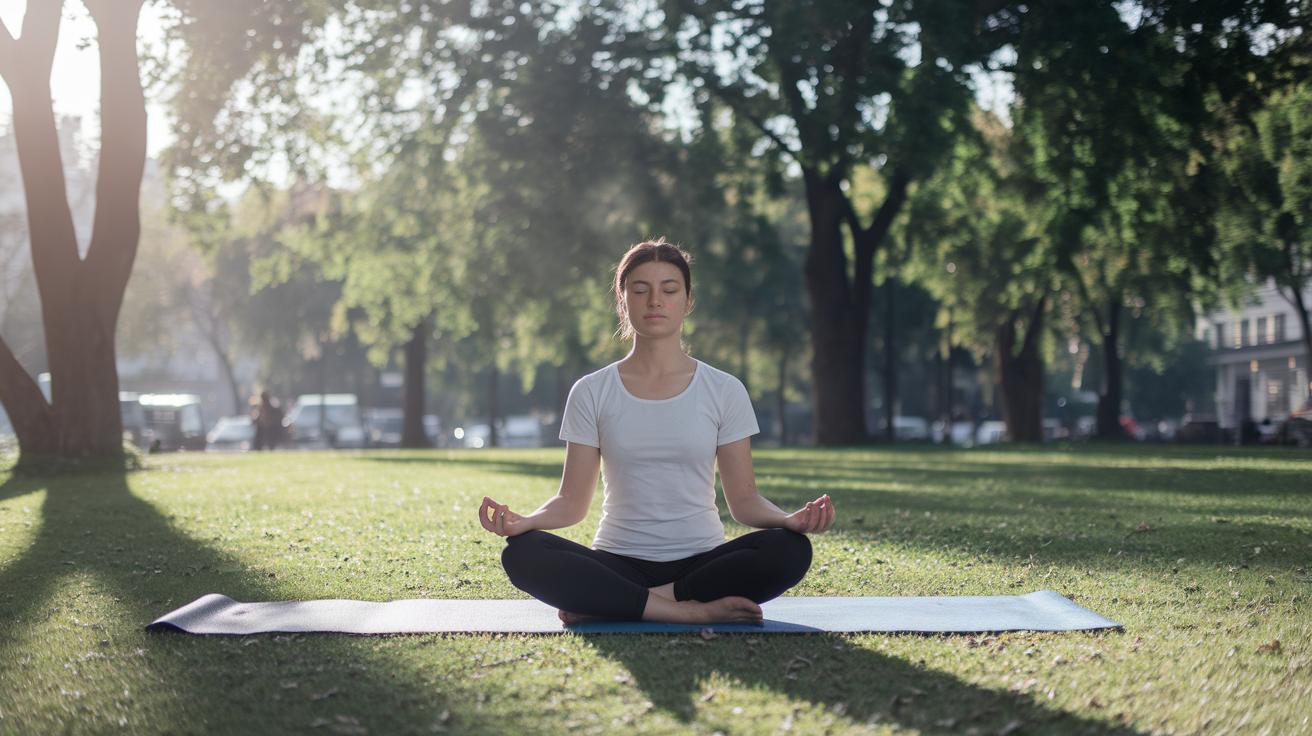
Have you ever noticed how a deep, mindful breath can instantly help you feel a bit lighter? Research shows that regularly focusing on your breathing can actually reshape your brain, making it easier to stay focused and manage your emotions. It's almost like every slow inhale and exhale gives your brain a fresh start, rewiring itself step by step.
One study found that practicing deep belly breathing can lower your resting heart rate by 10 to 15% and cut down stress hormones like cortisol. Even brain scans, using tools like fMRI, have shown that the calming, rhythmic flow of mindful breathing lights up the relaxation centers in your brain. It’s neat to see that the gentle pace of your breath not only soothes you but causes real, measurable changes inside you.
There’s more good news too. Keeping up with those slow, deep cycles helps paint a soothing pattern of activity in your brain, boosting emotional balance and reducing stress responses. In simple terms, every mindful breath you take is backed by science and is a step toward feeling more steady and calm.
So next time you take a moment to breathe deeply, remember that science is on your side. Isn’t it amazing how a simple, mindful breath can set a positive tone for both your body and your mind?
Final Words
In the action, you’ve explored easy breathing techniques that lower stress and bring calm. You’ve seen breathwork methods that help guide relaxation and even learned steps for mindful breathing for inner peace. Each tip builds on the last to help you add short breathing breaks into your day.
Keep practicing these simple steps, they can really make a difference. Enjoy those quiet moments and feel the calm fill your day.
FAQ
Q: Where can I find a mindful breathing exercise PDF, script, or a 5‑minute breathing exercise guide?
A: The mindful breathing exercise PDF and script offer simple, step-by-step guides. They often include a 5‑minute breathing exercise that explains clear instructions to calm the mind and ease stress.
Q: What mindful breathing benefits can I expect?
A: The mindful breathing benefits include improved focus, reduced stress, and enhanced emotional balance. Regular practice helps relax the body, clear the mind, and support overall well‑being.
Q: How do mindful breathing exercises work for both adults and kids?
A: Mindful breathing exercises are adaptable for both adults and kids. They are designed with simple steps that improve concentration and reduce tension, making the practice accessible and effective for various age groups.
Q: What is mindful breathing meditation?
A: Mindful breathing meditation involves sitting quietly and focusing on your breath. This practice directs attention inward, encouraging a calm state and fostering both mental and physical relaxation.
Q: What is the 444 rule for breathing?
A: The 444 rule for breathing means you inhale for 4 seconds, hold for 4 seconds, exhale for 4 seconds, and then hold again for 4 seconds. This technique helps balance your breath and calm your nerves.
Q: What is the 4‑7‑8 rule for breathing?
A: The 4‑7‑8 rule for breathing means you inhale for 4 seconds, hold your breath for 7 seconds, and exhale for 8 seconds. This method naturally slows your heart rate and eases tension.
Q: What is the 555 rule breathing method?
A: The 555 rule breathing method likely involves inhaling for 5 seconds, holding your breath for 5 seconds, and exhaling for 5 seconds. This structured rhythm helps center your mind and reduce stress.
Q: What is the 3‑3‑3 breathing method?
A: The 3‑3‑3 breathing method requires you to inhale for 3 counts, hold for 3 counts, and exhale for 3 counts. This simple practice centers your attention and helps release anxious feelings.