Have you ever thought that one simple breath might change your day? That tiny pause between breathing in and out can calm your mind and steady your feelings.
When you take a moment to just focus on your breathing, you let go of tension and clear away the messy thoughts. It doesn't take any special tools, just a quiet spot where you can feel your natural rhythm.
By paying attention to each breath, you invite a sense of balance that helps you manage your emotions and brings a gentle calm to your day.
Practical Mindful Breathing Techniques for Emotional Regulation
Mindful breathing is a simple way to help you feel calm and steady. It mixes focused breathing with intention, so you can relax both your mind and body. When you take a few deep, slow breaths, your body gradually shifts towards a peaceful state by easing stress and sharpening your focus.
You don't need any special tools for these techniques. You can do them while sitting or lying down with your eyes closed. Try to set aside anywhere from 5 to 30 minutes each day, maybe a quiet start in the morning or a calm moment before bed, to build a routine that helps you handle your emotions better.
-
Diaphragmatic Breathing
- Find a comfortable seat and put one hand on your belly.
- Breathe in slowly through your nose and feel your belly rise.
- Breathe out gently through your mouth and notice your belly fall.
-
Paced Breathing
- Inhale calmly for 4 seconds.
- Hold that breath for 4 seconds.
- Exhale slowly for 6 seconds. This slow exhale helps relax your body and calm your mind.
-
Meditative Breathing
- Sit or lie down comfortably and close your eyes.
- Focus closely on the steady natural rhythm of your breath.
- Let your thoughts drift by while you keep breathing in a steady, relaxed way.
Taking time each day for these breathing exercises can really boost your emotional strength. Even just a few minutes of concentrated breathing can help clear away stressful thoughts and ease tension. Give it a try, set aside 5 minutes in the morning and notice how the calm rhythm of your breath helps center your day.
Nervous System Impact of Mindful Breathing for Emotional Regulation
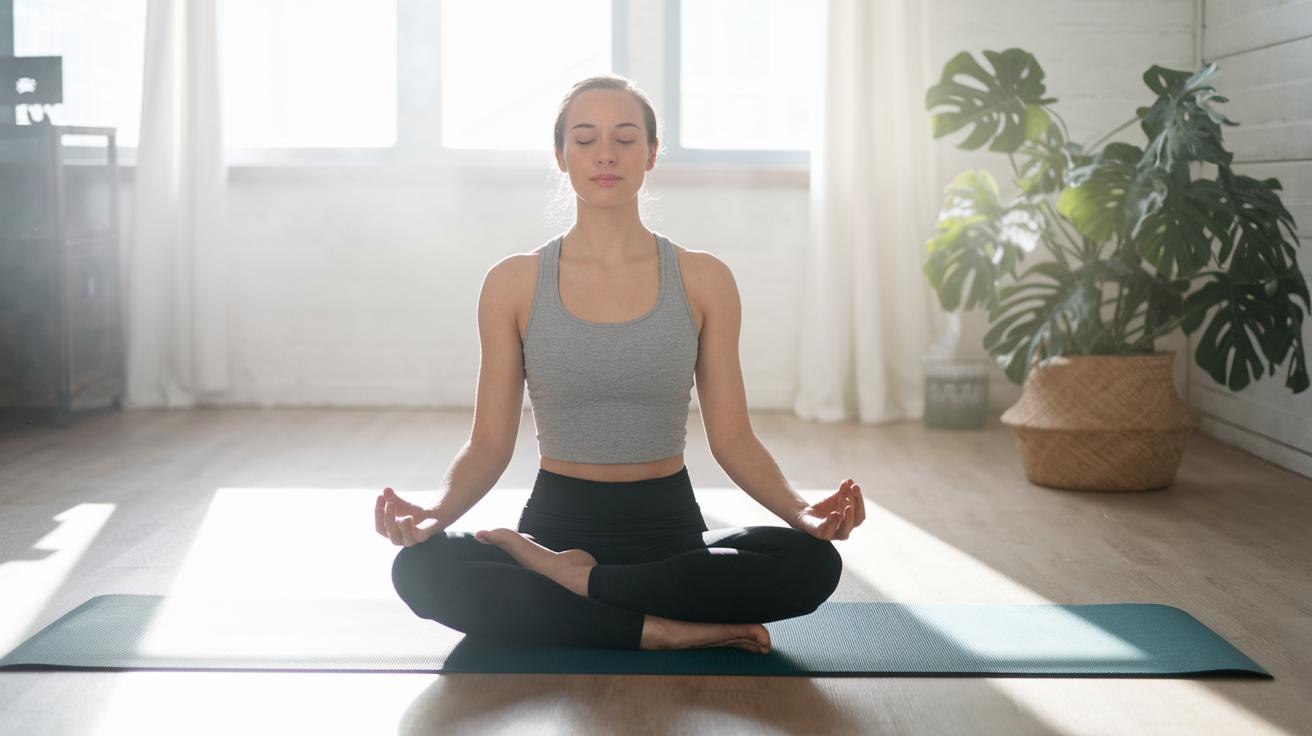
Mindful breathing helps calm your nervous system by soothing the parts that get stressed and turning on your body's natural relaxation mode. When you take slow, deep breaths, you help quiet the busy signals that normally push your body into fight-or-flight mode. This gentle practice calms your heart rate and eases your blood pressure, while boosting the flow of oxygen to clear your mind and support better blood flow.
The practice has been around for ages because it naturally helps your body handle everyday challenges. It shifts control from stress and worry to a peaceful state, letting you feel more relaxed throughout your day.
| Nervous System Branch | Effects |
|---|---|
| Sympathetic Nervous System | Sets off fight-or-flight actions, speeds up heart rate, and increases stress hormones |
| Parasympathetic Nervous System | Calms the body, lowers heart rate and blood pressure, and helps with rest and digestion |
Regular mindful breathing, like pausing for a few deep breaths now and then, has been shown to lower cortisol levels, clear your mind, and boost focus. Have you ever noticed how a few deep breaths can make your day feel a bit brighter? This simple pause helps shift your body into a relaxed state and can really support better emotional balance and overall well-being.
Daily Integration of Mindful Breathing for Emotional Regulation
Set aside 5 to 30 minutes every day to focus on your breathing. Pick a time that works for you, maybe right after you wake up or just before bed. I remember starting with 10 quiet minutes in the morning, and it soon became the reset my day really needed.
Look for natural moments during your routine. When you're on a short bus ride or waiting in line, try to slow down and breathe deeply. I once spent a few minutes on a bus, concentrating on my breath, and that small pause helped me manage a hectic day.
If you feel like you need a little extra direction, try mixing up your routine. You might even check in with a breathwork or mental health expert who can offer some guidance. Sometimes pairing your breathing practice with practical tips about healthy eating can bring a refreshing balance. I once had a professional help me adjust my breathing intervals, and it showed me a new, effortless way to find my center.
Overcoming Common Challenges in Mindful Breathing for Emotional Regulation
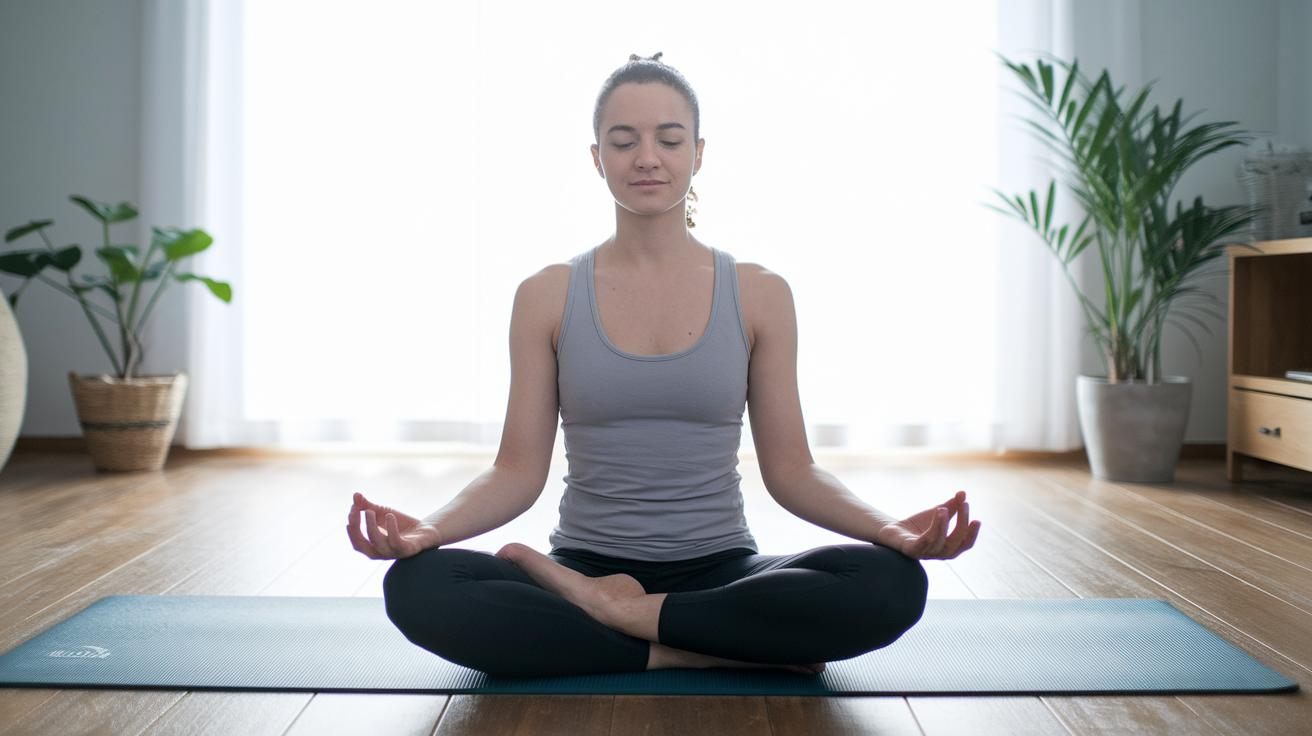
Sometimes, your mind can race and it feels almost impossible to settle into a calm breathing rhythm. A neat trick is to listen to a short, guided audio or follow some simple visual cues for 2 to 5 minutes. This little help can gently remind you to focus on your breath without letting your thoughts run wild.
When you're just starting out, it's normal to notice your mind drifting away from each inhale and exhale. Pick a quiet, calm spot and sit up straight. Slowly, you can train yourself to stay present by beginning with short sessions that let your body learn the soothing rhythm of its own breath.
There might be moments when you feel a bit lightheaded if you try to go too fast. If dizziness creeps in, take a step back and slow things down. Start with gentler, shallower breaths before moving into deeper ones. This change often helps keep you steady and in control.
As you get more comfortable with mindful breathing, try to lengthen your sessions gradually. And if you continue having trouble, don’t hesitate to reach out to a professional for some extra guidance.
Advanced Mindful Breathing Techniques for Emotional Regulation
If you've gotten comfortable with basic breath work, why not try some new techniques that help you feel even more aware of your body and gently calm your mind? These simple practices change up your breathing pace and pattern so you can better focus and relax.
Box Breathing
In box breathing, every part of your breath gets the same amount of time. Breathe in for 4 seconds, hold it for 4 seconds, then exhale for 4 seconds, and hold again for 4 seconds. Imagine drawing a square with your breath. This steady cycle smooths out your thoughts and brings a calm, clear feeling.
4-7-8 Technique
This technique is an easy way to ease anxiety and help you sleep better. Breathe in for 4 seconds, hold your breath for 7 seconds, and then slowly breathe out for 8 seconds. That slow, intentional pace relaxes your body and quiets your mind, helping you feel lighter and less stressed.
Alternate Nostril Breathing
Alternate nostril breathing helps balance your energy and even out your moods. Start by closing one nostril with your thumb, breathe in gently through the other one, then switch sides for the next breath. This simple switch can bring a sense of harmony and steadiness to your emotions.
Mixing these techniques into your daily routine can really boost your sense of calm. Taking a mindful pause between breaths lets your body settle into a natural rhythm that helps you manage emotions with ease.
Evidence and Testimonials: Mindful Breathing for Emotional Regulation

New research shows that simply focusing on your breath can really help you manage stress better. In one study, people who practiced mindful breathing every day for four weeks said their anxiety levels dropped by as much as 30 percent. Regular practice makes your body relax by moving oxygen around more efficiently and calming your nervous system. When you breathe slowly and steadily, your body lowers stress hormones, which leads to improved blood flow and clearer thinking. It really proves that a few simple, focused breaths can help keep your emotions balanced.
One nurse shared her experience of starting the day with a few minutes of deep diaphragmatic breathing, and she noticed a 40 percent drop in her stress right at the start of her shift. Her story reminds us that just a few mindful minutes can make a big difference in how you feel all day long. It shows that when you take a moment to breathe, it can bring long-lasting calm and focus to even the busiest day.
A corporate wellness study supports these personal stories too. Employees who took a guided five-minute breath session during break felt a 20 percent boost in their mood. They reported feeling more centered and clear-headed, which not only made them more productive but also improved their overall outlook at work. These findings prove that mindful breathing doesn't just help individuals; it can also create a happier and more energetic work environment for everyone.
Final Words
In the action, we explored basic exercises, daily integration, and advanced mindful practices to help manage stress and boost well-being. Brief techniques, practical scheduling, and suggested fixes for challenges were all laid out to show how easy it is to build this habit.
Keep practicing mindful breathing for emotional regulation so you experience a calmer mind and healthier body every day. Enjoy the simple steps and notice those positive changes with each breath.
FAQ
What is mindfulness?
Mindfulness is paying attention to your thoughts, feelings, and surroundings in the present. This practice guides you to be aware and calm, making it easier to manage stress and emotions.
What are mindful breathing worksheets and PDFs for emotional regulation?
Mindful breathing worksheets and PDFs provide easy-to-follow guides that explain deep, calm breathing techniques designed to help you manage stressful emotions more effectively.
What are breathing exercises for emotional regulation and mindfulness exercises for adults?
Breathing and mindfulness exercises offer simple steps like deep inhalations and slow exhalations to calm your body and mind. These techniques, often found in PDFs, help you stay centered throughout the day.
How do you practice mindful breathing for emotional regulation?
Practicing mindful breathing means focusing on slow, deep breaths—taking in air through your nose, pausing briefly, and releasing it slowly. This method helps to soothe your body and balance your mood.
What is the 444 rule for breathing?
The 444 rule for breathing involves inhaling for 4 seconds, holding for 4 seconds, exhaling for 4 seconds, and pausing for 4 seconds. This steady rhythm increases calm and emotional control.
How do you breathe to release trapped emotions?
Breathing to release trapped emotions involves deep, intentional breaths that help you recognize and let go of stress. This technique encourages a flow that can ease lingering feelings and promote relaxation.