Have you ever taken a moment to think about how your breathing might help ease your everyday stress? Mindful breathing sends a calm message to your body that you are in a safe place. Simple practices such as belly breathing or slowly exhaling can lower your stress, whether you’re busy at work or winding down in the evening.
In this post, you'll discover several easy breathing techniques that help relax your mind and body. These steps can help you feel calmer and more in control throughout your day.
Effective Mindful Breathing Exercises for Chronic Stress Relief
Taking control of your breath is a simple, free tool to let your body know it’s safe. When you slow your breathing, you gently tell your nervous system to chill out. It’s easy to fit into your day, whether you’re catching a quick break at work or winding down before bed.
- Extended Exhale – Try breathing in for 4 seconds and exhaling slowly for at least 6 seconds. You can do this while sitting at your desk or lying in bed when you feel tension rising.
- Belly Breathing – Rest your hand on your belly and notice the gentle rise and fall with each deep breath. This works great during a short pause or when you’re relaxing in front of the TV.
- Affirmation-Based Breathing – As you breathe, quietly repeat a soothing word or phrase you like. It’s a nice trick to use while you’re waiting in line or spending time in a busy setting.
- Box Breathing – Follow a steady 4-4-4-4 pattern: breathe in for 4 seconds, hold for 4 seconds, breathe out for 4 seconds, and hold again for another 4 seconds. This method is perfect before a big meeting or a stressful moment.
- Resonant Breathing – Aim for about 5 complete breaths per minute. Each full breath should take around 12 seconds. Find a quiet spot, and let your stress slowly fade away.
- Alternate Nostril Breathing – Practice this yogic method by inhaling through one nostril and exhaling through the other while sitting comfortably. It might take a little practice, but it’s very calming.
- 3-3-3 Breathing – Breathe in for 3 seconds, hold for 3 seconds, and breathe out for 3 seconds. This discreet method is handy during moments when you feel pressured.
Pick the technique that feels right for you. Give each one a try and see which helps calm your mind and guide you toward a peaceful, stress-free moment.
How Mindful Breathing Exercises Ease Chronic Stress and Anxiety
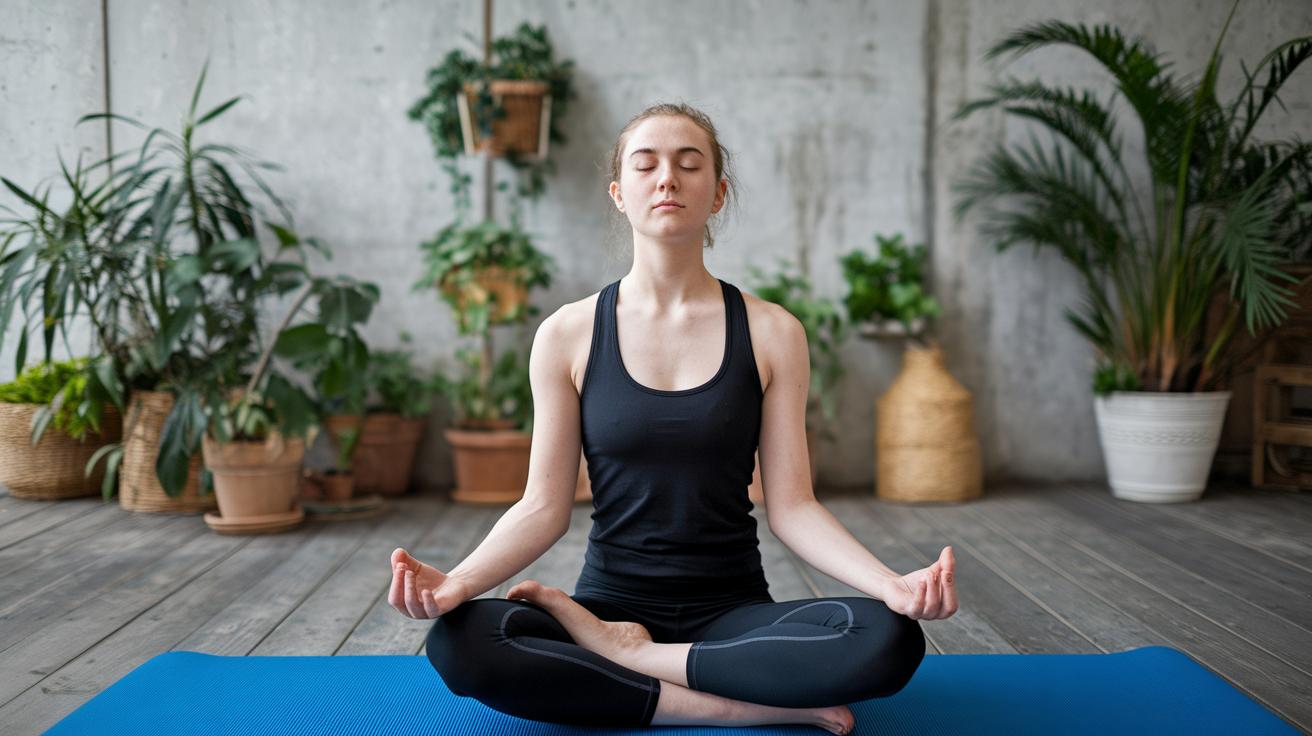
When you take slow, deep breaths, your body hears that you are safe. Each careful inhale and exhale sends a calming signal to your brain, easing your heart rate and soothing nervous energy.
Regular mindful breathing taps into the part of your body that brings calm. With each deep, measured breath, stress hormones drop, and muscle tension eases. Your heart slows down, and those tingly signs of anxiety fade away. It feels a bit like a gentle reset button for your day.
Over time, turning to your breath can make tough moments easier to handle. When anxiety creeps in, a few focused breaths help clear your mind and bring relief. It’s like giving yourself a quiet pause, one that makes everyday challenges feel a little lighter.
The Science Behind Mindful Breathwork for Stress Relief
When you try breathing exercises, your body sends a signal to relax. It uses a system in your body meant for rest and healing. Breathing slowly and deeply tells your brain that you are safe. This helps slow your heart and eases muscle tension. It really calms your emotions.
Box Breath Technique
If you want a simple way to feel calmer, try the box breath method. With this approach, you breathe in for 4 seconds, hold your breath for 4 seconds, exhale for 4 seconds, and then hold for another 4 seconds. Imagine you are drawing a square in the air with your breath. This steady rhythm can help your heart and your mind feel more balanced, almost like a quick cool-down break for your body.
4-7-8 Relaxing Breath
Another method is the 4-7-8 breathing technique. First, place the tip of your tongue gently against the roof of your mouth. Then, breathe in slowly for 4 seconds, hold your breath for 7 seconds, and exhale fully for 8 seconds. This longer exhale helps remove extra air from your body and relaxes your nerves, guiding you to a peaceful state.
Using these steady rhythms and timed pauses helps teach your body to find balance. The simple counts not only regulate your breathing but also ease stress by keeping your nerves calm and your heart steady.
Integrating Mindful Breathing Exercises into Your Daily Routine
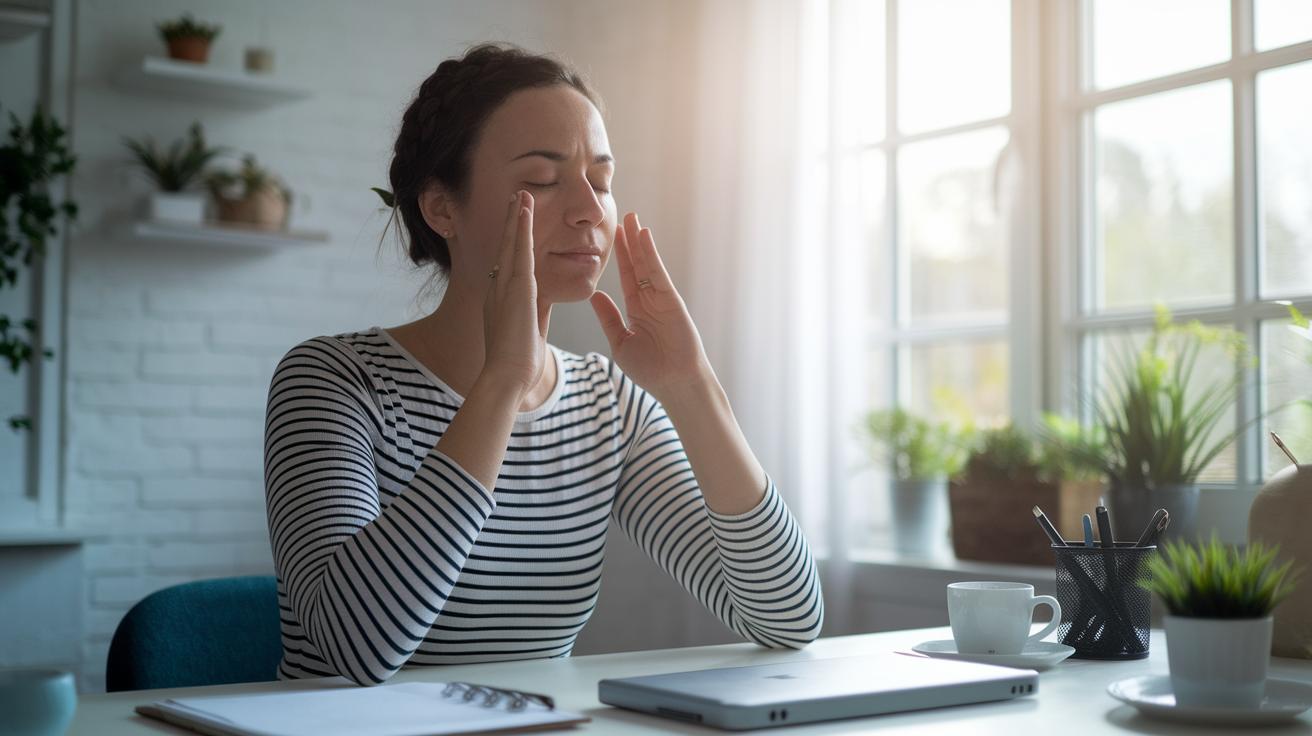
After a busy round of emails, take a moment at your desk to try the 3-3-3 breathing method. Breathe in for three counts, hold briefly, then exhale slowly. This little pause helps center your thoughts. Picture doing box breathing right before a meeting, it really helps steady your mind even when things get hectic.
Start your day by finding a quiet spot at home and taking five smooth, deep breaths. These calm moments can bring a sense of balance. Or, when you're catching up on your favorite show, try belly breathing. Just place a hand on your stomach and feel it rise and fall. It’s a nudge to slow down amidst the day’s distractions.
- At your desk during work breaks, try the 3-3-3 breathing to reset quickly.
- Before meetings, use box breathing to clear your head.
- During TV time, belly breathing offers a quick moment of calm.
- When waiting in line, try affirmation breathing to gently shift your focus.
- Early in the morning, use resonant breathing in a peaceful spot to set a balanced tone.
A handy tip: set a reminder on your phone after a task to guide you into these exercises. Keeping track with a simple note or an app can make your new breathing habit stick over time.
Resources and Support to Enhance Your Mindful Breathing Practice
Looking to get more calm in your life? Try using guided audio and video tools that walk you through simple breathing exercises. A well-known singer even offers free sessions that show you two easy breathing techniques. They make it fun and easy to follow. And if you're having trouble winding down at night, check out a sleep meditation session here: https://fitandglossy.com?p=749. It can help relax you before bed.
Sometimes a friendly professional can help even more. A therapist or counselor might create a plan that mixes these breathing exercises with other tips for handling stress. It’s all about finding the right balance to feel better every day.
Feeling overwhelmed? Don’t wait. Text "HOME" to 741-741 or call 988 if you need help quickly. These numbers are there for anyone dealing with tough stress or anxiety, offering warm and caring support right when you need it.
Final Words
In the action, we explored practical breathing techniques that support physical, mental, and nutritional well-being. We broke down easy breathing exercises like the extended exhale, box breath, and more, so you can start using them right away. Each method was shown step-by-step, making it simple to add these practices to your day. These mindful breathing exercises for chronic stress help you enjoy calmer, balanced days. Keep trying the techniques that feel right and celebrate every little win in your wellness routine.
FAQ
How can I find video resources for mindful breathing exercises for chronic stress on platforms like YouTube and NHS websites?
Searching on YouTube or visiting NHS pages will lead you to guided sessions on mindful breathing exercises that offer clear, step-by-step instructions to help ease chronic stress.
What are some simple breathing exercises for stress relief, especially for beginners?
Simple methods like box breathing, belly breathing, and the 3-3-3 pattern are designed with beginners in mind, offering clear steps that allow you to regain calm and ease tension.
How can specific breathing techniques improve lung function and ease anxiety?
Techniques that focus on deep lung inhalations and mindful exhalations can help clear your lungs and ease anxiety by slowing your breath and promoting a calmer, more relaxed state.
What does the 4-7-8 breathing method involve and how does it help reduce stress?
The 4-7-8 method consists of inhaling for four seconds, holding for seven seconds, and exhaling for eight seconds, which guides your body toward relaxation by activating your natural calm signals.
How does mindful breathing help in stressful situations?
Mindful breathing eases stress by slowing your breathing rate and sending safety signals to your body, thereby interrupting negative stress patterns and fostering a sense of calm and centered focus.