Have you ever noticed how a slow, deep breath can bring a sense of calm? Taking gentle, measured breaths might seem like a tiny act, but research tells us they can help relax your body and lower those stress hormones. When you pay close attention to each breath, letting air flow in and out, you give your brain a little break from its busy, racing thoughts. This simple practice can help you feel more steady and in control as you go about your day. Mindful breathing is a clear, easy way to quiet the everyday clamor and invite a peaceful moment into your life.
How Mindful Breathing Improves Mental Health: Calm
Mindful breathing is a simple, yet powerful way to bring you back into the moment. It means paying attention to the feeling of your breath, notice how your chest rises and falls, and how a cool puff of air touches your nose as you inhale, and a gentle warmth leaves your body as you exhale. Imagine closing your eyes for a moment and just letting your breath be your focus. This little pause helps quiet distracting thoughts and tells your body it's time to relax.
Taking a few minutes each day for mindful breathing can really change how you feel, both in mind and body. Slowing down your breathing can lower your heart rate and blood pressure, and it helps cut down those stress chemicals, like cortisol and adrenaline. Research shows that practicing mindful breathing regularly can teach your nervous system to cope with stress, easing feelings of anxiety and even lightening symptoms of depression. With a clearer mind and steadier mood, you might find it easier to handle daily pressures.
- Stress reduction
- Anxiety relief
- Improved concentration
- Emotional regulation
- Better sleep
Physiological Effects of Mindful Breathing on the Body
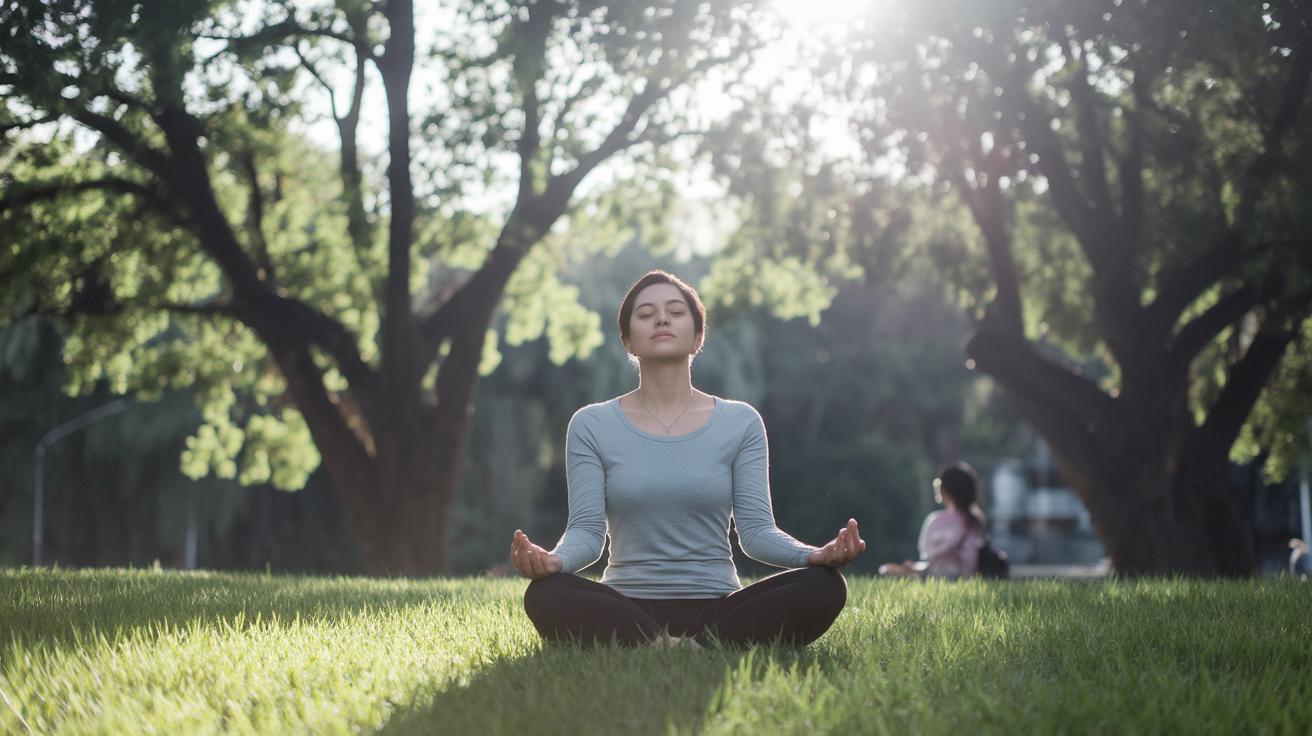
Taking slow, deep breaths can really change the way your body feels and works. When you breathe using your diaphragm, your lungs open up completely. This simple act can help slow your heart rate and lower your blood pressure. It works because your body moves into a calm state by turning on the parasympathetic system, which is like pressing a natural pause button that eases muscle tension and cuts back on stress chemicals like cortisol.
Breathing in a steady, rhythmic way also helps your brain shift to a more relaxed mode and gets more oxygen flowing through your body. Studies show that mindful breathing can boost lung function and even help clear toxins from your system, leaving you feeling generally more at ease. Plus, this controlled breathing gives you a moment to tune in to your body's needs, especially when you’re feeling overwhelmed.
| Benefit | Body’s Response |
|---|---|
| Slower heart rate | Calm response from the parasympathetic system |
| Lower cortisol | Less stress hormones in your body |
| Enhanced lung function | Better oxygen flow and toxin removal |
| Balanced nervous system | A steadier reaction to stress |
Mindful Breathing for Stress and Anxiety Reduction
Mindful breathing can help you feel calmer and more relaxed. When you take slow, deep breaths, your body learns to relax and releases stress chemicals like cortisol, which is a stress hormone. Focusing on your breathing tells your brain it’s time to unwind, which can even slow your heart rate. This simple practice helps train your body to react more gently when things get tough.
Try this easy breathing routine to ease your stress:
- Sit comfortably and let your shoulders drop. Imagine you’re sinking into a cozy chair.
- Breathe in through your nose for 4 seconds. Picture cool, fresh air filling your lungs.
- Pause for 1 second. This little break reminds you to enjoy the moment.
- Breathe out slowly for 8 seconds. Picture your worries drifting away with your exhale.
- Do this for 5 to 10 minutes. Practice it regularly to help reduce stress.
This gentle breathing pattern is like a soothing balm for your mind. In just a few minutes each day, you may notice less anxiety and more calm. With steady practice, this exercise becomes a friendly tool to help you manage stress during busy or challenging days.
Enhancing Focus and Cognitive Clarity Through Paced Respiration
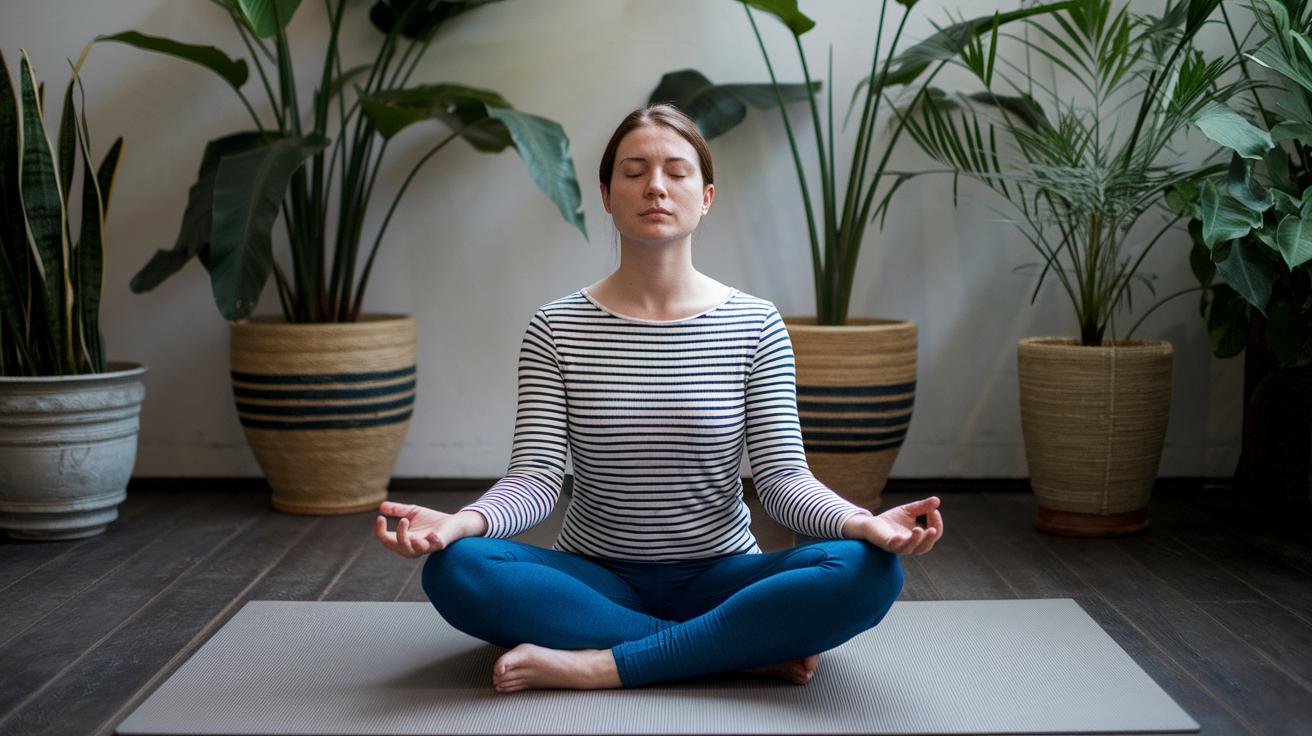
When you take a moment to really notice your breath, you become more present. That cool air coming in and warm air leaving create a gentle rhythm that helps push away distracting thoughts. Give it a try, sit quietly for a minute and notice how each breath feels like a mini reset for your mind.
Next, pay attention to how your body moves as you breathe. Feel your belly rise with each deep breath and fall as you exhale. You can even notice the air as it passes your nostrils. This little practice is like exercising your brain, helping you tighten your focus just as regular workouts strengthen your muscles.
Keep practicing, and you'll see your mind become clearer over time. Studies even suggest that short sessions of mindful breathing can boost your concentration. When you bring this clarity into your daily tasks, whether it's work or a peaceful pause, you might just find that staying focused becomes easier.
Practical Mindful Breathing Techniques and Exercises
Mindful breathing is a soothing way to refresh your mind. When you simply pay attention to your breath, you can see each moment more clearly. This easy routine fits into your day and helps clear away wandering thoughts to bring a deep sense of calm.
Diaphragmatic Breathing
For diaphragmatic breathing, focus on letting your belly expand when you breathe in. Think of it like gently inflating a small balloon as fresh air fills your lungs. When you exhale, let your belly soften and relax, releasing any built-up tension. This simple act can calm your mind and relax your body.
Box Breathing
Box breathing splits your breath into four even parts. First, breathe in slowly for 4 seconds. Next, hold that breath for another 4 seconds. Then, exhale for 4 seconds. Finally, pause for 4 more seconds. Imagine each part as a side of a box, keeping your rhythm steady. This balanced approach helps reduce stress and clears your thoughts.
Alternate Nostril Breathing
Alternate nostril breathing is as simple as it sounds. Use your finger to gently close one nostril while you breathe in deeply through the open side. Then, switch and breathe out through the other nostril. Alternating your breath like this can help balance the air flow and center your mind. It’s a refreshing way to shift your focus.
- Choose a quiet space
- Set a timer for 5 to 10 minutes
- Keep your shoulders relaxed
- Notice the rise of your rib-cage or belly
- When thoughts wander, gently label them as “thinking”
- Celebrate your progress without any judgment
Integrating Mindful Breathing into Daily Life for Holistic Wellness
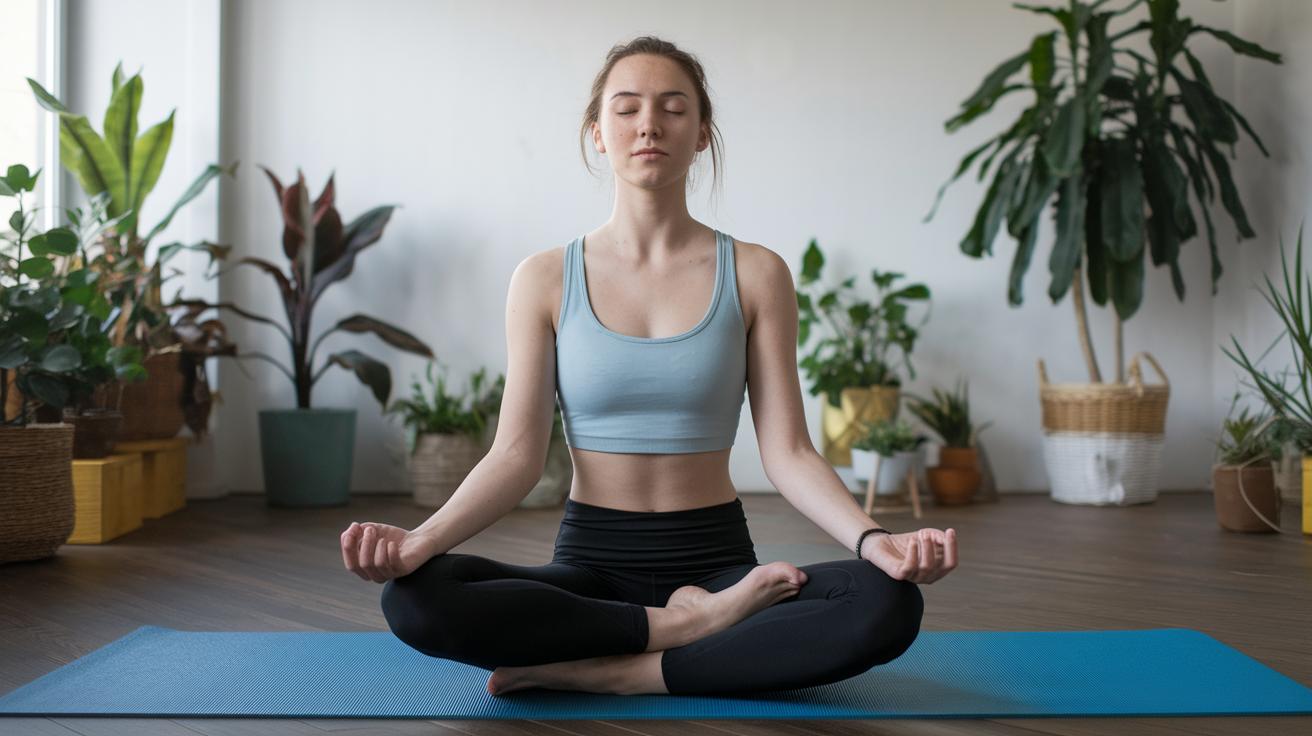
Adding mindful breathing into your day can help improve your overall well-being in a really simple way. Taking slow, deep breaths not only makes it easier to get a good night's sleep, it also makes you more aware of how you feel throughout the day.
When you take a moment to breathe deeply during work breaks, while taking a walk, or even while waiting in line, you gently bring your mind back to the here and now. This regular practice can calm aches and pains and even help your digestion by getting more blood flowing gently to your tummy.
Studies show that a few deep breaths before bed can help you sleep better, while a short breathing break during a busy day can really lift your mood. Making room for just a few minutes of mindful breathing each day helps your body find its natural rhythm, guiding oxygen throughout your body and creating a calm state that benefits both your body and mind.
- Morning breath check before starting work
- Midday pause between meetings
- Breath practice before meals for digestion
- Evening session to wind down
Final Words
In the action, we saw how mindful breathing can calm the mind and body. Simple practices like counting your breath help lower stress and boost focus. The post shared how this technique eases anxiety, improves sleep, and supports overall well-being. By integrating these steps into your day, you can enjoy mindful breathing benefits for mental health that are both real and reachable. Keep practicing, and feel the calm develop with every breath.
FAQ
What are the benefits of deep and mindful breathing?
The benefits of deep and mindful breathing include stress reduction, anxiety relief, improved focus, emotional balance, and better sleep. It also boosts oxygen levels and helps lower stress hormones.
How does mindful breathing help mental health?
Mindful breathing helps mental health by anchoring your focus on the present, reducing distracting thoughts, and triggering a relaxation response that lowers your heart rate and stress hormones.
What benefits does mindful breathing offer to students?
Mindful breathing offers students improved concentration, reduced exam stress, and greater emotional balance. It helps clear the mind, keeping students calm and focused during study sessions and tests.
Does deep breathing cure everything?
Deep breathing doesn’t cure every ailment, but when practiced regularly, it significantly reduces stress and promotes relaxation. It works best when combined with other health and wellness practices.
What breathing meditation techniques work well for beginners?
Breathing meditation techniques for beginners include diaphragmatic breathing and the 4-8 count method, which are easy to follow and help trigger a calming relaxation response.
What are the spiritual benefits of conscious breathing?
Conscious breathing offers spiritual benefits by fostering inner calm and self-awareness. It helps you connect with the present moment, promoting feelings of peace and balance.
What does it mean to practice conscious breathing all day?
Practicing conscious breathing all day means integrating mindful breath awareness into your daily routine. This consistent practice supports ongoing calm, better focus, and a healthier stress response.
How does the respiratory system affect mental health?
The respiratory system affects mental health by providing oxygen to the body and regulating stress responses. Proper breathing activates the relaxation system, lowering stress hormones and promoting mental well-being.