Have you ever wondered if a few quiet minutes could truly clear your mind? Picture your thoughts lifting like a light fog on a fresh morning. Today, we explore a simple practice that might help ease your stress and boost your memory. Some studies even suggest that focusing on your breath can bring a gentle sense of calm and balance. We'll show you how zeroing in on one point can clear the mental clutter that everyday distractions create.
Meditation for Focus: Elevate Mental Clarity
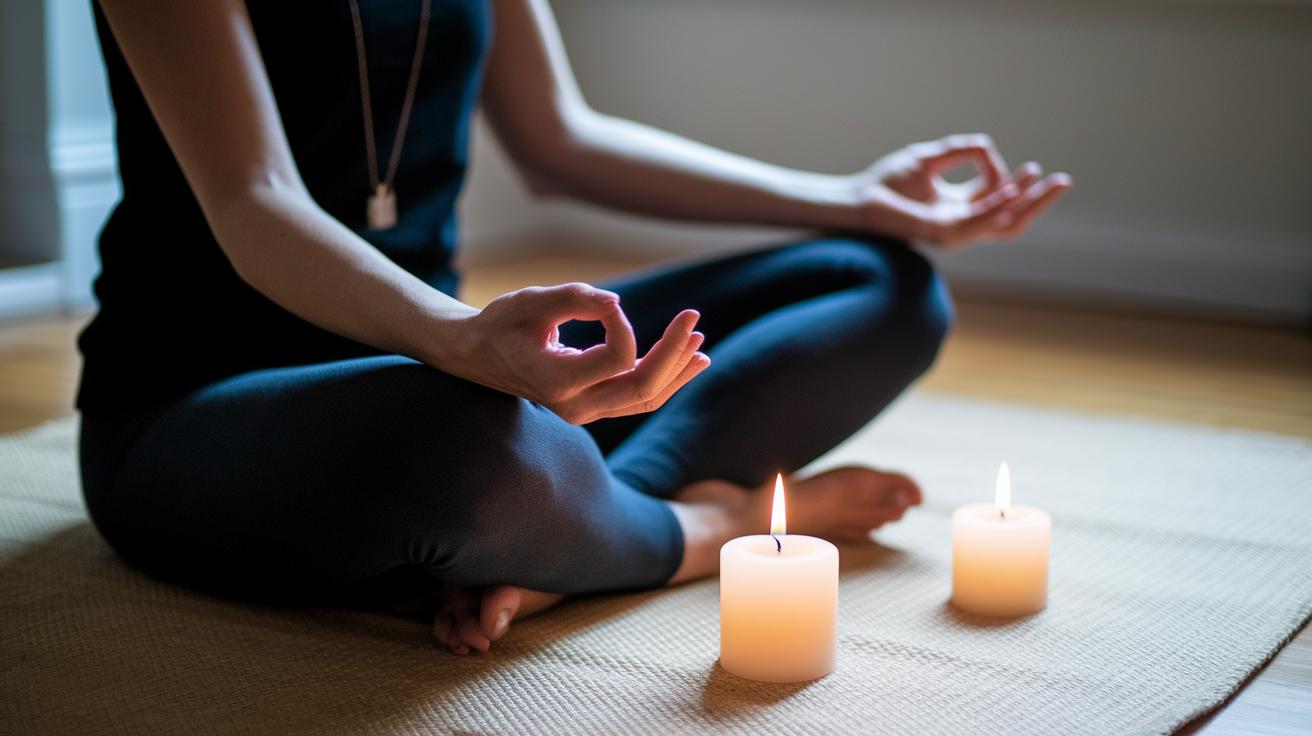
This type of meditation, sometimes called concentration meditation, helps you keep your mind on one thing. You might focus on your breath, watch a gently flickering candle, or repeat a simple word. For more details, take a look at meditation definition psychology. It’s all about noticing when your mind wanders and kindly guiding it back to your chosen focus.
Research tells us that practicing this kind of meditation can be very helpful. Studies have found that regular sessions can lower stress, boost memory, and raise your overall self-awareness. Many people also report feeling more relaxed and balanced emotionally, which not only clears up mental clutter but also helps their body relax.
The idea is simple. You sit and let your natural breathing be your guide. When thoughts or feelings come rushing in, you notice them without judgment and gently bring your focus back to your breath. This simple act of returning each time builds up your concentration and can even help you tackle everyday challenges with more ease.
- Better concentration
- Lower stress levels
- Greater self-awareness
- More emotional balance
- Improved memory
- Lower blood pressure
- Increased mindfulness
- Greater patience and compassion
- Relief from ADHD symptoms
- Overall wellbeing
By making this meditation a part of your daily routine, you might find that work, studies, and personal tasks become easier. Over time, keeping your mind calm and centered can bring a refreshing clarity to your day.
Step-by-Step Meditation for Focus Practice
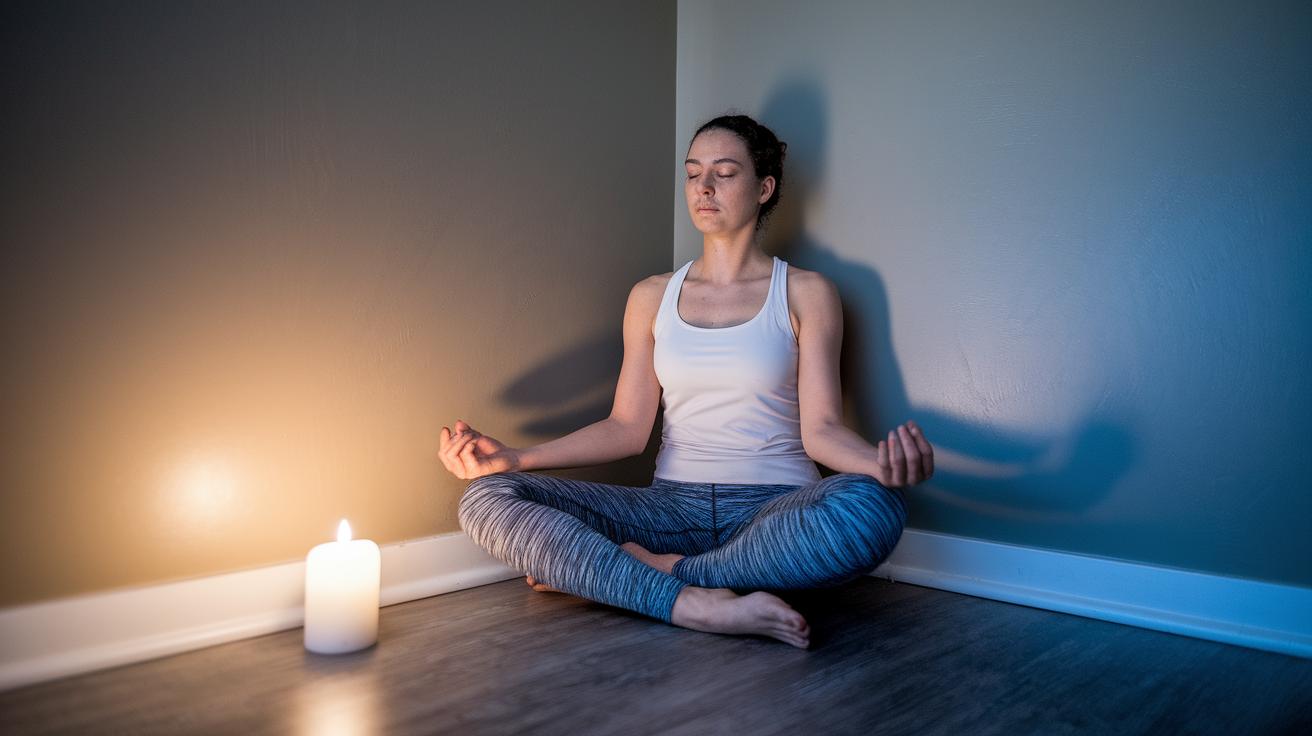
Find a quiet spot where you won't be bothered. It could be a cozy corner at home or your favorite park bench. This special place helps you get into the zone and keeps distractions at bay.
Pick one thing to focus on. It might be the feeling of your breath, the soft glow of a candle, or a simple phrase you repeat. This becomes your anchor. It gently keeps your mind from drifting off. For example, just tune in to the natural rhythm of your breathing without trying to control it.
Sit comfortably with good support for your hips. Make sure your feet are flat on the ground and your back stays straight but relaxed. Think of it like sitting casually at your desk – you want to feel steady and at ease.
Let your natural breath be your guide. When thoughts or feelings pop up like unexpected visitors, just notice them without any harsh judgment. Then, kindly shift your focus back to your chosen point. This simple act of coming back each time builds your concentration little by little.
- Find a quiet spot free of distractions.
- Choose one thing to focus on, like your breath or a calming phrase.
- Sit with your hips supported, feet on the floor, and a relaxed, upright back.
- Let your natural breathing guide you.
- If distractions arise, gently bring your attention back.
Try these steps regularly to sharpen your focus and clear away mental clutter. Over time, you'll find it easier to stay centered, no matter where you are.
Guided Meditation Formats for Deep Focus
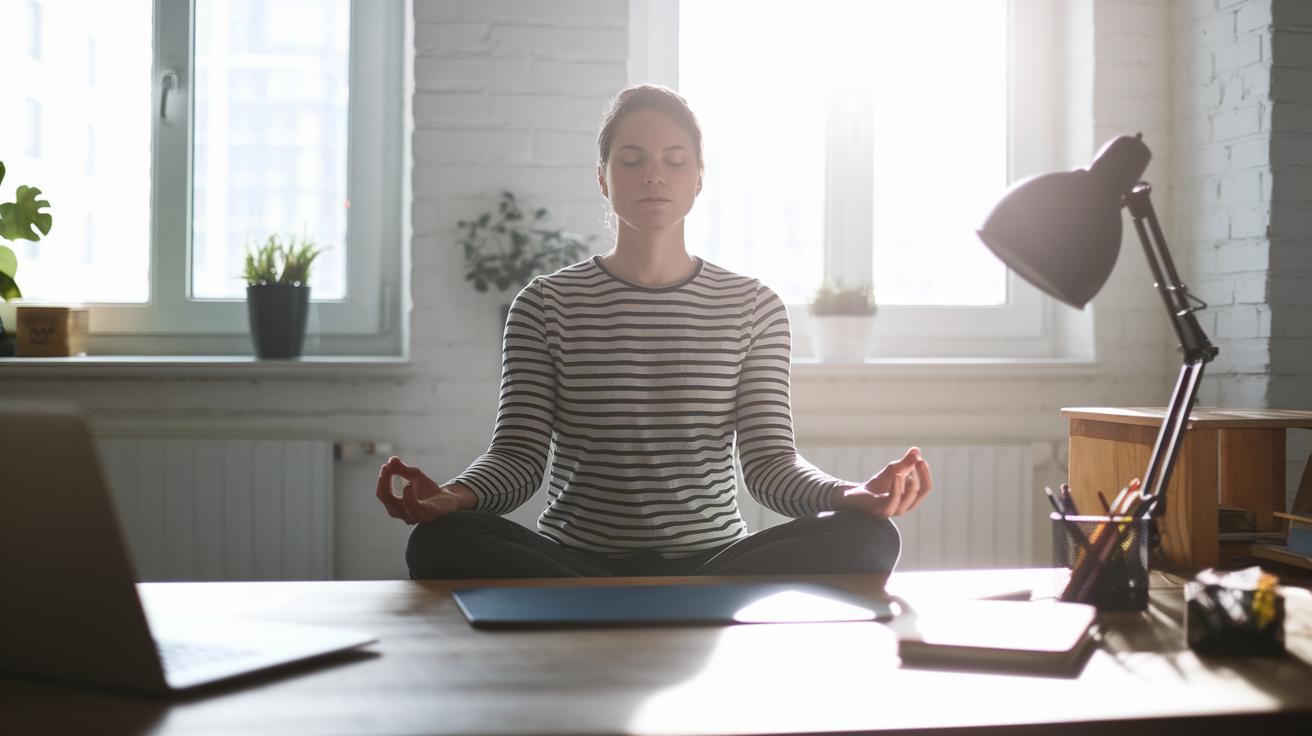
Today, you can try a quick 1-minute pause to help calm your mind amid a busy day. This mini break lets you stop for a moment, take a deep breath, and feel a little more centered before you move on to the next task.
If you have a few more minutes to spare, consider a short 3- or 5-minute session that gently boosts your focus. Imagine taking a sunlit break during work, closing your eyes, and following a smooth, rhythmic breath. You might even hear a soft bell signaling the end, inviting you to open your eyes with a fresh sense of calm.
For a deeper experience, a 10-minute guided practice can help sharpen your attention further. Some folks even enjoy a 12-minute version if they have a bit more time to dive into the breath and feel the gentle flow of calm with each inhale and exhale.
Pick the meditation that fits your day best. Even a short moment of focused breathing can brighten your mindset and help build a regular habit of calmness.
Audio and Digital Tools Supporting Meditation for Focus
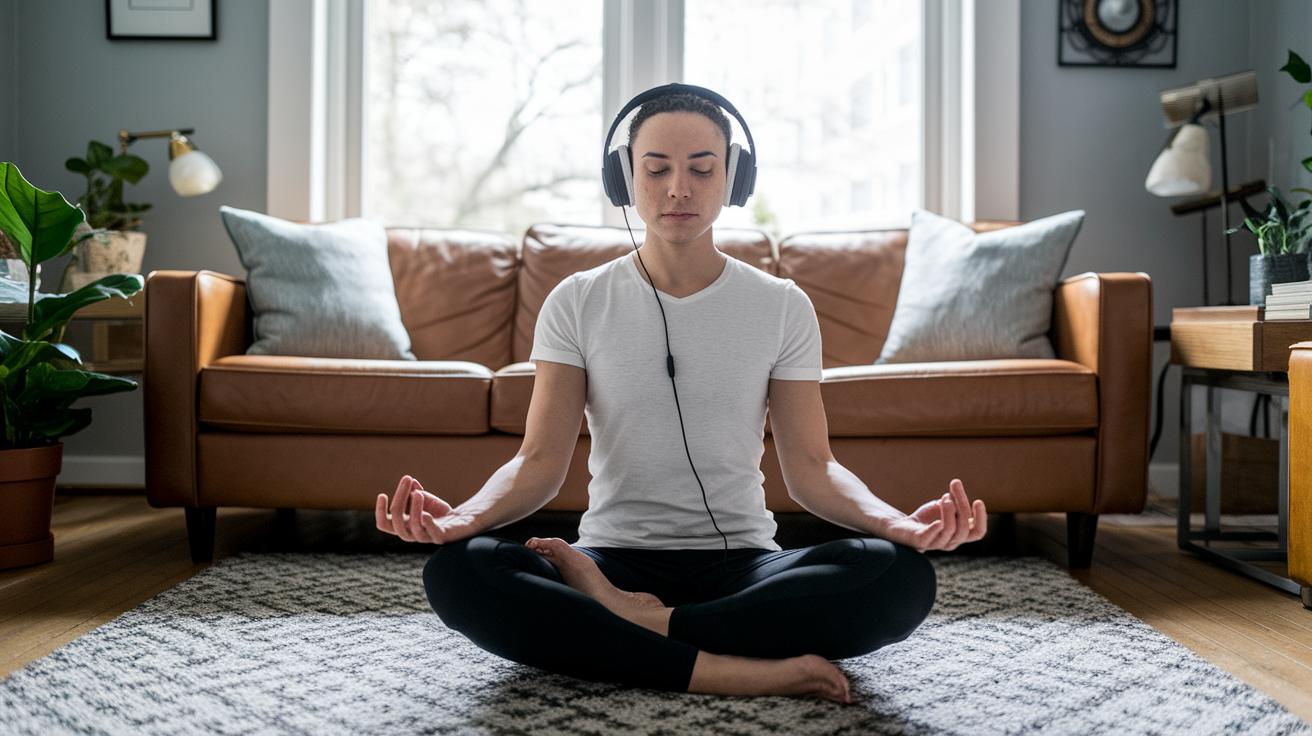
Many meditation apps now come with a friendly voice guiding you through each breathing exercise. This helps beginners stay on track with ease. Imagine tapping into an app that plays soothing tunes and even tracks your progress over time, showing you how your focus slowly gets sharper. One user shared, "Listening to a kind voice paired with gentle background sounds really helped me feel balanced."
These tools also offer a range of audio options. You can pick from nature-like soundscapes that bring the calm of the outdoors right to you, or choose music playlists designed to keep your mind steady.
Online classes and workshops add a helpful boost to your meditation journey. With carefully organized programs available at your own pace, you learn simple methods to nurture a steady meditation habit. This makes it easy to work in meditation into your daily routine, even if you’re just starting out.
Common Challenges and Solutions in Meditation for Focus
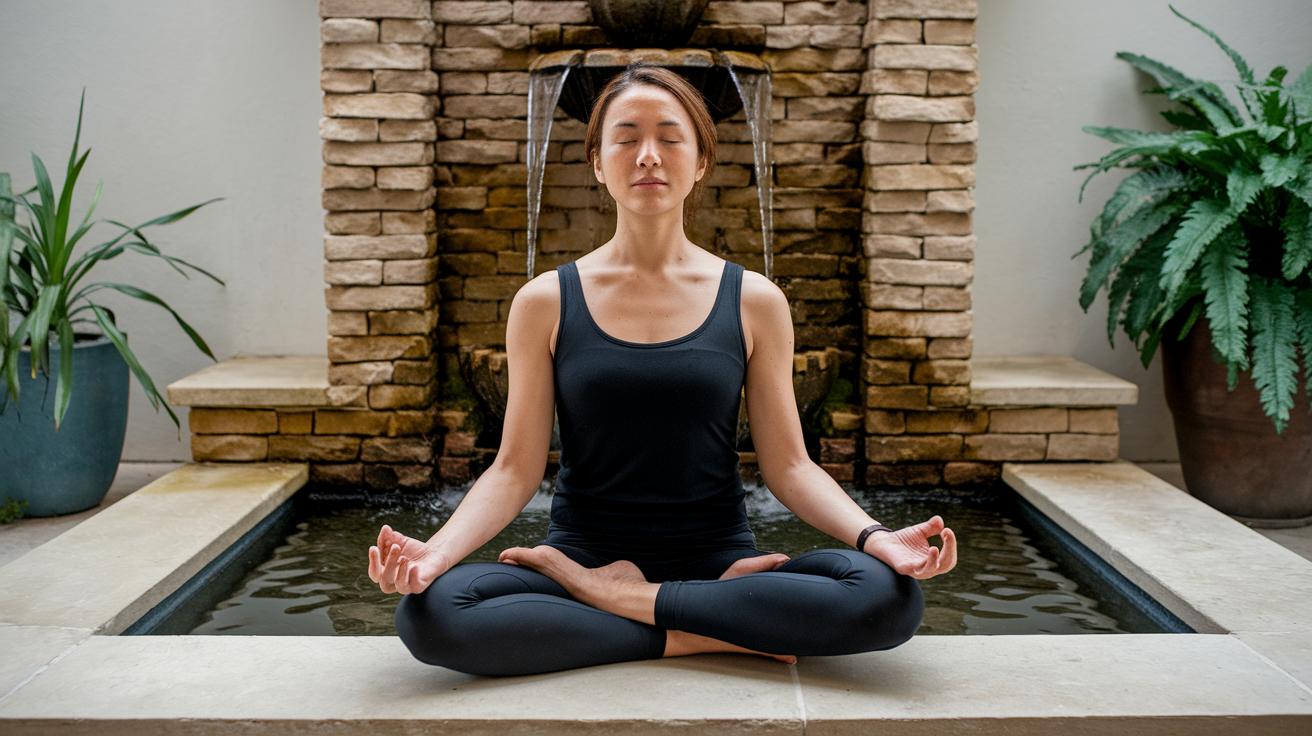
When you’re just starting out with meditation, it’s normal to feel frustrated or impatient when your mind jumps from thought to thought. A helpful trick is to gently name your feelings. For instance, if you feel irritated, try saying, "I notice frustration," and then let that feeling drift away like a soft breeze.
Sometimes, repetitive thoughts can bring up deeper emotions. Instead of only spotting the distraction, take a moment to sit with any underlying feeling. For example, you might say, "I feel a tinge of sadness," pause, and then slowly guide your focus back. This small step can ease the pull of repeated thoughts and give you a better understanding of your inner state.
If focusing solely on your breath feels too rigid, consider mixing things up a bit. You can try a quiet mantra or picture a calming scene. For example, saying, "Picture the soothing ripple of a quiet stream," might offer a gentle visual cue to clear your mind.
- For managing frustration: Label your feelings as they arise.
- For recurring thoughts: Acknowledge any underlying emotion to ease its impact.
- For a personalized approach: Use a gentle mantra or a calming visual cue to focus.
| Challenge | Advanced Technique |
|---|---|
| Frustration in beginners | Label your feelings when they arise, like saying “I notice frustration.” |
| Recurring disruptive thoughts | Recognize and name any hidden emotions to lessen their hold. |
| Emotional overload | Shift your focus to a calming mantra or a peaceful image, such as a quiet stream. |
Integrating Meditation for Focus into Daily Routines

Begin your morning with a quick 5-minute meditation. Sit by your bed or in your favorite cozy spot at home. This small break can clear your mind and fill you with energy, getting you ready for the day. Picture the gentle flow of your breath waking you up softly.
During work or study, take a short pause to focus your mind. Find a quiet place, a park bench, your office desk, or even a calm corner during lunch. It’s like hitting a pause button on all the hustle, letting you tune in to your own steady rhythm.
Make it a little ritual that fits easily into your day. Maybe try a few minutes of mindful breathing before an important meeting or task. Here are some simple tips to help you reset quickly:
- Take a break to enjoy a few deep, slow breaths.
- Pick a spot that feels calm, whether it's at home, outdoors, or in your office.
- Remember that even a tiny pause can boost your concentration.
Keep adding these short sessions to your daily routine. Whether you’re at your desk, out in nature, or relaxing by your bed, regular mindful moments can sharpen your focus and increase your productivity. Over time, these little breaks become a strong habit, setting a positive tone for every part of your day.
Scientific Evidence Behind Meditation for Focus
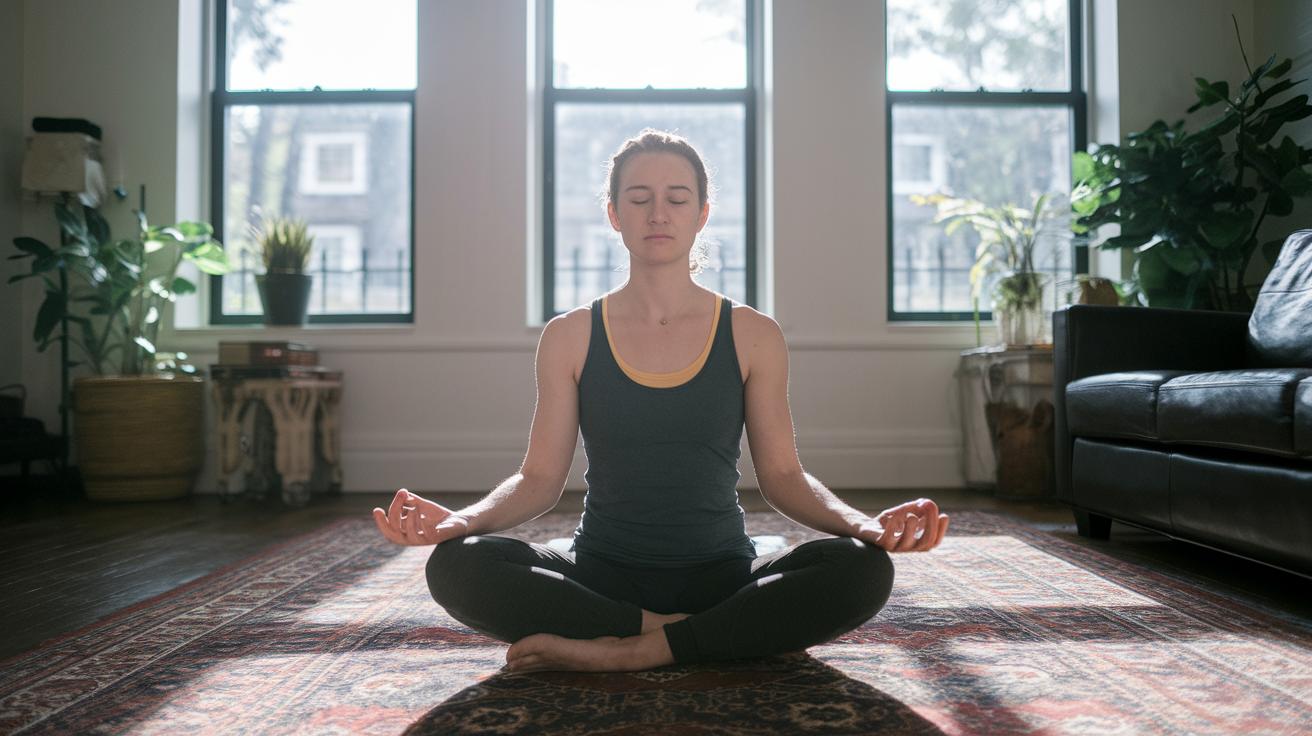
Research shows that taking a few minutes for a focused breathing session can help lower your stress hormones. When you sit quietly, close your eyes, and pay attention to your breath, your body starts to relax on its own. It's pretty amazing to know that even short bursts of focused breathing can make a big difference in your stress levels.
Regular practice of this simple meditation can help improve your focus, boost your memory, and even make problem-solving easier. Imagine working on a puzzle with a calm mind, you can see how each piece fits better. Studies have even rated focused attention meditation higher than some other methods when it comes to improving concentration. Even a little bit of meditation can help you stay on task more effectively.
Many people also notice that regular meditation brings benefits like lower blood pressure and better control over their emotions. The calm you feel after just a few minutes of focusing on your breath can make everyday stresses easier to handle. As one study noted, after a short meditation session, many people found that daily challenges seemed less overwhelming.
| Benefit | Result |
|---|---|
| Lowered cortisol | Less stress |
| Extended attention span | Better focus |
| Enhanced memory recall | Improved memory |
| Improved problem-solving | Sharper thinking |
All of these benefits make a strong case for adding a little meditation into your daily routine. It's simple, backed by science, and can help you feel calmer and more focused every day.
Final Words
In the action, the post shows how meditation for focus builds clear concentration and calm. It explains a step-by-step guide using the natural rhythm of your breath, offers practical tips for short and longer sessions, and recommends simple audio tools to keep your mind on track. The ideas cover setting up quick exercises, handling distracting thoughts, and even fitting practice into busy moments. Enjoy putting these tips into practice to feel more steady, clear, and energized each day.
FAQ
FAQ
What is the best meditation for focus and concentration?
The best meditation for focus uses a focused attention technique that zeroes in on your breath or a single object. This practice builds clarity and helps silence distracting thoughts.
How can meditation improve focus, productivity, and memory?
Meditation improves focus by training your mind to stay on task. This mindful practice reduces stress, which can boost productivity and sharpen memory recall.
Is there a quick guided meditation for focus, like 3 or 5 minutes?
Short guided sessions, lasting three or five minutes, offer an immediate reset. They guide you to focus on your breath, clear mental clutter, and regain concentration quickly.
What type of meditation is good for focus?
Focused attention meditation, which centers on a single point like your breath, works well for concentration. It gently trains your mind to ignore distractions and remain in the present.
Will meditation improve focus?
Yes, consistent meditation builds a habit of returning your focus to the present. With regular practice, you may experience improved concentration and reduced scattered thinking.
Can meditation help with ADHD?
Meditation may help manage ADHD by strengthening your ability to direct attention. Its calming, focus-enhancing benefits support impulse control and can complement other strategies.
How can I focus in 5 minutes?
A five-minute mindfulness exercise can reset your attention. Sit quietly, concentrate on your natural breath, and gently bring back stray thoughts to this simple, calming routine.
Where can I find meditation scripts for focus?
Many apps and online resources offer meditation scripts. These step-by-step guides provide clear instructions, helping you establish a reliable practice for boosting concentration.
What do online communities say about meditation for focus?
Users on platforms like Reddit share tips and personal experiences about meditation for focus. They recommend trying various techniques until you find one that fits your lifestyle.