Have you ever felt like your thoughts are a noisy crowd you just can’t shake off? Taking a few minutes for meditation can feel like a small break where you let your body relax and your mind slow down. Imagine each deep, slow breath as a cool breeze that calms your racing thoughts and eases a pounding heart. This simple practice helps turn stress into a steady, peaceful calm, giving you a moment of quiet in your busy day.
Meditation for Anxiety Reduction: Feel Calmer Today
Meditation is like leaving behind a noisy crowd and stepping into a quiet, peaceful room. It helps quiet your mind and soothes your body's stress signals. With deep, mindful breaths, your heart slows down and your muscles relax. Picture it as switching off a loud, never-ending alarm inside you.
This simple practice gently shifts your focus away from overwhelming worries. It creates a calm space where you can simply notice your feelings without getting swept along by them. Think of each thought as a leaf drifting on a soft, gentle stream, gradually easing that tight, anxious feeling.
- Racing thoughts
- A pounding heart
- Sudden bouts of anxiety
- Sweaty palms
- Tight muscles
Making meditation a regular habit can naturally guard you against everyday stress. It eases both your mind and body by reducing signs like a racing heart and sweaty palms while quieting the constant inner chatter. Even a few minutes a day can transform anxious chaos into a soothing, steady calm. Over time, this practice builds up your strength, helping you face stress with a more relaxed and resilient outlook.
Effective Meditation Techniques for Anxiety Reduction
When you're feeling anxious, meditation can be a gentle way to ease tension and help you feel more at peace. There’s no one-size-fits-all method, so try different techniques until you find the one that suits you best. It’s like finding the perfect pair of shoes, you want something that fits just right.
Mindfulness Meditation invites you to focus on the present moment without judging your thoughts. Imagine your feelings like leaves floating on a calm stream. You might quietly think, "I see this feeling," and let it drift away naturally.
Loving-Kindness Meditation is about sending kind thoughts to yourself and others. By softly saying phrases like "May I be calm" or "May you feel safe," you gently warm your heart and shrink feelings of loneliness.
In Body Scan Meditation, you slowly focus on different parts of your body, starting at your head and moving to your toes. This method is like giving yourself a mindful, soft stretch that highlights where you might be holding tension.
Guided Meditation uses a calm voice to lead you through relaxing steps. This gentle guidance usually combines breathing exercises, clear images, and a focus on the moment, which is really helpful if you’re new to meditation.
Breath Awareness Meditation naturally centers on your regular breathing. By counting your inhales and exhales, you keep yourself anchored in the now. Every breath serves as a fresh start for calm.
Progressive Muscle Relaxation is a simple way to shift your focus. By tensing your muscles and then slowly relaxing them, you notice the clear difference between stress and calm, which can make your whole body feel more at ease.
Each of these techniques offers a warm and welcoming way to soothe anxiety. Try them out and see which method makes your day a little lighter.
Guided Meditation Practices for Anxiety Reduction
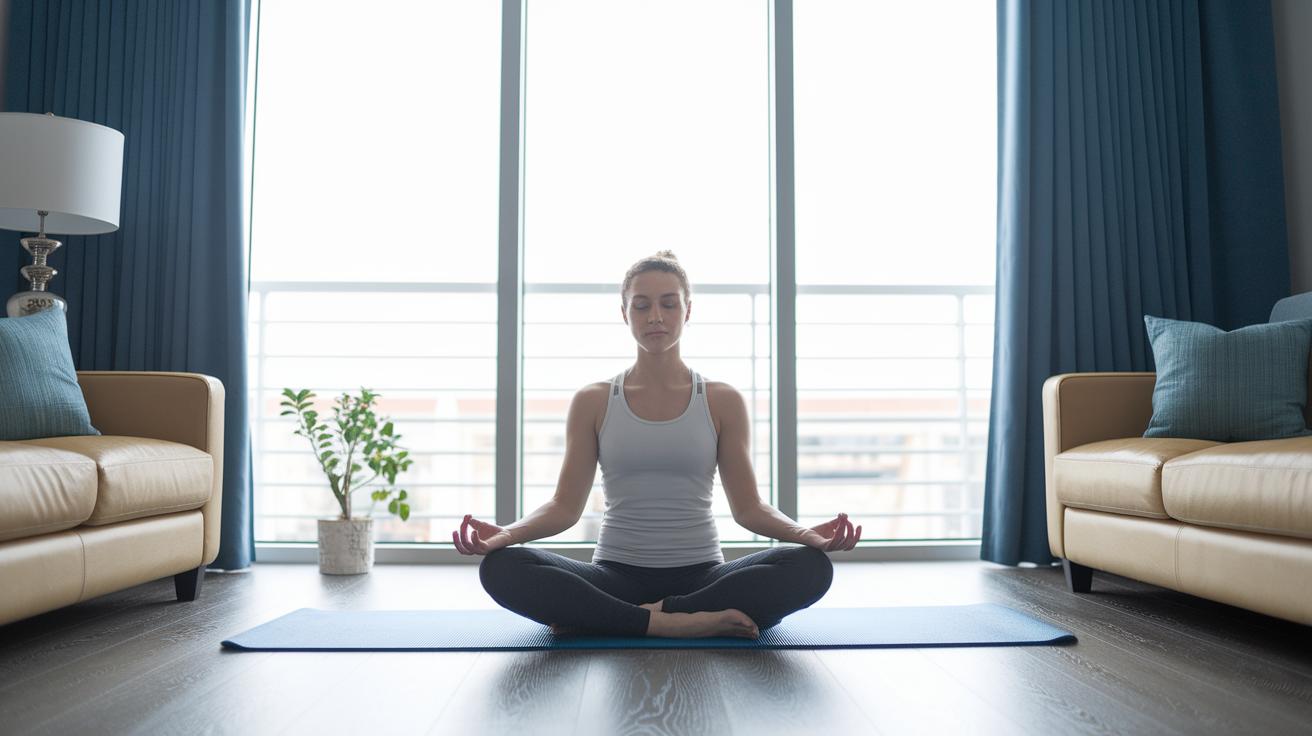
Ever feel overwhelmed and just need a moment to breathe? A short guided meditation may be just what you need to ease your anxious thoughts. You can choose a quick 5-minute breathing session, a 10-minute mindfulness session, or a 20-minute body scan. Each practice gently guides you back to a calm and centered state, even on busy days.
For a 5-minute breathing break:
- Sit comfortably where you can relax.
- Close your eyes and slowly breathe in for four counts.
- Then, gently breathe out for six counts.
- Focus on how your chest and tummy move as you breathe.
- Keep this rhythmic pattern for five minutes.
For a 10-minute mindfulness session:
- Sit with a straight back and allow your eyes to close softly.
- Notice your thoughts as they pop up, without judging them.
- Pay attention to how your body feels and any sensations that come along.
- When you notice your mind drifting, kindly bring your focus back to your breath.
- Let each thought pass by like leaves floating down a stream.
- Stay in this mindful state for the full ten minutes.
For a 20-minute body scan:
- Lie down in a quiet spot where you feel safe and undisturbed.
- Begin by focusing on your toes, noticing any slight tension.
- Slowly shift your attention upward through your feet and ankles.
- Pause for about 10 to 15 seconds on each muscle group.
- Move your focus through your legs, tummy, chest, and arms.
- Give special attention to your neck and shoulders, letting any stiffness melt away.
- Finish with a deep, thoughtful, full-body breath.
Each session is easy to adjust based on your day. Start with a short practice when time is tight, and gradually extend your meditation as you start feeling more comfortable with these calming techniques.
Scientific Backing of Meditation for Anxiety Reduction
Academic studies show that meditation can help calm anxiety. A popular eight-week course, the Mindfulness-Based Stress Reduction (MBSR) program, uses simple techniques like focused breathing, noticing how your body feels, and gentle movement. This approach is made to help you take a step back from daily stress. Later on, experts mixed in thinking skills to create Mindfulness-Based Cognitive Therapy (MBCT). This method blends meditation with ways to change negative thought patterns, helping you move your focus away from worries and find a gentle, mindful calm.
In one study with 82 people, researchers compared a short, 10-minute guided meditation to just listening to an audiobook. The meditation group showed a clear drop in nagging, repetitive thoughts. It’s amazing to see that even a brief session can ease both the mental and physical signals of anxiety. This proof supports the idea that guided meditation is a trusted way to relax deeply and manage stress. Have you ever felt that refreshing calm after just a few minutes of mindful breathing?
Troubleshooting Meditation for Anxiety Reduction
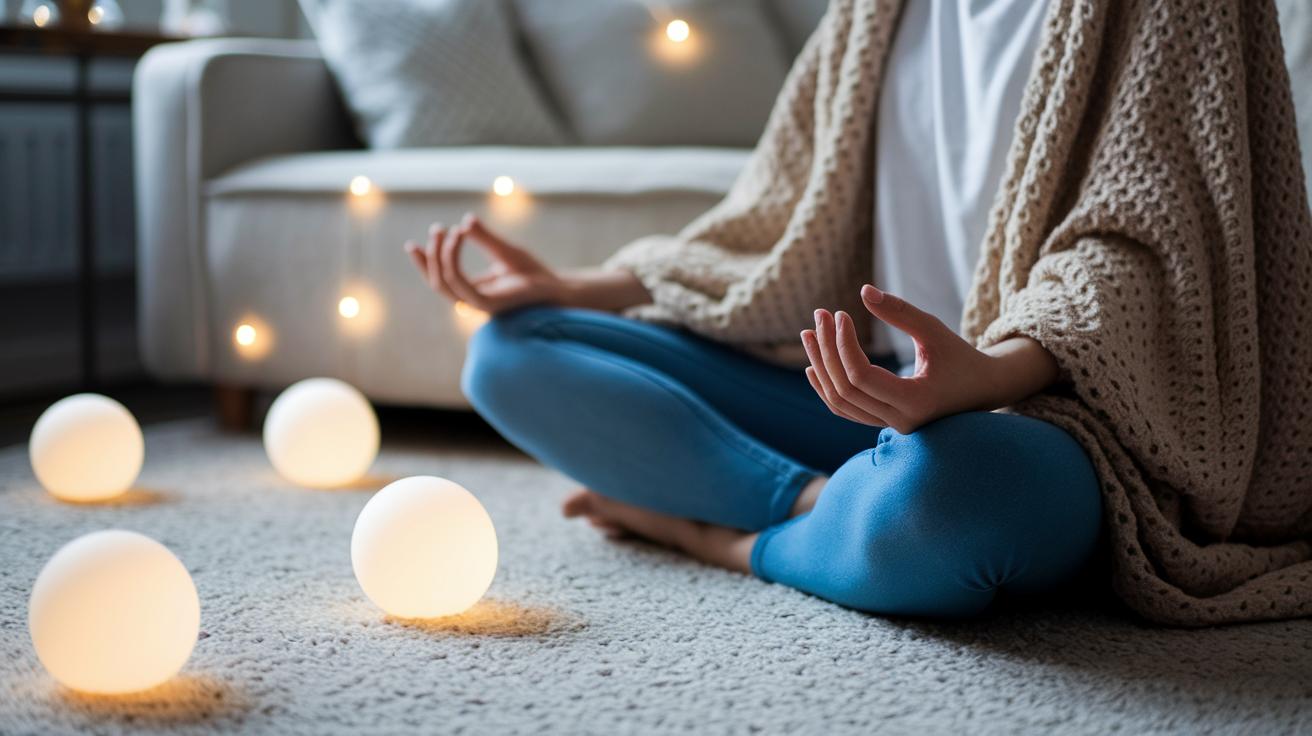
Many newcomers to meditation find it hard to settle in. You might notice pesky thoughts jumping in or a restless feeling making it tough to focus. It can be annoying when your mind drifts or when anxiety fills every moment. Sometimes, trying too hard to do it "right" only adds to the pressure.
Try easing up on strict goals. Make a peaceful space for yourself, maybe with soft lights or a warm blanket wrapped around you. Start with very short sessions so it doesn’t feel like too much. If troubling thoughts pop up, just notice them and let them go without judging. And if it all seems too much, using a guided audio meditation can lend a gentle hand to keep you on track.
Experiment with these ideas until you discover what clicks for you. Remember, regular practice means even small steps count, and going at your own pace can turn meditation into a calm, stress-busting part of your day.
Beginner Tips for Anxiety-Reducing Meditation
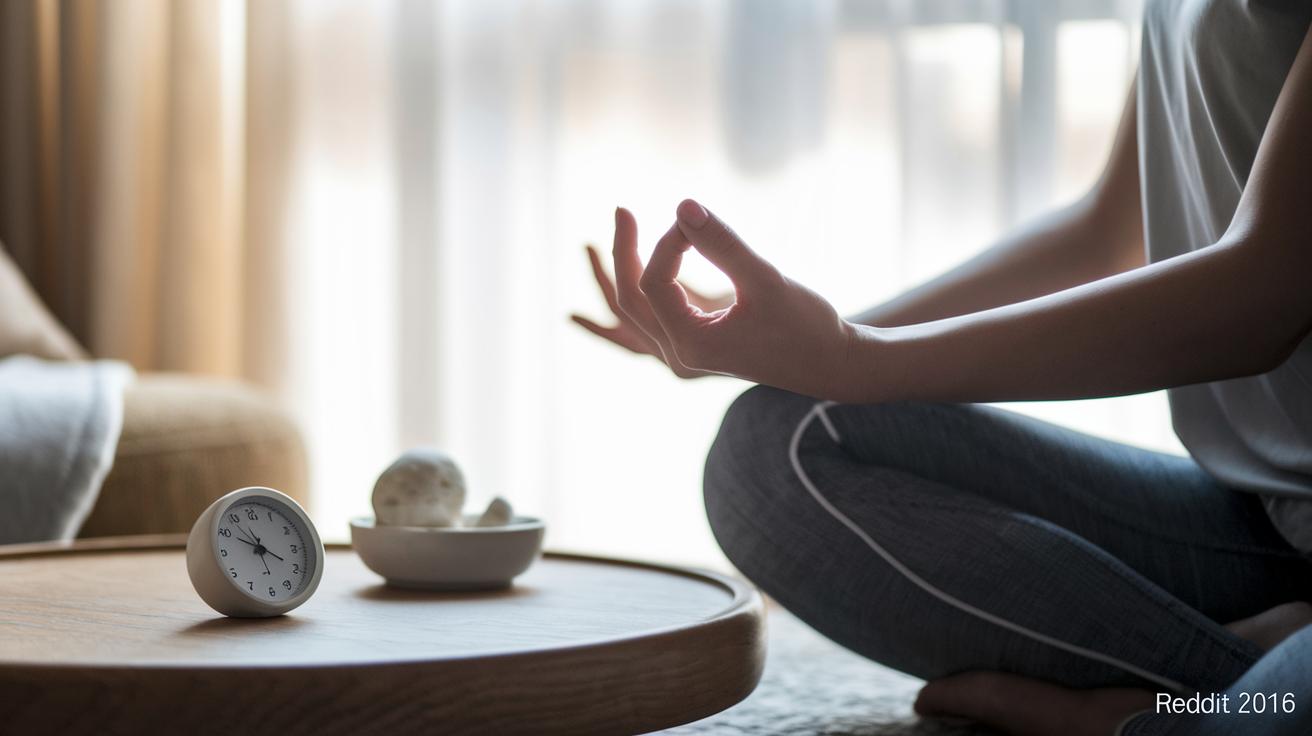
Find a quiet spot where you won't be disturbed, like a cozy corner in your room with soft light and a gentle scent. Clear away any clutter so that you feel like you’re in a peaceful space where the only sound is your own breathing. Set a small timer for about 5 to 10 minutes, something that keeps you relaxed and helps you focus on the moment without glancing at the clock. You might even say to yourself, "I’m taking just five minutes to tune in with my breath."
Try to weave these short sessions into your daily life. Maybe do it when you first wake up or while winding down before bed. Think of these moments as a little pause in your day, a chance to reset and clear your mind so you can feel more balanced and ready for whatever comes next.
You can also use audio guides or meditation apps to help you stick with your practice. These tools offer simple, step-by-step directions that can gently remind you to keep going. With regular practice, not only will your mind feel calmer, but you’ll also begin to build up a steady sense of inner strength. For more guided routines, check out the resource on how to improve mental health.
Final Words
In the action, this article showed how meditation for anxiety reduction calms the body and eases the mind. We explored practical workout ideas, nutritious meal planning, and tips to ease stress. The blog broke down various meditation techniques and provided suggestions for overcoming common practice challenges. By mixing science and everyday advice, each tip makes healthy living more achievable. Stick with these simple practices and notice how a few mindful minutes can brighten your day. Every small pause for calm is a step toward a more balanced life.
FAQ
Q: What guided meditation options are available for anxiety and overthinking?
A: The guided meditation options for anxiety and overthinking come in different lengths such as 5, 10, and 20 minutes, with free sessions available too. They use clear instructions to shift focus and relax the mind.
Q: How does a 5-minute meditation help calm anxiety?
A: The 5-minute meditation for anxiety guides you through slow, deep breaths and grounding techniques, which help quickly redirect your thoughts away from worry and toward a peaceful state.
Q: What is the 3-3-3 rule for anxiety?
A: The 3-3-3 rule for anxiety instructs you to identify three things you see, listen for three sounds, and take three deep breaths, helping to draw your attention away from anxious thoughts.
Q: Which meditation methods are effective in reducing anxiety?
A: Meditation practices like mindfulness, body scan, and guided meditations lower anxiety by centering your attention on breathing and physical sensations, easing stress and promoting calmness.
Q: What is the best natural supplement for anxiety?
A: The best natural supplement for anxiety might include ingredients like magnesium, ashwagandha, or herbal teas. It’s wise to check with a healthcare provider to find a safe option that fits your needs.