Ever thought meal planning was only for those trying to shed pounds? Think again. When you plan your meals to add extra calories, you're giving your body the fuel it needs to build muscle. Imagine adding a little more energy to your plate each day, it's like filling up a car with just the right amount of gas so it runs smoother and stronger.
Picture this: each balanced meal, bursting with flavor and nutrition, works like a boost that helps power you through your day. In this guide, we'll share simple tips to help you create tasty, well-rounded meals that increase your calorie intake in a healthy way. Have you ever noticed how a good meal can lift your spirits? Let's dive in and see how small changes can make a big difference in your well-being.
Structuring Your Meal Plan for Healthy Weight Gain
A calorie surplus means you eat about 500 more calories a day than you burn. This extra energy helps your body build new muscle and tissue. Think of it like putting extra gas in your car so you have more fuel to grow stronger. For example, adding a healthy snack that gives you those extra 500 calories can steadily help you gain weight.
Eating five to six meals a day is a smart plan to keep your energy steady and give your muscles constant nutrients. When you spread out your meals, your digestion doesn’t feel overwhelmed, and you get a steady flow of extra calories. Picture starting with a hearty breakfast, enjoying a couple of snacks, then having a filling lunch and dinner. You might try scrambled eggs made with whole milk in the morning or a mid-afternoon snack like trail mix with nuts and dried fruit for a nice energy boost.
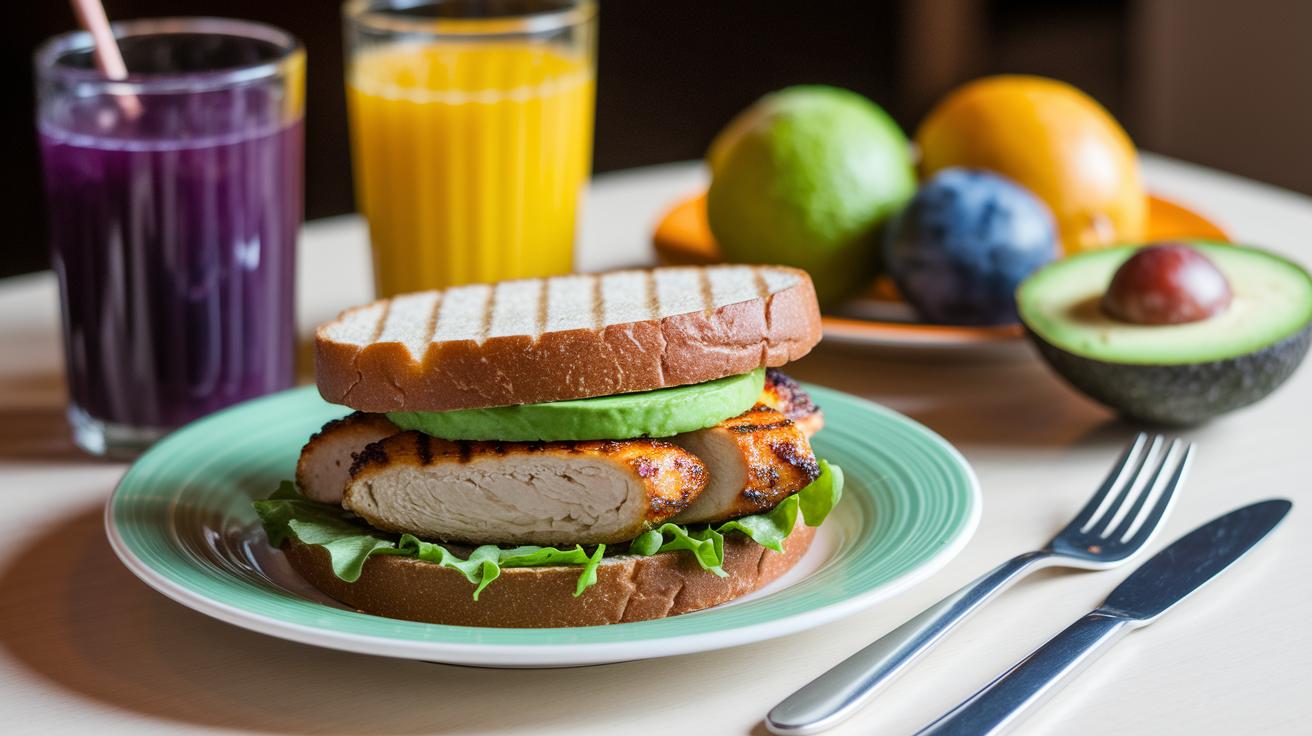
Balancing your macros is also important. In every meal, a mix of protein, carbohydrates, and fats works best for muscle growth and overall health. Protein sources like Greek yogurt, chicken, or lean beef help repair and build muscles. Carbs give you quick energy, while healthy fats from foods such as avocado and olive oil help your body absorb nutrients well. For instance, a grilled chicken sandwich on whole grain bread with avocado and a side of fruit makes for a balanced and tasty meal plan that supports your goals.
High-Calorie, Nutrient-Dense Meal Ideas
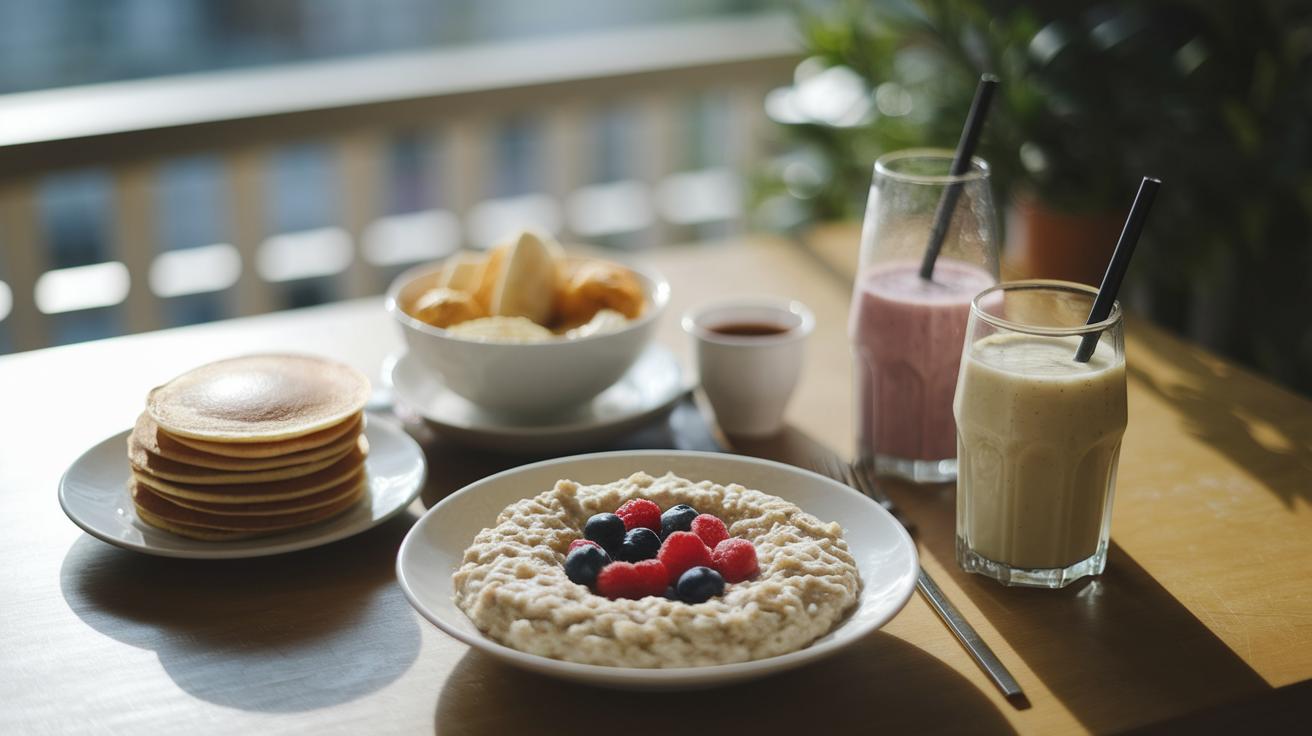
Start your day with a breakfast that really fuels you. Imagine a warm bowl of oatmeal made with one cup of oats and whole milk, giving you around 350 calories. Or, try whipping up some scrambled eggs with two eggs and a splash of whole milk for roughly 300 calories. If you're craving something sweet, whole grain pancakes drizzled with maple syrup and sprinkled with blueberries hit about 400 calories – a tasty way to boost your calorie count and start your day right.
In the morning, you can also enjoy a snack that’s both refreshing and filling. Picture a peanut butter banana smoothie made with one banana, two tablespoons of peanut butter, and one cup of whole milk – that comes in at about 400 calories. Another great idea is crisp apple slices paired with almond butter for around 250 calories. These options keep you satisfied until lunch.
For lunch, you might go with a grilled chicken sandwich on whole grain bread that offers about 500 calories. Or, mix it up with a turkey-cheese wrap featuring hummus and avocado, which adds up to roughly 550 calories. A vibrant quinoa salad tossed with chicken, feta, and chickpeas is another excellent choice, giving you close to 450 calories. Each of these meals brings a good balance of energy and nutrition to your day.
When the afternoon winds down, a handful of trail mix – think almonds, walnuts, dried fruit, and dark chocolate pieces – can provide around 300 calories. If you prefer something more structured, try a protein bar with at least 200 calories and about 15 grams of protein, along with a small serving of cashews for extra crunch.
Dinner should feel hearty and comforting. You could enjoy baked salmon paired with quinoa and broccoli for approximately 550 calories (just bake it at 375°F for about 15–20 minutes). Other delicious options include a beef stir-fry served over brown rice at around 600 calories; a chicken curry made with coconut milk and basmati rice for roughly 500 calories; or classic spaghetti and meatballs, which comes in at about 700 calories. When it’s time to end your day, a light bedtime snack like cottage cheese with pineapple (about 200 calories), peanut butter on celery (roughly 180 calories), or a small protein shake mixed with whole milk and walnuts (around 250 calories) can be just right.
| Meal | Calories |
|---|---|
| Oatmeal with whole milk and banana | ≈350 cal |
| Scrambled eggs with whole milk and toast | ≈300 cal |
| Whole grain pancakes with maple syrup and blueberries | ≈400 cal |
| Peanut butter banana smoothie | ≈400 cal |
| Apple slices with almond butter | ≈250 cal |
| Grilled chicken sandwich on whole grain bread | ≈500 cal |
| Turkey-cheese wrap with hummus and avocado | ≈550 cal |
| Quinoa salad with chicken, feta, and chickpeas | ≈450 cal |
| Trail mix (almonds, walnuts, dried fruit, dark chocolate) | ≈300 cal |
| Protein bar with cashews | ≥200 cal |
| Baked salmon with quinoa and broccoli | ≈550 cal |
| Beef stir-fry over brown rice | ≈600 cal |
Crafting a Customizable Seven-Day Eating Guide

Day 1
Start your day with a comforting bowl of oatmeal loaded with banana slices and a bit of peanut butter. Then, enjoy a peanut butter banana smoothie as a refreshing morning snack. For lunch, go for a grilled chicken sandwich on whole grain bread. Later, a handful of trail mix gives you that extra boost of energy. Dinner comes as baked salmon with fluffy quinoa and tender steamed broccoli. Finally, wind down with some cottage cheese mixed with pineapple before bed.
Day 2
Begin with scrambled eggs cooked with fresh spinach and whole milk to make your breakfast hearty. Follow up with a bowl of Greek yogurt topped with crunchy granola as a mid-morning treat. For lunch, a turkey-cheese wrap brings a nice mix of creaminess and crunch. In the afternoon, nibble on a protein bar alongside some cashews. Dinner is a fulfilling beef stir-fry over brown rice, and you can round off the day with peanut butter spread on celery.
Day 3
Kick off your morning with a colorful smoothie bowl made from Greek yogurt, banana, berries, and a sprinkle of granola. Then, crunch on some apple slices with almond butter for your snack. A light quinoa salad fills your lunch with satisfying flavors, and Greek yogurt with granola makes a great afternoon bite. Dinner warms you with chicken curry served over basmati rice, and a small protein shake is a neat way to finish the day.
Day 4
Treat yourself to whole grain pancakes drizzled with maple syrup and a handful of blueberries for breakfast. Enjoy a peanut butter banana smoothie for a mid-morning boost. Lunch features a crisp grilled chicken Caesar salad that’s full of flavor, and an afternoon handful of trail mix keeps you energized. Dinner brings pork chops with sweet potato and green beans, and you end the day with cottage cheese mixed with peaches.
Day 5
For breakfast, savor a bagel topped with cream cheese and smoked salmon. Refresh with apple slices paired with almond butter as a snack. Lunch is a satisfying turkey club sandwich, and later, a protein bar makes a perfect afternoon treat. Dinner is a classic plate of spaghetti and meatballs, and you finish with a touch of peanut butter on celery.
Day 6
Start with a slice of avocado toast crowned with perfectly poached eggs. Enjoy a dish of Greek yogurt drizzled with honey for a sweet morning snack. Lunch is a hearty beef burrito bowl that fills you up nicely, and in the afternoon, a serving of trail mix keeps you going. Dinner is baked salmon, and a small protein shake before bed wraps up the day.
Day 7
Mix up a breakfast smoothie with milk, protein powder, apple, spinach, and a spoonful of peanut butter to get your day started. Munch on apple slices with almond butter for your mid-morning snack. A fresh quinoa salad makes for a crisp, light lunch, and in the afternoon, Greek yogurt with granola offers a satisfying bite. Dinner features a lively chicken stir-fry, and you round off your week with cottage cheese mixed with pineapple.
Practical Bulking Meal Prep and Budget-Friendly Tips
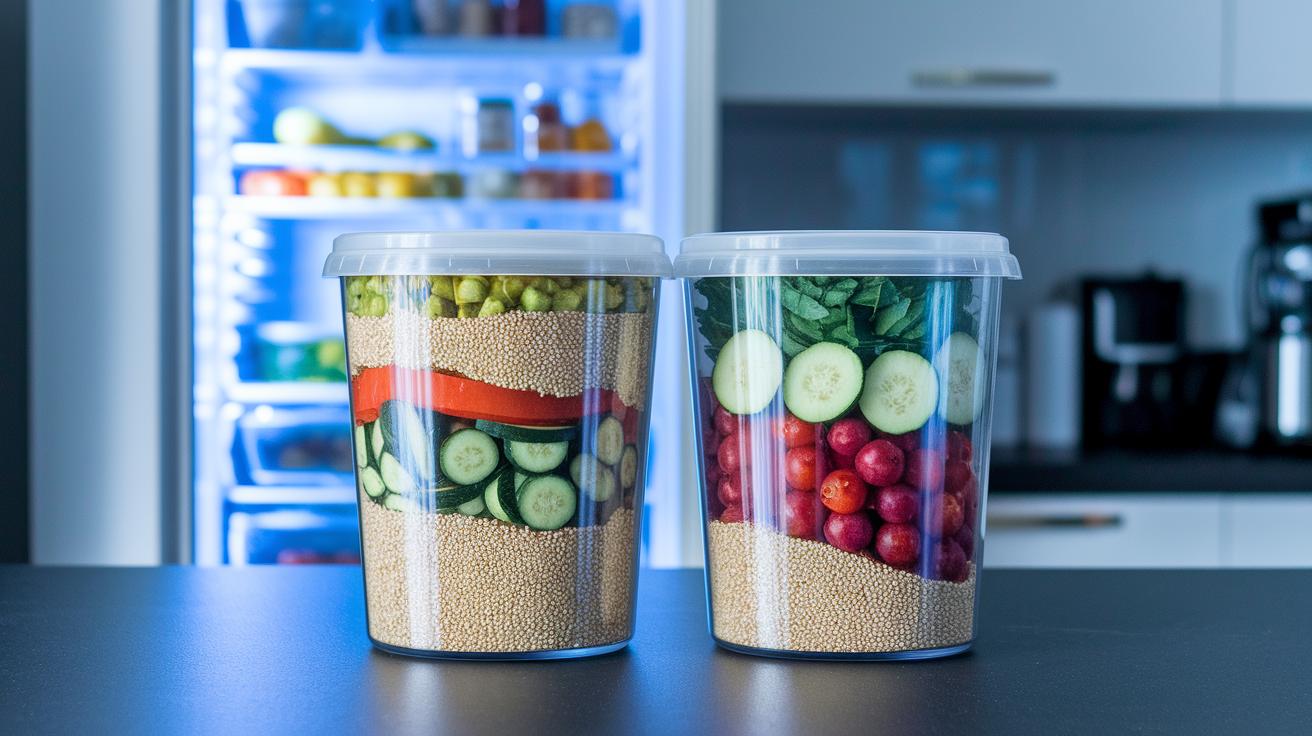
Batch cooking is a great way to boost your calorie intake while saving time. Try cooking a large batch of quinoa or brown rice and then portion it out in your fridge or freezer. This means you can quickly add lean protein and veggies to create a filling meal when you need one. It’s a real lifesaver for anyone with a busy schedule who still wants to build muscle.
Smart grocery planning can help you stay on budget and keep your kitchen stocked with energy-packed foods. Make a simple weekly grocery list that includes items like lean meats, whole grains, and healthy fats. Buying these foods in bulk often saves money, and planning ahead helps reduce food waste. With a little organization, you’ll always have everything you need for cost-effective, muscle-building meals.
Simple temperature tricks can really improve the taste and texture of your dishes without extra cost. For example, try baking salmon at 375°F for 15 to 20 minutes or pork chops at the same temperature for about 30 minutes. These tips lock in moisture and flavor, making sure your meals come out tender and delicious every time.
Smart storage and reheating are key to keeping your meal prep on track. Pack up some trail mix in small bags for a quick energy boost during the day, and freeze single-serving packs of smoothie ingredients to simplify your mornings. By keeping cooked meals in the fridge or freezer, you can easily reheat them later. This keeps your bulking meal plan both convenient and budget-friendly.
Integrating Workout Nutrition with Your Meal Schedule

Before you hit the gym, fueling up is really important. A tasty, popular option is a peanut butter banana smoothie. It has about 400 calories and mixes proteins, good fats, and natural sugars to give you steady energy. You might also enjoy some crisp apple slices with almond butter. Both snacks work well when eaten about 30 to 60 minutes before your workout.
After you finish exercising, it’s time to help your muscles recover and grow. Eating within 30 minutes can really boost muscle building. You could have a protein shake made with whole milk and walnuts to get quick protein and healthy fats. Another great idea is a beef stir-fry with brown rice, plus a refreshing glass of whole milk. For those days when you're on the move, a protein bar with at least 15 grams of protein makes a handy choice. Eating right after your workout supports your strength routine and keeps your muscles happy.
Tracking Progress and Adjusting Your Meal Plan

Keeping an eye on what you eat is a simple way to fine-tune your calorie intake and support steady muscle growth. Start by jotting down everything in a food journal each day. This little habit can reveal easy-to-spot patterns, telling you if you’re hitting your daily calorie goals. For instance, write down the amount and details of each meal and snack. A basic record like this can show you when you might need a bit more fuel or a change of ingredients.
Take a moment each week to check your calorie targets and see how your weight is changing. If you find that your energy or digestion isn’t quite right, try switching up the size or timing of your meals. And it’s totally fine to swap meals depending on how hungry you are or how your stomach feels. These small changes can really add up over time.
Here are a few simple tips to keep your tracking on point:
- Write daily logs that show portion sizes and meal ingredients.
- Set a weekly goal to review your overall calorie intake and progress.
- Adjust meals based on your body’s signals and any changes in weight.
- Get advice from a registered dietitian for personalized tips: balanced diet for weight gain.
Remember, sticking with it matters. Over time, this smart way of tracking your nutrition will help you build a meal plan that fits your body perfectly.
Final Words
In the action, we've explored a smart framework for structuring your weight-gain meal plan. You learned about brief calorie surplus strategies, balanced macros, and six small eating windows paired with nutrient-packed meals.
We've also looked at daily templates, practical meal prep tips, and even workout nutrition, making it easier to track progress and tweak as needed.
Every tip ties back to simple, evidence-based meal planning for weight gain. Keep trying new recipes and strategies, you’re on track toward a healthier, stronger tomorrow.
FAQ
What does a weight gain meal plan for females include?
A weight gain meal plan for females offers balanced, calorie-rich meals with lean proteins, whole grains, fruits, and veggies. It focuses on extra calories and nutrient-rich foods to support healthy weight increase.
What does a weight gain meal plan for underweight individuals look like?
A weight gain meal plan for underweight people, available in PDF, provides calorie-dense meals with extra protein and healthy fats. It emphasizes small, frequent meals to gradually support weight gain.
What is described in a 7-day weight gain diet plan PDF and how can you gain weight in 7 days at home?
The 7-day weight gain diet plan PDF outlines a daily schedule with five to six meals that combine extra calories and balanced macros. It offers home-friendly recipes to boost weight in a short period.
What does a 10 kg weight gain diet chart offer?
A 10 kg weight gain diet chart presents a structured meal plan with balanced macros and calorie surplus choices throughout the day. It encourages steady, healthy weight gain using nutrient-dense foods.
What does a weight gain diet plan for males emphasize?
A weight gain diet plan for males emphasizes high-calorie and protein-rich meals. It combines lean proteins, complex carbs, and healthy fats to support muscle growth and overall energy levels.
What defines a beginner-friendly meal plan for weight gain and a good meal plan for gaining weight?
A beginner-friendly weight gain meal plan focuses on a gradual calorie surplus with balanced macros. It includes whole foods, lean proteins, and simple meal choices that are easy to follow for reliable results.
What should you eat daily to gain weight?
Daily weight gain meals should combine calorie-dense options like lean proteins, whole grains, fruits, vegetables, and healthy fats, spread across five to six meals to provide a consistent energy boost.
How can a skinny person successfully gain weight?
A skinny person can gain weight by incorporating a structured plan of frequent, high-calorie meals rich in proteins, carbohydrates, and healthy fats to steadily build muscle and body mass.
How does a meal plan help you gain 10 pounds in a month?
A meal plan to gain 10 pounds in a month uses an increased daily calorie intake, balanced macros, and consistent meal timing. It focuses on nutrient-dense, energy-rich foods to facilitate steady weight gain.