Ever feel like planning meals for diabetes is overwhelming? It might seem that way, but simple meals can really help keep your blood sugar steady. Imagine your plate filled with bright vegetables, lean proteins, and whole grains. That's the heart of a smart diabetic meal plan.
Today, we're sharing easy tips to build balanced meals that boost your energy and support smooth digestion. With a friendly, clear plan, making every meal count becomes a breeze.
Meal Planning Foundations for a Diabetic Diet
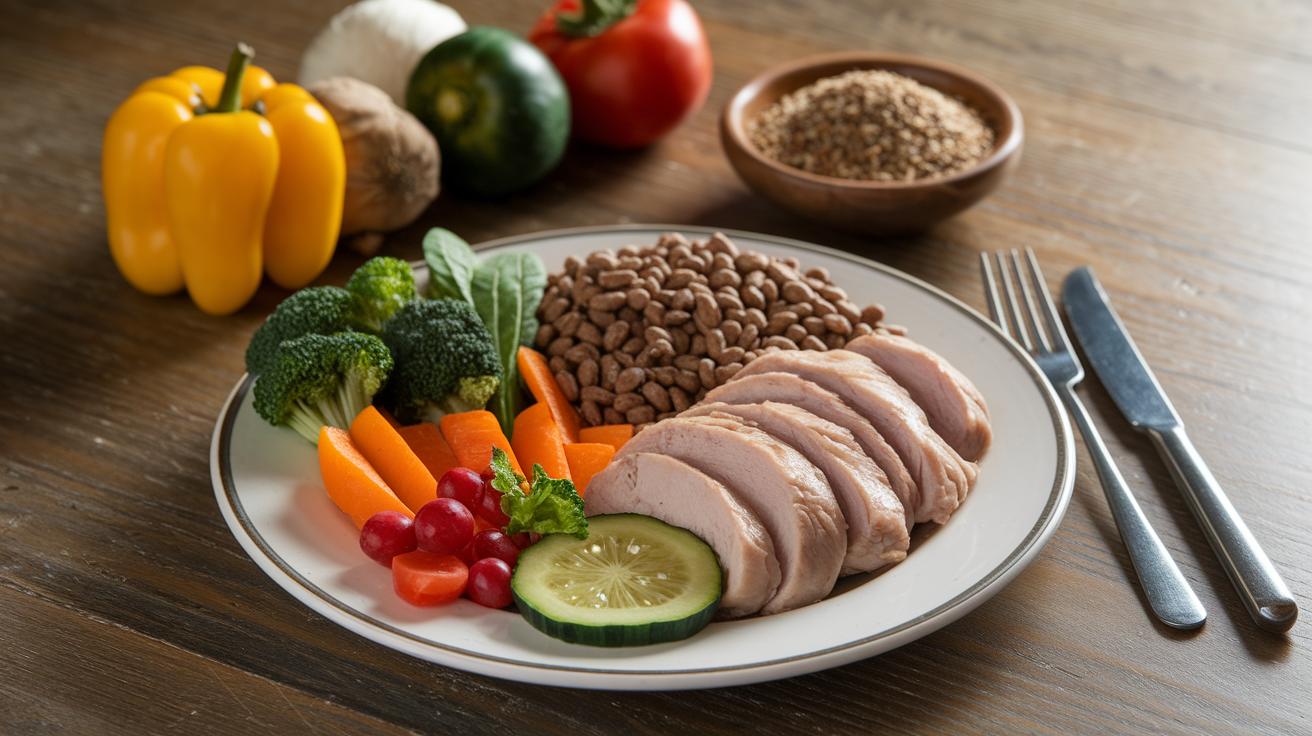
Balancing your meals is a simple way to help keep your blood sugar steady. When you plan your meals around steady carbs, a big helping of nonstarchy veggies, lean protein, and healthy fats, you give your body the energy it needs without causing sudden spikes. Think of it as setting clear, friendly goals for every meal.
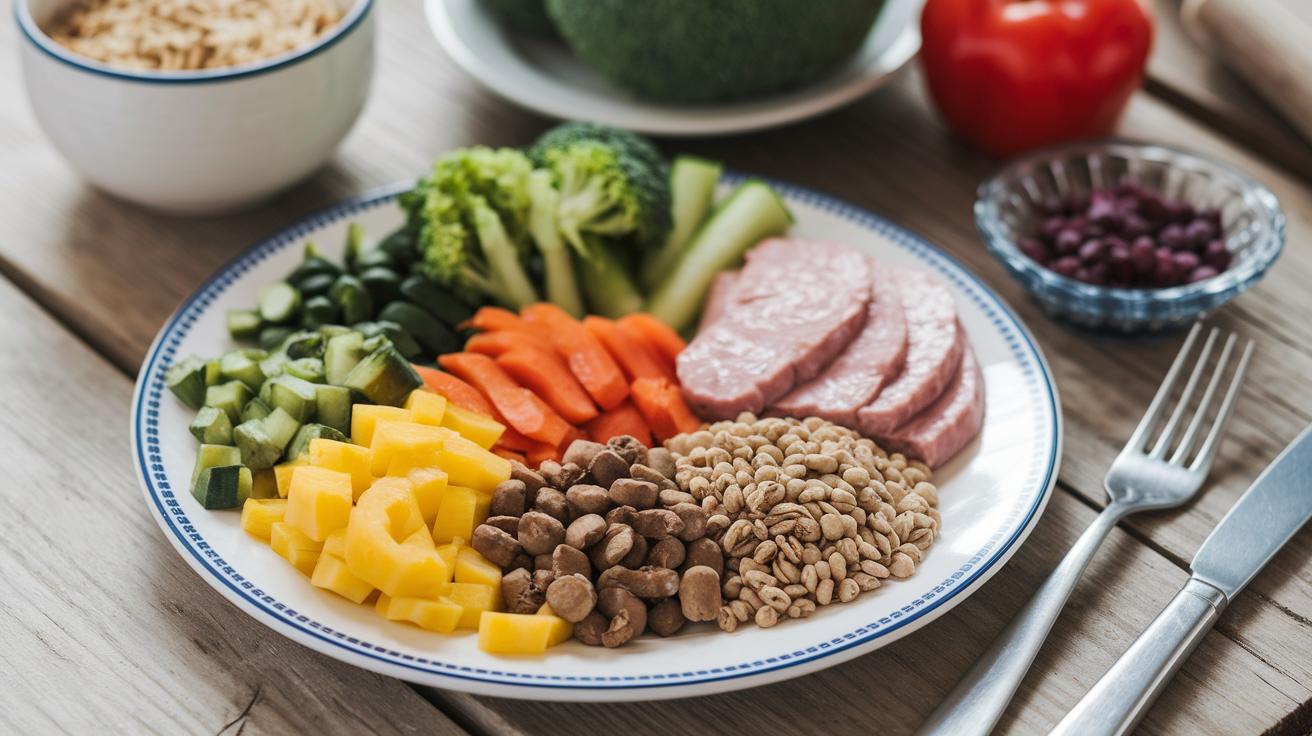
The Diabetes Plate method is a handy tool to guide you. Imagine your plate divided into parts: fill half with colorful, nonstarchy vegetables, one quarter with lean protein like chicken or fish, and the last quarter with whole grains or starchy veggies. This style often suggests having about 45 to 60 grams of carbs and 15 to 20 grams of protein per meal, while keeping unhealthy fats low. It’s a clear, easy way to create meals that support balanced energy and good digestion.
| Meal Component | Description |
|---|---|
| Carbs | 45-60 grams per meal |
| Vegetables | Nonstarchy and high in fiber |
| Protein | 15-20 grams from lean sources |
| Fats | Keep healthy fats in moderation |
Following this balanced-plate strategy, as recommended by experts, can make meal planning feel easy and reliable. Each meal supports steady energy, smooth digestion, and overall well-being while keeping things clear and simple.
7-Day Structured Menu for Meal Planning for a Diabetic Diet

Here’s a friendly week-long meal plan for anyone managing diabetes. This plan uses the Diabetes Plate method to balance proteins, grains, and vegetables. Start your day with a breakfast like Easy Egg Muffins paired with whole-grain toast. That mix gives you a good amount of protein and fiber to kick-start your morning.
For lunch, try a dish like Lemon Chicken served with tasty collard greens and half a roasted sweet potato. It’s a simple way to get lean protein along with a variety of nonstarchy vegetables.
Snacks are important, too. They help keep your energy steady throughout the day. Enjoy Turkey and Mozzarella Snack Skewers or a small bowl of fresh fruits and nuts for a light, satisfying bite.
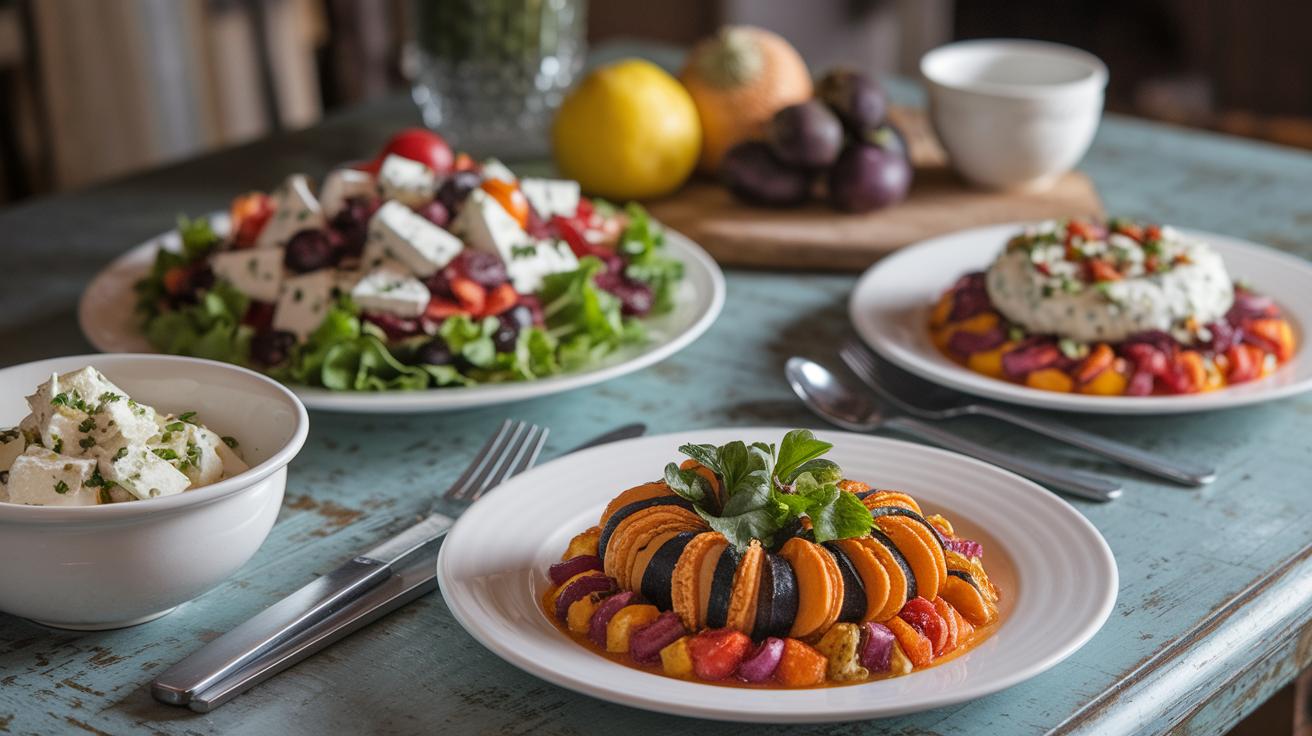
Dinner is all about hearty yet balanced meals. Picture a Southwest-Style Turkey Meatloaf served with creamy mashed red potatoes and a crisp green salad. Or, warm up with a bowl of Easy Beef Chili that you can even make in a big batch for later. For a vegetarian option, the Slow Cooker Ratatouille with white beans brings rich flavors and plenty of veggies to your plate.
This 7-day plan is designed to support balanced blood sugar levels while making meal prep simple and enjoyable.
| Day | Breakfast | Lunch | Snack | Dinner | ||||||||
|---|---|---|---|---|---|---|---|---|---|---|---|---|
| Day 1 | Easy Egg Muffins with whole-grain toast | Lemon Chicken with collard greens and half a roasted sweet potato | Turkey and Mozzarella Snack Skewers | Southwest-Style Turkey Meatloaf with mashed red potatoes and a green salad | ||||||||
| Day 2 | Easy Egg Muffins | Easy Beef Chili | Fresh veggies with hummus | Slow Cooker Ratatouille with quinoa | ||||||||
| Day 3 | Overnight oats with berries | Lemon Chicken leftovers | A handful of nuts | Southwest-Style Turkey Meatloaf | ||||||||
| Day 4Portion Control and Macronutrient Balancing in Diabetic Meal Planning
Let’s start with a simple plan. Fill half your plate with nonstarchy vegetables, one quarter with lean protein, and the other quarter with whole grains or starchy veggies. You can always tweak this to match your own energy needs and lifestyle. Understanding Carbohydrate Portions When it comes to carbs, measuring matters. Use a kitchen scale or measuring cups to keep things accurate whether you're cooking at home or dining out. For instance, if your cereal label says one cup has 45 grams of carbs, try using a small cup to hit that target. And if your day calls for a bit more energy, feel free to adjust the portions a little. Allocating Protein and Healthy Fats For protein, aiming for about 15 to 20 grams per meal is a solid start. But if you’re pretty active, you might need a bit extra. Spread out sources of protein like lean meat, beans, or tofu throughout your day. Adding small doses of healthy fats, like a teaspoon of olive oil or a few avocado slices, can also help you feel energized without overloading on calories.
Low-Carb Recipe Options and Ingredient Swaps for a Diabetic Diet
Flavorful Low-Carb Entrées If you're trying to cut back on carbs but still want a tasty meal, you can switch out high-carb ingredients for fresher ones that help keep your blood sugar steady. For example, try a slow-cooker ratatouille with white beans and a Greek salad. Each bite gives you a burst of fresh flavors and satisfying textures. Another neat idea is an easy beef chili. It's great for cooking in batches and adds a good protein boost with every serving. And don't forget about lemon chicken with rosemary and garlic. This zesty dish brings lean protein together with veggies packed with nutrients. It’s light yet filling, so you can stick to your meal plan without missing out on flavor. Smart Snack Substitutions Snacks can be fun too, even when you’re watching your carb intake. Instead of the usual high-carb sides, consider swapping grains with cauliflower rice or try zucchini noodles in place of pasta to help lower your carb load. You might also use Greek yogurt instead of sour cream for a tangy creaminess that doesn’t add extra carbs. Plus, experimenting with almond flour rather than wheat flour can give your recipes a nutty twist while cutting down on sugars. A fun snack to try is Peanut Butter, Cranberry, and Walnut Apple Slices. This mix gives you a balance of protein, fiber, and healthy fats, making it easier to enjoy delicious, low-carb options all day long while keeping your diabetic diet on track. Meal Planning for Diabetic Diet: Simple, Smart Meals
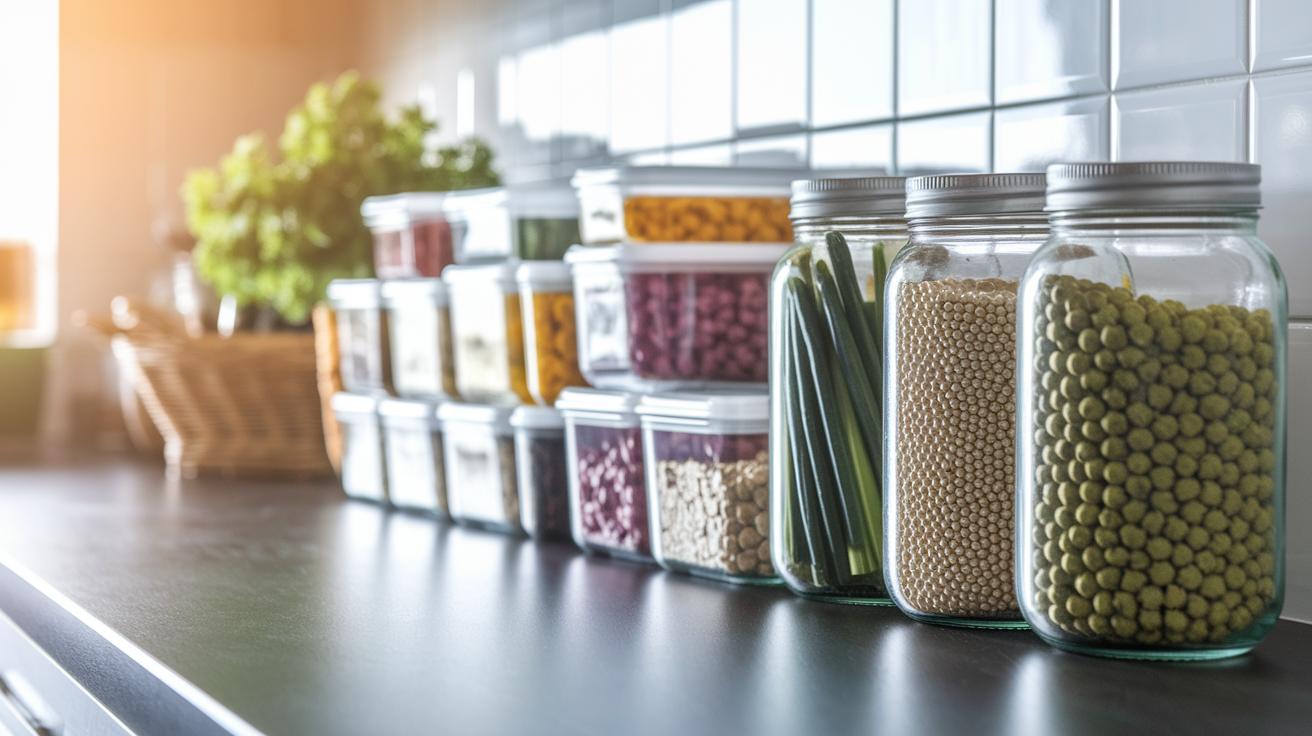
Batch cooking can save you time and help lower your grocery bill. Imagine spending one afternoon making a big pot of Easy Beef Chili or Turkey Meatloaf. You can also chop up your veggies ahead of time and pack them into small containers. This way, on a busy night, you can simply toss them into a stir-fry or mix them into a salad. A clear, simple shopping list is a real game-changer. Stick with foods that last long and combine well for balanced meals. Think about grabbing beans, brown rice, frozen veggies, eggs, canned fish, and your favorite seasonal produce. Jot down each item, like “fresh eggs, brown rice, and canned fish”, so you know exactly what to look for when you head to the store. Planning for freezer storage and rotating your ingredients can really help you save for the long haul. Try making meals that freeze well and split them into individual portions, which keeps them fresh. Also, switching up your ingredients helps prevent waste and makes the most of seasonal deals. Buying in bulk, using weekly discounts, and planning your meals around what’s in season can cut costs while keeping your dishes healthy and convenient. Tools, Printables, and Apps to Simplify Meal Planning for a Diabetic Diet
The Diabetes Food Hub Meal Planner is a handy digital tool that makes meal planning easy and even fun. After a free signup, you get to drag and drop meals into your weekly menu with just one click. It works like a little helper that reminds you of your sugar control goals while giving you fresh, balanced meal ideas. You can even shuffle ingredients until they fit just right to keep your blood sugar steady. There are also bilingual printable templates in English and Spanish that make meal planning simple. These templates come with monthly healthy eating tips and free online cooking classes. If you need more help, check out resources from ADA or other diabetes education sites for extra guidance and easy blueprints to control your sugar with smart, balanced meals. Final WordsIn the action of creating easy, healthy habits, this post spotlighted core strategies for meal planning for diabetic diet. We explored the Diabetes Plate method, sensible portion control, and low-carb recipes along with smart meal prep tips. Practical plate setups and handy digital tools support balanced nutrition and stress-free meal prep. Enjoy the benefits of regular nutrients, appealing dishes, and positive changes that add a fresh boost to your overall well-being. FAQWhere can I find free diabetic meal plan PDFs like the 7-day, 30-day, or 28-day options?The free diabetic meal plan PDFs offer ready-to-use guides in various timeframes. They provide simple, structured meal plans to help you manage your blood sugar with balanced nutrition. What does a typical diabetic meal plan include?A typical diabetic meal plan includes balanced portions of carbohydrates, lean proteins, and nonstarchy vegetables. This approach helps maintain stable blood sugar levels and supports overall health. What should a diabetic eat per day for balanced nutrition?A diabetic’s daily diet should feature consistent carbohydrate servings, lean proteins, high-fiber vegetables, and moderate healthy fats. This mix keeps blood sugar levels steady and promotes good health. What is the best meal delivery plan for diabetics?The best meal delivery plan for diabetics provides pre-portioned, balanced meals following diabetic guidelines. It focuses on controlled carbohydrates, quality proteins, and fresh vegetables for hassle-free healthy eating. What foods can diabetics eat all the time?Diabetics can safely eat foods that are low in refined sugars and high in nutrients. Options include nonstarchy vegetables, lean proteins, whole grains, and healthy fats to keep blood sugar levels balanced. |