Have you ever felt like your everyday worries might be holding you back? Many people experience constant anxiety that can affect work, relationships, and overall happiness. It can feel like you're carrying a heavy load every day.
But there are simple ways to ease this burden. Try taking a few deep breaths or jotting down your thoughts when you feel overwhelmed. These small steps can help clear the fog and bring a sense of calm.
This blog post shares easy, practical tips to help you manage those tough moments. Read on to discover how to ease anxiety and welcome a calmer, more joyful life.
management anxiety disorder: Achieve Serenity Today

Anxiety can feel overwhelming, and it touches more people than you might think. About one out of every three Americans experiences anxiety sometime in their life. Even though only 12 to 15 out of every 100 get a formal diagnosis, up to 25 out of every 100 show signs like constant worry, feeling irritable, and avoiding places that trigger these feelings.
When worry takes over, everyday life can feel like a heavy burden. It might slow you down at work or make your relationships harder. If left unchecked, anxiety can even lead to more serious issues like depression, high blood pressure, or even heart problems. That’s why checking in on your feelings early on, such as with tools like the GAD-7 questionnaire that asks simple questions about nervousness and tension, can be really helpful.
Making a plan to handle anxiety can protect both your heart and your mind. A good start is to keep track of your feelings and note the moments when anxiety escalates by writing them down in a diary. This small habit can be a powerful tool, helping you learn which situations spike your worry and giving you a chance to practice calming techniques.
One easy method is to focus on your breathing when stress hits. Slow, deep inhales followed by gentle exhales can truly make a difference. This simple trick not only calms you in the moment but also sets the stage for more advanced ways to reduce stress. If you’re looking for extra help, check out additional support options from mending mind wellness to build these habits into your daily routine.
Therapeutic Treatment Strategies in Anxiety Disorder Management
Cognitive behavioral therapy, or CBT, is the go-to method for easing anxiety. It gently helps you spot and change those unhelpful thoughts and habits that keep you stuck. Imagine noticing that your nervousness about public speaking is just a thought, and with CBT, you slowly learn to face it through small steps.
Doctors often use the DSM-5 TR criteria to decide if someone has an anxiety disorder. They also turn to tools like the GAD-7 questionnaire, which helps rate your symptoms. These clear steps form a solid plan for treatment. Before medications come into the picture, experts usually recommend trying non-drug methods first. Simple practices, like deep breathing or slowly tensing and relaxing your muscles, can sometimes stop a panic attack in its tracks.
If therapy by itself doesn’t do the trick, then medicines might be introduced. Medications, like SSRIs and SNRIs, work by balancing brain chemicals. They are carefully watched to make sure they do their job without unwanted side effects. This mix of talk therapy and, possibly, medicine creates a balanced way to ease anxiety.
New treatment ideas are always popping up, and some experts share fresh insights through trusted research resources. This new thinking adds to tried and true methods, such as CBT and gradual exposure, and pairs well with lifestyle changes. The goal is to help you find a lasting sense of calm and build up your strength to handle what comes your way.
Control Methods for Generalized Anxiety in Disorder Management

Keeping track of your feelings gives you a clear view of how your anxiety changes day by day. Try using a simple tool like the GAD-7 questionnaire. It helps you see shifts in your anxious feelings as you take it each week.
Next, start a worry journal. This is a place where you can write down what triggers your anxiety and how your body feels when it happens. Imagine feeling uneasy at work and quickly jotting down what set you off. These small notes help build a clear picture of your patterns.
Set aside a specific time each day for your anxious thoughts. For example, you might spend 15 minutes every evening to notice each anxious thought. This way, your worries stay in one spot and don’t take over your whole day.
Mobile apps are a handy option too. They let you log your symptoms right away so you can track any trends as they develop.
Key self-monitoring techniques include:
- Using the GAD-7 questionnaire to notice changes in symptoms.
- Keeping a worry journal to record triggers and feelings.
- Setting a daily worry period to keep anxious thoughts contained.
- Using mobile apps for immediate symptom logging.
Rapid Relief Techniques for Anxious Moments
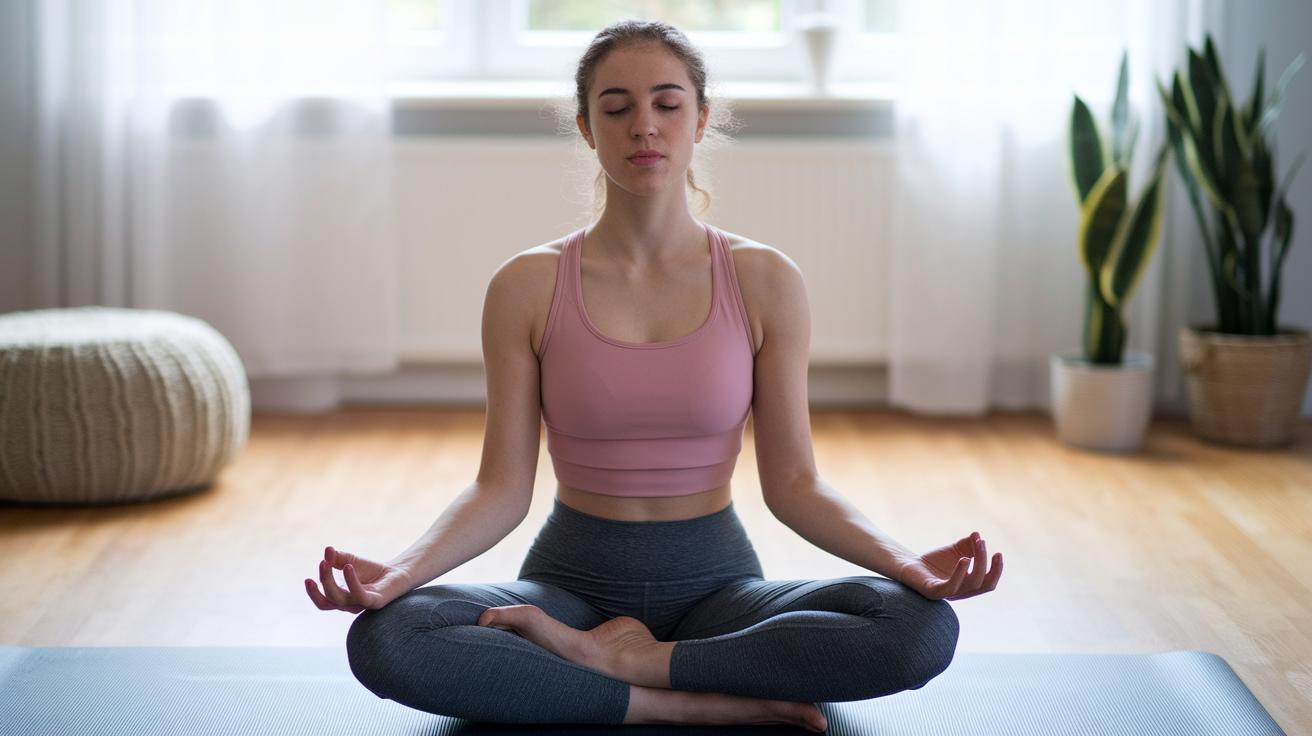
Sometimes, anxiety can hit out of nowhere. When it does, you can try a few simple actions to help your body and mind feel better. One easy method is the Five-Three-Eight breathing technique. First, breathe in slowly for 5 seconds. Next, hold that breath for 3 seconds. Finally, exhale gently for 8 seconds. This exercise can help slow your heart rate almost immediately. Imagine taking a few deep breaths before speaking in a busy meeting, it can really bring back your calm.
Another great approach is progressive muscle relaxation. Here, you tense a group of muscles for a few seconds and then let them relax completely. Start with your hands, then move up to your arms and shoulders. This helps signal to your body that it’s time to unwind.
Guided imagery is also a wonderful tool. Think of a peaceful place that makes you feel safe, like watching a quiet beach at sunrise. And sometimes, giving yourself a short reminder, like saying, "This feeling won't last," can help break the cycle of anxious thoughts.
Quick tips:
- Five-Three-Eight breathing technique
- Progressive muscle relaxation
- Guided imagery
- Quick self-talk cues
Cognitive Behavioral Techniques for Anxious Relief in Disorder Management

Cognitive behavioral techniques help you catch those worrisome thoughts in action. When you notice a negative thought, like thinking in extremes, ask yourself, "What proof do I really have?" For instance, if you're scared you'll mess up your presentation, try questioning, "What facts tell me it might go well instead?"
To boost your confidence, start small. Begin with simple social interactions like a brief chat or a quick comment in a meeting. After that, treat yourself to a calming moment. Imagine finishing a mini public speaking task and then taking a few deep breaths, much like watching soft ripples on a calm pond, this helps ease your nerves.
It also helps to swap harsh self-talk for a kinder inner voice. Instead of worrying, "What if I mess up?" remind yourself, "Every step gives me a chance to learn." Mixing this gentle self-talk with short moments of relaxation can really add comfort when you're feeling anxious.
| Cognitive Step | Practical Example |
|---|---|
| Spot Negative Thought | If you think, “I’ll fail this meeting,” ask yourself, “What evidence supports this idea?” |
| Graded Exposure | Begin with a simple interaction and slowly build up to bigger challenges |
| Integrate Soothing Methods | After facing a challenge, take deep breaths, like feeling a cool breeze on a warm day |
Self-Management and Stress Reduction for Managing Anxiety Disorder
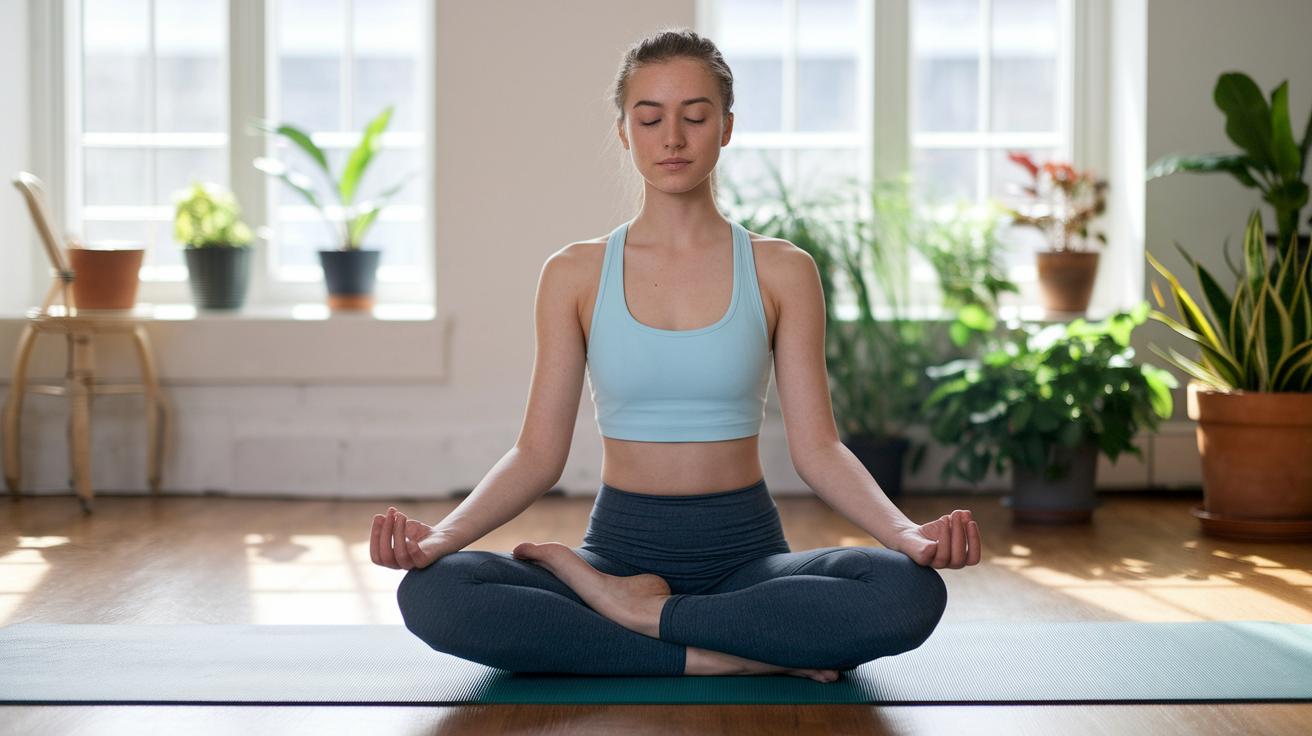
When anxiety feels too heavy to carry, a few easy habits can really help. Try setting aside 10 to 15 minutes each day for a quiet meditation. Sit down, focus on your breath, and feel your body slowly relax. You might even say to yourself, "I notice my chest rising and falling," which can help keep you grounded.
Being kind to yourself is just as important. When harsh thoughts sneak in, gently remind yourself that it's okay to feel this way. You could say, "I am doing my best." This simple phrase can soften that inner critic and help you manage stress better over time.
A balanced routine matters, too. Keeping a regular sleep schedule, enjoying healthy, nutrient-rich meals, and doing some light exercise all work together to support your body and mind. Even a short, brisk walk can clear your head and brighten your mood.
Don't forget the power of connection. Sharing your experiences in a support group can be very helpful. When you hear real-life tips from people who understand what you're going through, it can feel like a warm, guiding hand during challenging moments.
| Method | Description |
|---|---|
| Meditation | A daily 10–15 minute session focused on calming your mind and regulating your breath |
| Self-Compassion | Using kind words like “I am doing my best” to ease harsh self-criticism and build inner strength |
| Holistic Lifestyle | Keeping regular sleep, eating healthy meals, and doing light exercise to support overall well-being |
| Peer Support | Joining groups where you can share experiences and pick up practical tips from others who understand |
Lifestyle Modifications and Exercise Routines to Diminish Anxiety Symptoms
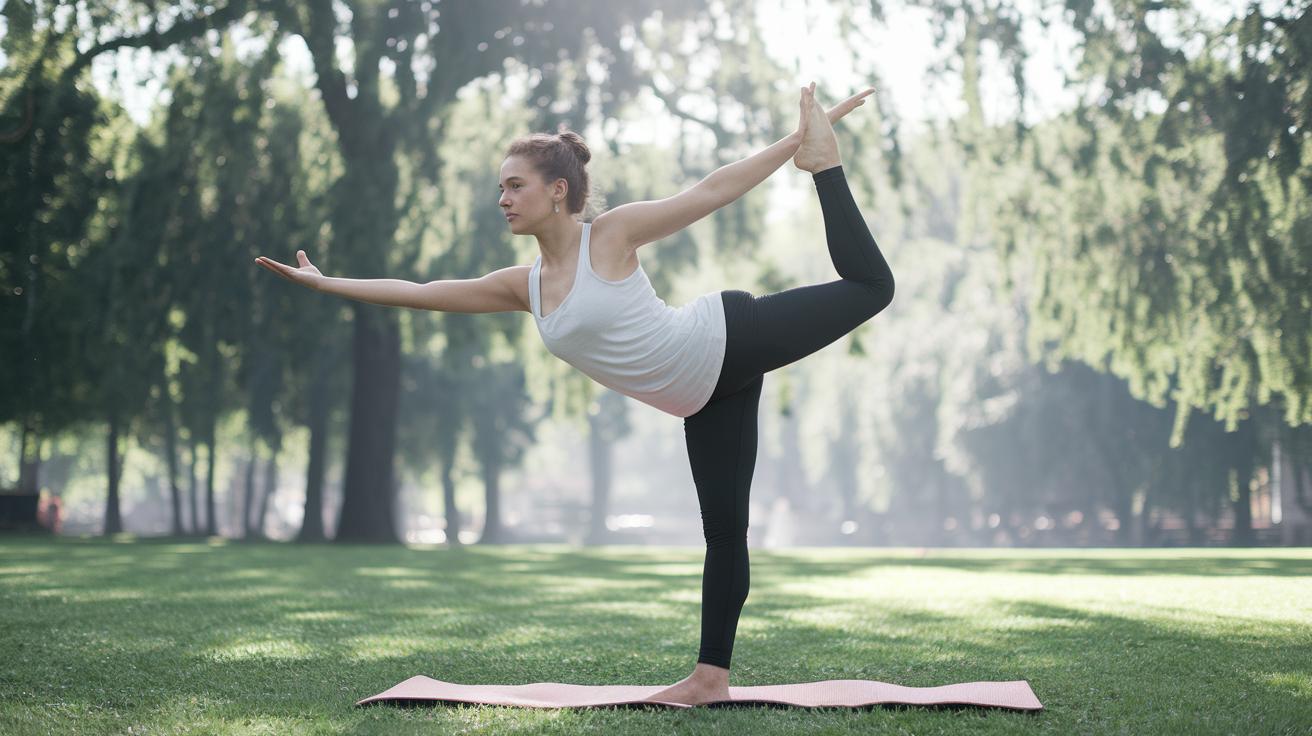
Even small changes in your daily routine can help ease anxiety and improve overall well-being. Try a gentle aerobic exercise like walking, cycling, or a light jog for 15 to 30 minutes, about three times a week. Did you know a simple 20-minute walk outside can leave you feeling refreshed and less weighed down by worry? It’s a natural way to boost your heart health and set a calming tone for your day.
Mind-body practices, such as yoga and tai chi, are also great for relaxation. Imagine the gentle stretch during a morning yoga session that relaxes tight muscles and calms your mind. Doing these activities a few times a week can help ease your body's tension and bring a sense of balance, naturally countering stress.
Eating a balanced diet plays a big role too. Filling your plate with colorful fruits, vegetables, lean proteins, and whole grains can keep your blood sugar steady and help smooth out mood swings. Picture a crisp salad mixed with greens, nuts, and berries, it’s not only tasty but also a smart choice for keeping your emotions in check.
Good sleep is essential for managing anxiety. Try cutting back on screen time before bed and stick to a regular sleep schedule. A relaxing routine, like reading a favorite book in soft light, can clue your body that it's time to rest, leading to a more refreshing sleep.
Tweaking these parts of your lifestyle builds a solid foundation for a calmer, more balanced life.
Final Words
In the action, this article has given clear insights on handling anxiety through practical workout ideas, nutritious meal planning, and mindful stress tools. We covered self-help techniques like cognitive restructuring, relaxation exercises, and lifestyle adjustments that support overall calm. Small steps, such as regular meditations and balanced routines, can make a big difference. Keep experimenting and fine-tuning your approach to management anxiety disorder, and remember, each effort brings you closer to feeling better. Stay positive and take it one step at a time.