Have you ever thought about how your cells protect themselves when problems arise? When issues like wrongly folded proteins or low nutrients show up, your cells have an alarm system called the integrated stress response that kicks in. Think of it like dimming the lights during a storm to save energy for repairs.
In simple terms, this system helps decide whether a cell should bounce back or take a safe break. One important helper in this process is a protein named eIF2α. It acts like a little guide, showing the cell the best path to take, either to repair itself or to shut down in a controlled way.
Seeing how your cells handle tough times can remind us just how smart our bodies are. It’s pretty amazing to know that every bit of your body works together to keep you healthy.
Mechanistic Foundation Of The Integrated Stress Response
Imagine your cells as tiny factories with built-in safety systems. The integrated stress response is one of those systems that helps cells catch problems early. It keeps an eye out for issues like misfolded proteins, shortages of nutrients, or too many harmful molecules. When something's off, the cell sounds the alarm, much like a smoke alarm in a building or a factory stopping work when it senses smoke. This quick response lets the cell kick in repair mode and protect itself from further damage.
At the heart of this process is a tiny helper called eIF2α. When eIF2α gets a special chemical tag called a phosphate, it tells the cell to slow down its protein production. This is like dimming the lights during a storm so that energy can be saved for putting things right. Slowing down gives the cell a chance to focus on fixing damage rather than overpowering itself with unnecessary work.
This careful balancing act of making just the right amount of protein helps the cell decide its next move. If the repair work can be done, the cell leans into recovery and survival. But if the damage is too great, the cell might take a more drastic step, like controlled self-destruction, to protect the body. Think of it like a seesaw; the right balance in protein production tips things toward healing rather than harm.
Kinase Mediators And The EIF2α Phosphorylation Process In Integrated Stress Response
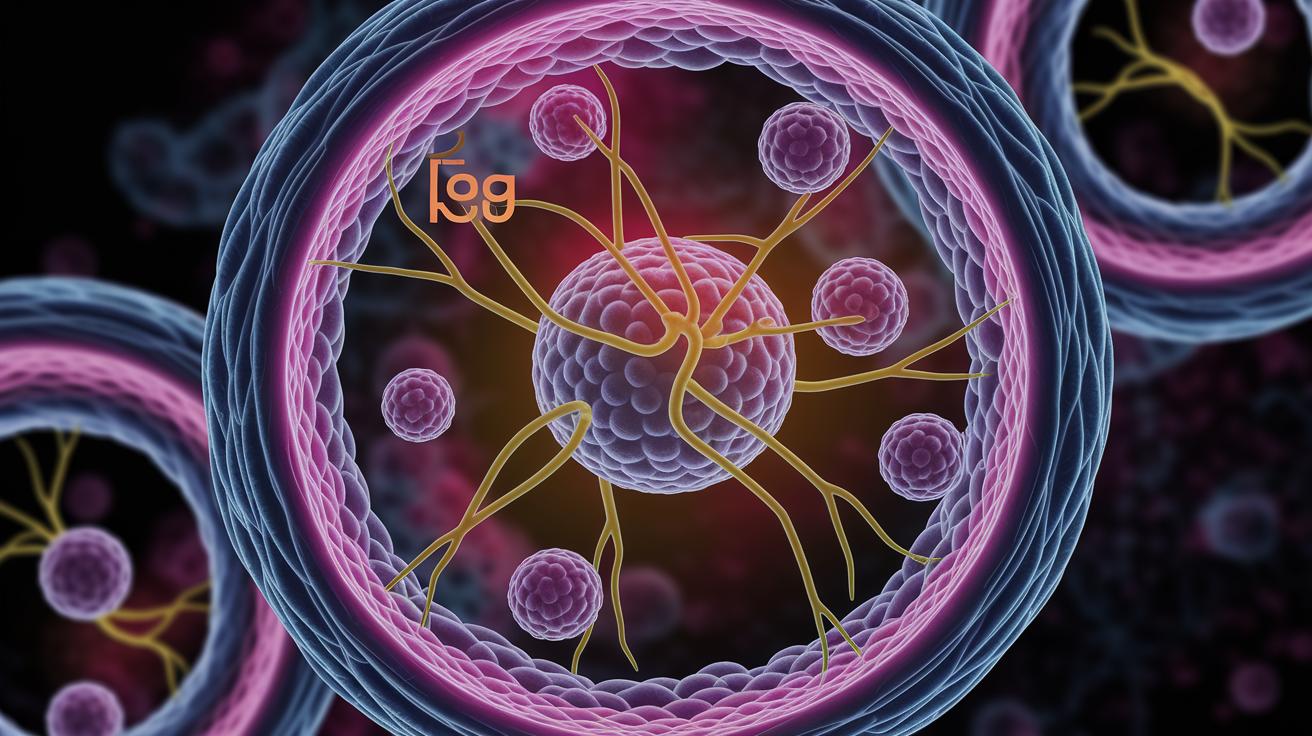
When our cells face stress, a special group of kinases jumps into action. These proteins are like little sensors that notice different kinds of trouble. Some detect when amino acids (the building blocks for proteins) run low, while others watch for misfolded proteins in the endoplasmic reticulum, the cell’s quality control center. Once a kinase senses a problem, it kicks off a reaction by adding a small chemical tag called a phosphate to a protein named eIF2α. This simple change tells the cell to slow down protein production, giving it time to fix the issue and avoid more damage.
- GCN2 is turned on when there aren’t enough amino acids. It works in the cell’s fluid interior (the cytosol) and adds the phosphate to eIF2α, effectively cutting back protein production.
- PERK notices when misfolded proteins pile up in the endoplasmic reticulum. It sits in the ER membrane and adds the phosphate to eIF2α, easing the stress on the protein-folding process.
- HRI responds to a lack of heme (an important component for carrying oxygen). It works in both the cytosol and mitochondria and protects cells by adding the phosphate to eIF2α.
- PKR gets activated by viral RNA, mostly hanging out in the cytosol, and it adds the phosphate to eIF2α to stop making proteins that viruses could use to spread.
After the stress passes, the cell needs to get back to normal. Special processes remove the phosphate from eIF2α, letting protein production start up again. Other factors temporarily lower how active the kinases are to keep things balanced. This smooth transition helps the cell pause protein creation just long enough to repair damage while still keeping its vital functions intact.
ATF4 Activation Cascade And Downstream Gene Regulation In The Integrated Stress Response
When cells are under stress, they use a unique path to ramp up ATF4 production. Normally, the small sections in the ATF4 mRNA, called uORFs (which are like little speed bumps), stop the main ATF4 code from being read. But as stress sets in, a key factor named eIF2α gets a special tag, and overall protein creation slows down a bit. This slowdown gives the cell a chance to focus on the ATF4 message full of these uORFs. In simple terms, the ribosome skips over those tiny segments and starts reading the right part, much like traffic taking an alternate route around a roadblock to let an important car pass through. With this smart change, even while most protein work lags, ATF4 still gets made right on time.
After it is made, ATF4 changes its role and becomes a key regulator of survival genes. It moves into the cell's nucleus and helps switch on genes that manage amino acid levels (the building blocks of proteins), keep the balance of cell chemicals, and clear out damaged parts through a recycling process called autophagy. This means the cell gets the important parts it needs, clears away harmful chemicals, and recycles worn-out pieces. By adjusting these steps, ATF4 helps the cell handle stress in a gentle and balanced way, supporting repair and keeping the cell ready for whatever comes next.
Organelle Interplay In The Integrated Stress Response: ER And Mitochondrial Signaling Convergence
Inside each cell, the endoplasmic reticulum acts like a quality control team that checks if proteins are folding right. It uses sensors like PERK, IRE1, and ATF6 (these are special proteins that keep an eye on the building process) to spot any mistakes. When these sensors notice proteins folding the wrong way, they signal the cell to slow down making more proteins. This pause, which happens through a control switch called eIF2α, gives the cell time to fix the problem. Think of it like a factory hitting the emergency brake when things go a bit awry.
At the same time, mitochondria, often called the cell’s powerhouses, join in to help manage stress. They monitor levels of reactive oxygen species (chemicals that can harm the cell) and, if these get too high, they start a cleaning process called mitophagy to remove damaged parts. Through their own signal pathways that touch eIF2α kinases, mitochondria help adjust the flow of protein production and change how the cell uses energy during tough times. You might imagine mitochondria as alert guards who spot issues early and call in the repair crew. Together, the ER and mitochondria send signals that keep the cell in balance, ensuring energy production and repair work hand in hand when stress appears.
Therapeutic Strategies And Paradoxical Activation In Integrated Stress Response Modulation
Scientists have built a set of tiny molecules that help keep a cell's stress signals under control. These little helpers work by blocking key enzymes (called ISR kinases, which are like the cell’s alarm system) so that they can’t tag a protein called eIF2α. In plain terms, this means the cell won’t make too many proteins and get overwhelmed when things are tough. Some of these compounds stop the cell from sensing stress, while others slow down the process inside the enzymes. Think of one of them like turning off a blaring alarm when it isn’t really needed.
New discoveries have thrown a bit of a curveball. Some of the drugs meant to block these enzymes actually end up turning on a related enzyme by sticking directly to it. It’s like trying to put out one fire and unexpectedly starting another little spark. Researchers found that, instead of just calming the stress signals, these compounds sometimes accidentally send out a signal that boosts activity in another pathway. One study even noted, "An inhibitor meant to quiet the stress response unexpectedly lit up another pathway." These surprising findings have made scientists rethink how these molecules really work.
This new understanding is guiding the hunt for better, more precise compounds. Researchers are now working hard to create inhibitors that can curb harmful stress signals without accidentally triggering other responses. They are testing these refined molecules in lab cell models, and the early results are promising. In the end, finding that balance could pave the way for new treatments that support both cell repair and survival.
Disease Implications And Research Horizons Of The Integrated Stress Response
Sometimes when cells stay in a stressed state too long, they start to act oddly. This extra activity can lead to brain cells dying, a problem we see in certain brain conditions. But if cells don’t get enough stress signals, they might not fix themselves properly. This can open the door for unusual cell growth, which is often linked to cancer. The way these signals work also affects how our bodies handle sugar and fats, which can lead to metabolic issues. All this shows that the fine-tuned balance of stress signals is connected to the way diseases develop.
Researchers are now looking into easy ways to check how well the stress response is working in people. They are creating tests that find markers in blood or tissues that light up when cells are stressed. At the same time, they are trying drugs that can gently balance these signals to help cells repair themselves better. Early tests in labs show promise for treatments that get the stress level just right. As these studies move toward careful tests with real people, they might lead to new treatment plans that use a more accurate control of cell stress.
Final Words
In the action, we explored the integrated stress response, from its basic setup to its role in managing cell behavior under stress. We looked at kinase mediators, ATF4 activation, and even how cell parts work together during stress. Our discussion covered ways to tweak these signals and what they mean for disease and treatment. Every piece of this mechanism shows how intricate yet vital our stress response is. It's a deep look at keeping our cells balanced and our bodies strong.
FAQ
What does the integrated stress response review cover?
The integrated stress response review covers how cells sense and react to stressors such as protein misfolding, nutrient shortages, and oxidative challenges by modulating protein synthesis and gene expression.
How does the integrated stress response connect cellular mechanisms to disease?
The integrated stress response links cellular stress sensing, like eIF2α phosphorylation and ATF4 activation, to disease by affecting processes that can contribute to neurodegeneration, cancer, and metabolic dysfunction.
How does the integrated stress response differ from the unfolded protein response?
The integrated stress response handles various stress signals, including nutrient and oxidative stress, while the unfolded protein response focuses on the stress of misfolded proteins in the endoplasmic reticulum.
What is an integrated stress response inhibitor and how does it function?
An integrated stress response inhibitor targets stress response kinases, reducing eIF2α phosphorylation to modulate protein synthesis and help cells better manage stress.
What are integrated stress response genes and their significance?
Integrated stress response genes include those like ATF4, which regulate protective responses such as amino acid metabolism and redox balance, ultimately supporting cell survival under stress.
How do mitochondria contribute to the integrated stress response?
Mitochondria contribute by detecting oxidative stress and activating pathways that converge on eIF2α kinases, thereby fine-tuning the cell’s adaptive response.
How does the integrated stress response impact eIF2α?
The integrated stress response impacts eIF2α by promoting its phosphorylation, which reduces overall protein production while allowing selective translation of critical survival proteins.
What triggers the integrated stress response in cells?
Cellular stressors such as nutrient deprivation, protein misfolding, and oxidative stress trigger the integrated stress response by activating specific kinases that phosphorylate eIF2α.
How does the integrated stress response influence aging?
The integrated stress response influences aging by helping cells cope with accumulated stress, though prolonged activation may impair cell function and contribute to age-related decline.