Have you ever felt like your mind is running non-stop? Insight meditation helps you slow things down by tuning in to the little signals from your body and thoughts. This practice started long ago in Asia and has been used by teachers like Jack Kornfield to help ease stress and boost clear thinking. By paying close attention to your breath and thoughts, you make room for a calm, balanced mind. In this article, we share friendly tips on how these simple techniques can help you live more in the moment and enjoy lasting clarity.
Insight Meditation Practice & Philosophy Overview
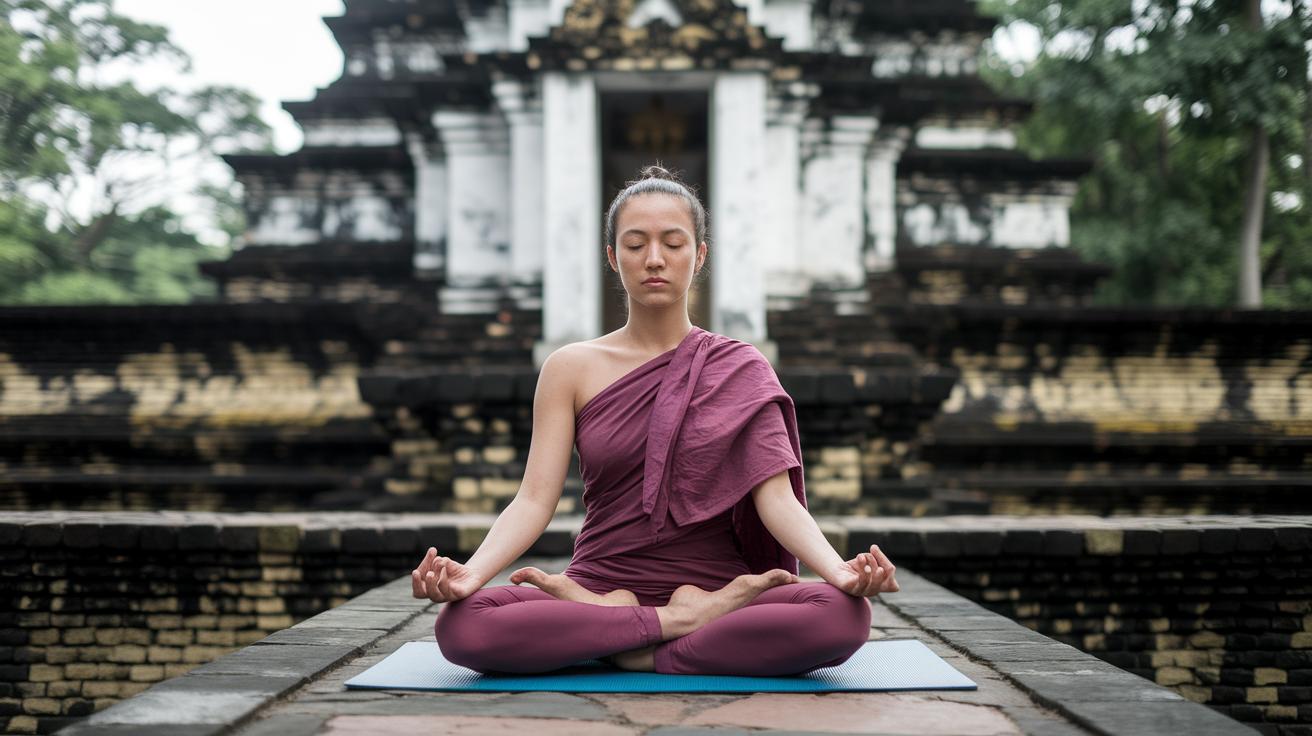
Insight meditation helps us notice what is happening inside our minds and bodies. It invites us to observe our thoughts, feelings, and the sensations in our body so we can live fully in the moment and feel less stressed. Imagine sitting quietly and feeling each breath as it brings small signals from your body.
This practice comes from ancient traditions in Thailand, Burma, and Sri Lanka. It carries the wisdom of monks and teachers like Jack Kornfield from Spirit Rock. These teachings remind us that old, time-tested methods can still bring calm and clarity to our busy lives.
Vipassana techniques mix naturally with the idea of staying aware. They teach us to gently label our thoughts and feelings, which means naming them as they arise, to help keep our focus in the present moment. For example, if you notice your mind drifting, simply label it as "wandering" and guide your focus back to your breath. This simple step-by-step approach helps you see old habits more clearly and can lead to a steadier, more balanced state of mind.
Historical Roots of Insight Meditation
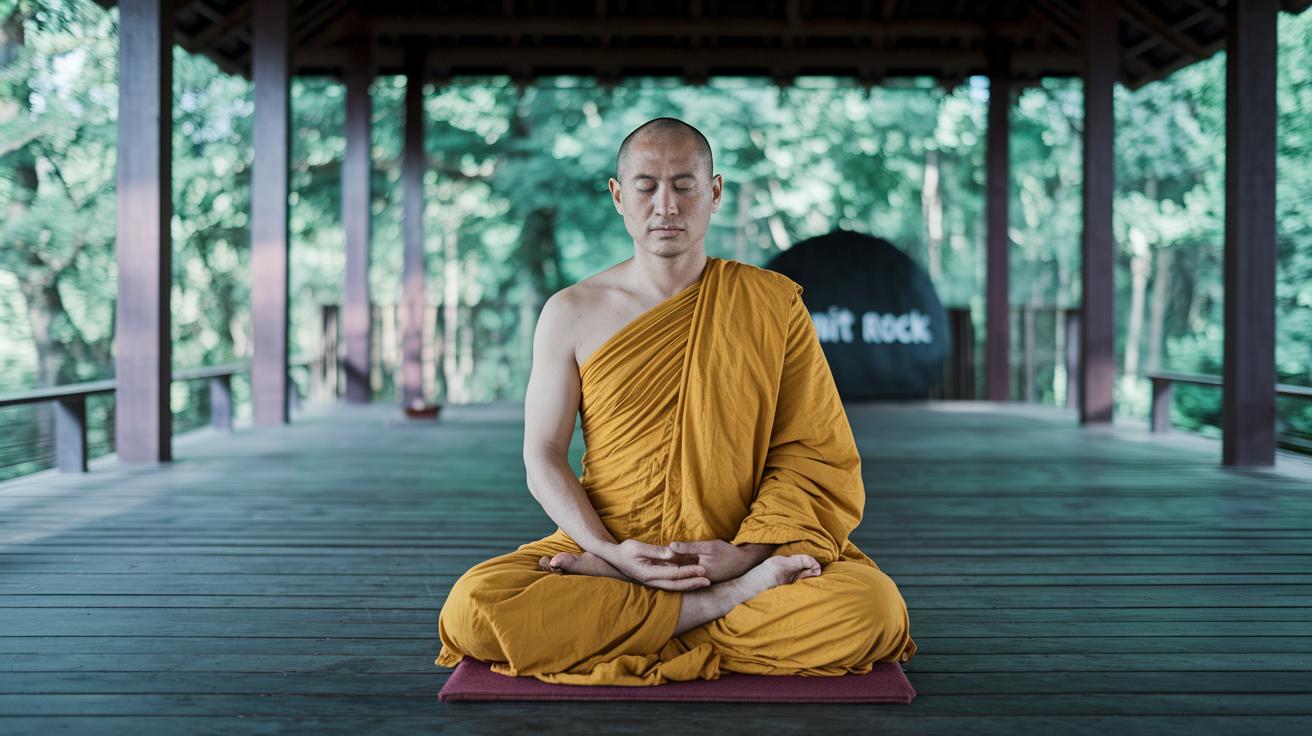
For more than 2,500 years, people in South Asia practicing Theravada Buddhism have used insight meditation to find calm and clarity. Monks in places like Thailand, Burma, and Sri Lanka passed these simple techniques from one generation to the next so everyone could connect with the present moment.
Today, insight meditation is offered through various retreats, from one-day sessions to ten-day intensive experiences. Often held in silence, these retreats help you step away from daily noise and focus on your inner world. Imagine sitting quietly and observing the gentle rhythm of your breath, the flow of your thoughts, and the sensations in your body. This blend of ancient wisdom with practical guidance creates a powerful sense of clear-mindedness and lasting calm.
Spirit Rock Meditation Center, founded in 1986 by Jack Kornfield, has had a big impact on how insight meditation is practiced now. By mixing the deep insights of Buddhist teachings with ideas from the Western world, it has helped many people grow in their meditation practice while feeling supported and understood.
Insight Meditation: Embrace Calm and Clarity

When you focus on your body and its signals, you ground yourself in the now. Sit comfortably with an upright and alert posture. Take a moment to slowly scan your body from head to toe. Feel the pressure of your feet on the ground and notice the soft rise and fall of your chest with every breath. This gentle attention helps you feel connected and at ease.
Paying attention to your feelings is just as important. As you meditate, try to simply notice what you feel, whether it's comfort, a bit of tension, or something in between, without judging it. Instead of fighting or ignoring these sensations, allow them to be a natural part of your meditation. It’s like giving yourself a small, caring pause, which can help you stay balanced and calm.
Noticing your thoughts as they come and go is a great step toward better focus. When your mind drifts to plans or daydreams, gently label these moments as "thinking" or "wandering." This simple naming trick helps you see your thoughts without getting wrapped up in them, making it easier to return your focus to the present moment.
Take a moment to see how every thought and feeling is temporary. Imagine each experience as a wave that comes and then passes away. This understanding can ease any discomfort and remind you that nothing stays the same forever. With everyday practice, this open observation deepens your clarity and nurtures a peaceful inner state.
Step-by-Step Insight Meditation Techniques for Beginners
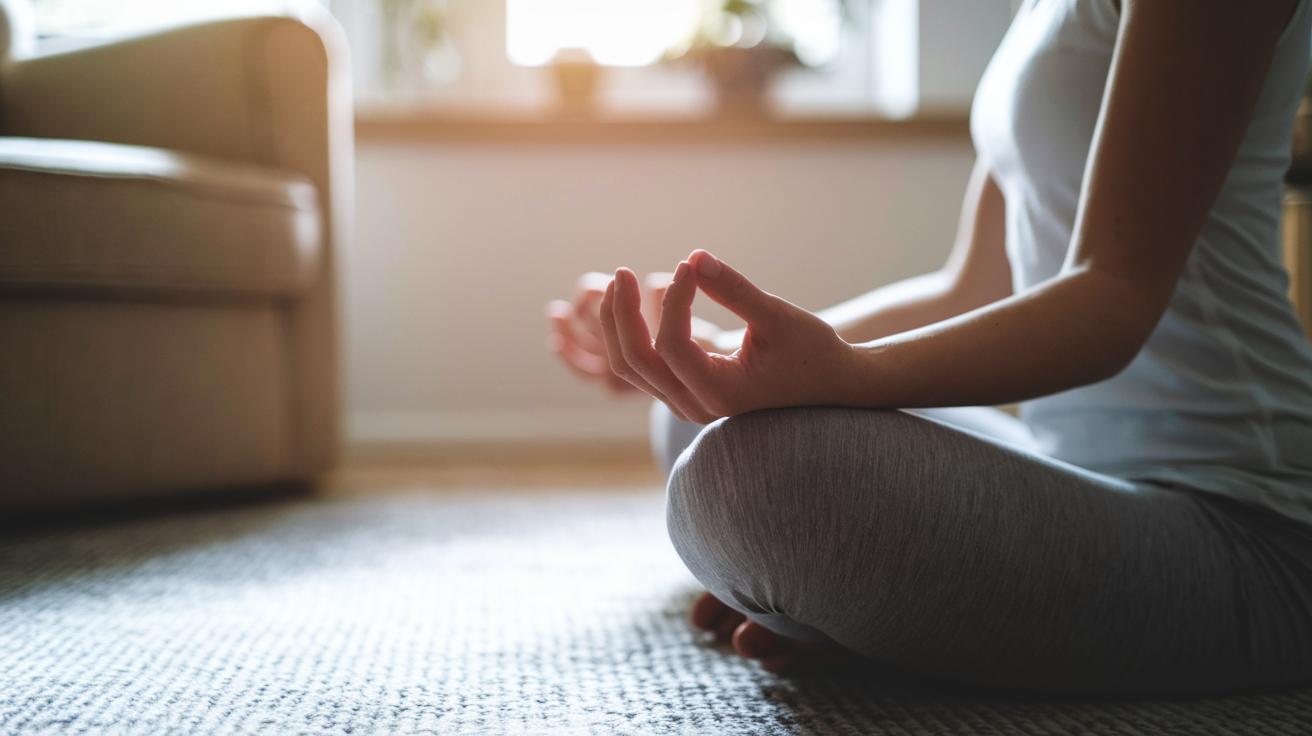
Ready to give meditation a try? This easy guide is here to help you settle into your practice and enjoy a calm, quiet moment each day.
-
Pick a quiet spot where you can sit comfortably, away from too much noise. Picture a cozy corner in your home where daily chores and chatter fade into the background.
-
Set a clear goal for your session. Think about what you want to focus on, whether it's calming your mind or simply enjoying a peaceful break.
-
Sit up straight but relaxed. Let your hands rest softly on your lap. This simple posture helps keep your body and mind in sync.
-
Now, pay attention to your breathing. Breathe in and out slowly, noticing the air fill your lungs and leave. If a thought pops up, don’t worry, just let it pass and gently return your focus to your breath.
-
Try mixing in a little walking meditation if you like. A short, slow walk can refresh your focus, especially if staying still for too long feels too heavy.
-
End your session by sending a little kindness to yourself and others. Take a moment to feel warmth and compassion, letting your positive energy spread.
With regular practice, these simple steps will help you feel calmer and more balanced each day. Enjoy the journey!
Research-Backed Benefits of Insight Meditation
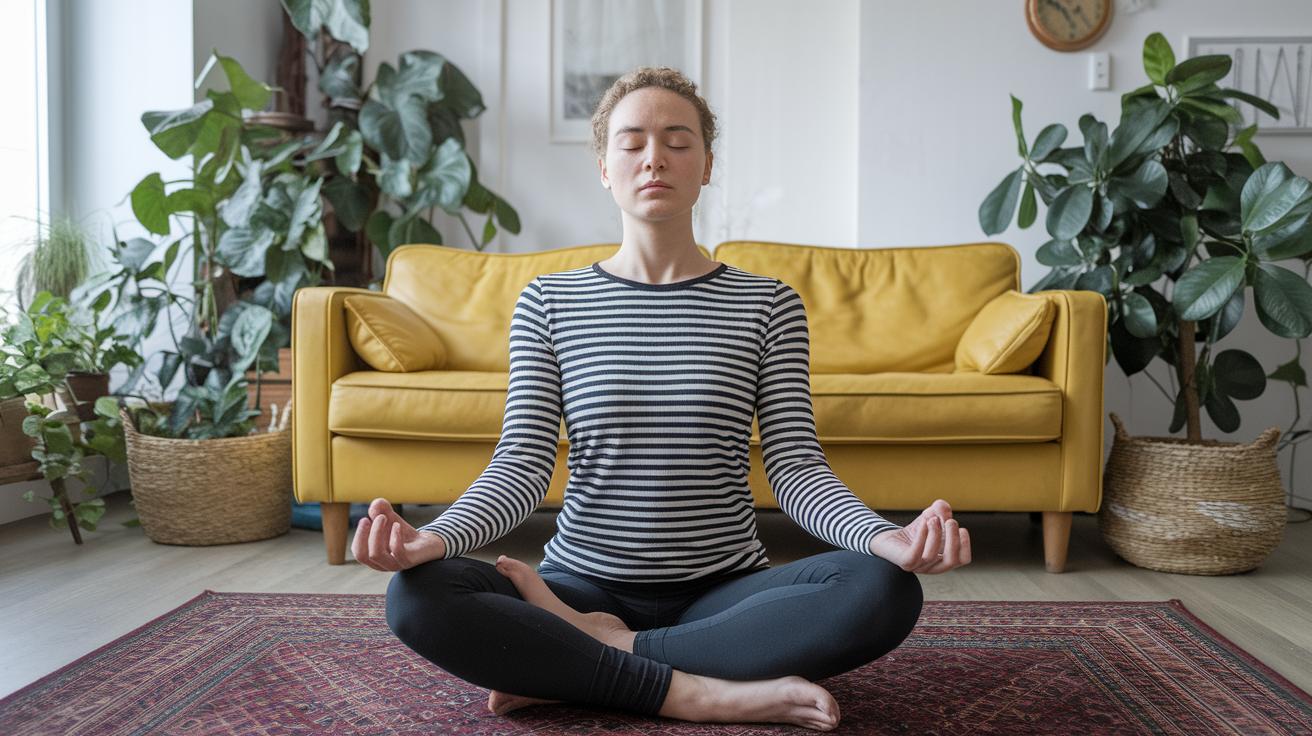
Regular practice of insight meditation can help ease stress by inviting you to live in the moment and let distractions fade away. Research shows that taking this time for yourself can clear your mind and boost your self-awareness. By gently watching your emotions without getting swept up in them, you may find it easier to keep your feelings in balance. This mindful approach even helps nurture a caring attitude toward both yourself and others, paving the way for better mental health and a more balanced outlook on life.
| Benefit | Description | Reference |
|---|---|---|
| Stress Reduction | Encourages calmness by keeping you focused on the present, which naturally eases stress. | Study on stress relief methods |
| Mental Clarity | Helps sharpen your focus so you can think more clearly when challenges arise. | Cognitive benefit study |
| Emotional Regulation | Makes it easier to manage difficult feelings by observing them calmly. | mindfulness for intrusive thoughts |
| Compassion Development | Fosters a kind and gentle outlook towards both yourself and those around you. | Mental health benefits research |
| Self-Awareness | Helps you notice your own habits and inner feelings, deepening your understanding of who you are. | Self-realization practices |
Keep in mind, while these benefits are truly uplifting, you might sometimes feel a bit uneasy when deep emotions surface.
Integrating Insight Meditation into Daily Life
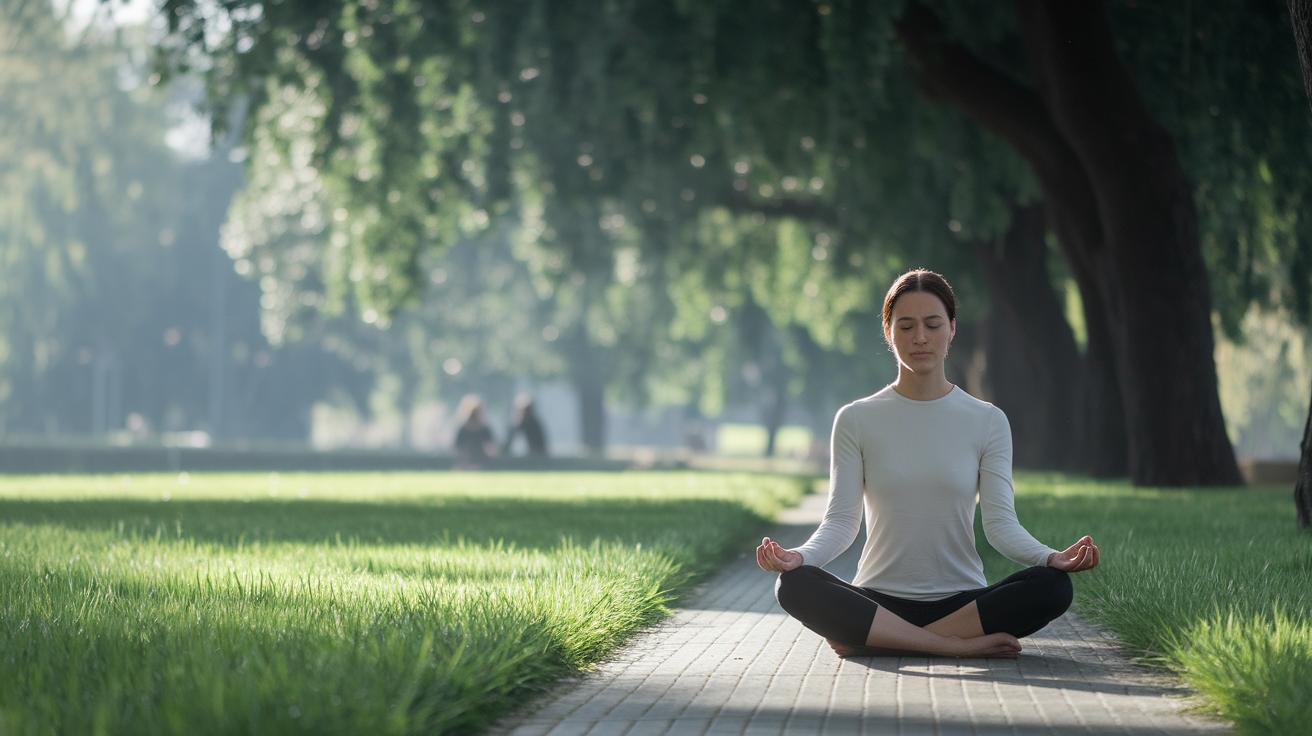
Give yourself a few moments each day to just sit and be still. You could even add tiny mindfulness actions during a busy workday, like taking a deep breath before a meeting or a few mindful steps during a break. Imagine taking a quick walk outside at lunch, noticing your footsteps and the fresh air. It’s a small pause that brings you back to the present.
Joining a meditation group or a local session can also add a spark to your practice. There are community sessions, guided meditations, and Dharma talks where you can chat about your experience. It’s like gathering with friends who encourage you to slow down and savor the moment.
Keep your routine lively with ongoing study and reflection. Online courses and on-demand classes offer fresh ideas that help you stay on track. Over time, these small habits help you see each day a little differently, making your journey toward clear, calm living even more rewarding.
Final Words
In the action with insight meditation, the article showed how examining thoughts and sensations can form a strong base for feeling calm. It traced ancient roots, explored modern retreats, and offered practical steps from simple sitting practices to mindful walking.
We saw how clear focus and gentle self-reflection bring benefits that brighten daily routines. Keep practicing these techniques and enjoy the refreshing boost to your well-being every day.
FAQ
What is insight meditation and why is it called insight meditation?
The insight meditation is a practice that focuses on directly observing thoughts, feelings, and sensations to bring clarity and calm. Its name comes from its goal of seeing clearly into the nature of experience.
How does insight meditation differ from Vipassana, and what are the three stages of insight?
The insight meditation shares similarities with Vipassana by promoting non-judgmental observation. Typically, practitioners progress from basic awareness, to a deeper understanding of feelings, to transformative clarity in their experience.
What are the five rules of Vipassana meditation?
The five rules of Vipassana meditation center on ethical conduct. They urge practitioners to avoid harming living beings, stealing, engaging in misconduct, lying, and using intoxicants to support a stable, mindful state.
Where can I find local Insight Meditation centers and resources?
The insight meditation community offers various local centers and societies. In regions like Massachusetts and Barre, you can often find centers, while many digital platforms and apps also guide your practice.
What digital and print resources are available for insight meditation?
Insight meditation resources include user-friendly apps that guide practice and books that explain its techniques and history. These tools support both beginners and experienced practitioners in deepening their practice.
How is insight meditation connected to Buddhism and its traditions?
The insight meditation is rooted in Buddhist teachings, especially within the Theravāda tradition. It invites you to explore your inner experience directly, fostering clear awareness through methods passed down over centuries.