Have you ever thought about turning your living room into your very own gym? You can build muscle at home with simple moves like squats, push-ups, and lunges. Picture yourself finishing each set and feeling your muscles come to life with every repetition.
This guide offers clear, step-by-step advice to add a few extra reps each week while keeping your workout flexible enough to fit into your busy schedule. With a balanced mix of exercise and good nutrition, you'll be building strength and feeling healthier right where you are.
Practical Foundations for How to Gain Muscle from Home
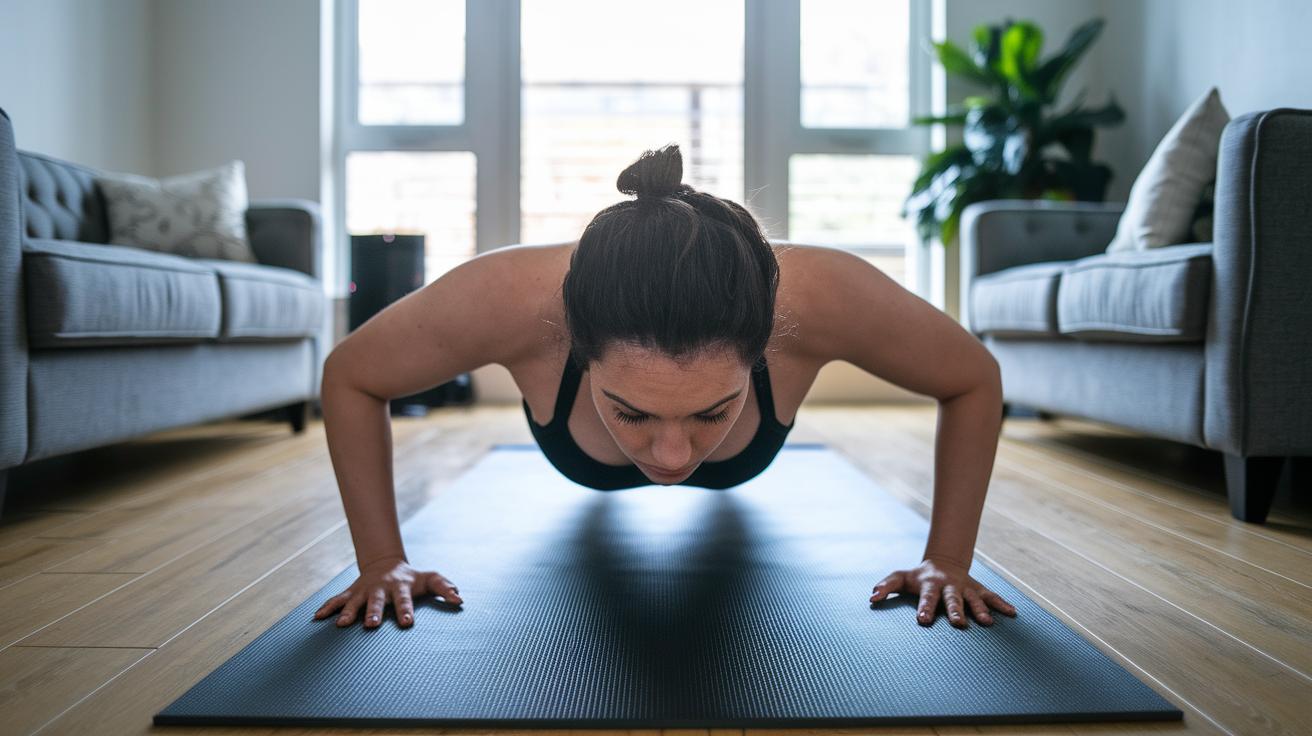
Building muscle at home is all about using simple bodyweight moves when you can't get to a gym. You rely on your own strength to do exercises like squats, push-ups, and lunges. Even if you’re new to working out, a free 7-day beginner course can help you build a strong fitness base.
These workouts are flexible. You can do them in your living room or even outside, maybe in a park where you feel free. They boost your heart health, enhance your balance, and strengthen your core. And as you grow stronger, you can safely add new exercises to challenge yourself even more.
Here are some key ideas to keep in mind:
- progressive overload
- consistency
- balanced nutrition
- sufficient recovery
- proper form
Mixing these tips into your plan means you’re pushing your muscles a little more each week. Progressive overload means slowly adding extra repetitions or sets so your muscles work harder and get stronger. When you stick with your routine, your muscles adapt and grow over time. Eating a balanced diet with the right nutrients helps fix your muscle fibers and gives you the energy you need for recovery. And using proper form keeps you safe and builds a solid base for more challenging moves later on.
Take it one step at a time, and soon you’ll start noticing real progress on your journey to a healthier, stronger you.
Designing Effective Workouts for Indoor Muscle Development
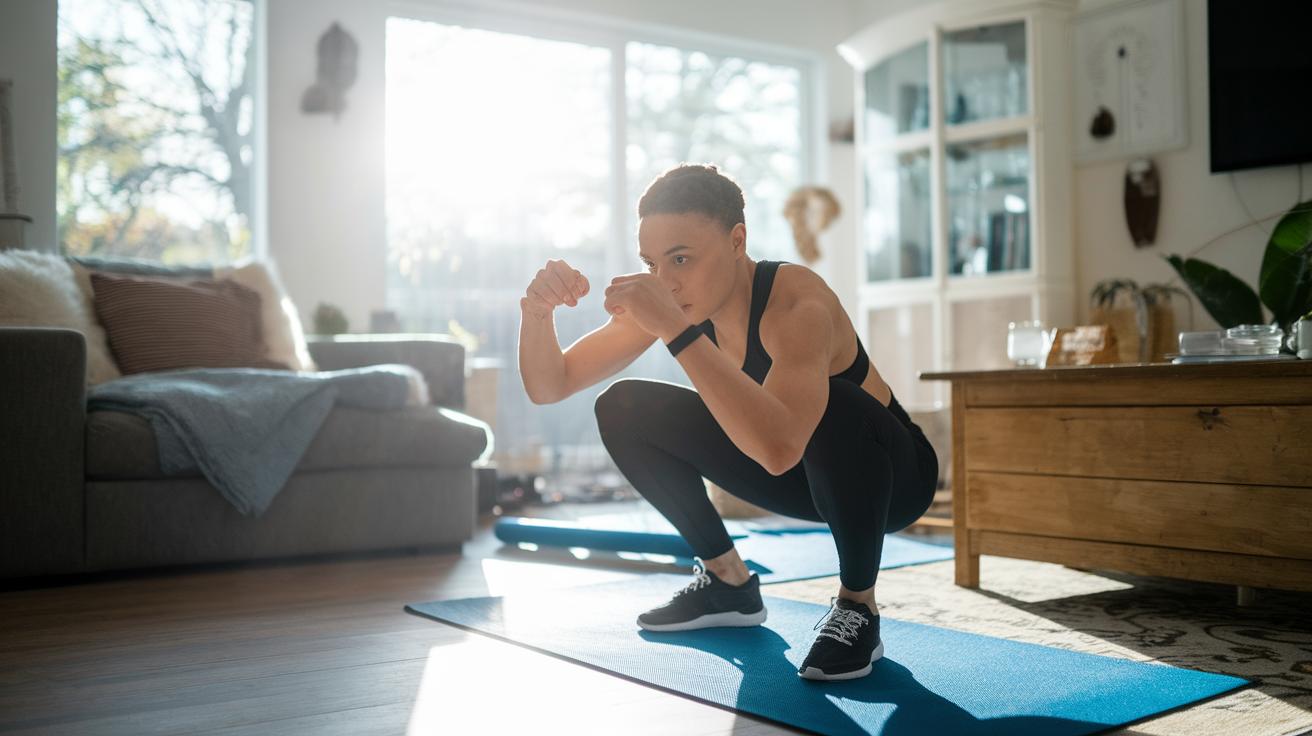
Indoor workouts can be a great way to build muscle without needing a huge space or lots of time. Start your session with a gentle warm-up. For example, jog in place, lift your knees high, or swing your arms in circles for about 5 to 10 minutes. This simple routine wakes up your muscles, much like turning on your car in the morning.
Next, plan a workout that lasts 30 to 60 minutes. Do each exercise in 2 to 6 sets with 6 to 12 repetitions per set, and take a 60-second break between sets. This format lets everyone move at their own pace, from beginners easing into exercise to advanced folks looking for a challenge.
-
Squats – Aim for 2 to 6 sets of 6 to 12 reps.
• If you're new, try bodyweight squats with a chair nearby for extra balance.
• As you get comfortable, use a narrow stance and focus on a controlled move.
• Once you're ready for more, add a pause at the bottom or try jump squats to boost the intensity. -
Hinge Lunges – Do 2 to 6 sets of 6 to 12 reps for each leg.
• Beginners should try lunging backwards while holding onto something stable.
• Move on to standard lunges with slow, steady movements.
• When you feel confident, try walking lunges with a longer step to deepen your workout. -
Push-ups – Complete 2 to 6 sets of 6 to 12 reps.
• If you're just starting, do push-ups on your knees or push against a wall.
• Once you're ready, do standard flat push-ups.
• For a tougher challenge, switch to incline or decline push-ups. -
Pull-up Variations – Perform 2 to 6 sets of 6 to 12 reps.
• Beginners might use an assisted pull-up machine or a resistance band for help.
• As you progress, aim for full-range standard pull-ups.
• For those seeking more challenge, try increasing the reps or adding a light weight belt. -
Plank-to-Push-up – Do 2 to 6 sets of 6 to 12 reps, switching arms with every move. This helps boost your core strength along with your arms.
-
Inverted Rows – Aim for 2 to 6 sets of 6 to 12 reps using a sturdy table or a suspension trainer. This move works well for your back muscles.
-
Dips – Do 2 to 6 sets of 6 to 12 reps using a bench or chair. Adjust how deep you go depending on your confidence level.
Try to set aside 2 to 3 days each week for these indoor strength workouts if you're just starting. If you already have some experience, 3 to 4 days may work better. Just be sure to give your body time to recover while you progress toward your muscle-building goals.
Calisthenics and Lightweight Resistance Drills for Home Muscle Gain

Calisthenics with light resistance drills are a smart, simple way to build muscle without a ton of equipment. You can work out using resistance bands, light dumbbells, or suspension trainers like TRX straps. These tools help engage your core, keep your balance steady, and add gentle flexibility exercises. Plus, mixing in some sprint drills, like 50-yard sprints, stair sprints, and hill sprints, gives your heart a good workout and boosts your endurance.
- TRX Suspension Push-ups – If you're just getting started, try doing push-ups on your knees to build strength and balance. As you get more comfortable, shift to regular push-ups with careful form to work your chest, shoulders, and core. For extra guidance, check out some simple bodyweight strength training exercises.
- Resistance Band Squats – Begin with a light band to master the proper squat form. Once you feel more secure, pick a band with a bit more resistance to challenge your muscles with every rep.
- Dumbbell Bent-Over Rows – Start with lighter dumbbells and focus on smooth, controlled movements. When you’re ready, gradually add a bit more weight or do more reps to strengthen your back.
- 50-Yard Sprints – For beginners, a brisk 50-yard jog helps you get used to quick bursts of movement. If you're feeling up to it, try turning them into full sprints for a power boost.
- Stair Sprints – Start by walking up the stairs at a comfortable pace. Over time, increase your speed to build up leg strength and stamina.
- Hill Sprints – Begin with a gentle incline at a moderate pace. As you grow stronger, work up to faster hill sprints that challenge both your muscles and heart.
Mix these drills into your weekly routine by alternating between strength and cardio days. For instance, try calisthenics drills on days when you want to focus on building muscle, and add sprint intervals on cardio days. Changing up the routine not only breaks the monotony but also helps you progress steadily while keeping your workouts fun.
Applying Progressive Overload in Your Home-Based Muscle Training
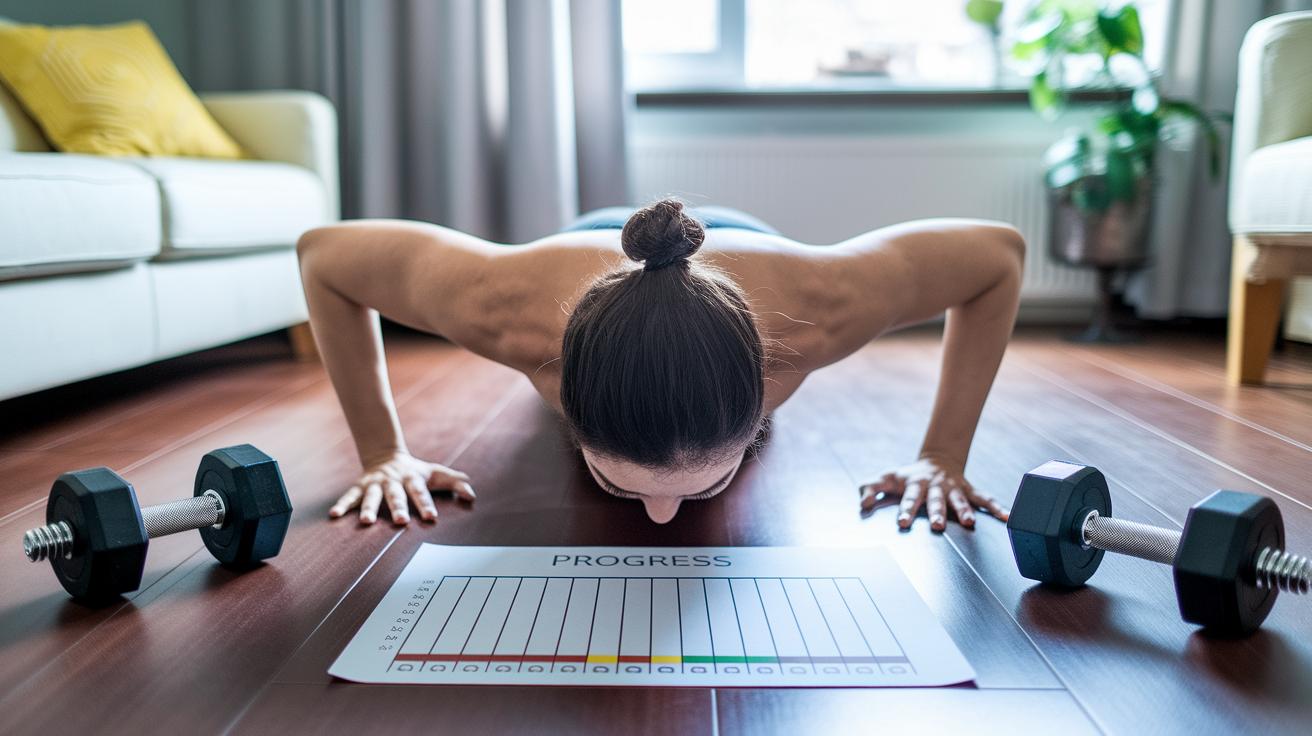
Building muscle at home is all about taking small, steady steps. Start with a plan that slowly increases your workout challenges. Experts from the International Sports Science Association say that beginners could see muscle gains in about 8 to 12 weeks. Adjust your routine as you get stronger, and soon you'll notice real progress.
| Experience Level | Training Days per Week | Session Length |
|---|---|---|
| Beginners | 1–2 days | 30–60 minutes |
| Intermediates | 2–3 days | 30–60 minutes |
| Advanced | 3–4 days | 30–60 minutes |
Each week, try adding a tiny bit more to your workout. If you normally do 10 push-ups per set, for instance, add one more next time. These little changes help your muscles keep adapting and prevent you from hitting a plateau. This steady, step-by-step approach lets you build muscle safely while keeping your workouts fun and manageable.
Nutrition Strategies to Fuel Muscle Growth at Home
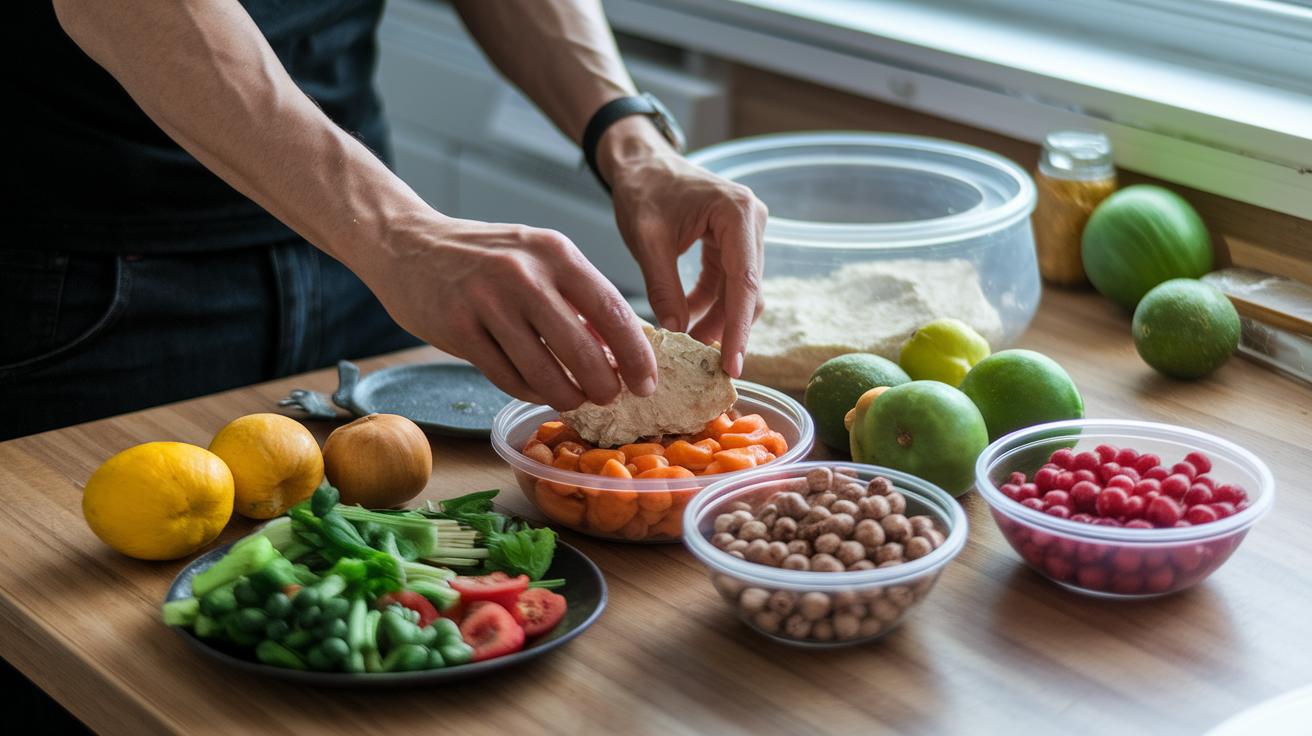
To build muscle at home, start by setting a clear daily calorie goal and planning how much protein, carbohydrates, and fats you need. A balanced mix of these nutrients helps repair and grow your muscles, especially when you time your meals around your workouts. Think of your meals as the fuel that powers your workouts.
Before you begin, try using a calorie and protein calculator. This tool can help you match your food to your muscle-building goals. Did you know that many athletes believe a little change in when they eat can really boost their performance?
Here are some simple meal ideas to keep you going:
- Greek yogurt with a few almonds and fresh fruit for breakfast can give you long-lasting energy.
- A smoothie that blends protein powder (whether whey or plant-based) with a banana is a great pre-workout snack.
- After your workout, enjoy chicken breast with brown rice and steamed broccoli. This hearty mix of protein and good carbs jump-starts muscle recovery.
- Cottage cheese mixed with berries and a touch of honey makes a light snack in the afternoon that still helps your muscles.
- A lean turkey salad with lots of colorful veggies and a drizzle of olive oil at lunch gives you both protein and essential nutrients.
- Right after exercise, a quick snack like a protein bar or a small handful of mixed nuts can help ease muscle fatigue while keeping your energy steady.
When it comes to supplements, options like whey protein powder, BCAAs (amino acids that help repair muscles), or a good creatine product might be helpful. And don’t forget to stay hydrated, drinking plenty of water throughout the day helps move nutrients where they need to go. With smart nutrition and consistent meal timing, you’ve got a clear roadmap to building muscle right at home.
Recovery and Rest Techniques to Support Home Muscle Building
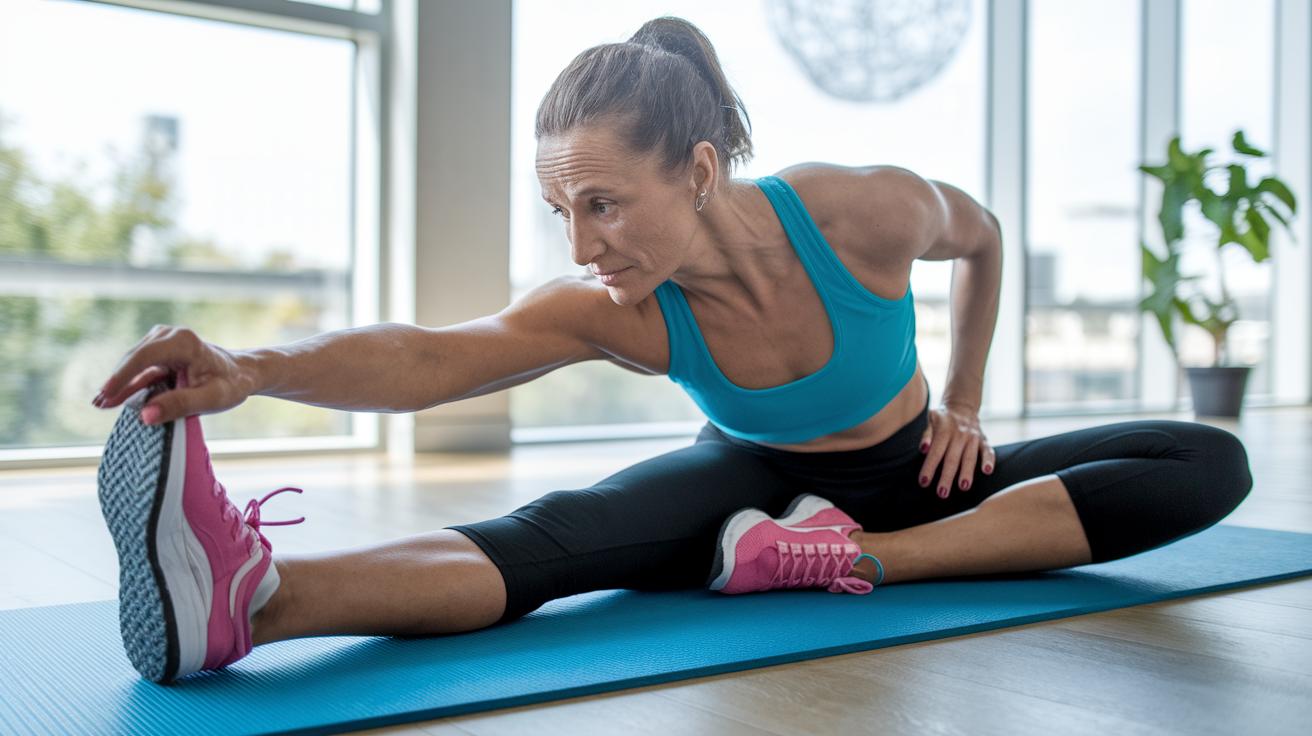
Taking care of your recovery is as important as your workouts. Getting 7–9 hours of sleep each night lets your muscles rebuild stronger. Rest days give your body time to fix those muscle fibers and boost both your physical and mental strength. This regular pattern not only repairs muscles but also helps lower the chance of injuries.
After your workout, a few simple habits can really help:
- Stretching: Do a light stretch afterward to keep muscles loose and reduce tightness.
- Foam Rolling: Roll over sore spots with a foam roller to ease stiffness and get blood flowing better.
- Hydration: Drink plenty of water throughout the day to support muscle repair and overall body health.
- Mobility Work: Try simple exercises that keep your joints moving smoothly.
- Stress Reduction: Take deep breaths or enjoy a short, mindful break to lower stress, which aids recovery.
Keeping a regular recovery routine is key for ongoing progress. By setting aside proper sleep and rest along with these tips, you help your body rebuild and get stronger, keeping you motivated for more gains in the long run.
Tracking Progress and Motivation for Your Home Muscle Gains

Setting SMART muscle-building goals means you set clear and practical targets. They help you focus on your workouts and track real progress as you work on moves like push-ups, lunges, and pull-ups. When you know exactly what you’re aiming for, it’s easier to add a few extra reps or fine-tune your form.
• Log workouts with an app: record each session, count your reps, and keep an eye on your recovery data.
• Take progress photos: snap pictures regularly so you can see changes over time.
• Test your strength: do key exercises now and then to check how much your muscles are improving.
• Keep a recovery journal: note your sleep, stretching, and other habits that help you bounce back.
Keeping a fitness diary or using an app makes you more accountable. Regular checks, like measuring your body and noting strength milestones, remind you of your hard work. Reviewing your records each week can boost your consistency and give you that extra push to do a little more each time you work out.
Final Words
In the action, we covered clear methods to build strength at home with bodyweight exercises, no-equipment routines, and light resistance drills. We touched on balanced meal ideas for fueling workouts, proper rest techniques for recovery, and simple ways to track progress. Every principle works together to show you how to gain muscle from home. Stay motivated, keep refining your approach, and celebrate progress along the way. Enjoy every step as you build a stronger, healthier version of yourself.
FAQ
Frequently Asked Questions
How to gain muscle from home for females and beginners?
Gaining muscle at home for females and beginners means starting with simple bodyweight exercises,
sticking to a consistent routine, and focusing on good form along with balanced nutrition and proper rest.
How to gain muscle at home without equipment or weights?
Building muscle without equipment relies on using your own body weight. Exercises like push-ups, squats,
lunges, and planks effectively stimulate muscles and boost strength.
What does a 30-day muscle building workout plan look like and how can I gain muscle fast?
A 30-day plan mixes varied bodyweight exercises, brief but regular workouts, and smart nutrition. Gradually raising
intensity helps muscles adapt quickly and grow stronger.
What are the best exercises to gain muscle at home?
The best exercises feature moves like push-ups, squats, lunges, planks, and burpees, which target key muscles.
These bodyweight moves work well for building strength in a home setting.
What is the 3 3 3 rule for working out?
The 3 3 3 rule explains doing three exercise types, three sets each, with three reps per set.
This simple scheme offers a structured mini-workout to boost strength and endurance.
Can you build muscles at home?
Building muscles at home is entirely possible using bodyweight and light-resistance exercises,
coupled with a consistent workout schedule and supportive nutrition that helps repair and grow muscle fibers.