Ever wonder if a few mindful minutes could change your whole day? Here’s a simple way to calm your mind and be in the moment.
Start by finding a quiet, cozy spot where you feel safe. Sit comfortably and focus on your breath, noticing each gentle inhale and exhale. As you do this, let your thoughts drift by without any judgment.
Stick with this practice and notice how a little moment of mindfulness can bring calm and peace to your day. It might just be the boost you need to feel centered and relaxed.
Practical Step-by-Step Guide to Mindfulness Meditation

Begin by finding a quiet, cozy spot where you won't get disturbed. Pick a chair, cushion, or bench that helps you keep a straight back so you feel relaxed and comfortable.
Set a timer for five to ten minutes. This keeps things simple and gives a clear end to your session. You might say, "I'll set my phone for 5 minutes and enjoy each breath as the seconds pass."
Sit with your shoulders relaxed and let your hands rest lightly in your lap. If it feels right, close your eyes and start taking deep, slow breaths. Notice the cool air as it enters your nose and the gentle warmth when you exhale.
Look at your thoughts and feelings without judging them as good or bad. It's like watching fluffy clouds drift across a bright blue sky. You can even imagine your thoughts as little leaves floating down a stream, watch them pass by without holding on.
If your mind drifts, gently bring your focus back to your breath. It might help to quietly count each inhale and exhale to keep your attention centered.
Try to practice this every day. Over time, you'll find it easier to stay focused, and you'll build a calm, clear mind. It takes a little patience, but catching those wandering thoughts is a step toward becoming more centered.
Have fun exploring this routine and feel free to adjust the time as you get more comfortable. Even just a few minutes each day can bring more clarity and calm to your life. Enjoy each breath and the simple peace that follows.
Foundations of Mindfulness Meditation: Key Concepts
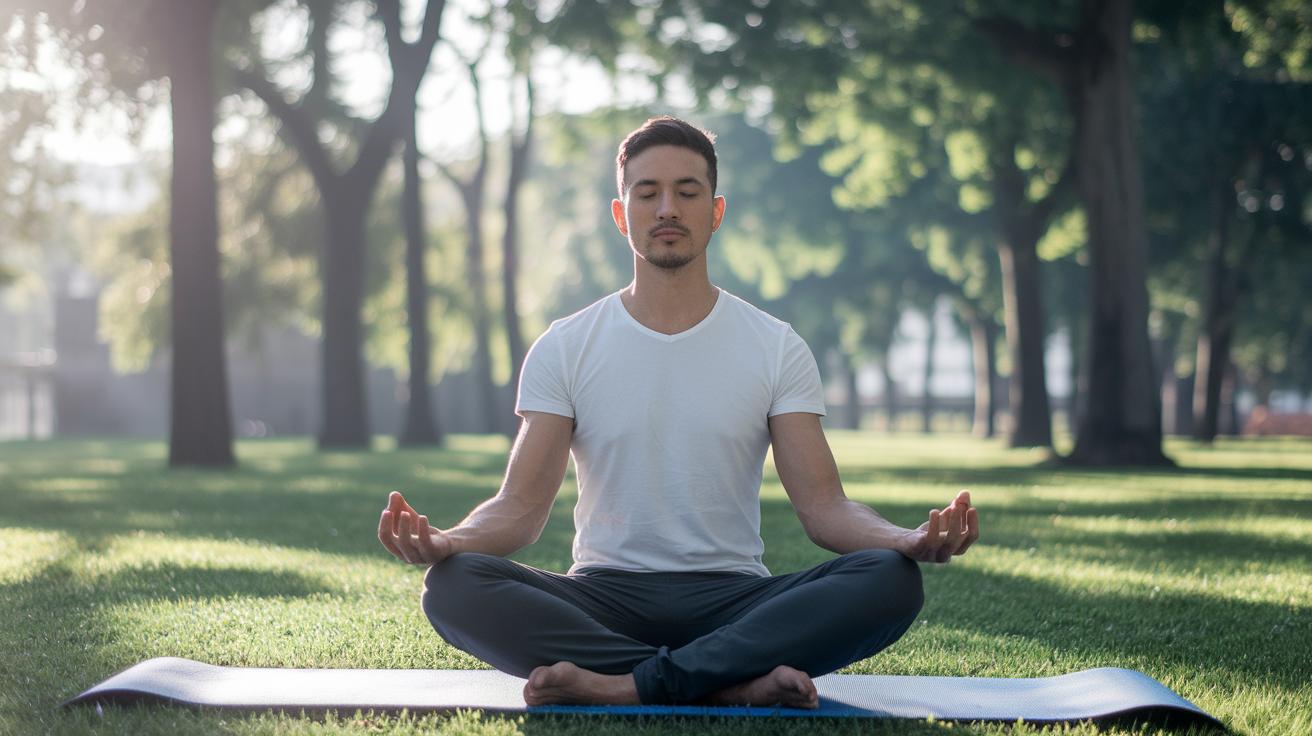
Mindfulness meditation comes from ancient Buddhist traditions. Over many years, people have shaped it into a tool to support mental and emotional well-being. Research even shows that practicing mindfulness can ease stress, lift your mood, and help keep your feelings steady.
At its core, mindfulness is about tuning into what’s happening right now, like the sounds around you, the thoughts in your head, or the feelings you notice. You’re not trying to label these as good or bad; you’re simply observing them. This way of paying attention lets you see familiar mental habits from a fresh angle.
For those who have been practicing for a while, mindfulness offers even more insight. For instance, mindful breathing has been linked to shifts in brain activity that help with managing emotions and staying focused. With regular practice, you can gain a clearer view of your everyday thoughts, paving the way for a calmer and more balanced life.
Posture and Setting for Effective Mindfulness Meditation

Find a quiet spot where you can settle in without being disturbed. It might be a cozy corner in your home, a garden bench, or your favorite chair. If outside sounds get in the way, try playing some gentle white noise or soft tunes. One time, I set up a calm area with a comfy cushion and a mellow song that really helped me ease into my practice.
Pick a seat that helps keep your back straight. A chair, cushion, or bench works fine as long as it supports you and lets your body stay aligned. Let your shoulders relax and let your hands rest comfortably in your lap. Think of it as inviting calm into your body instead of clenching up with tension.
If you're sitting on a chair, plant your feet firmly on the floor. If a cross-legged position feels more natural, go for it. This grounding step helps reduce fidgeting and keeps your focus steady. A friend once shared a tip: "Keep your feet steady to feel a real connection with the ground."
Play around with these posture ideas and find the practice that suits you best. Enjoy the process of discovering your most comfortable way to reflect and relax.
Guided Breathing Techniques for Mindful Awareness
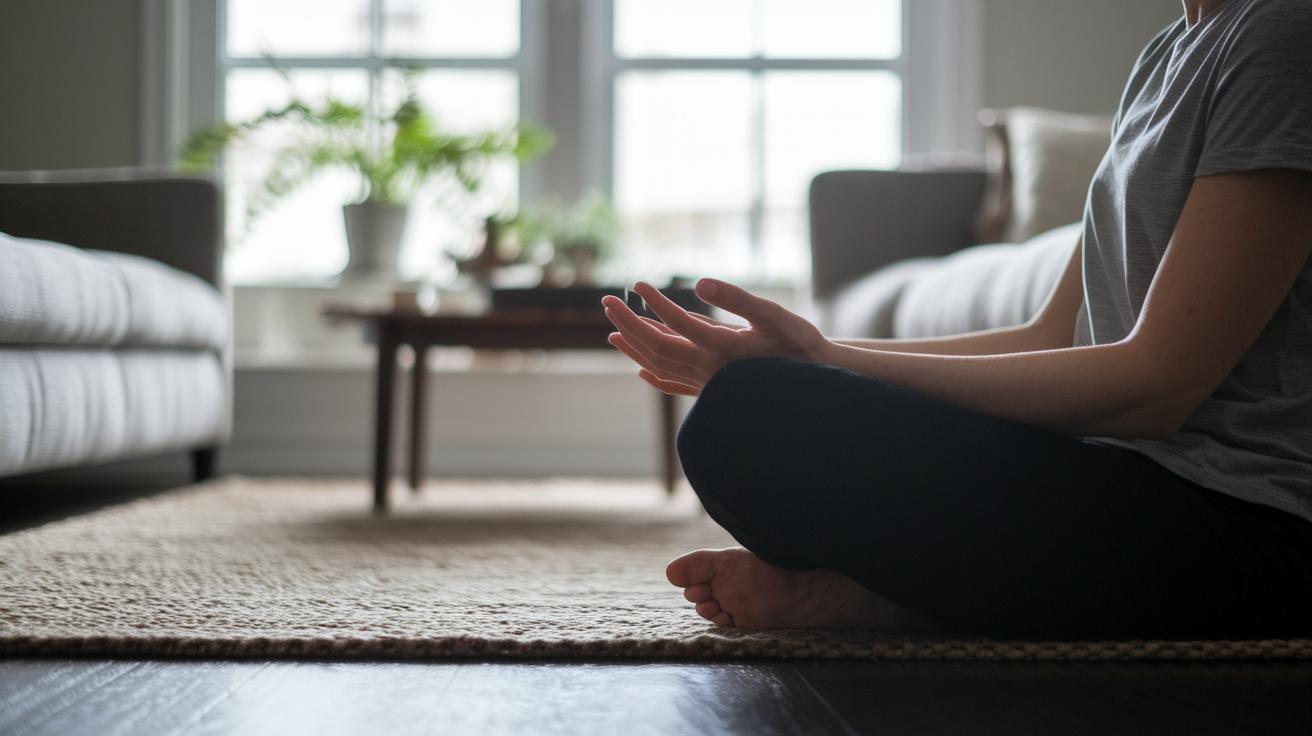
Sit comfortably with your hands resting on your lap and your eyes gently closed or looking softly ahead. Focus on your breath by feeling the cool air come in through your nose and the warm air leave as you exhale. Set a timer for five minutes to help keep your focus without checking the clock. If a thought or feeling comes up, quietly say to yourself, "I noticed a thought; now I'll let it go," and then bring your attention back to your breath.
Imagine your breath like a gentle tide. Tell yourself, "Breathe in slowly, like drawing in a deep ocean breeze; breathe out, letting go of tension like the tide pulling away." This image helps you feel calm and balanced. You might also try the 4-7-8 method: inhale for four seconds, hold your breath for seven seconds, and then exhale for eight seconds. Research shows that slow, steady breathing can ease stress and help reduce negative feelings.
Here are a few simple exercises to keep you focused:
| Exercise | Description |
|---|---|
| Sit Upright | Sit with a straight back and relaxed shoulders. |
| Feel the Breath | Notice how the air moves in and out with each breath. |
| Count Your Breaths | If needed, count silently like “Inhale, one; exhale, two” to stay focused. |
If it feels hard to stay focused, try adjusting your posture or count your breaths in your head to help anchor your mind.
how to do mindfulness meditation: Embrace Calm

Find a cozy spot where you can either sit or lie down without any distractions. Begin by taking a few slow, deep breaths and let your mind settle on how your body feels. Start at your toes, feel any sensations there. Then, gradually move your attention upward through your feet, legs, and hips. If you notice any tightness, imagine it slowly softening with each exhale.
Try this simple tip: take a deep breath, tighten the muscles in your feet for a moment, then gently let them relax. This small action sends a clear signal to your body that it’s time to unwind. Next, move your focus to your stomach, then your chest, your shoulders, and your arms. For each area, briefly squeeze the muscles, hold for a few seconds, and then relax fully. Finally, bring your awareness to your neck and head.
Spend about three minutes with this practice. It not only helps ease muscle tension but also trains your mind to notice every sensation without judgment. With regular practice, you may find it easier to stay calm and present in your daily life.
Walking Meditation: Integrating Movement and Mindfulness

Start by finding a cozy spot where you feel safe and free to move. Stand tall and let your steps become a simple way to check in with how your body and mind are feeling. As you move, notice how your foot lifts, swings gently forward, and softly touches the ground. Think of each step as a little reminder to stay connected to the here and now.
While walking, try taking short pauses at natural breaks, like when you reach a doorway or step into an open space. Take a deep breath, feel the fresh air fill your lungs, and slowly let it out. These small stops help reset your focus and bring you back to a state of calm awareness.
Keep your pace relaxed and intentional. With every step, feel the sensations in your body and allow your movement to set a gentle, grounding rhythm. Let your walk become a time for reconnecting and easing stress, turning everyday moments into a peaceful retreat.
Remember, the magic of walking meditation is in keeping a steady flow. Enjoy these mindful steps as a tiny break that brings calm to your day and reminds you that every step matters.
Integrating Mindfulness Meditation into Your Daily Routine
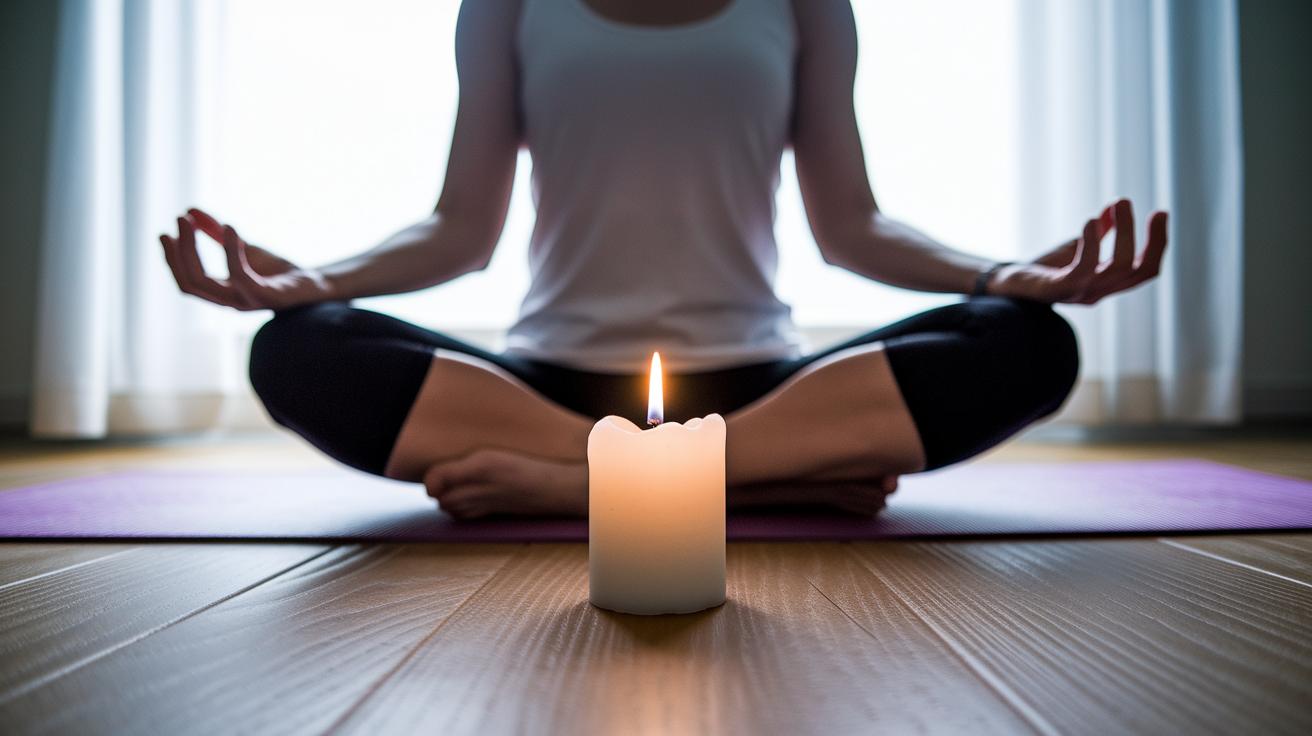
Try to tie your meditation practice to a regular part of your day. For example, sit quietly for a few minutes right after brushing your teeth. This simple change turns a daily habit into a reminder to pause and breathe, setting a calm tone for the day ahead.
Keep track of your meditation sessions to help build a steady routine. You might jot down a quick note in a journal or on your phone, like, "Meditated after breakfast; felt clear and centered." Over time, you'll see your progress and feel more encouraged.
Add a small, special touch to make the moment your own. A little gesture, such as lighting a candle or even taking a slow sip of water, can help signal that it’s time to focus and relax. These personal details make the practice extra memorable.
Hearing about others' experiences can make a big difference. One friend shared that starting his meditation right after his daily routine boosted his focus at work. Their story shows how blending mindfulness with everyday moments can foster a sense of lasting calm.
| Action | Example |
|---|---|
| Link a daily task | Meditate right after brushing teeth |
| Track progress | Keep a short journal note |
| Add a ritual element | Light a candle or take a mindful sip of water |
Troubleshooting Common Challenges in Mindfulness Meditation
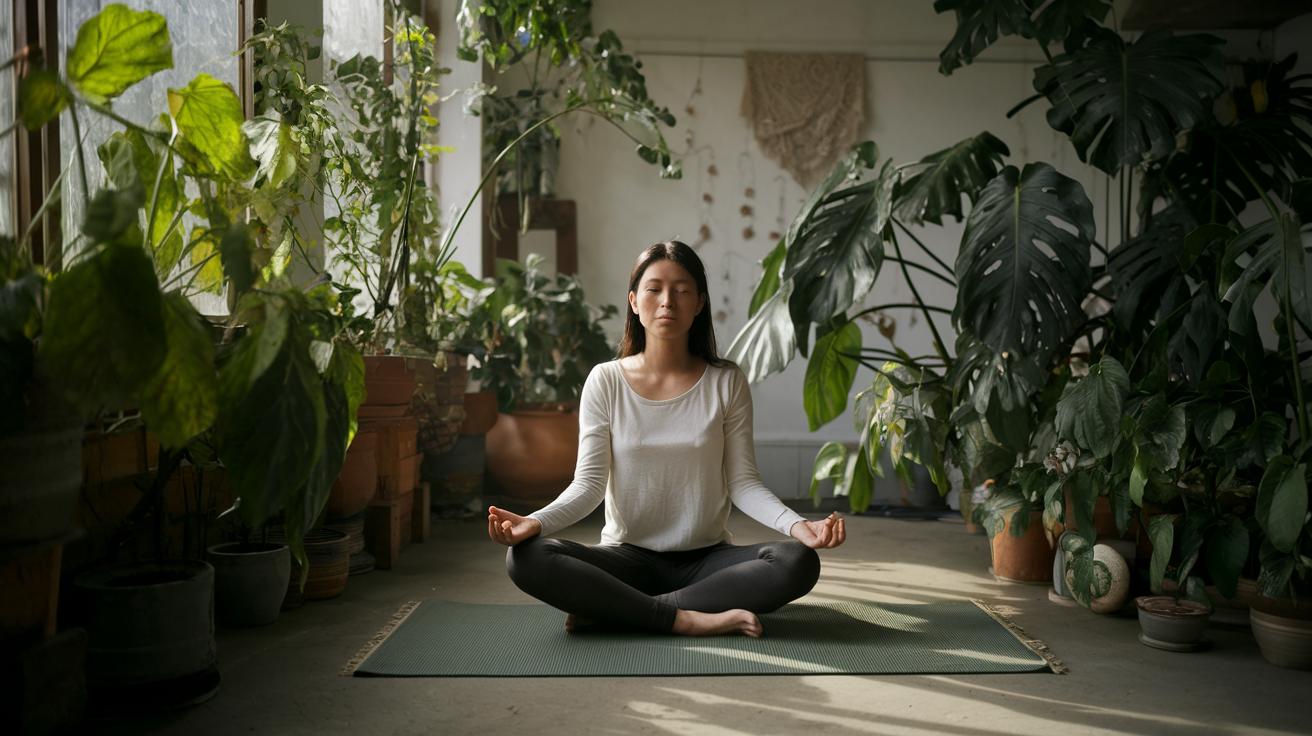
Meditation might get interrupted by little distractions, and that's totally okay. When you notice a thought wandering off or a sudden feeling popping up, just think of it as a passing cloud. For example, if your mind drifts, you can quietly say to yourself, "I see a thought" and then gently bring your focus back to your breath. This simple acknowledgment keeps your practice on track and reminds you that it's alright to be imperfect.
It can feel a bit frustrating when your mind wanders away from the calm you're trying to find. But remember, a little patience goes a long way. Mindfulness grows slowly through small, steady steps. If you feel a bit anxious, try to switch your attention to the steady rhythm of your breath or focus on a simple sensation, like the cool air moving in and out of your nostrils.
Here are some easy tips to help ease stress during your meditation:
| Tip | What to Do |
|---|---|
| Recognize Distractions | Understand that distractions are a normal part of meditation |
| Acknowledge and Return | Gently note each wandering thought and come back to your breath |
| Pause Briefly | Take a short pause to help reset your focus |
| Count Your Breaths | Quietly count your breaths to keep your mind centered |
| Seek Support | If challenges keep happening, consider a mindfulness-based therapy program |
Keep practicing these techniques, and soon you might find that there's more space between your thoughts and a stronger sense of calm taking hold.
Mental Health and Well-Being Benefits of Mindfulness Meditation

Have you ever noticed how a moment of calm can make your day a little brighter? In this section, we talked about some special benefits of mindfulness, like helping lower stress hormones (cortisol) and quieting those quick, reactive thoughts. All the details and tips have now been moved to the Foundations of Mindfulness Meditation: Key Concepts section, where you can learn more about how these tools help nurture a healthier, more peaceful mind.
Final Words
in the action, this post offers a clear, step-by-step path for starting mindfulness meditation. It guides you through simple techniques from deep breathing to body scan exercises and mindful walking, making it easier to fit these practices into your daily life.
By trying out these methods, you get a practical look at how to do mindfulness meditation and set the stage for improved balance and well-being. Enjoy every small win along the way.
FAQ
How to do mindfulness meditation for beginners?
For beginners, mindfulness meditation involves a few simple steps: sit comfortably, take deep, slow breaths, and notice sensations and thoughts without judgment. A short daily session builds calm and clarity.
How to practice mindfulness for anxiety?
Practicing mindfulness for anxiety means focusing on your breath and present sensations to lower stress and create calm. It helps you gently acknowledge anxious thoughts without letting them overwhelm you.
What are the benefits of mindfulness meditation?
Mindfulness meditation offers benefits like increased calmness, patience, and emotional regulation. Regular practice helps reduce stress, lowers cortisol levels, and can lead to an improved mood overall.
What are the 5 basics of mindfulness practice?
The five basics of mindfulness practice are focusing on the breath, noticing sensations, acknowledging thoughts without judgment, gently returning your focus upon distraction, and practicing daily to build skill.
How to practice mindfulness in daily life?
Practicing mindfulness in daily life involves bringing present awareness into everyday tasks. Simple breathing techniques during activities like eating or walking help keep you centered and reduce stress.
What is the difference between mindfulness and meditation?
Mindfulness means paying attention to the present moment with awareness, while meditation involves techniques to enhance focus and calm. Both support the cultivation of inner peace and clarity.
What are some mindfulness exercises?
Mindfulness exercises include guided breathing, body scan relaxation, and mindful walking. These practices help you recenter, reduce stress, and build awareness of both physical sensations and emotions.
What are the 3 C’s of mindfulness?
The 3 C’s of mindfulness are Curiosity, Clarity, and Compassion. They involve a gentle approach to noticing experiences, clear observation, and kindness toward yourself and others during practice.
What is the best position for mindfulness meditation?
The best position for mindfulness meditation is one that feels comfortable and stable, like sitting on a chair or cushion with a straight spine, relaxed shoulders, and grounded feet or crossed legs, based on your preference.