Ever wondered if your intense workout is really doing its job? With high-intensity interval training (HIIT) and heart rate monitoring (a tool that shows your heart's beats per minute in real time), you get a clear picture of your progress.
It tells you exactly when to push hard and when to take it easy. By keeping an eye on your heart rate, you can adjust your bursts of exercise for better strength and a healthier heart.
In this guide, we share simple, practical tips to help you get the most from each minute of your workout. Enjoy the journey to a healthier you!
HIIT Workouts with Heart Rate Monitoring: Maximizing Intensity and Tracking Progress
High-intensity interval training paired with heart rate monitoring blends quick, energetic bursts with planned rest periods, giving you more than just a regular sweat session. This method mixes easy, moderate, and tough efforts so your body gets a balanced workout that boosts both heart health (aerobic fitness) and burst strength (anaerobic fitness).
Imagine a 30-second sprint that sends your heart racing, followed by a slowing pace that lets your pulse settle down. This balance not only helps your heart grow stronger but also keeps you from overdoing it. Using tools like chest straps with ECG (a device that records your heart's electrical signals) or wrist gadgets with PPG (which uses light to measure your pulse) lets you see your heart rate live during the workout.
By keeping an eye on your beats per minute, you can adjust your session to work smarter. Try this simple tip: check your pulse every few rounds to know when to push harder or ease up. I remember Jane, who before she became a celebrated athlete, relied on her heart rate data to guide every training session, ensuring she gave her best without overstraining.
This approach makes it easy to move between recovery periods and peak effort intervals. It keeps your workout in the right zone by cranking up the intensity when needed and backing off at just the right moment. Over time, this balanced method strengthens your heart and builds endurance while matching the workout perfectly to your current fitness level.
Calculating Heart Rate Zones for HIIT Workouts

When you kick off your HIIT workout, start by checking your resting heart rate. Most folks see a resting rate between 60 and 100 beats per minute, and if you're in really good shape, it could be around 60. Then, figure out your maximum heart rate by subtracting your age from 220. For instance, if you're 34, your maximum heart rate is about 186 beats per minute. It’s a simple way to set your pace.
Knowing your maximum heart rate lets you break your workout into five clear zones. These numbers aren't just figures; they help you decide when to take it easy and when to push yourself. Imagine easing into a calm warm-up versus hitting an all-out burst where you can hardly chat. Each zone plays a part in building your strength and endurance.
| Zone | Percentage of HRmax | Workout Time Allocation | Purpose |
|---|---|---|---|
| Zone 1 | 30–40% | Warm-up/Cool-down | Low effort |
| Zone 2 | 40–50% | Basic cardio | Endurance building |
| Zone 3 | 10–15% | Moderate effort | Challenging pace |
| Zone 4 | 5–10% | Lactic threshold work | Strength boost |
| Zone 5 | ≤5% | All-out bursts | Max power |
A handy tip: count your pulse for 15 seconds and multiply by 4. This quick check tells you if you’ve reached your goal for that zone. Enjoy your workout, and adjust your pace to keep it both fun and effective!
Heart Rate Monitoring Devices for HIIT Sessions
Chest strap monitors work by reading your heart’s electrical signals using ECG (electrocardiography, which is just a fancy way to say they check your heart’s activity). They’re super accurate during tough workouts. And because they pair with your fitness app via Bluetooth, you get almost instant updates. Try this: wear your chest strap and see how quickly your app shows your heart rate during a sprint.
Wrist-based sensors use PPG (photoplethysmography, a method that measures changes in blood flow) to check your heart rate. They’re popular because they’re easy to use and comfortable. But sometimes when your heart rate spikes during a burst, they might be a bit slow to catch up. Imagine your wrist sensor showing your recovery phase just a tad later than it really happens; that little lag might make your interval training feel a bit off.
There are also monitors you can wear on your arm or even clip on your finger. These options give you variety, though people say comfort and trustworthiness can change from one device to the next. Some find the finger sensors work well when the pace is steady but aren’t as reliable during quick changes.
- Chest strap monitors: Offer top accuracy with ECG and connect quickly via Bluetooth.
- Wrist-based sensors: Super easy to use but may have a slight delay during sudden heart rate spikes.
- Arm and finger devices: Give you more choices, though comfort and accuracy can differ.
In the end, picking the right device for your HIIT sessions comes down to what matters most to you, whether that’s precise tracking or sheer convenience. Keep an eye on how each one syncs with your routine and choose the one that fits your style.
Sample HIIT Workouts with Targeted Heart Rate Guidance
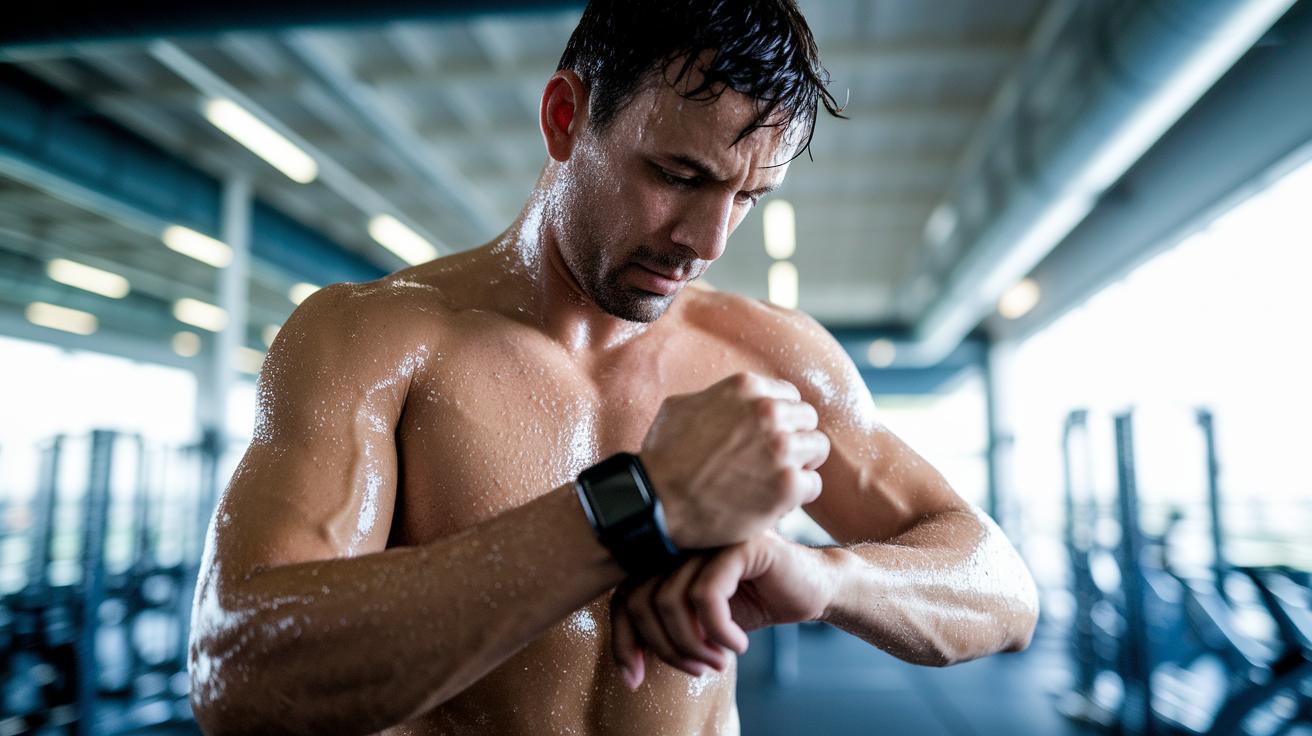
Start your workout with a gentle 5-minute warm-up. This first step is all about easing your heart into a steady beat while you stay in Zone 1, a very light and easy pace.
Next, if you're new to this, try 5 rounds of focused effort. For each round, push hard with 1 minute in Zone 4. At this level, your heart works much harder, and you might find it difficult to chat. Then, take another 1 minute to recover in Zone 2. You'll notice your breathing softening as you let your heart rest. Wrap up your workout with a 5-minute cool-down in Zone 1. Think of the warm-up like a gentle splash of water before the rush of a brisk shower.
If you’re more experienced and want a tougher workout, start with the same 5-minute warm-up in Zone 1. Then, challenge yourself with 10 rounds of short bursts: go all-out for 30 seconds in Zone 5. This pace is very intense, and you'll feel your heart race right away. Follow each burst with a quick 30-second rest in Zone 2 to catch your breath. Finish it off with a 5-minute cool-down in Zone 1 so your heart can ease back to normal.
Remember, you can adjust the number of intervals depending on your own fitness and how fast your heart recovers. These workout tips help you mix hard work and recovery, making your routine both effective and safe. If you’re curious about a faster plan, you might want to check out the HIIT 15 Minute Workout for some extra guidance.
Real-Time Intensity Adjustment in HIIT Heart Rate Training
When you are in the middle of a tough workout, it is really important to watch your heart rate. You can do a quick pulse check by counting your beats on your wrist or neck for 15 seconds and then multiplying by 4. Or, you can use a wrist monitor that shows your heart rate all the time. These simple methods help you make quick changes during your session. For example, if your monitor shows that you are going above Zone 5 during a sprint, it's a friendly reminder to slow down a little.
Signs You’re Out of Target Zone
Pay attention to how you feel. If you get very out of breath, feel dizzy, or simply cannot keep up your pace, you might be pushing too hard. Sometimes, the monitor might even alert you when your heart starts beating too fast. Imagine running so fast that you end up gasping for air; that's a clear sign that you are out of your ideal zone.
Quick Adjustments for Intensity
If you notice your heart rate going too high, you can make a few quick changes to get back on track. Try reducing your speed or cutting down on the high-intensity bursts. You can also extend your rest or recovery time to help lower your heart rate. Adjusting your workout on the spot ensures you gain the benefits of each interval without overdoing it.
Safety and Recovery Tips for HIIT with Heart Rate Monitoring
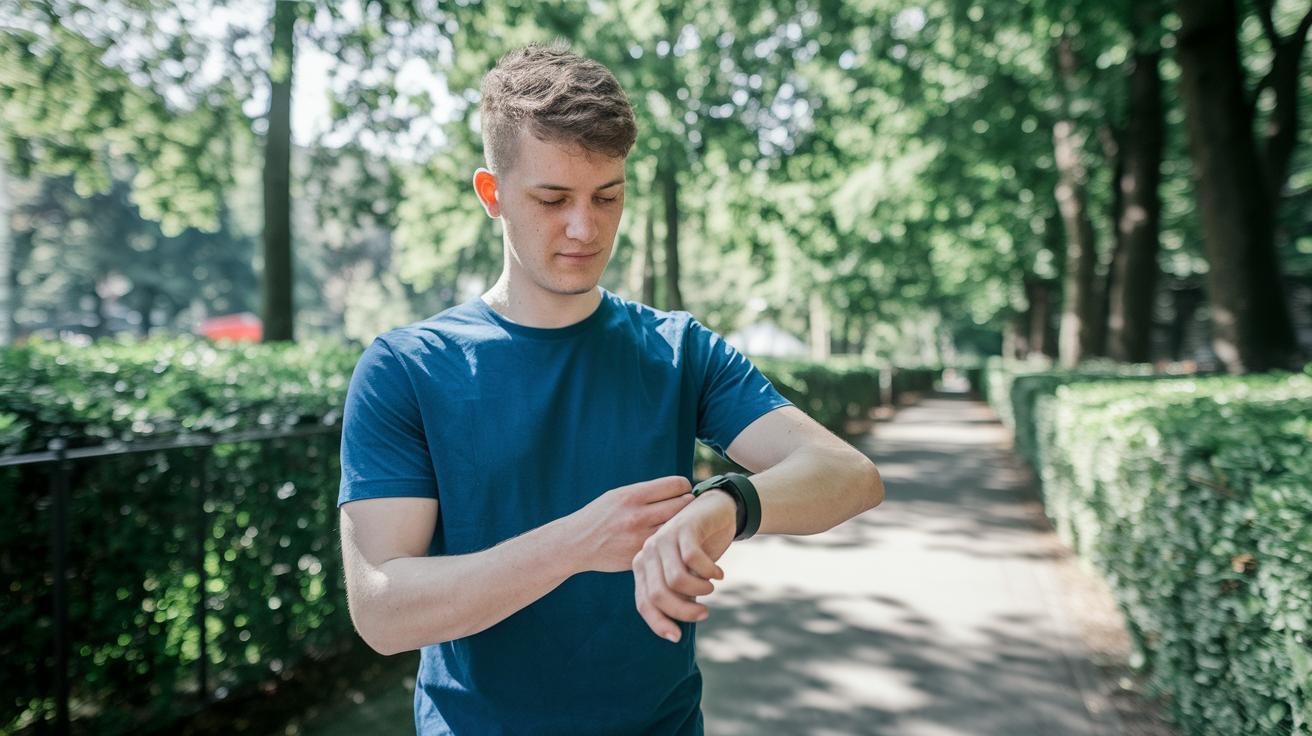
Your recovery heart rate is a quick way to check your fitness. When you finish a HIIT burst, take a moment to see how fast your pulse goes back to normal. For example, if it drops back within about a minute, that shows your heart is handling the stress well.
Taking regular rest days and keeping activity light really helps your body recover. A gentle walk or easy cycling after a tough session can work wonders. For instance, after a 30-second sprint, slow jogging for one minute can help ease your heart into a calm state. This blend of effort and rest helps keep lingering fatigue at bay.
Keep an eye out for signs that you might be pushing too hard. If your resting heart rate is always high, you feel tired day after day, or you sleep poorly, those are your body’s signals to slow down. By checking your heart rate often and adapting your workouts based on what you see, you can steer clear of overtraining. Enjoying your rest time is just as important as those intense bursts of exercise.
Remember, smart recovery makes your workouts more effective and turns every HIIT session into a positive step toward better health.
Final Words
In the action steps, we explored how to maximize your training with hiit workouts with heart rate monitoring tips. We looked at calculating heart rate zones, choosing the best devices, and using sample routines to balance high intensity with gentle recovery. The article shared practical ways to track your progress in real-time, so you can adjust your effort and make every workout count. Keep practicing these hiit workouts with heart rate monitoring tips and relish every step toward a healthier, fitter you.
FAQ
What does HIIT target heart rate by age mean?
The HIIT target heart rate by age means using the 220-minus-age formula to find your maximum BPM and applying exercise zone percentages to exercise safely and effectively.
How can I calculate my HIIT target heart rate and zones using my age?
The calculation of your HIIT target heart rate involves subtracting your age from 220, then using recommended percentages for different zones. This helps tailor your intensity for a safe and efficient workout.
What happens if your heart rate is too high during exercise?
A heart rate that becomes too high during exercise indicates your body is under extra strain. This situation can lead to fatigue and dizziness, so it’s wise to slow down and allow your heart to recover.
What does HIIT heart rate and its zones refer to?
HIIT heart rate refers to your pulse during high-intensity intervals, with zones that guide warm-up, recovery, and peak performance. These zones help ensure your workout balances intensity with safety.
How should I control my heart rate during HIIT?
Controlling your heart rate during HIIT involves monitoring your BPM and adjusting your pace or rest duration. This enables you to stay within your target zone for efficient bursts and proper recovery.
What is the best way to monitor heart rate while exercising?
The best way to monitor heart rate during exercise is using wearable devices like chest straps or wrist sensors that provide real-time BPM readings. This allows you to adjust your intensity during HIIT effectively.
Which heart rate monitor is most accurate for HIIT workouts?
The most accurate heart rate monitor for HIIT workouts is often a chest strap using ECG technology, as it reliably tracks rapid changes in BPM and gives precise heart rate feedback.
Can you provide an example of HIIT intensity zones in a workout?
An example of HIIT intensity zones can include a 5-minute warm-up (low effort), followed by intervals of high-intensity bursts in upper zones and active recovery periods. This method helps maximize cardiovascular benefits.