Feeling like you're stuck in a boring routine? It might be time to mix things up with something that really gets your heart and lungs working. HIIT workouts are short, intense bursts of exercise that help boost your VO2 max, which shows how well your body uses oxygen. Research even points out that just six sessions over two weeks can lead to real improvements.
In this post, you'll discover 7 workouts designed to get your heart pumping and make every beat count. Each exercise is set up to push you just enough so your body truly benefits. Ready to feel the burn?
Boost VO2 Max with HIIT Workouts: Core Principles

VO2 max tells you how much oxygen your body can use during hard exercise. It’s measured in ml/kg/min, which simply shows how fit your heart and lungs are. When you do HIIT (High-Intensity Interval Training), you push your body close to its limit, and that helps boost your VO2 max fast.
Some research shows that just six HIIT sessions over two weeks can lead to real gains. In one study, young men and women cycling at high speed saw a clear jump in their oxygen uptake. This happens because HIIT ramps up the enzymes in your muscles that help them use oxygen better, like giving them a little extra fuel to perform.
HIIT workouts also help your heart pump more blood with each beat and make your breathing more efficient. Think of your heart as a pump that gets stronger with bursts of hard work, kind of like a race car engine speeding up after a quick burst. Ever notice the burn that tells you your muscles are working? That feeling is nature’s way of showing you that every burst is important.
Another great thing about HIIT is its efficiency. Instead of spending hours on steady cardio, these quick, intense sessions give you the same heart benefits in less time. The short rests in between let you catch your breath, so you can keep your effort high during each burst without overdoing it.
Remember, pushing yourself to the limit during each interval is really what counts. When you find yourself almost out of energy, that’s the moment your body starts adapting, using oxygen better, and building up your overall fitness.
Measuring and Monitoring VO2 Max for HIIT Training

Lab tests using open-circuit spirometry are known as the best way to measure VO2 max. This method carefully checks how much oxygen you use while exercising, which is perfect if you need exact numbers.
If you don't have access to a lab, field tests like the 12-minute Cooper run or a shuttle run can still provide a good guess of your aerobic strength. For instance, you could try running as far as you can in 12 minutes, the distance you cover tells you a lot about your fitness level.
Today, wearable devices such as the Moxy Monitor and VO2 Master make it very simple to track your oxygen use during high-intensity workouts. They offer instant feedback so you can adjust your HIIT session to give nearly your full effort. Picture this: during a sprint interval, you glance at your wrist and see your oxygen uptake, letting you know whether to push harder or ease up a bit.
By mixing these measurement methods, you can keep your training on track and exercise more safely. Regularly checking your VO2 max helps you fine-tune your workouts, improve how well you breathe, and boost your overall aerobic performance. This mix of lab tests, field checks, and wearable gadgets gives you a complete picture of how your body adapts during HIIT sessions.
7 hiit workouts to boost VO2 max: Heart-Pumping Gains

No matter if you're into quick bursts or longer, steady pushes, interval training can really help boost your oxygen use. One great method is the 4x4x4 format. Work hard for four minutes at about 85-90% of your max heart rate, then take four minutes for active recovery. Do this cycle four times. It challenges your heart and lungs to work near their limit, which helps your muscles adapt.
Another fun choice is the Tabata protocol. For Tabata, go all out for 20 seconds at over 90% effort and then rest for 10 seconds. Repeat this cycle eight times. Even though it adds up to just four minutes, this high-intensity routine pushes your body’s energy systems in a big way.
If you like quick, intense challenges, sprint intervals might be your style. Sprint hard for 30 seconds and then take a break for 2 to 4 minutes. Repeat for 4 to 6 rounds. This method is perfect if you enjoy that rush from a fast run or bike ride. And if you have a little extra time, longer endurance workouts of up to 90 minutes can boost your VO2 max too, though they need more effort.
Below is an HTML table comparing three popular protocols to help you decide which one fits your goals best:
| Protocol Name | Work Interval | Rest Interval | Rounds | Total Duration |
|---|---|---|---|---|
| 4x4x4 | 4 minutes at 85-90% max heart rate | 4 minutes active recovery | 4 | 32 minutes |
| Tabata | 20 seconds over 90% effort | 10 seconds rest | 8 cycles | 4 minutes |
| Sprint Intervals | 30 seconds all-out | 2-4 minutes recovery | 4-6 | Varies |
Try mixing in two different protocols each week for at least four weeks. As you get fitter, you can even change the work or rest times or add in extra rounds. Enjoy the challenge and feel those heart-pumping gains!
Supplementary HIIT Variations to Boost VO2 Max
-
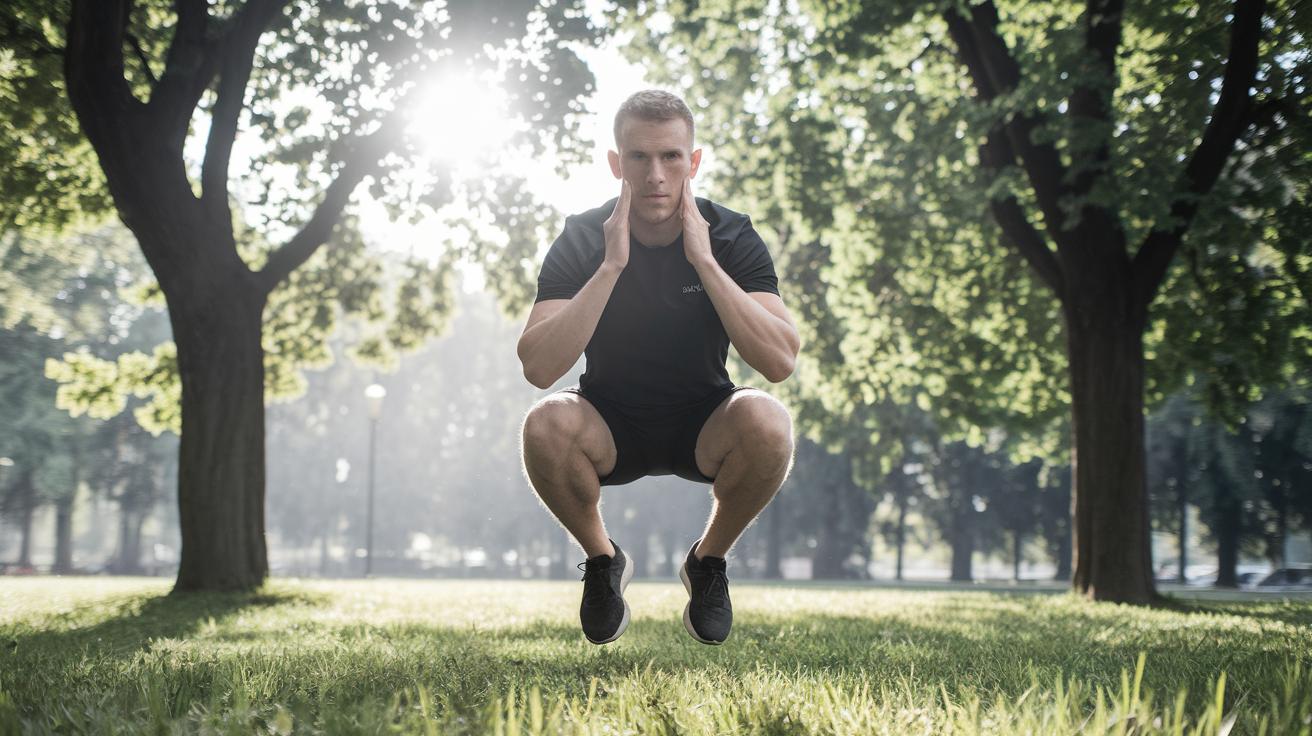
15-Minute Bodyweight HIIT
Try this 15-minute routine that mixes pencil squats, plyo lunges, curtsy lunges, and mountain climbers (or burpees). You rest for 20 seconds after each round. Think of pencil squats as a steady push that jumps off every minute, with the other moves giving you quick bursts of energy. -
Tabata Cycling
This workout involves eight rounds of cycling. Ride hard for 20 seconds and then spin easy for 10 seconds. Imagine your legs working like little engines, each pedal stroke fueling you with fresh energy. -
Sprint/Walk Running
Alternate between a 30-second all-out sprint and a 90-second walk. Picture sprinting like chasing something fast, then using the walk to catch your breath before starting again. Do this for six rounds and feel your endurance grow. -
Plyometric Circuit
Give it your best shot with 30 seconds each of jump squats, burpees, and tuck jumps. After finishing these, take a 60-second rest. This combo packs a punch, making you feel like you're setting a personal record each round.
For digital guidance on keeping proper form and tracking your timing, check out the HIIT workout app at https://fitandglossy.com?p=897.
Scheduling and Progression of HIIT Workouts for VO2 Max Gains

Start your HIIT routine with just two tough sessions each week. Make sure you take at least one day off or choose a lighter activity between these workouts so your muscles can rest and adapt. For the first 4 to 6 weeks, add some steady, easy cardio. It's like warming up your car before a race, begin gently to set yourself up for more challenging intervals down the road.
As you build strength, slowly push yourself further. Try lengthening each work session, shortening your breaks, or adding another round when you feel ready. For example, if you normally go hard for 30 seconds, see if you can extend it to 35 seconds after a few sessions. Always listen to your body and adjust gradually. And don’t forget to keep your form solid.
Also, be sure to take a lighter week every 3 or 4 weeks. This break stops overtraining and helps keep your progress smooth. Use that time to focus on your technique and recovery, so you can return to your intense workouts feeling refreshed. This balanced plan will steadily improve your VO2 max over time.
Safety and Recovery Strategies for HIIT Workouts Targeting VO2 Max

Start every HIIT workout with a warm-up. Spend at least 5 minutes doing dynamic stretches and easy movements. You might take a brisk walk, do arm circles, or swing your legs gently. For example, try 5 minutes of jumping jacks and lunges that keep you moving. Imagine your body slowly waking up after a nice, relaxing sleep.
After your high-intensity parts, cool down for 5 minutes. Use gentle cardio like slow jogging or a relaxed walk. Pair this with some static stretches, like holding a stretch for your hamstrings or calves. Think of it as easing into a calm moment with deep breaths. This helps lower muscle tightness and cuts down on that sore feeling later.
On days when you're not doing HIIT, try some active recovery. A simple walk or a light bike ride keeps your muscles active without adding too much strain. Always listen to your body; if you feel too tired or notice any pain, it might be time to ease off a bit. Focus on your form and adjust exercises to match your fitness level. This way, you're protecting your joints and muscles while steadily improving your VO2 max.
Final Words
In the action, this article showed clear ways to boost your VO2 max. We explored simple methods using hiit workouts to boost VO2 max, shared step-by-step interval protocols, and discussed easy monitoring techniques to track progress. You also got tips on safe warm-up, cool-down, and steady scheduling. These strategies mix good exercise routines with balanced nutrition and stress care to help you feel better day by day. Keep moving forward and enjoy every step to a healthier life.
FAQ
How do HIIT workouts boost VO2 max including at-home and 30-minute options?
HIIT workouts work by alternating short bursts of intense effort with recovery periods. Formats like Tabata or sprint intervals—even in a 30-minute session at home—improve oxygen uptake and cardiovascular performance.
What role do breathing exercises play in increasing VO2 max?
Breathing exercises help by training the lungs to take in more oxygen and expel carbon dioxide more effectively. This improved breathing enhances overall respiratory efficiency, giving a boost alongside HIIT workouts.
What is the fastest way to increase VO2 max?
The fastest way to improve VO2 max is by adding targeted HIIT sessions into your routine. These intense intervals quickly challenge the cardiovascular system and lead to rapid improvements in oxygen uptake.
What does the 80/20 rule for VO2 max mean?
The 80/20 rule means you spend 80% of your exercise time at moderate intensity and 20% at very high intensity. This balance helps you push your limits while allowing recovery for long-term gains in VO2 max.
Is HIIT or standard cardio better for improving VO2 max?
HIIT often boosts VO2 max faster than steady-state cardio because its intense bursts trigger rapid heart rate and respiratory improvements, though both play a valuable role in building overall endurance.
How can I access a VO2 max training program in PDF format?
A downloadable VO2 max training program in PDF typically provides detailed HIIT sessions and progression guidelines. Look for trusted fitness websites that offer free or paid resources for structured workout plans.