Ever get tired of the same old gym routine? Imagine stepping outside and feeling a burst of fresh energy that gets your heart racing. Outdoor HIIT workouts invite you to break away from the regular gym scene by turning a local park into your very own training spot.
These workouts mix brisk walks with quick sprints and use natural features like hills and open fields to add a refreshing twist to your exercise. Picture the cool breeze on your face and the crunch of leaves underfoot as you move, it's a change that feels good.
Feeling recharged and ready for a change? Let's dive into how these open-air workouts can build your strength and lift your spirit. Fitness can be both fun and effective when you get out there and enjoy the natural energy around you.
Mastering Outdoor HIIT Fundamentals
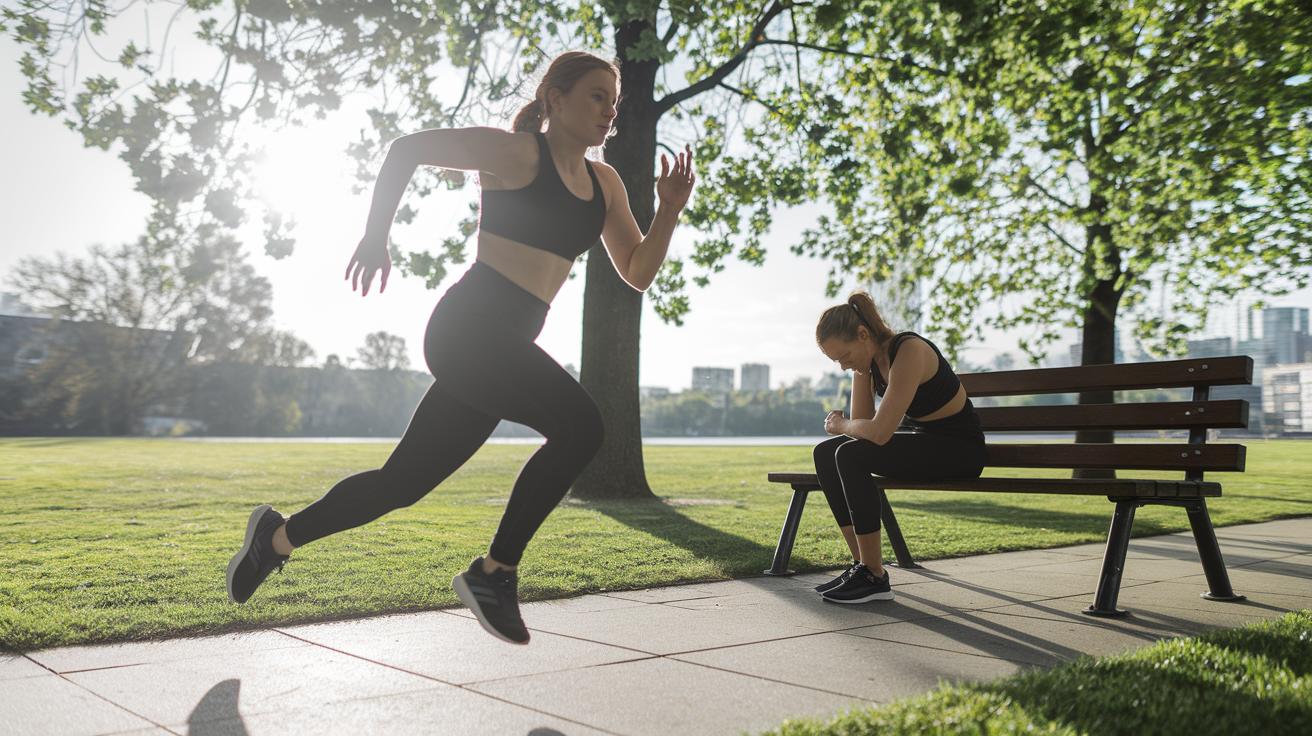
Outdoor HIIT workouts mix quick, hard bursts of exercise with short rests. Try starting with a 15-minute session. Begin with a brisk 5-minute walk that wakes up your muscles and gets your blood flowing. This easy starter helps set the stage for those fast, energetic bursts.
You can do these workouts in any open space about 60 to 100 yards long. You don’t need a perfect track. Think of a neighborhood park or a clear field with natural markers like trees or benches. When you push hard, aim to get your heart rate to over 85% of its maximum. Imagine sprinting for a few seconds and then checking your pulse, feeling that rapid beat that shows you’re really giving it your all.
There are lots of ways to enjoy outdoor HIIT. On busy days, you might do a quick 5-minute session. When you have more time, try a 45-minute workout. You can mix in jump-rope intervals or a solid running session too. Even with little equipment, these workouts work for everyone. Beginners can start with shorter bursts and take longer rests, while those more experienced can extend the high-intensity parts or add more rounds. The simplicity and flexible nature of these exercises make them a perfect way to boost your fitness with just a bit of outdoor space and a will to challenge yourself.
Building Effective Outdoor HIIT Circuits
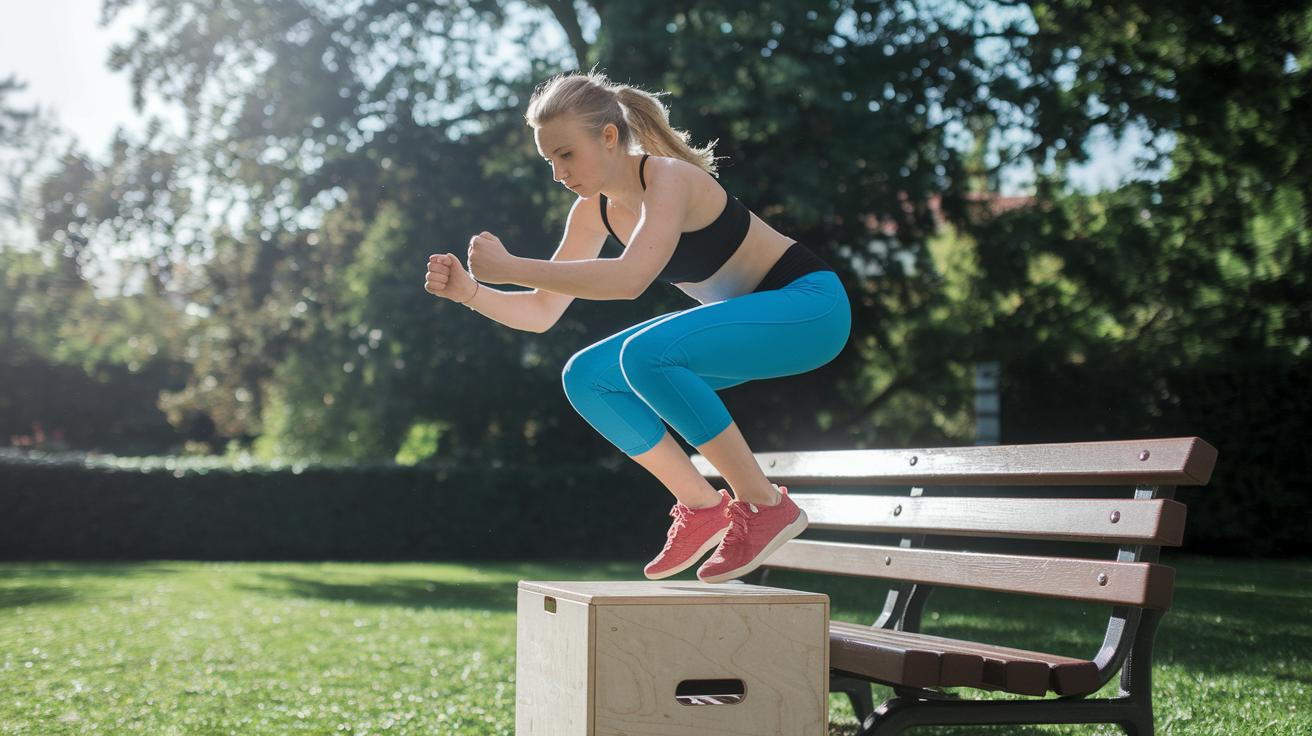
Designing an outdoor workout circuit can be a fun way to boost your day with movement. Think about using everyday park features like benches, stairs, or even sturdy boxes to create your personal exercise stations. Imagine starting with box jumps where you begin from a slight squat and leap high, landing softly like you’re joining a gentle dance with gravity.
Each station helps you work different muscles. You might try toe touches by reaching down slowly to feel a smooth stretch in your back and legs. Next, do lateral step-up jumps that move you side-to-side, giving your leg muscles a fresh challenge. And let’s not forget box dips, which use a park bench or low box to strengthen your arms and triceps.
Here’s a simple plan to follow:
- Box jumps: Stand in a gentle squat, then jump onto a stable box for 15 reps.
- Toe touches: Bend slowly to reach your toes and feel that stretch.
- Lateral step-up jumps: Jump side-to-side to wake up different leg muscles.
- Box dips: Use a bench or low box to work your triceps.
You do 15 repetitions of each exercise and repeat the cycle for 10 sets. After each set, give yourself a one-minute break to catch your breath and get ready for the next burst of energy. This routine is a great way to burn calories, build strength, and keep your energy high without feeling overwhelmed by complicated steps.
Adjust the speed of your circuit to match how pumped you feel, and enjoy every minute of your outdoor session. Have you noticed how a quick change of scenery can make your workout feel even more refreshing? Enjoy the process, and let the outdoors inspire you to move!
Optimal Interval Timings for HIIT Cardio Outdoors
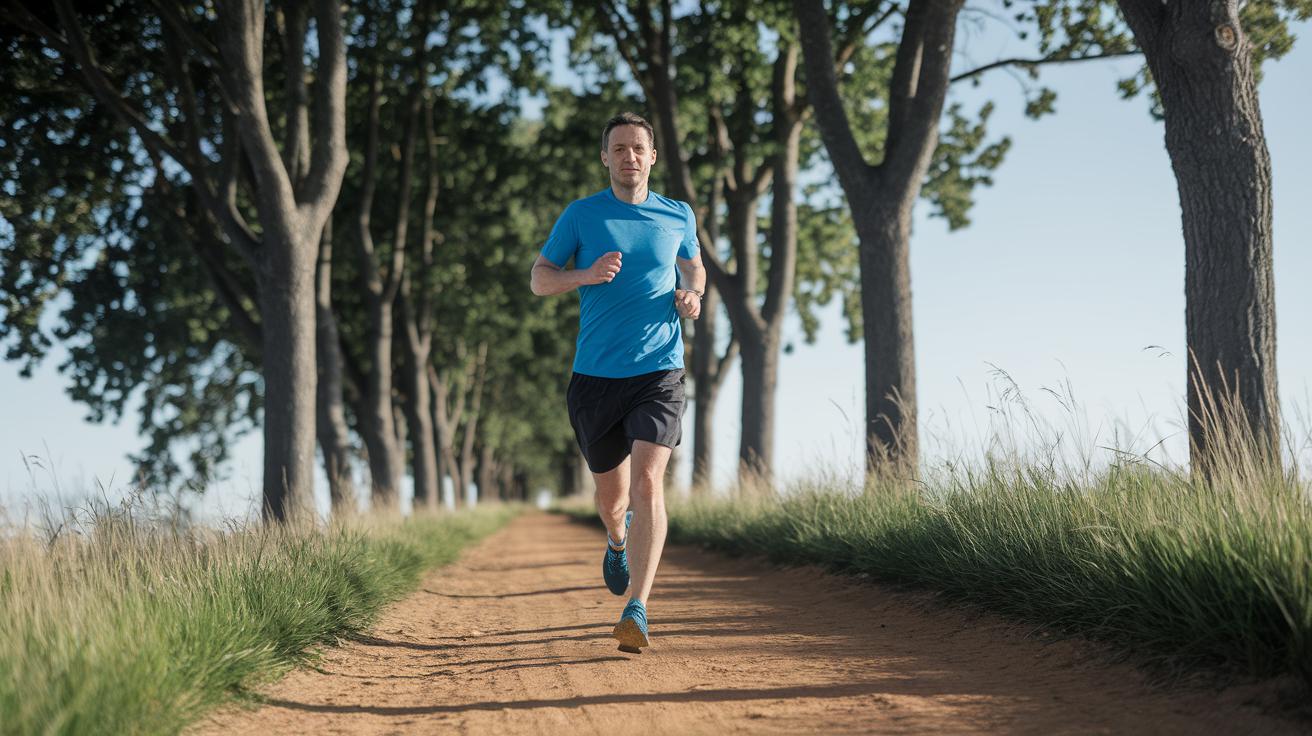
When you're working out outside, try mixing up your intervals to see what feels best. Instead of sticking with the usual 30 seconds of hard work followed by 60 seconds of rest, pick a timing that matches your style. For instance, if you’re just getting started, a 20-second burst with 80 seconds to catch your breath might work well. If you're more experienced, consider giving a 40-second push and then 50 seconds to recover. And if you're really pushing your limits, shortening your break to around 30 seconds can help boost your endurance and strength.
Pay attention to your body. If you're still gasping for air, add an extra 10 seconds of rest. Weather, uneven trails, or a tight space may call for a little extra recovery time too. Imagine doing a 30-second sprint on a bumpy path and then extending your walk by 15 seconds just because your breathing feels a bit off.
Keep track of how you feel during these workouts by noting your effort level or using wearable gadgets. One friend of mine even tweaked their routine on windy days, adjusting both the sprint and rest times to keep moving steadily toward their goals.
Running and Sprint-Based HIIT Sessions Outside

Running and sprint sessions are a fun way to boost your endurance and speed while enjoying the outdoors. Imagine powering off for a quick run of about 60 to 100 yards at roughly 70% of your full effort, where it's hard to chat and every step makes you feel alive. For instance, think about dashing down the trail with determination, then easing into a gentle jog to catch your breath while feeling your heart pushing you to keep going.
Stair workouts can also add a new challenge to your routine. In a 20-minute session, try doing step jumps for 30 seconds on each leg, mix in some side step-ups, and finish with kickback steps. These moves build up your leg muscles and work well with short, fast running bursts. Run hard during sprints, then give yourself time to walk or jog slowly to recover.
Mixing these moves helps you create a balanced workout that boosts calorie burn and builds up your heart health. Listen to your body and adjust the timing as needed to keep things fun and effective.
Bodyweight and Calisthenics HIIT Routines in the Park
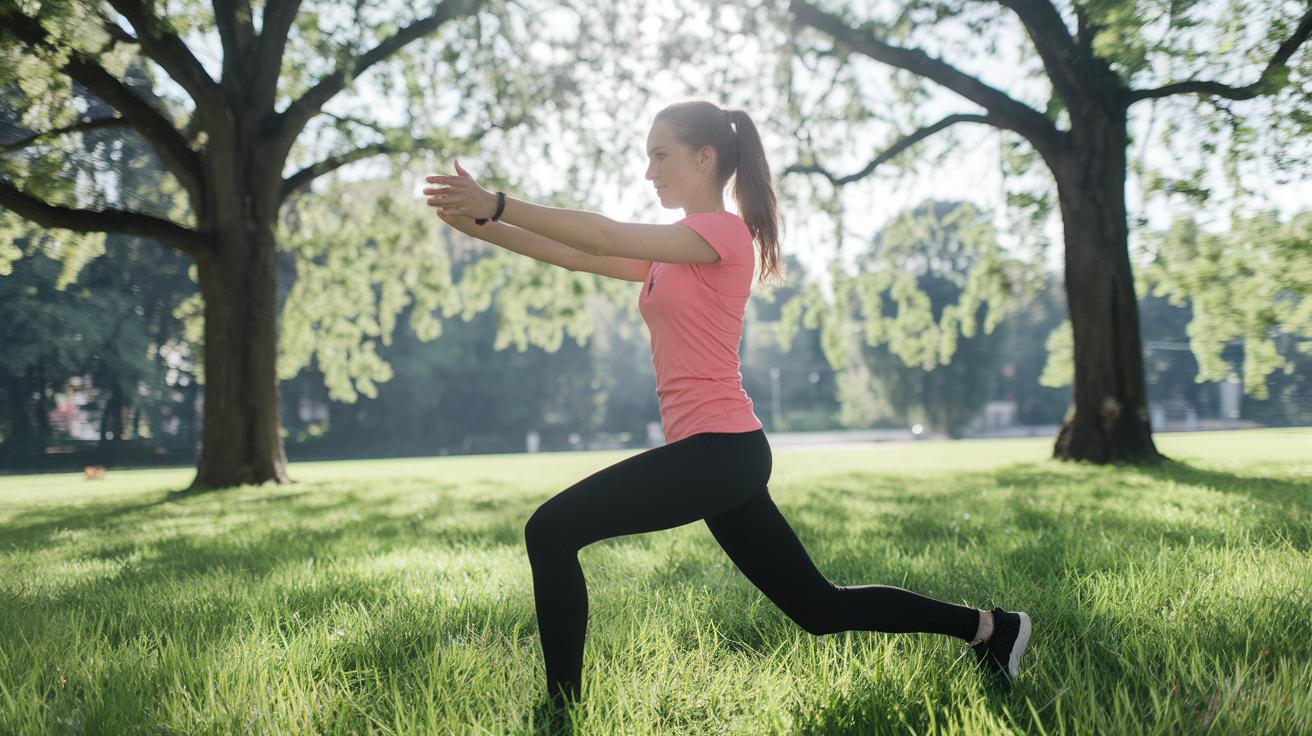
Start your park workout with a fun warm-up to wake up your muscles. Begin by doing walking lunges to get your legs moving, add banded lateral walks so your hips light up, do a set of air squats to loosen up, and finish it off with high knees to get your heart pumping. For example, try 10 walking lunges on each leg and feel your muscles stretch with each step.
After you warm up, move to your upper-body exercises. All you need is a clear spot and a bench or step. Try incline push-ups to gently work your chest and arms, then do tricep dips to help your arms build strength. Aim for 10 to 15 reps per exercise, and give yourself a quick 30 to 60 seconds break between sets so you can recover a bit and keep going strong.
For a total-body boost, add in some burpee squat leaps. These moves mix heart-pounding action with strength training, letting you push your limits while keeping things safe. Stick with 10 to 15 reps per set to find the right balance between a challenge and staying energized.
| Exercise | Reps |
|---|---|
| Walking lunges | 10 per leg |
| Incline push-ups | 10–15 |
| Burpee squat leaps | 10–15 |
Mix up these exercises throughout your park session to keep your energy high and add a fresh twist to your bodyweight routine. Enjoy the feeling of the fresh air and the boost of a workout that keeps both your body and spirit happy!
Plyometric and Total-Body HIIT Workouts Outdoors

Imagine stepping outside for a session that not only challenges your body but also boosts your energy. These workouts mix quick jumping moves with high-intensity intervals, making your muscles and brain work together in a lively, natural way. When you push off a platform and land softly, you’re not just exercising, you’re building your body’s ability to react swiftly while protecting your joints.
Start with a few explosive moves that feel like little power surges. With each jump, focus on the quick burst of force, and as you land, try to be gentle. This method helps your muscles communicate better with your brain, paving the way for improved speed and greater calorie burn. It’s a different kind of challenge compared to steady, long-lasting exercises.
Gradually, add a bit more speed and height to your jumps. Take your time and let your body build up its strength naturally. Between these powerful bursts, give yourself a short break, a light jog or a brisk walk for about 15-20 seconds will do the trick. This rest helps your muscles reset and keeps fatigue at bay, making each jump as effective as the last.
Above all, concentrate on doing each move with care. It’s not about doing a ton of jumps but about making every single one count by keeping them controlled and precise. Enjoy the rhythm of the workout and notice how each burst of energy fills you with strength and vitality.
Equipment and Space Setup for Outdoor HIIT

Get creative with simple items to boost your outdoor HIIT routine. You can grab a park bench, stairs, a park box, or even resistance bands. Imagine a sturdy bench that turns into your go-to spot for dips and push-ups, making your morning workout feel personal and energizing.
Look for an open area about 60 to 100 yards in size. A local park or a wide field is perfect, especially if it's flat or has a gentle slope. Natural features, like a park box, can double as a step or a landing pad for your jumps, adding a fun twist to your session.
| Equipment | Usage |
|---|---|
| Benches | Great for dips and incline push-ups. Think of it as your personal strength station. |
| Stairs | Perfect for step-ups and plyometric jumps. They help raise your heart rate with every move. |
| Park Boxes | Ideal for explosive jumps and as stepping platforms. They serve as mini landing pads. |
| Resistance Bands | Adds extra challenge to bodyweight moves. Wrap one around for a fun boost during squats. |
- Use the park's natural features to support your moves.
- Ensure you have plenty of room to move freely.
- Turn everyday items into useful tools for a dynamic HIIT session.
Warm-Ups, Safety Measures, and Progression for Outdoor HIIT

Start by easing into your workout with a gentle warm-up. If you haven't seen our earlier tips, try a brisk 5-minute walk or some dynamic moves like walking lunges and arm swings to get your blood flowing and wake up your muscles.
Keep an eye on your heart during those high-intensity bursts. For starters, a 5-minute HIIT session is plenty. Each week, you can add a few extra seconds to the intense parts, letting your body gradually get used to a longer challenge.
Listen to your body. If you notice unusual tiredness or discomfort, slow down. A quick pulse check after a burst, count your beats for a few seconds, can help you decide if it's time to take it easy. And remember, giving yourself 24 to 48 hours between these hard sessions helps your muscles recover for the next round.
| Session Element | Beginner Tip |
|---|---|
| Warm-Up | 5-minute brisk walk or dynamic stretches |
| High-Intensity Interval | Start with 1-minute bursts; check pulse immediately after |
| Progression | Add 30 seconds to work intervals over time |
Final Words
In the action, we covered outdoor HIIT fundamentals, effective circuits, interval timings, running sprints, and bodyweight routines. We highlighted quick warm-ups, safety checks, and ways to progress smartly, ensuring each move feels accessible and fun.
We wrapped up with practical tips for using park features and minimal gear to maximize your effort. These ideas will help you enjoy hiit workouts for outdoor training while building strength and stamina. Stay motivated and keep moving forward with every step!
FAQ
What are outdoor HIIT workouts with no equipment?
The outdoor HIIT workout without equipment uses bodyweight moves like squats and lunges in any open space, allowing you to push hard during bursts of effort with no extra gear needed.
How can outdoor HIIT workouts be adapted for females, beginners, or at-home training?
The outdoor training routines adjust to your needs by modifying exercise intensity, repetitions, and movement choices. They can be performed in your yard or park, creating a comfortable pace for beginners and everyone.
What are effective full-body HIIT workouts for outdoor training?
The full-body outdoor HIIT routine mixes moves such as squats, lunges, and push-ups, targeting every major muscle group while boosting your heart rate and overall strength in a simple, adaptable way.
Are 10-, 20-, or 30-minute HIIT workouts enough for fitness gains?
The inquiry about timing shows that even shorter sessions can boost your fitness if done with high intensity. Longer sessions add extra endurance work, so choose a duration that fits your level and goals.
How do you perform HIIT running outside?
The outdoor HIIT running method involves sprinting over short, measured distances followed by walking or light jogging for recovery. This pattern helps develop speed while keeping you mindful of your heart rate.
Are HIIT workouts good for endurance training?
The concept behind HIIT for endurance is building stamina through brief, intense bursts of effort followed by recovery. Regular HIIT sessions promote a stronger heart and improved endurance over time.