Ever wonder if HIIT workouts really transform your body? A lot of people think that tough exercise only burns fat and leaves muscles behind.
Imagine your body is like a warm stove that keeps burning fuel even after you stop moving. HIIT mixes short bursts of energy with little rests. This means you can build strength and burn fat at the same time.
In this post, we'll chat about how HIIT workouts boost your calorie burn while protecting your muscles. Ready to see how these quick, focused moves can help lift your fitness?
Core HIIT Principles for Effective Body Recomposition
HIIT workouts use short bursts of really hard exercise for about 30 to 60 seconds followed by time to catch your breath. This type of workout gets your body working hard even after you finish because of something called post-exercise oxygen consumption, which means your body burns extra calories while recovering. Imagine your body is like a furnace that stays warm; even when you're resting, you're still burning fuel. This steady calorie burn helps cut fat while keeping your muscles strong.
HIIT also speeds up your metabolism by mixing quick, powerful moves that really challenge your muscles and make your heart beat faster. Because of these short bursts, you burn calories during your workout and for many hours afterward. Plus, these fast moves protect your muscles from breaking down too much, which is great if you're aiming for a balanced body.
It’s a good idea to keep HIIT to one or two sessions per week. That way, your body has plenty of time to repair and adjust, which keeps your energy levels high and the risk of overtraining low. By spacing out your workouts, you can stay on track with your fitness goals while still burning fat and building muscle steadily.
hiit workouts for body recomposition: Elevate Your Fitness

HIIT workouts can really change the way you look and feel by burning lots of calories, building muscle, and keeping your sessions fun. Think of it like this: you push yourself for a quick burst, then take a break so your body can catch up. For instance, Tabata has you go all out for 20 seconds, then rest for 10 seconds, and you repeat that eight times to fire up your energy. Experts say one or two HIIT workouts a week work best because your body needs time to rest between these tough bursts. This method helps you lose fat while keeping your muscles strong, so every workout truly matters.
Here are five simple HIIT styles to mix up your routine:
- Tabata: 20 seconds on, 10 seconds off, eight rounds.
- Turbulence Training: Combine strength moves with short sprints to work both your muscles and heart.
- Sprint/Rest Sets: Work for 30 to 45 seconds and then rest for 60 to 90 seconds to manage your heart rate.
- Beginner Aerobic Intervals: Do 5-minute, low-intensity rounds if you're just getting into HIIT.
- Explosive Plyometric Routines: Quick, powerful moves with short breaks to boost your strength.
Try adding these methods to your workout plan, and you might notice big changes in your body while keeping your workouts lively and enjoyable.
Sample HIIT Workout Plans for Fat Loss and Muscle Gain
If you want to burn calories while building lean muscle, these HIIT plans could be just what you need. The first routine is great for beginners. It features five sessions of 5-minute aerobic intervals that help you ease into dynamic exercise while keeping your heart rate calm and steady. This approach introduces your body to steady, continuous activity so you can grow stronger and burn calories without feeling overwhelmed. And if you're looking for more variety, you can check out quick cardio workouts for extra ideas.
The next option is a fun Tabata routine. It consists of eight rounds where you work hard for 20 seconds and then take a quick 10-second break. In just 16 minutes, you can seriously fire up your muscles and burn calories fast.
If you're up for a bigger challenge, try the advanced sprint program. This routine pushes you with ten bursts of 30-second sprints, each followed by 90 seconds of recovery. This combination is designed to kick your muscles into high gear and help burn fat while you build strength. Remember to start gradually and listen to your body so you can safely boost your overall fitness.
| Routine | Work Interval | Rest Interval | Total Duration | Focus |
|---|---|---|---|---|
| Beginner Aerobic Intervals | 5 min | Short active rest | 25 min | Steady cardio and mobility |
| Tabata Circuit | 20 sec | 10 sec | 16 min | Burn calories and activate muscles |
| Advanced Sprint Program | 30 sec | 90 sec | 20 min | Fat burning and explosive strength |
Integrating Nutrition with HIIT for Optimal Recomposition
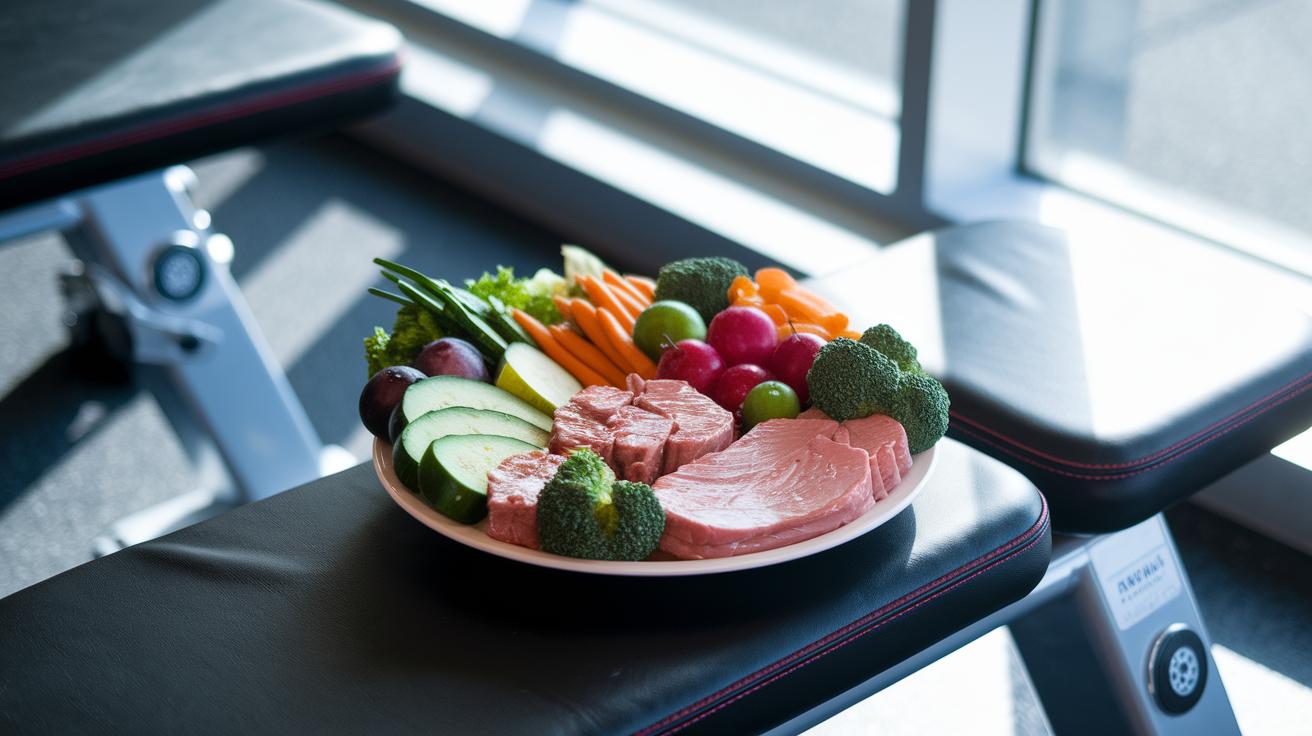
Fueling your workouts starts with a focus on what you eat. Try to have about 1.5 to 2 grams of protein per kilogram of your body weight each day. This simple plan helps build lean muscle and repairs your body after hard sessions. Keeping your daily calories a bit lower, around a 200 to 500 calorie drop, can help shape your physique without losing muscle.
Choosing fresh, unprocessed foods goes a long way. Foods like crunchy vegetables, lean meats, and whole grains give you the energy you need and help your muscles recover. Think of your meals as a way to recharge. For instance, have a protein-rich snack an hour before or within 30 minutes after your workout. It can really boost your recovery and keep you feeling strong.
Pay attention to when you eat too. By planning your meals, you make sure your muscles get protein and healthy carbs right when they need it most. This small trick works perfectly with your HIIT routine, making sure you have the energy to push hard and recover well afterward.
Mixing good nutrition with your HIIT workouts creates a powerful combo. It not only burns fat but also holds on to and even builds lean muscle. This balance is key for anyone looking to improve their body composition over time.
Recovery Strategies to Sustain HIIT Progress in Recomposition
Balancing high-intensity workouts with rest is key to staying on track. Try doing one or two HIIT sessions each week. This gives your body time to recover or enjoy gentle exercises. Plus, a good night’s sleep and plenty of water help your muscles repair and keep your energy even.
After your workout, take a few moments to stretch or foam roll. This simple step can ease muscle tightness and boost your performance. Adding a light cool-down or an active recovery day, like the ones you can find on active recovery workouts, can keep your muscles flexible and reduce soreness.
It also helps to ease back into your routine gradually. Listen to your body and watch for signs of fatigue. Some days may call for rest or a light workout instead of pushing hard. This approach helps you build strength while protecting your muscles for your next HIIT challenge.
Tracking Progress and Adjusting Your HIIT Recomposition Plan
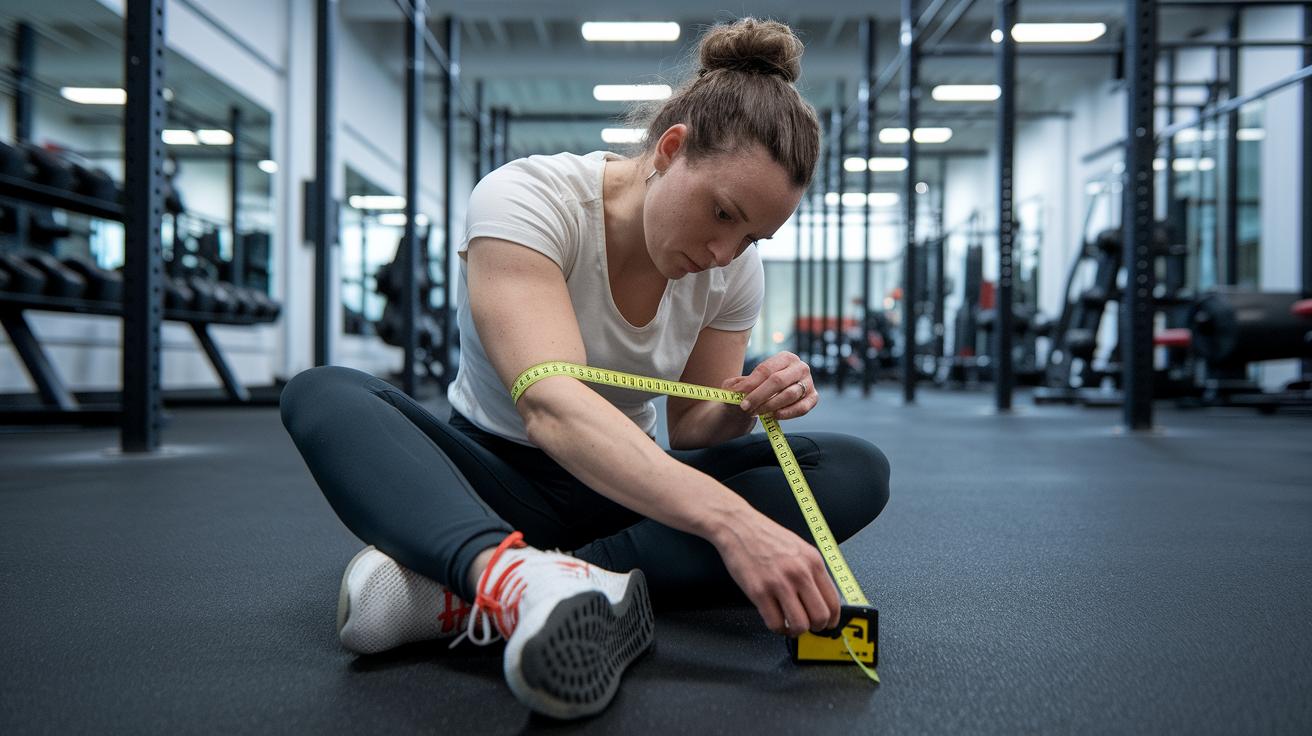
Keeping track of how you're doing is a big part of any training plan that makes you feel energized and strong. You can check your body measurements with a tape or calipers every 4 to 6 weeks to see how you are losing fat and gaining muscle. Notice things like your work and rest times and write down your heart rate during each workout. This simple record helps show if what you're doing works or if it might need a little change.
Then, use that information to tweak your intervals, intensity, or rest breaks. If you see your heart rate isn't recovering as quickly as you'd like, you might extend your rest period or lower the intensity a bit for the next few workouts. Think of it like tuning a guitar; small adjustments can really boost your overall performance.
Don't forget that gradually challenging yourself is key. As you get stronger and feel more confident, slowly make your circuits tougher or reduce your rest time. This steady push keeps you motivated and helps keep fatigue in check. Regular checks and little changes ensure your HIIT plan stays on track and works best for you.
Final Words
In the action, we've seen core HIIT principles and fresh protocol ideas to support effective fat loss while protecting lean muscle. We shared sample plans alongside practical nutrition tips and recovery strategies to help you feel balanced and strong.
Tracking your progress is key as you fine-tune your hiit workouts for body recomposition. Keep experimenting and stay positive, the next step brings you closer to a healthier, vibrant life.
FAQ
Are HIIT workouts good for body recomposition?
The question about HIIT workouts for body recomposition means they boost calorie burn, preserve muscle, and support fat loss. By blending short bursts of high intensity with recovery, they help reshape your body.
Is 20 minutes of HIIT per day enough for body recomposition?
The inquiry about a 20-minute HIIT session indicates that a focused, quality workout can help, but balancing intensity with proper recovery is key to achieving sustainable body changes.
What is the 3-3-3 rule in the gym?
The question regarding the 3-3-3 rule typically refers to structuring workouts by doing three sets of exercises with three different moves and brief rest periods to keep your heart rate up and muscles engaged.
Which workout is best for body recomposition?
The inquiry about the best workout suggests that blending resistance exercises with high-intensity intervals maximizes muscle preservation and fat burn, making it a smart, balanced approach to reshaping your body.
Are there HIIT workouts specifically designed for women’s body recomposition?
The question about HIIT workouts for women means routines can be adjusted to individual fitness levels and recovery needs, effectively supporting fat burn and lean muscle building for female bodies.
Can I do HIIT workouts for body recomposition at home?
The inquiry about at-home HIIT workouts shows that you can use bodyweight moves like burpees, jumping jacks, or Tabata protocols, making it convenient to train effectively without a gym.
Where can I find free HIIT workouts for body recomposition in PDF format?
The question about free PDF HIIT workouts means several online resources offer downloadable plans that provide clear, structured routines for boosting fat loss while preserving or building lean muscle.