Ever wonder if your HIIT routine could work even better? Sometimes, keeping an eye on your sessions can be the key. Tracking your heart rate (that is, the number of beats per minute), the length of each burst, and how long you take to recover shows you what really makes you feel strong.
In this post, we'll look at some simple tips to help you note these details. Have you ever noticed how your body speaks through these numbers? By tuning in, you can tweak your routine and hit your fitness goals sooner.
Essential Metrics for Tracking HIIT Workouts
Tracking the key numbers during your HIIT sessions is like checking in with a friend on your progress. It shows you what’s working well and hints at what you might want to tweak. When you jot down things like your heart rate during work bursts and how fast you recover, you’re setting clear, reachable fitness goals. This simple habit helps keep you accountable and lets you see your hard work pay off over time.
- Heart rate zones
- Interval durations
- Calories burned
- Perceived exertion
- Recovery time
Each of these measurements tells its own story. Your heart rate zones help you know if you’re training at the best level for a healthy heart and lungs. Recording how long each interval lasts makes sure you stick with your planned routine. Tracking calories burned gives you a peek into how much energy you’re using, which is great for keeping an eye on weight goals.
It’s also important to rate how hard you feel you’re working. This personal touch lets you see when a session feels extra tough or surprisingly easy. And paying attention to recovery time tells you how quickly your heart calms down and your muscles bounce back. Seeing improvements here can suggest it might be time to push your limits a little more. For instance, if you notice your recovery gets faster over time, think about trying slightly longer or tougher intervals. That’s a clear sign your body is ready for more.
Choosing the Right Tools for HIIT Workout Tracking
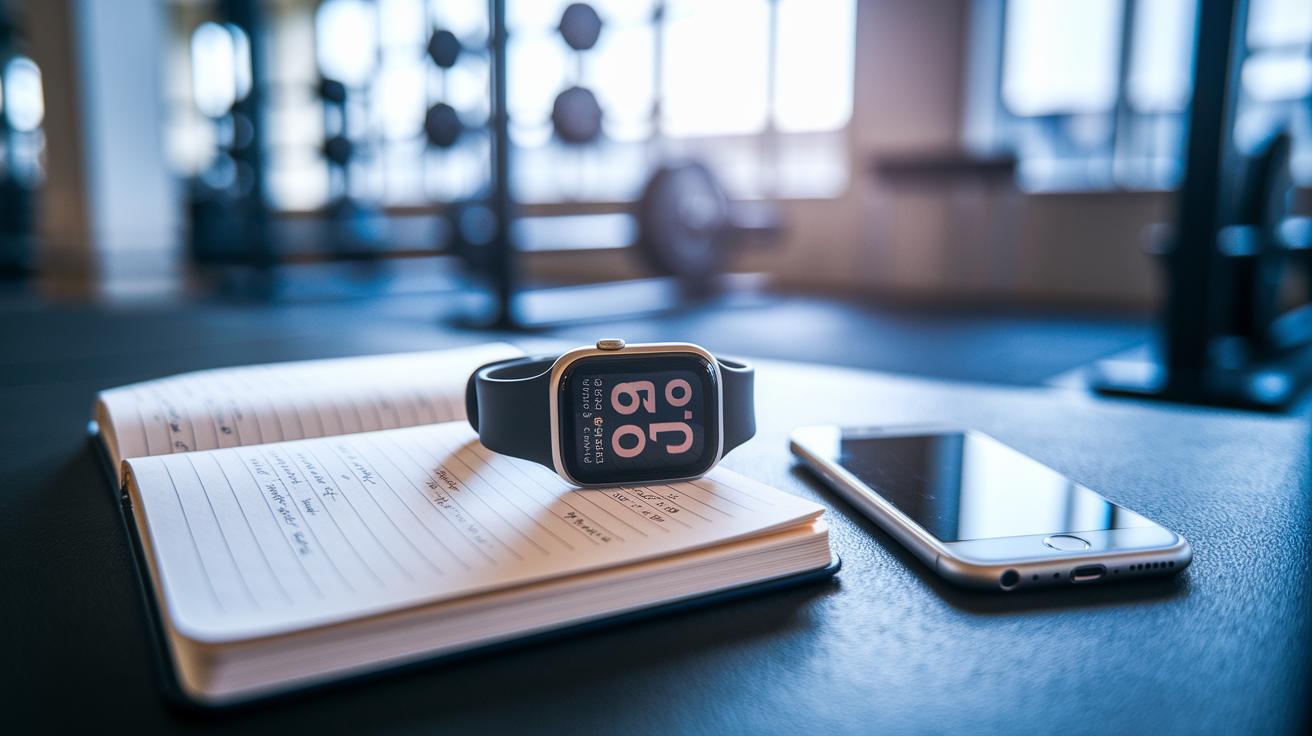
There are many ways to track your HIIT workout, and each method can bring a fun twist to your routine. You can use a digital device that keeps you accountable with built-in challenges or opt for an old-school approach like writing things down by hand. How detailed you want your records can change how much time you spend tracking or keep it really simple. Try out different methods until you find the one that really fits your style and helps you meet your goals.
Fitness Watches
Fitness watches give you an easy look at your performance while you work out. They have sensors like heart rate monitors and GPS that check your intervals and rest periods as you move. Some smartwatches even show you analytics right on the screen and let you see how you compare with friends. If you like everything in one device without extra hassle, a fitness watch might be just what you need.
Tracking Apps
Tracking apps make it easy to log your workouts without a fuss. These apps come with timers, automatic data syncing, and even social challenges to keep you motivated. Their dashboards help you glance back at your progress over time, which can be really encouraging. If you enjoy a tidy digital space where all your workout details are in one place, this tool is perfect for your HIIT routine.
Manual Logs
For those who love a hands-on approach, manual logs like handwritten journals or simple spreadsheet templates are a great option. This method lets you choose exactly what details to record, giving your log a personal touch. If you enjoy creating a tangible record and getting creative with your workout notes, manual logs might be just the right fit for you.
Structuring Your HIIT Workout Logs for Insightful Analysis
Begin by creating a simple log that captures the basics. Write down the date, type of workout (like HIIT or fast sprint intervals), the number of intervals and their lengths, heart rate numbers (how fast your heart was beating), calories burned, and a few quick notes about how hard the workout felt and how long you took to recover. This gives you a clear picture of each session and helps you see which workouts really challenged you.
Next, keep your notes short and on point. You don't have to record every single exercise. Instead, focus on days when you really pushed yourself or reached a milestone in your training. Keeping these key details in a notebook or a simple digital spreadsheet can help you build a routine that motivates you and shows your progress over time.
One smart idea is to combine your handwritten notes with digital tools. For example, jot down your main stats by hand and then update a simple spreadsheet over the weeks. This way, you get the flexible feel of a personal diary along with the clear overview of digital data, making it easier to spot improvements and fine-tune your training plan.
Interpreting HIIT Workout Data for Performance Improvements

Start by looking at your workout data for simple trends. Notice if your heart feels like it's bouncing back faster between intervals or if you can keep your speed steady as you move on to the next set. For example, if you see that your heart rate comes down quicker than before, it usually means you're getting fitter. These little hints show you where your hard work is really paying off.
Next, use these insights to set clear benchmarks. When you find that you're hitting your target heart rate and your recovery times are getting shorter, try cutting your rest periods by 5–10%. Small tweaks like this challenge your body in fresh ways and help build endurance without overdoing it. Imagine glancing at your burn bar and feeling that nudge to go just a bit further, it's a simple move that can boost your speed and overall strength.
Finally, let this data shape your future workouts. If you notice that some sessions drag on with slower recovery or minimal speed gains, consider adjusting your work-to-rest ratios or shortening or lengthening your intervals. These personal tweaks, based on what your data tells you, can fine-tune your routine and make each workout more effective.
Customizing Your HIIT Tracking Plan for Long-Term Success
Begin by choosing a workout schedule that fits your cycle. For instance, you could jot down details every third HIIT session over four weeks. This way, you gather enough information to see patterns without bogging yourself down with daily logs. It helps you focus on quality over quantity and lets you adjust your workouts as you notice changes.
Next, try switching which numbers you track to get a full view of your progress. One week, you might check your heart rate changes to see how your body bounces back after a burst of exercise. The next, you could record the calories you burn, which is great if you're focusing on weight loss. This mix of details helps you spot exactly which part of your workout might need a little tweak.
Finally, every few months, take some time to look back at all your data. Compare your improvements in speed, recovery, and overall effort. This review will help you decide if it's time to push harder or to change your routine a bit. It’s a smart way to make sure your plan grows along with you as you get stronger.
Final Words
In the action, we've explored key metrics that make recording HIIT sessions so useful. We covered everything from heart rate zones and interval durations to choosing the right tools, whether you're using a wearable or jotting notes manually.
Each tip helps adjust your pace and tailor your routines. Use these hiit workout tracking tips to spark progress. Stick with your plan and watch every session bring you closer to a healthier, more accomplished version of yourself.