Ever think your intense workout might lead to an injury if you're not careful? Imagine powering through quick bursts of energy while taking care of your body. A few smart moves, like a short warm-up and a gentle cool-down, can help you avoid setbacks.
In this guide, we share easy tips to keep you active and safe. What if every energetic move was paired with a solid plan to protect your well-being? Let's create a routine that lets you feel both strong and secure.
Key HIIT Workout Safety Tips for Injury-Free Training
Begin your HIIT workout with a proper warm-up and end with a cool-down. Spend about 5 to 10 minutes doing gentle activities, like brisk walking or some dynamic stretches. This smooth start helps your muscles and joints prepare for those quick, intense bursts.
Here are some key tips:
- Start with a warm-up: 5 to 10 minutes of light exercise gets your body ready.
- Do short, high-power bursts. Try 20 seconds of full effort followed by a rest period that's equal to or twice as long. For example, run hard for 20 seconds and then walk for 40 seconds.
- Choose exercises that match your current fitness level. Mixing cardio with resistance work creates a balanced routine.
- Keep your workout space clear and wear snug clothing so you can move safely.
- Cool down with 5 to 10 minutes of low-intensity movement, like easy cycling or walking, to help your heart slow down.
- Schedule at least four recovery days between HIIT sessions. Rest days help your muscles heal and reduce the risk of overuse injuries.
- Always use proper equipment and check that it is in good condition to stay safe during your exercises.
Keep an eye on your form, too. Try to maintain a straight, neutral spine, engage your core, and let your knees move naturally to prevent strains. Following these tips can help lower injury risks while you enjoy all the great benefits of your high-intensity interval training.
HIIT workout safety tips: Energize your routine
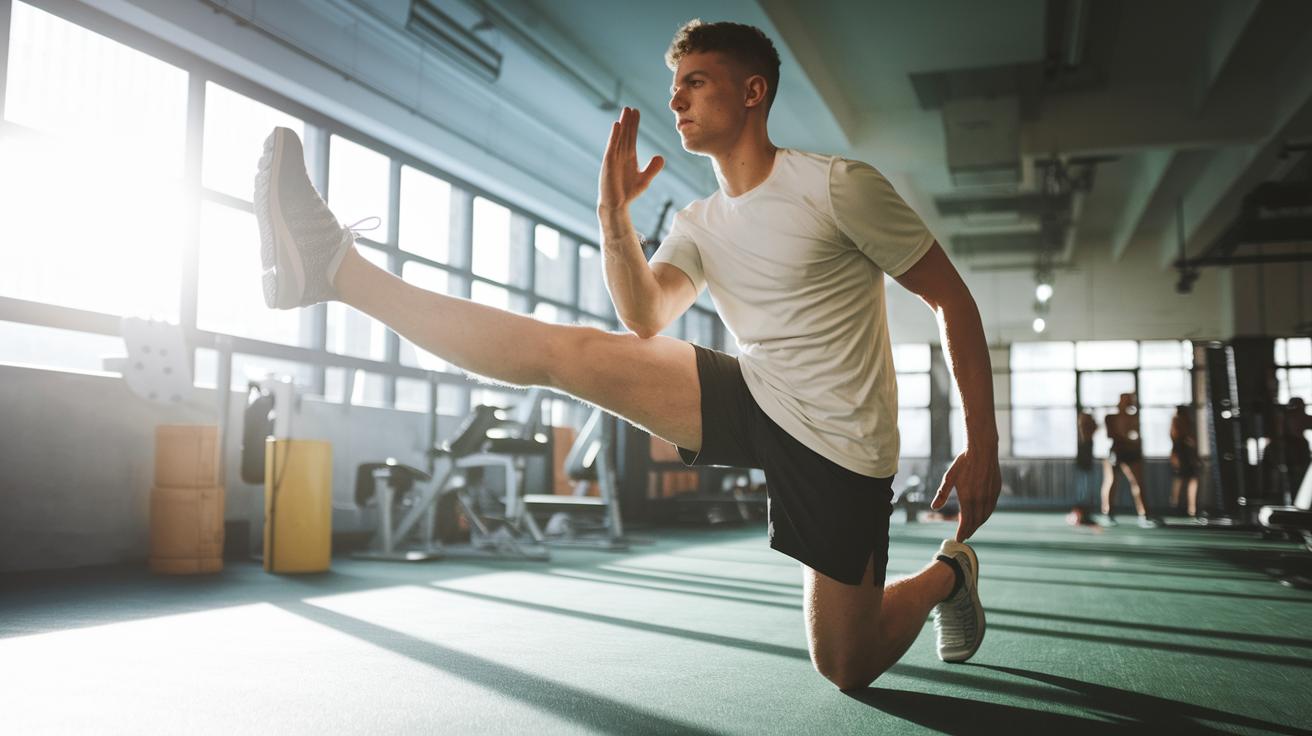
To get your body ready for high-intensity exercise, start with 5 to 10 minutes of movement-based drills. These drills raise your heart rate and wake up the key muscles you’ll use during your workout. Begin with dynamic stretches and gentle mobility moves that make your joints and muscles feel prepared and safe.
- Leg swings
- Arm circles
- Walking lunges with twist
- Hip openers
- High knees
- Butt kicks
These exercises boost blood flow and help your body move more freely, kind of like tuning a musical instrument before a performance. They get you set up for jumping into more intense exercises later. Imagine your ankles, hips, and shoulders as parts of a well-oiled machine that need a little warm-up before hitting high gears.
If you’re planning a session with quick sprints and fast moves, try adding faster-paced exercises at the end of your warm-up. This helps lift your heart rate gently toward your target, so your body and mind are both ready for the challenge. It’s a simple trick to reduce the risk of strain or injury and keep your routine full of energy.
Proper Form and Technique Guidance for Safe HIIT Workouts
Upper Body Form Guidance
In your HIIT workout, especially during push-ups or shoulder presses, it’s important to keep your body straight. Keep your back flat, maintain a neutral spine, and engage your core to support your upper body. Picture your elbows staying close to your sides when you do a push-up. This simple thought helps shield your shoulders and eases strain. Also, let your shoulder blades move back and down as you lower and lift. These small changes support balance and keep injuries, like rotator cuff problems, away.
Lower Body Form Guidance
When you’re doing squats and lunges, good form is key. For squats, think of pushing your hips back just like you’re about to sit on a chair. Make sure your knees stay lined up with your toes without collapsing inward. For lunges, keep your chest upright and work on aligning your front knee with your foot. Slow, steady movements build strength and protect your knees, helping you avoid issues like a meniscus tear while training your muscles.
Plyometric Technique and Landing Safety
High-intensity moves like jump squats need extra care with landings. Always try to land softly by bending your knees to absorb the shock, almost as if you’re landing on a cushion. Practice short bursts of controlled jumps, which builds stability and trains your body to decelerate gently. This way, you keep joint stress low while still getting a powerful workout.
Progression Pacing Guidelines: Modifying HIIT for All Fitness Levels

Beginner Interval Structures
If you’re just starting out, try a simple routine: work for 20 seconds and then take a 20-second break. This even split helps your body get used to the quick, intense bursts without putting too much strain on your muscles and joints. Think of it like a gentle spark that lights up a safe, manageable fire.
Intermediate Progression Models
If you already have a bit of experience, you might try working hard for 30 seconds and then resting for 60 seconds. This setup mixes cardio and strength work, which helps you build endurance and power gradually. It’s a friendly way to push yourself a little more while still giving your body the time it needs to recover.
Advanced Pacing and Recovery Ratios
For those seasoned in your workouts, challenging yourself with 40-second sprints and then a quick 20-second break can work great. You can even add 5 extra seconds to your work time each week as you get stronger. And remember, it’s important to rest up, too, try taking one or two lighter workout days after every two to three HIIT sessions. That way, you let your muscles repair and keep getting better and better.
HIIT workout safety tips: Energize your routine
When you dive into a HIIT workout, tuning in to what your body is telling you is super important. Using a wearable monitor to keep track of your heart rate can really help you stick to that safe range of 70 to 90 percent of your max. And don't forget to check how hard you're feeling the effort on a scale of 6 to 20. Sometimes you might feel the push ramp up more than you expect, like when you finish a sprint and suddenly know it's time to slow down a bit.
If you start feeling any warning signs like lightheadedness or heavy breathing, it’s a clear sign to ease back. Noticing these hints, like dizziness or feeling really winded, can help you avoid overdoing it during your routine. Below is a simple table that shows some common warning signs and the actions to take to keep your workout both fun and safe:
| Warning Sign | Recommended Action |
|---|---|
| Dizziness | Stop and take a seated rest |
| Chest Pain | Stop your activity and talk to a pro |
| Excessive Sweating | Drink some water and switch to a lower intensity |
| Sharp Joint Pain | Take a break and either ice the area or get advice |
Listening to these signals and taking a break when you need it can really make a difference. Your body will thank you for it, and you'll build a workout routine that helps you stay strong and safe.
Post-Workout Cool-Down, Rest Days, and Muscle Recovery Protocols for HIIT
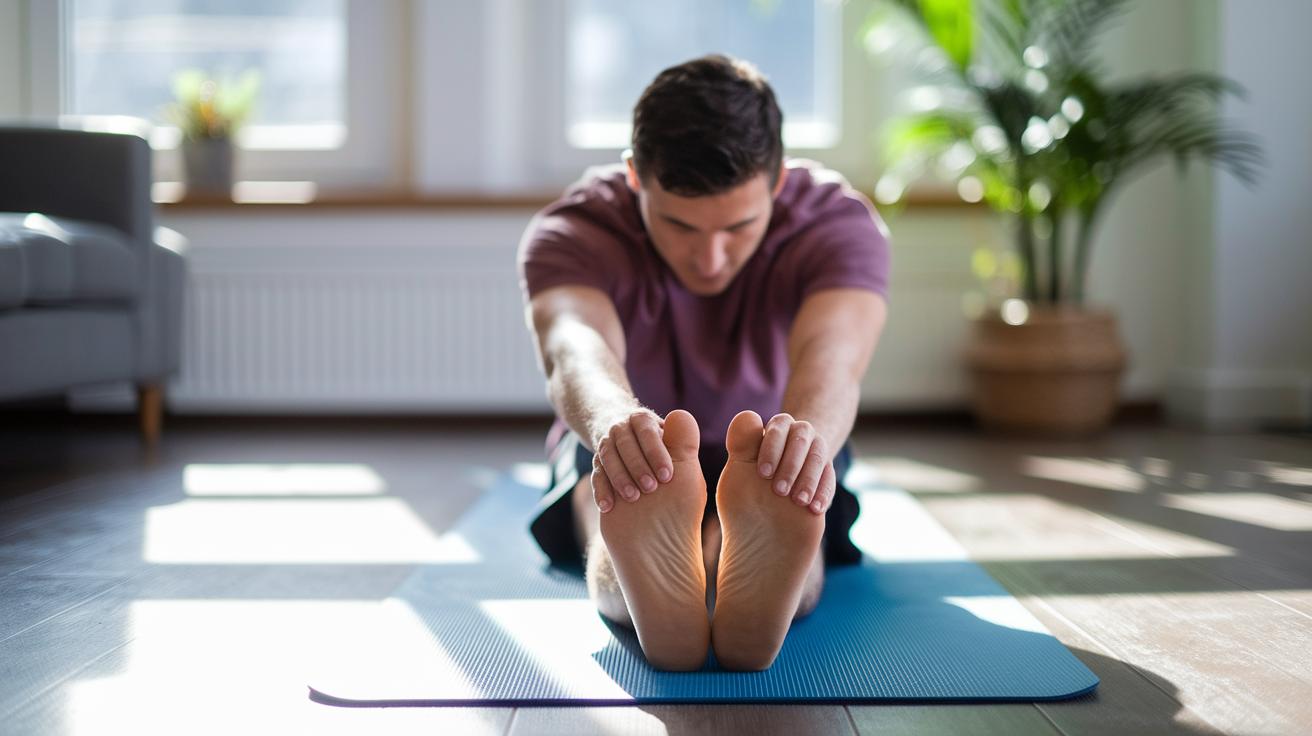
After your workout, try holding each stretch for about 30 seconds. This gives your muscles the time they need to relax and lengthen. For example, when you work on your hamstrings, sit with one leg straight and reach towards your toes. As you stretch, picture a gentle pull softening the tension with every breath.
Once you've mastered the basics, consider adding a few extra recovery methods to help your tendons and cartilage heal. Some treatments use cells from your own body, like Bone Marrow Concentrate, to help repair any minor tissue wear. There’s also Tenex Tenotomy, a simple, minimally invasive procedure that eases tendon pain and reduces inflammation. Want to dive deeper? Check out more details on how to speed up muscle recovery at https://fitandglossy.com?p=618.
Remember, recovery days aren’t just for resting. Try mixing in some active recovery like gentle yoga or foam rolling. These activities boost blood flow and help ease tight muscles without overloading your body. Imagine a gentle foam roll along your calves; it can feel just like a soft, relaxing massage after an intense session.
Injury Prevention Through Strength Conditioning and Joint Stability for HIIT
Lower Limb Stability Drills
Start with exercises like single-leg deadlifts that challenge your balance while building stronger legs. You can use a balance board or resistance bands to help your ankles and knees learn to stay steady. These drills train the muscles around your joints so they can quickly react during fast movements, which helps keep sprains at bay.
Core Stabilization Exercises
A strong core acts like a shock absorber and lightens the load on your back and shoulders. Try different kinds of planks, such as front and side, to slowly build core endurance. You can also add anti-rotation moves like Pallof presses or work on controlled hollow holds. These exercises not only keep your spine steady but also improve how well your body works together during high-intensity training.
Shoulder and Upper Limb Conditioning
For a strong upper body, focus on moves that build shoulder muscles. Exercises like banded external rotations work well to support your shoulder joints. Adding scapular push-ups and other closed-chain drills can help maintain good joint movement and balance. Keep your motions smooth and controlled to lower the chance of overuse injuries.
Always check if you have any past injuries or ongoing discomfort before starting or changing your routine. Tailor the intensity of your drills to fit your experience and any joint issues. This focused approach to strength training not only helps you avoid injury but also makes your high-intensity sessions both safe and effective.
Hydration, Nutritional Timing, and Supplement Considerations for HIIT

When you're doing HIIT, keeping your body fueled and hydrated is a must. Try sipping about 7-10 ounces of water every 10-20 minutes. Picture yourself taking a quick water break right in the middle of a burst, feeling refreshed and ready to go.
Before you start your workout, have a light snack that mixes some carbohydrates with protein. This simple combo gives you energy without weighing you down. Then, within about 30 minutes after your workout, a balanced snack can really help repair your muscles. Think of enjoying a small bowl of yogurt with fruit or a protein shake with a banana. For extra tips on meal timing and hydration, visit balanced diet and exercise benefits.
You might also want to explore a few supplement options. BCAAs or electrolyte supplements can be great helpers during intense workouts. They work behind the scenes to keep your muscles happy and support recovery as you push yourself hard.
Final Words
In the action, our discussion covered the essentials of safe and effective high-intensity training. We touched on warming up properly, maintaining form, and pacing efforts for each level. Tips on injury prevention, muscle recovery techniques, and fueling your body rounded out our insights. Mind these hiit workout safety tips as you mix exercise with rest, hydration, and balanced nutrition. Small adjustments can lead to a smoother, injury-free routine. Keep moving forward and enjoy every moment of your practice.
FAQ
What are HIIT workout safety tips for beginners?
The HIIT workout safety tips for beginners emphasize starting with a proper warm-up, using exercises that match your current ability, and gradually ramping up intensity. Also, include recovery days to help your body adapt.
How do HIIT workout safety tips support weight loss?
The HIIT workout safety tips for weight loss focus on structured intervals, proper warm-up and cool-down routines, and controlled movements, which combine to boost calorie burn while reducing the risk of injury.
What are the key safety tips for a 30-minute HIIT workout?
The 30-minute HIIT workout safety tips involve starting with an active warm-up, planning intervals carefully, maintaining proper form, and finishing with a cool-down routine to protect muscles and joints.
What are the safe HIIT guidelines for seniors in both 15- and 30-minute sessions?
The HIIT safety tips for seniors in 15- and 30-minute sessions include using lower-intensity modifications, allowing more recovery time, focusing on controlled movements, and incorporating a thorough warm-up and cool-down for joint safety.
What are the disadvantages of HIIT training?
The disadvantages of HIIT training include potential overexertion, a higher risk of injury if form breaks down, and increased short-term fatigue, making balanced programming essential for long-term health.
How can seniors access HIIT exercise resources safely through online videos or PDFs?
The HIIT exercise resources for seniors available on YouTube or in PDF formats typically offer clear instructions, modifications for lower impact, and safety tips to ensure seniors practice these high-intensity exercises securely.
How can I perform HIIT safely and avoid injury?
The HIIT safety guidelines for proper performance include starting with warm-ups, maintaining correct form throughout, using gradual progression, and listening to your body’s signals while scheduling adequate rest between sessions.