Tired of workouts that leave your joints sore? What if you could challenge yourself without putting extra strain on your knees and hips? Low-impact HIIT is a fresh way to exercise that keeps your heart working hard while also taking care of your body. In this guide, we show you simple tweaks, swapping hard jumps for gentler moves, that help make your workout both effective and kind to your joints. Get ready to enjoy a session that’s both challenging and soothing for your body.
Joint-Friendly HIIT Modifications for Reduced Joint Pain
Low-impact exercise is a way to work out that takes the strain off your joints and bones while still giving you a solid session. It uses gentle movements that ease the pressure on your knees and hips, offering a kinder method to keep fit.
Low-impact HIIT follows the familiar cycle of short, intense bursts paired with rest. Instead of high-impact moves like jumps, it replaces them with exercises that soothe your joints. This lets you work hard in your active moments and care for your body at the same time.
- Skipping jumps in your routine
- Lowering the height of movements to lessen impact
- Adding extra rest time for better recovery
- Choosing supportive surfaces that soften your steps
- Focusing on proper body alignment to cut down strain
- Replacing plyometrics with controlled, steady motions
These small changes can make a big difference. Research shows that a 15 to 20 minute low-impact HIIT session can boost your fitness and endurance similar to longer bouts of traditional cardio. And when you mix in an active recovery workout during breaks, you keep up performance while sparing your joints. In this way, you can push yourself safely, stay active, and build strength without the extra discomfort.
Low-Impact HIIT Exercise Alternatives to Protect Your Joints
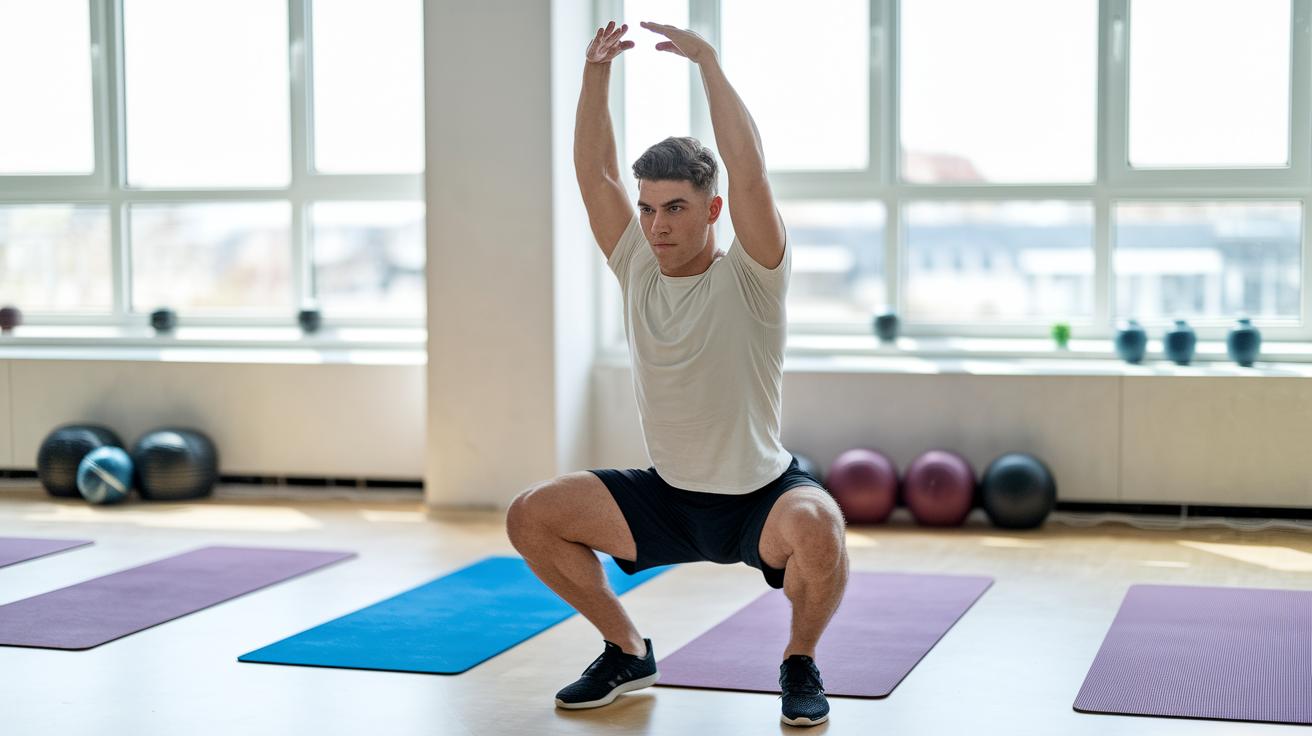
Swapping out high-strain moves for joint-friendly options is a clever way to keep your heart pumping without putting too much pressure on your knees or hips. These changes let you work hard while easing the stress on your joints. Think of it like giving your body a break during quick bursts, so you can push yourself and then feel good afterward.
| High-Impact Move | Joint-Friendly Alternative | Target Muscle Group |
|---|---|---|
| Jump Squats | Squat-to-Overhead Reach | Legs & Shoulders |
| High Knee Runs | Plank Toe Taps | Core & Hips |
| Burpees | Glute Bridges (Hip Thrusts) | Glutes & Hamstrings |
| Explosive Kettlebell Swings | Controlled Kettlebell Swings | Back, Shoulders, Legs |
| Standard Burpees | Low-Impact Burpees | Full Body |
| Traditional Russian Twists | Russian Twists with Balance Support | Core |
| Jumping Jacks | Low-Impact Jumping Jacks (Power Jacks) | Cardio & Shoulders |
| Mountain Climbers | Inchworm | Core & Upper Body |
| Forward Lunges | Lateral Lunges | Legs & Hips |
| Fast-Paced Punching Drills | Boxing Punches | Arms & Core |
These alternatives give you a great way to keep the workout challenging while taking extra care of your joints. Each move is designed to lower the impact without losing the benefits of a tough session. By choosing these easier exercises, you build strength, boost endurance, and keep moving freely. It’s a smart path to staying active and strong, so you don’t have to worry about extra pressure on your joints, making your routine both safe and fun over time.
HIIT Workout Modifications for Joint Pain: Swift Relief
Changing the workout rounds can ease joint stress while still getting a great workout. Instead of long bursts of intense activity, try shorter bursts that last 15 to 20 seconds, followed by 40 to 45 seconds of rest. Cutting the session from eight cycles to five gives your joints a well-deserved break. This plan lets each muscle group relax between bursts, reducing the chance of pain or injury. Imagine trading a fast sprint for steady bursts that lift your heart rate while allowing your joints to recover.
Adding active recovery moments in your routine is another great way to protect your joints. Rather than stopping completely, do low-impact moves like marching in place or gentle stretches during your rest. It’s important to listen to your body; if you notice any discomfort or unusual strain, feel free to lower the intensity or shorten your effort. These small adjustments build strength and endurance while keeping the workout friendly to your joints. And remember, a quick chat with a personal trainer can help tailor these changes to fit your needs.
Warm-Up and Recovery Strategies for HIIT with Joint Pain

Dynamic Warm-Up Routine
Start by spending about five minutes gently getting your body ready. Begin with leg swings by standing near a wall or chair for support and slowly swinging one leg forward and back, much like a soft pendulum. Next, make hip circles by placing your hands on your hips and moving them in smooth, round motions. Then, do some shoulder rolls by lifting your shoulders forward and letting them drop back. These easy moves help your joints move better and prepare you for the workout ahead. Have you ever felt how a few simple motions can wake up your body?
Post-Workout Recovery Practices
After your workout, take about seven minutes to cool down and stretch. Spend roughly one minute on each area – your knees, hips, and ankles – while doing static stretches (stretching a muscle without moving it) to relax your tissues. You can sit or stand while gently holding each stretch. Then, use a foam roller on these spots; roll slowly and pause on any sore, tight areas to ease discomfort and boost blood flow. This slow, mindful approach can help reduce stiffness after exercise. If you're unsure about your form or need advice, a quick chat with a personal trainer can be really helpful. Remember, taking a little extra time to recover means you'll feel better and ready for your next session.
Joint-Friendly HIIT Modifications for Reduced Joint Pain
Low-impact exercise means moving gently so your joints feel less strain while still getting a strong workout. It uses smooth, controlled motions instead of quick, heavy movements that can hurt your knees and hips.
Low-impact HIIT keeps the idea of short bursts of effort with rest in between. It swaps out the high-stress moves for ones that are kinder to your joints. Mixing in an active recovery period can keep your heart working and help your body bounce back.
- Skip jumps so your knees don’t take extra stress.
- Lower movement heights to keep your joints in a safe range.
- Lengthen rest breaks if you need more time to recover.
- Try using cushioned surfaces like exercise mats to soften your steps.
- Keep a correct posture with every move to avoid extra strain.
- Swap intense, fast moves with gentler choices like steady cycling or simple step exercises.
Research shows that a 15- to 20-minute low-impact session can give you benefits much like longer cardio workouts. One coach even said, "Changing your routine this way helped many people feel less pain while still boosting their stamina." This shows that you can adjust your workout to suit your fitness level and protect your joints at the same time.
Low-Impact HIIT Exercise Alternatives to Protect Your Joints
Switching out rough exercises for gentler moves can really help your joints feel better. Recent studies suggest that these softer options may cut down your recovery time, boost muscle coordination, and still give you plenty of energy.
| High-Impact Move | Joint-Friendly Alternative | Target Muscle Group |
|---|---|---|
| Jump Squats | Squat-to-Overhead Reach | Legs & Shoulders |
| High Knee Runs | Plank Toe Taps | Core & Hips |
| Burpees | Glute Bridges (Hip Thrusts) | Glutes & Hamstrings |
| Explosive Kettlebell Swings | Controlled Kettlebell Swings | Back, Shoulders, Legs |
| Standard Burpees | Low-Impact Burpees | Full Body |
| Traditional Russian Twists | Russian Twists with Balance Support | Core |
| Jumping Jacks | Low-Impact Jumping Jacks (Power Jacks) | Cardio & Shoulders |
| Mountain Climbers | Inchworm | Core & Upper Body |
| Forward Lunges | Lateral Lunges | Legs & Hips |
| Fast-Paced Punching Drills | Boxing Punches | Arms & Core |
Paying attention to proper form and including a few balance exercises can keep your muscles strong while your joints stay protected. Here’s a fun fact: many athletes didn’t know that using gentler moves lets them work just as hard without putting extra strain on their bodies.
Interval Structure Tweaks for Joint-Safe HIIT Workouts
Let's talk about making your HIIT sessions easier on your joints. Try reducing the burst of effort to 15-20 seconds, then give yourself 40-45 seconds of recovery. Think of it like doing a quick sprint and then taking a slow, relaxed walk. This way, you build strength without stressing your joints too hard, and your heart still gets a nice boost.
Another tip is to add some active recovery moves. While you're resting, try low-impact marching or simple stretches to keep your body moving and your joints loose. Always listen to your body and adjust if something feels off. And if you need a little extra guidance, a personal trainer can help fine-tune your form or pace based on how you feel during each cycle.
Warm-Up and Recovery Strategies for HIIT with Joint Pain
Dynamic Warm-Up Routine
Start with a quick five-minute warm-up to get your body moving without repeating the same motions. Stand near a wall or chair if you need support and begin by slowly swinging one leg forward and back. This simple move helps loosen the muscles around your knees and hips. Next, spread your feet shoulder-width apart and make smooth circles with your hips. You can also add gentle ankle pumps and soft torso twists to mix things up. Picture alternating a light knee bend with a slow twist of your torso, it can feel as refreshing as a gentle breeze on a sunny day.
Post-Workout Recovery Practices
After your HIIT session, take about seven minutes to cool down with gentle stretches that target your knees, hips, and ankles. Hold each stretch for about one minute to ease out any tightness. Then, use a foam roller to massage your muscles and help them relax. Some recent tips say that combining foam rolling with a short burst of cold compression might help reduce swelling in sore joints. For more foam rolling ideas, check out this helpful guide. And if you ever feel unsure about your moves or timing, consider chatting with a personal trainer who can tailor these steps just for you.
Expert Safety Tips for Joint-Friendly HIIT Routines
Watch your body carefully as you move through your HIIT session. If you feel any discomfort or pain, take a break right away. This might mean working at a lower pace or resting a bit longer between bursts. For instance, if your knee starts to hurt during an exercise, stop and see if slowing down a little helps you continue without extra strain. Trusting these signals can help keep your joints safe.
Good shoes and a stable, cushioned surface are key for a joint-friendly workout. Shoes with solid support and grip reduce the impact on your legs. Likewise, using an exercise mat or working out on a softer floor gives your body extra shock absorption. Think of it like choosing to walk on a sandy beach instead of a rough sidewalk. Each step feels kinder on your joints and keeps you feeling good.
Before diving into any high-intensity workout, especially if you are older or have joint pain like osteoarthritis, it's a smart idea to speak with your doctor. A health professional can give you tips that match your needs perfectly. This way, you can enjoy your workout and protect your body at the same time.
Final Words
In the action, we explored low-impact exercise and joint-friendly alternatives to standard HIIT. The blog outlined clear tips for adjusting work-to-rest intervals, swapping high-strain moves for safer options, and incorporating effective warm-up and recovery practices.
The advice shows that minor tweaks can help you enjoy a solid workout without overwhelming your joints. With HIIT workout modifications for joint pain in mind, a careful blend of exercise variations and active recovery can support continual improvement in overall wellness.
FAQ
What are HIIT workout modifications for joint pain on YouTube?
The HIIT workout modifications for joint pain on YouTube show how to adjust high-intensity training with low-impact alternatives that ease joint strain and still boost heart rate.
What are the best HIIT workout modifications for joint pain?
The best HIIT modifications for joint pain replace high-impact moves with controlled exercises, extend rest intervals, and use supportive surfaces to reduce stress on joints while keeping workouts effective.
Can you do HIIT if you have arthritis?
The possibility of doing HIIT with arthritis involves using gentle, low-impact moves that minimize strain on joints, making it a safer option when modifications match individual comfort levels.
Is HIIT hard on your joints?
The notion that HIIT is hard on joints holds true when exercises involve high-impact moves; switching to joint-friendly alternatives can maintain intensity while reducing potential joint stress.
How can you help joint pain while working out?
The approach to helping joint pain during exercise includes using low-impact variations, warming up properly, and integrating active recovery techniques that lessen joint load and keep workouts productive.
How do you do HIIT with bad knees?
The method for doing HIIT with bad knees involves replacing jumps and rapid movements with controlled, low-impact exercises and ensuring supportive footwear and surfaces to protect the knees.