Have you ever felt like you have to rush through a cool down after an intense workout? It may seem like an extra step, but skipping it can leave you feeling a bit off balance afterward. After pushing your body hard, taking a few calm, gentle steps can help lower your heart rate and ease muscle tightness. A brisk walk, some light stretches, and deep, slow breaths really work wonders. In this post, I'll share a few simple cool down tips to help you feel clear-headed, relaxed, and ready to take on the rest of your day.
HIIT Session Cool Down Essentials: Reaching Rest State Safely
After a tough HIIT workout, it's important to cool down slowly. Try easing into a gentle walk over 5 to 10 minutes. This gradual approach lowers your heart rate, cools your body, and brings down your blood pressure, making it easier to breathe and even chat with a friend. It also helps your heart settle, clears out muscle fatigue, and reduces the risk of soreness or injury.
Here are six simple steps to help you transition into recovery:
- Start with a brisk walk for 1 minute. This quickly helps your heart ease off the high intensity.
- Every 1 to 2 minutes for the next 5 minutes, gradually slow your pace. This steadily lowers your heart rate and body temperature.
- March lightly in place for 1 minute. Keeping your body moving supports smooth recovery.
- Do gentle arm swings for 1 minute. This relaxes your upper body and steadies your breathing.
- Switch to a slow walk for 2 minutes to further stabilize your heart rate.
- End with 1 minute of deep breathing while standing, allowing your body and muscles to fully relax.
Physiological Rationale for Gradual Cooldown in HIIT
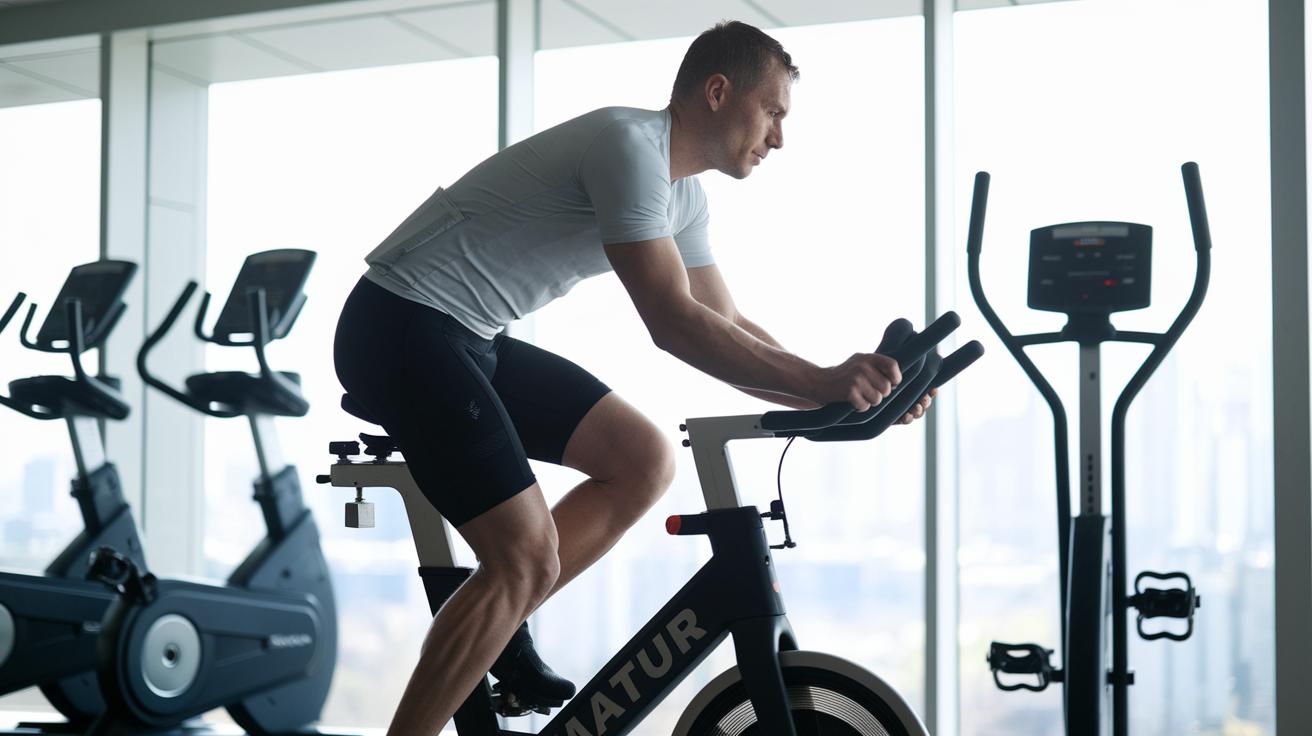
After a hard HIIT session, it’s important to let your body slowly move from high energy to rest. For five to ten minutes, try to keep moving and lower your pace a little every one or two minutes. This gentle slowdown helps your heart settle and clears away lactate buildup so you don’t feel dizzy or off-balance. It’s a simple way to help your body adjust on its own.
Keeping your muscles active with easy movements lets your breathing and heartbeat return to normal. Light cycling, marching in place, or a few simple bodyweight drills can steady your heart rate, boost circulation, and flush out byproducts that might make you sore. These relaxed cooldown steps help you recover well and leave you feeling refreshed after a demanding workout.
-
Gentle stationary cycling (2 minutes): Start by slowly reducing the biking speed and resistance. This helps to lower your heart rate smoothly.
-
March in place (2 minutes): Begin with a brisk march and then gradually ease into a slower rhythm, letting your breath get deeper and calmer.
-
Bodyweight mobility drill (2 minutes): Try doing gentle leg swings or squats. This keeps blood circulating and helps ease any tightness.
-
Slow walking with arm circles (2 minutes): Walk slowly and make gentle arm circles. This steady, relaxed pace helps your entire body wind down.
Post-Interval Stretching Regimen for Muscle Lengthening
After a hard HIIT session, it’s a good idea to help your muscles cool down with a simple, structured stretch. This routine zeroes in on the muscles that did most of the work, like your quads, hamstrings, glutes, chest, and back. Doing these stretches can ease soreness and boost flexibility, leaving you feeling a bit more relaxed after your workout.
Static Stretching Protocol
Hold each stretch for 15 to 60 seconds while you breathe steadily. Here are a few stretches to try:
- Standing Quad Stretch: Stand tall and gently pull one foot back toward your glute. Hold it for around 30-45 seconds.
- Hamstring Stretch: Sit on the floor, extend one leg, and slowly reach forward while keeping your back relaxed. Hold it for 30-45 seconds.
- Glute Stretch: Lie on your back, cross one ankle over the opposite knee, then lean forward until you feel a stretch in your glutes. Hold for 30-45 seconds.
- Chest Opener: Stand up straight, clasp your hands behind you, then gently lift your arms to stretch your chest. Hold this for 15-30 seconds.
Make sure you keep your body aligned and take deep, even breaths. This helps loosen tight muscles and promotes smoother blood flow.
Dynamic Stretching Guidance
Start with these slower mobility moves for about 30-45 seconds each before your static stretches. Try these out:
- Leg Swings: Gently swing one leg forward and back to loosen your hips.
- Arm Circles: Slowly move your arms in circles to get your shoulders working.
- Torso Twists: Rotate your upper body slowly from side to side to give your spine a gentle wake-up.
These dynamic moves get your muscles ready and help transition you into deeper, more relaxing static holds.
hiit workout cool down tips: Feel Refreshed
Rehydration Strategies
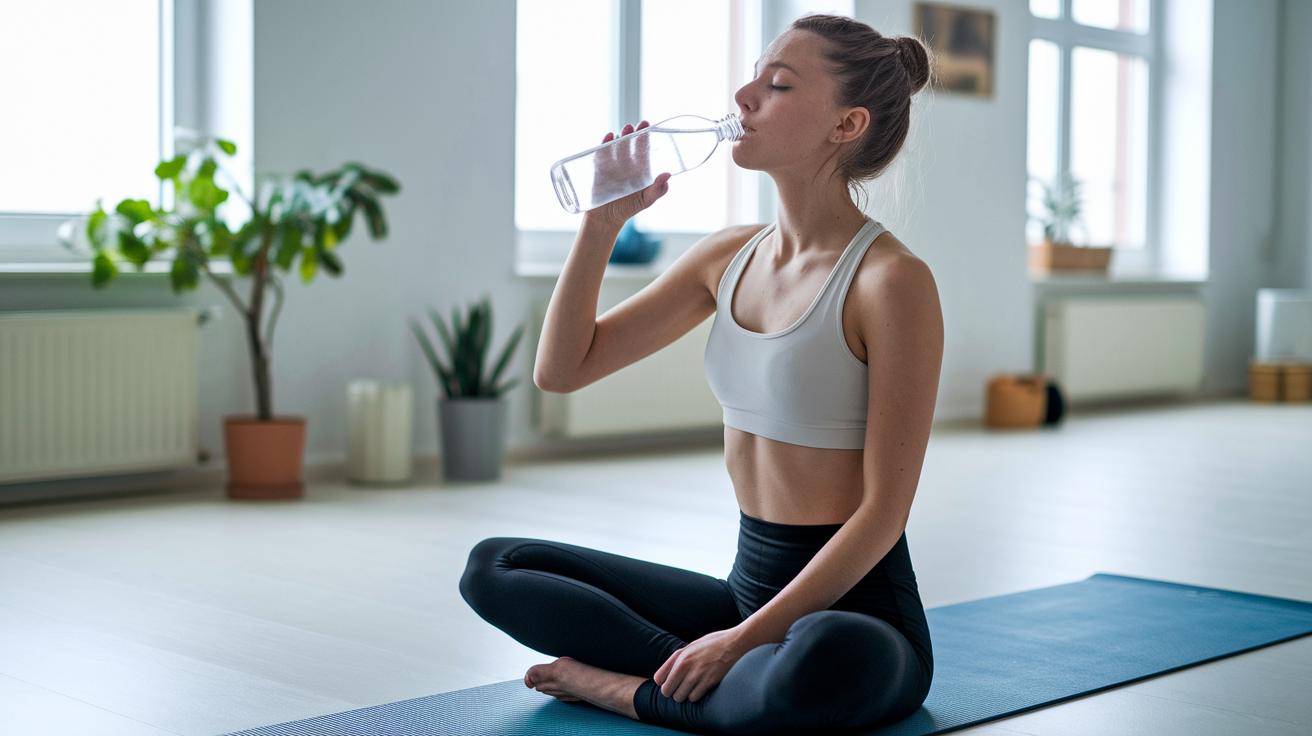
After a tough HIIT session, it's really important to replace the fluids you've lost. Try to drink about 1.5 liters of water for every pound you sweat off. Instead of gulping it all down quickly, take small sips over 15 to 30 minutes. This slow approach helps your body absorb the water while supporting muscle repair. It's a bit like refueling your car gradually so that everything runs smoothly.
Breathing Patterns for Recovery
Along with drinking water, friendly deep breathing can really help you relax and recover. You might try breathing in through your nose for 4 seconds and exhaling through your mouth for 6 seconds. For example, you can work on a simple box breathing routine: breathe in slowly, pause for a moment, and then exhale with care. This steady breathing improves oxygen flow and helps clear out lactic acid, which can calm your heart and mind after an intense workout.
Final Words
In the action, we explored how easing into a post-HIIT cooldown can help shorten recovery time and keep your body steady. The steps talked about gradually bringing down your speed, calming your heart rate, and stretching key muscles to reduce soreness. We touched on the benefits of mindful hydration and deep breathing techniques too. All these hiit workout cool down tips work together to support a smooth drop in intensity after a high-energy session. Keep these pointers in mind for a safe, balanced way to conclude any intense workout.