Ever wonder if your cholesterol might be making things harder for you? A small change in how you eat and carry on with your day can help your heart beat steadily, kind of like fine-tuning a well-oiled machine.
I remember swapping a heavy, fatty meal for a crisp salad, and I felt a burst of energy. In this article, we explain why keeping your bad cholesterol (LDL) low and your good cholesterol (HDL) balanced can make a big difference in how you feel.
Read on to discover how simple choices can support a healthy, balanced heart.
Understanding Healthy Cholesterol: LDL, HDL & Target Levels
There are two main kinds of cholesterol in your body: LDL and HDL. LDL is known as the "bad" cholesterol because it tends to stick to your artery walls, which can lead to clogs. On the other hand, HDL, or the "good" cholesterol, helps carry extra cholesterol out of your blood. Your liver naturally produces both, but eating a lot of saturated fats in foods like fatty meats and full-fat dairy can swing the balance toward more LDL. I once swapped a burger for a salad on a busy day and felt noticeably better!
Keeping these numbers in a healthy range is important because it lowers your chance of blood clots, heart attacks, or strokes. When your cholesterol levels are just right, your heart works smoothly and your blood flows easily. It’s a lot like tuning a car so that every part works in sync for a smoother ride. By checking your numbers regularly, you can make small changes to your diet and habits that build up to strong heart health over time.
Doctors suggest that total cholesterol should be under 200 milligrams per deciliter, LDL should be 100 or lower, and HDL should be at least 40 for men or 50 for women. Triglyceride levels, which are another kind of fat in your blood, should be below 150. Think of these figures as a simple map to guide your health. It’s like glancing at your car’s speedometer to know if you’re driving at the right pace toward better well-being.
| Metric | Optimal Range | Unit |
|---|---|---|
| Total Cholesterol | Under 200 | mg/dL |
| LDL | 100 or lower | mg/dL |
| HDL | At least 40 (men), 50 (women) | mg/dL |
| Triglycerides | Below 150 | mg/dL |
How Cholesterol Affects Heart Health & Vascular Wellness
Excess LDL cholesterol is like a stubborn clog in your arteries that slows everything down. When too much LDL builds up, it forms deposits on your blood vessel walls that narrow them and reduce blood flow. This change makes it easier for blood clots to form, which can lead to heart attacks or strokes. A fun fact to remember: around 73.5 million U.S. adults have high LDL. Just picture your artery as a busy highway, and plaque is like a sudden traffic jam that slows everything to a crawl.
Some people are born with a condition called familial hypercholesterolemia that affects about 1.5 million Americans. This means they can have high cholesterol even if they eat well and exercise. Because of this, regular check-ups and following simple health advice are key to managing your cholesterol. By keeping inflammation in check and balancing your lipids, you can look after your heart and blood vessels for many years to come.
Heart-Smart Nutrition for Healthy Cholesterol Management
A heart-smart diet means choosing foods that taste good and help keep your cholesterol in check. The Mediterranean heart diet is a great example. It is built on fresh vegetables, bright fruits, whole grains, tasty nuts, and beans. It also includes low-fat dairy and lean poultry for quality protein without extra saturated fats. For cooking, choose unsaturated oils like olive, canola, or safflower oil. For example, try dressing your salad with olive oil instead of butter. Small changes like these can add up over time.
Soluble fiber works like a helpful cleaning crew in your digestive system. It grabs onto cholesterol and helps wash it away before your body absorbs it. Foods such as oats, apples, and beans are great sources of this fiber. They naturally help lower the bad cholesterol levels. In addition, polyunsaturated fats from foods like walnuts and certain fish can lower LDL cholesterol directly. Some vegetables and fortified foods contain plant sterols and stanols, which work by blocking extra cholesterol from getting into your body, almost like little bouncers keeping things in order.
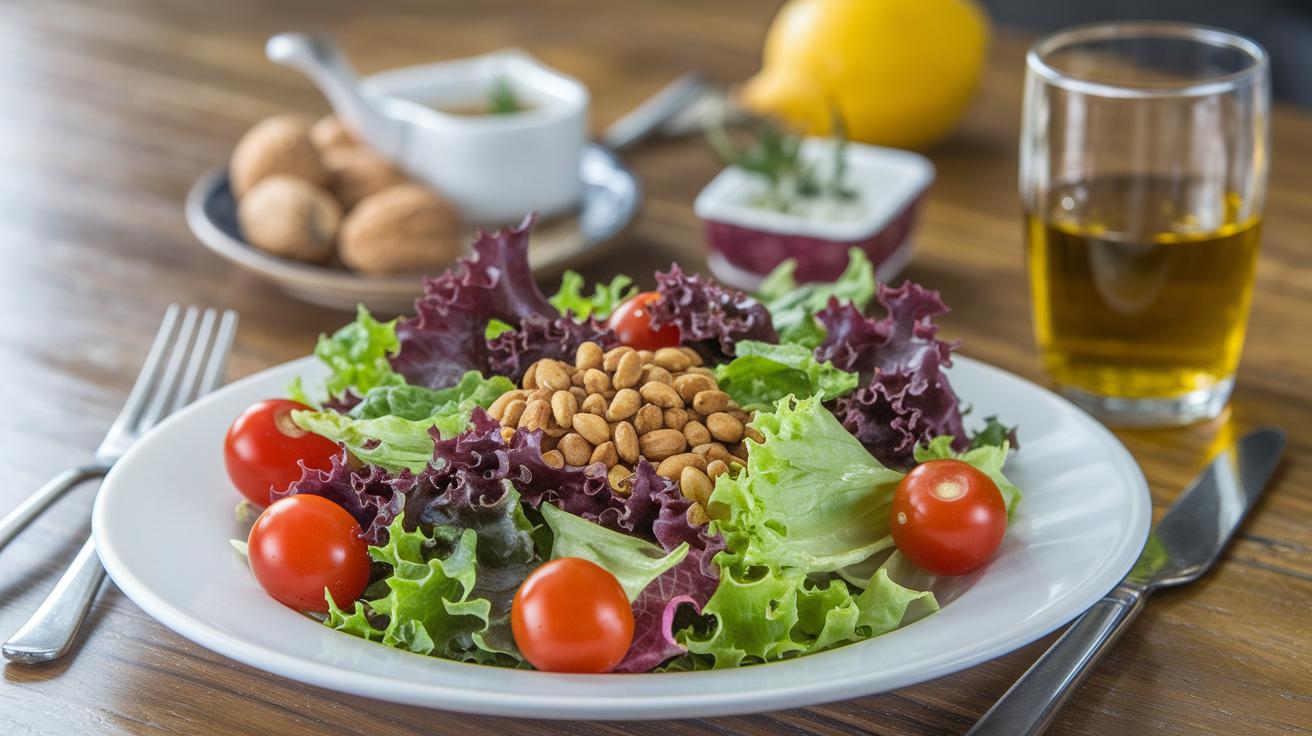
Incorporating these foods into your everyday life can lead to a more vibrant and healthy you. Imagine a bowl of mixed greens with a variety of veggies, a sprinkle of nuts, and a simple dressing made from olive oil, a little celebration for your heart. You might mix whole grains with beans in a hearty stew or enjoy a low-fat dairy snack with fresh fruit. Picture biting into a crisp apple that refreshes your body while fueling your well-being.
Lifestyle Habits to Lower LDL & Boost HDL Naturally

Regular exercise is a great way to support your heart health. Try simple activities like brisk walking, cycling, or even dancing. These moves help boost your HDL (good cholesterol) while lowering LDL and triglycerides. When you get moving, your blood flows more easily and your blood pressure may drop. Imagine stepping out for a quick walk and feeling a refreshing burst of energy. This routine not only keeps your heart strong but also brightens your day.
Giving up smoking is also key for a healthier cholesterol profile. Smoking fills your body with harmful chemicals that can lower HDL and make your heart work too hard. Quitting helps your blood circulate better, giving your heart a well-deserved break. Picture yourself breathing in fresh, clean air on a sunny morning, knowing you are taking a big step toward a vibrant, healthier life.
Mixing regular exercise and quitting smoking with other healthy habits brings lasting benefits. Adding simple techniques like stress relief, good sleep, and mindful moments can really boost your body's natural defenses. Think of it as tuning a finely crafted instrument where every small change helps create a smooth rhythm. These everyday habits help you feel more energized and secure about your heart health, proving that natural changes can truly make a big difference.
Monitoring Cholesterol: Testing Frequency & What Your Numbers Mean
Have you ever thought about when to check your cholesterol? Starting at age 20, it’s a good idea to get a blood lipid panel every 4 to 6 years. This test gives you an easy look at your heart health and helps you decide if a few small changes could make a difference. You might even plan your appointment for a bright spring morning when you feel ready to focus on yourself.
When your results come in, take a moment to compare them with the healthy ranges we mentioned earlier in the Understanding Healthy Cholesterol section. If one of the numbers seems off, your doctor might suggest a few tweaks to your eating habits or daily activities to help bring things back in line.
Interpreting Your Lipid Panel
For more details on what each number means – like your total cholesterol, LDL (the type that can clog your arteries), HDL (the good kind that helps keep your heart happy), and triglycerides (fats that give your body energy) – check out the Understanding Healthy Cholesterol section.
Evidence-Based Supplements & Therapies for Cholesterol Control
Many folks working to lower high cholesterol can do more than just change their lifestyle. For example, about 1.5 million Americans with a condition called familial hypercholesterolemia often use prescription statins. These medications lower the "bad" LDL cholesterol and have plenty of research supporting their use. Your doctor might explain that while statins are helpful, they may cause some side effects that can be managed together, kind of like tuning your body's natural balance with reliable tools.
Besides statins, a number of natural supplements can gently support healthy cholesterol. Plant sterols and stanols, for instance, help lower LDL by preventing it from being absorbed in your gut. Omega-3 fatty acids, found in fish oil and some plant oils, also work to reduce LDL while boosting heart health overall. Picture adding a sprinkle of ground flaxseed to your breakfast cereal, a tiny change that can really add up.
Mixing prescription treatments with natural supplements is a smart way to approach cholesterol control. By using both, you cover all your bases to keep your lipid levels in check. Always chat with your healthcare provider to find the best plan for you. This balanced strategy is all about making small, smart tweaks that add up for a healthier heart and a better overall well-being.
healthy cholesterol: Feel Great Today
Many assume high cholesterol will give clear warning signs, yet most people feel just fine until something big happens, like a heart attack or stroke. Think of it like a car that only shows a warning light when there’s already a major problem. This belief can keep people from getting regular check-ups, which are key to catching unhealthy cholesterol before things get serious. You might feel great one day while plaque slowly builds up in your arteries. Regular monitoring helps you spot these silent changes and take care of your heart before trouble strikes.
Some also think that the cholesterol in the food you eat is entirely to blame. But your liver makes cholesterol on its own, and it does important work like building cells and hormones that keep you strong. This means that eating cholesterol-rich foods isn’t the only reason your levels might be high. Your genes, how much you move, and other factors can also affect these numbers. By keeping up with routine screenings, you can feel good today while looking after your heart for the future.
Final Words
In the action, we explored cholesterol basics, heart care, nutrition tips, and easy lifestyle modifications that affect healthy cholesterol. The post broke down LDL and HDL differences, explained target numbers, and offered smart ways to adjust your diet and exercise routines. We even looked at testing, supplements, and cleared up common myths that can leave you confused about lipid health. Every tip shared can help you move closer to a life filled with better well-being. Keep moving forward with confidence and celebrate each step toward a healthier you!
FAQ
Q: What are the normal levels for LDL and total cholesterol in adults?
A: The normal levels indicate that LDL should be below 100 mg/dL and total cholesterol under 200 mg/dL. These values lower risks for heart issues and help you keep a healthy profile.
Q: What constitutes a healthy HDL cholesterol level and how can I increase it?
A: A healthy HDL, the good cholesterol, is above 40 mg/dL for men and over 50 mg/dL for women. Regular exercise and a heart-smart diet can help naturally raise HDL levels.
Q: How do cholesterol levels change by age?
A: Cholesterol levels often rise over time. While adults should aim for a total cholesterol below 200 mg/dL, age-based charts help guide expectations during routine wellness checks.
Q: How can cholesterol be lowered in a healthy way?
A: Lowering cholesterol is possible with a balanced diet, regular physical activity, and quitting smoking. These habits work together to reduce LDL and support overall heart health.
Q: What is VLDL cholesterol and why does it matter?
A: VLDL cholesterol is a type of lipid that carries triglycerides in your blood. High levels may lead to arterial buildup, so managing VLDL helps maintain a healthy cardiovascular system.