Ever notice how anxiety might be hiding a secret path to inner strength? Imagine your mind as a little garden that only needs some gentle care to feel calm and clear. When uneasy moments hit, try simple habits like deep breathing to calm your body or take a quick walk to clear your thoughts. In this article, I share easy tips to help slow down those racing feelings so you can face life with a refreshed spirit.
Essential Strategies for Managing Anxiety
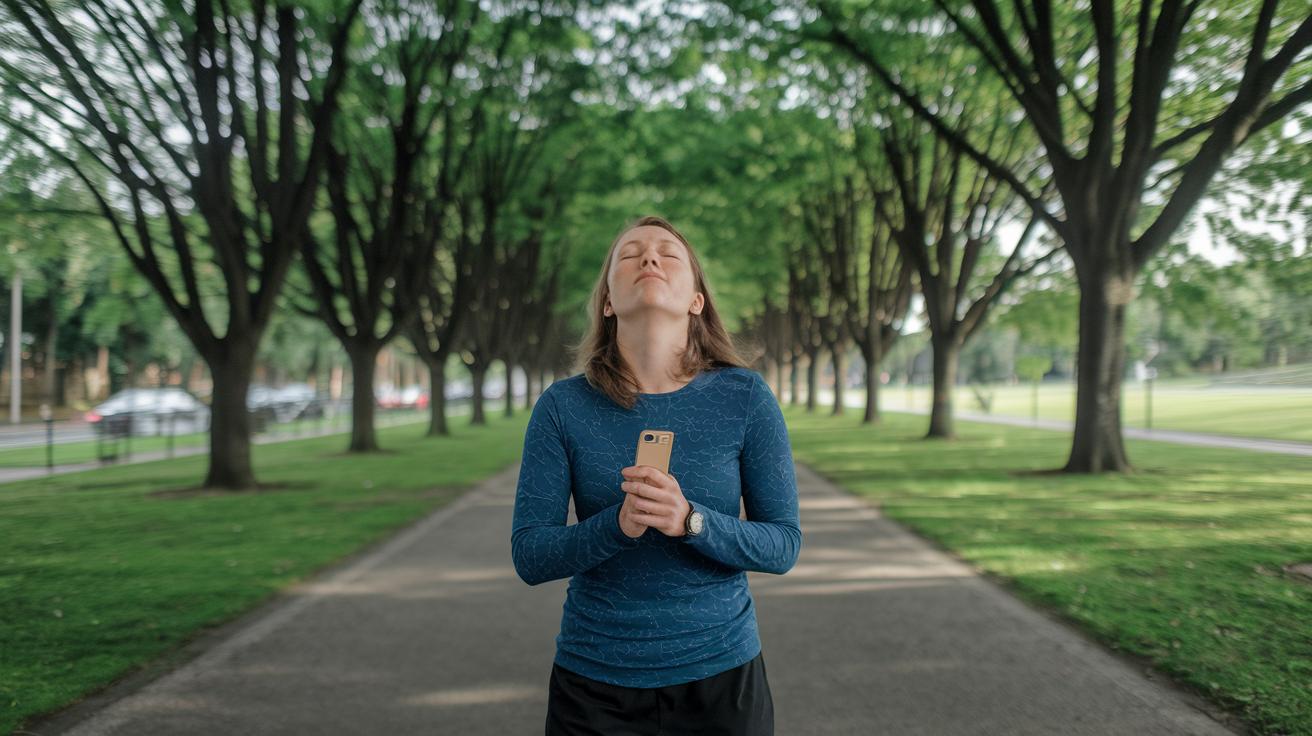
When anxiety starts to creep in, using a mix of simple techniques can really make a difference. Anxiety may pop up from many sources like test stress, travel jitters, or social events. Using different methods helps you stay ready for changes in mood and stops anxious thoughts from piling up. Sometimes, a brisk walk mixed with focusing on your breathing is just what you need to clear your mind.
Blending techniques means you aren't stuck using just one approach. Regular exercise, for example, helps your brain release feel-good chemicals, while mindfulness keeps your focus in the present moment. This combination of physical movement and calming practices gives you a handy way to handle stress as it comes along.
Here are some ideas to try:
- Ground yourself by using your five senses to break the cycle of anxious thoughts.
- Practice the 4-4-8 breathing exercise and try cyclic sighing to relax your nervous system.
- Use progressive muscle relaxation to release built-up tension.
- Bring mindfulness into daily tasks, like enjoying your food or noticing each step when you walk.
- Engage in aerobic activities, such as jogging or cycling, to help steady your mood.
- Take small cognitive steps like writing down your thoughts and changing negative ideas.
- Reach out early to friends or join a support group when stress starts to show.
Combining these self-help strategies creates a routine that brings quick relief and builds lasting calm. When you mix movement, mindful breathing, relaxation, and positive thinking, you're better equipped to manage anxiety now and in the future.
Handling anxiety: Embrace Calm and Clarity
Everyday moments can sometimes bring on anxiety. Things like tests, public speaking, or being in a crowded room might make your heart race or give you a headache. Your body could also feel upset in the tummy, have a hard time sleeping, or feel those tight muscles. Noticing these signs early is a great step toward feeling better.
It’s not just your body that lets you know something’s up; your mind does too. When thoughts start racing, or you feel grumpy or distracted, that’s your mind asking for a break. Taking a minute to breathe deeply or just sit quietly can help slow those racing thoughts down.
Keeping a little journal or checklist where you jot down how you feel during the day can really help. Over time, you might spot patterns in your body or mood that tell you what sets off your anxiety. Knowing your triggers makes it easier to find ways to calm yourself. Small steps like these can build up to a longer-lasting sense of peace.
Mindfulness and Breathing Techniques for Anxiety Relief
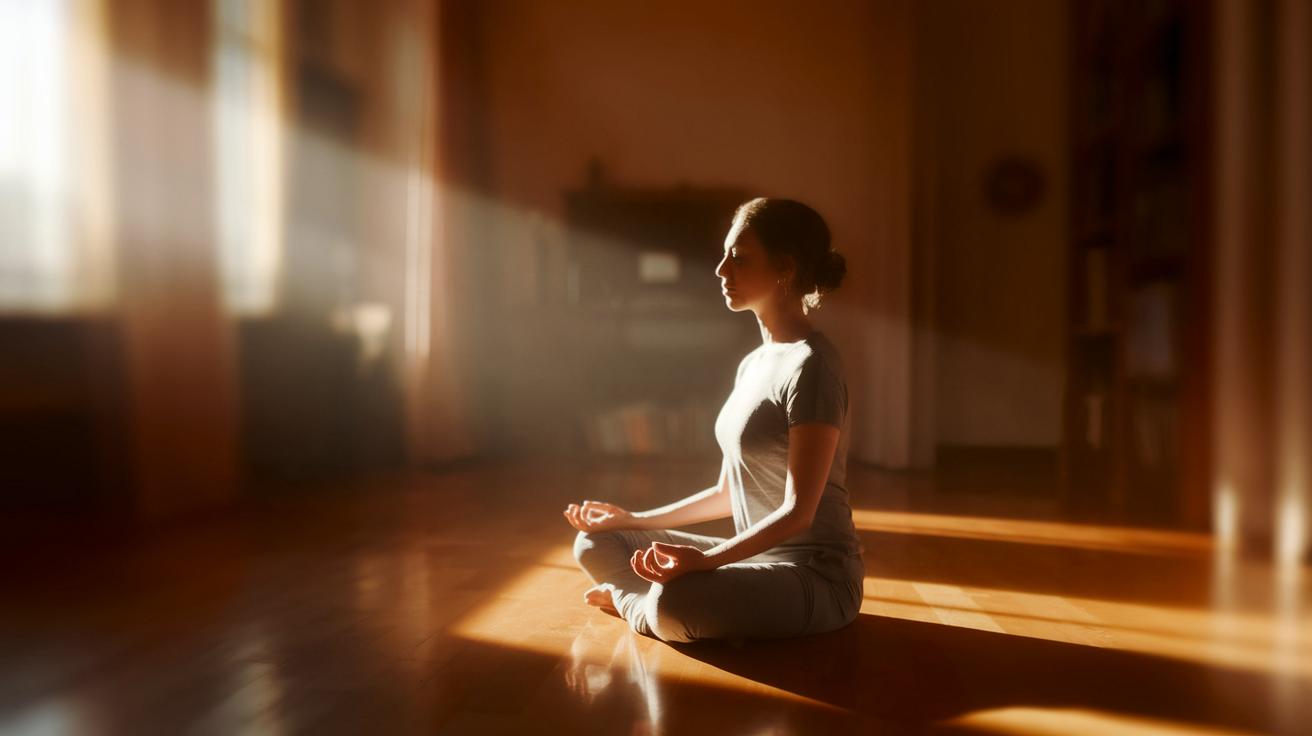
Recent studies show that focusing on the present using your senses can lower stress and help you feel calmer. Imagine feeling the cool texture of a leaf, hearing the soft sound of traffic in the distance, smelling fresh rain, or tasting a sweet apple. Researchers have found that this kind of mindful noticing helps your brain manage emotions better.
Take a few quiet minutes to really tune into your surroundings with all your senses. Look around and pick one detail you can see, listen for any gentle sounds, and notice the little scents and textures nearby. Adjusting your posture and giving yourself gentle reminders can make this practice even more effective, setting the stage for a more peaceful state of mind.
Find a comfy spot in a quiet space and start with deep, steady breaths. Try the 4-4-8 method: breathe in slowly for 4 seconds, hold it for 4 seconds, and then breathe out for 8 seconds. As you go through the cycle, gently tense your muscles one by one. Start at your toes, hold that tension for about 3 seconds, and then let go completely. Slowly move up through your calves, thighs, belly, chest, and then your arms and shoulders. Each time you exhale, focus on releasing any built-up tension.
Lifestyle Modifications to Reduce Anxiety Naturally
Regular exercise doesn’t just make your body stronger. It helps your brain release happy chemicals like serotonin, dopamine, and endorphins that lift your mood and ease your anxiety. Keeping a steady sleep routine in a dark, quiet room can also make a big difference. You might try a brisk walk or a light jog with short breaks to keep your energy even. Over time, these changes in movement and rest can boost your overall sense of well-being.
Eating a balanced diet is another key step. Foods rich in omega-3 fats, like salmon or flaxseed, and magnesium-loaded choices such as leafy greens and nuts help keep your mood steady. Cutting back on processed sugars is also smart for balanced energy. Think of your meals as little moments of self-care, each bite you take makes your body healthier and helps calm your mind. Small swaps, like trading sugary snacks for a handful of nuts or a fresh salad, can really add up.
Staying connected with friends and loved ones pairs nicely with these healthy habits. Limiting caffeine and alcohol helps your body stay balanced, while gentle herbal aids like chamomile, lavender, or lemon balm can bring a sense of calm, whether enjoyed as a warm tea or simply inhaled for their soothing aroma. Mixing social support with these mindful changes creates a network that not only eases anxiety right away but also builds lasting stress relief.
Cognitive Behavioral and Therapeutic Approaches to Handling Anxiety
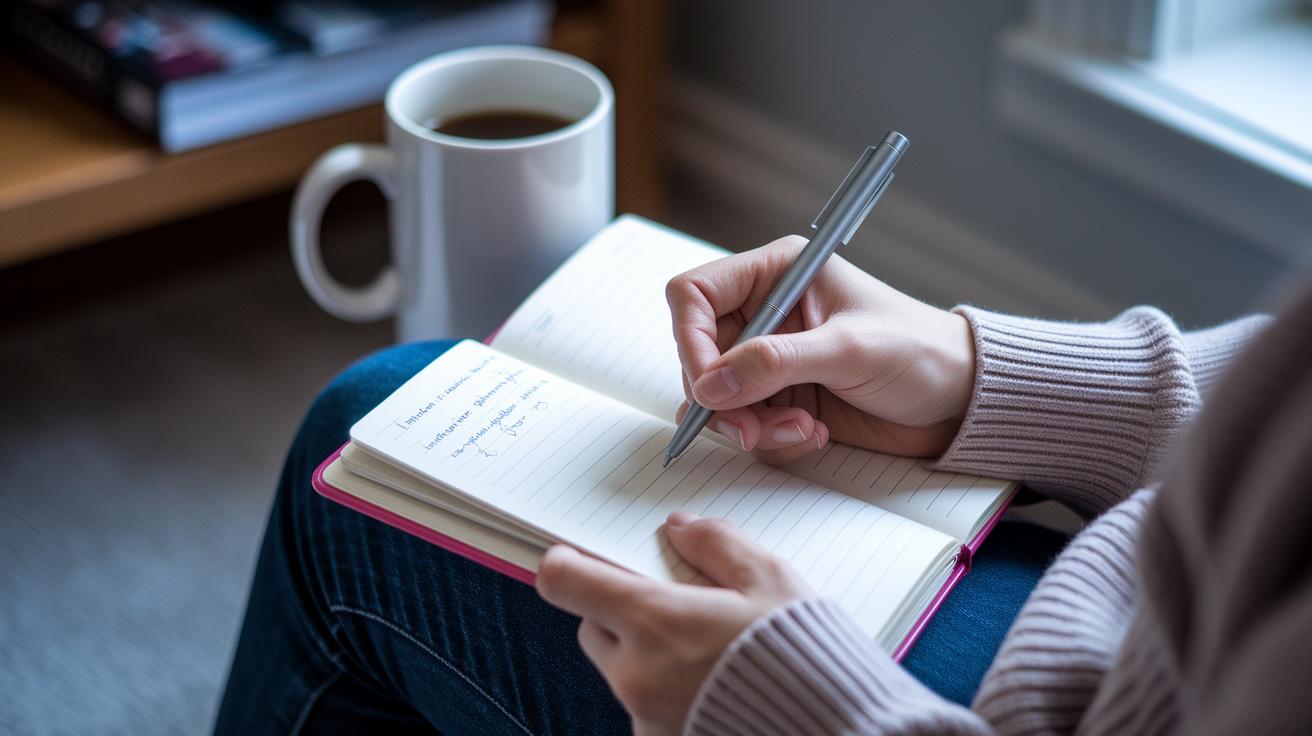
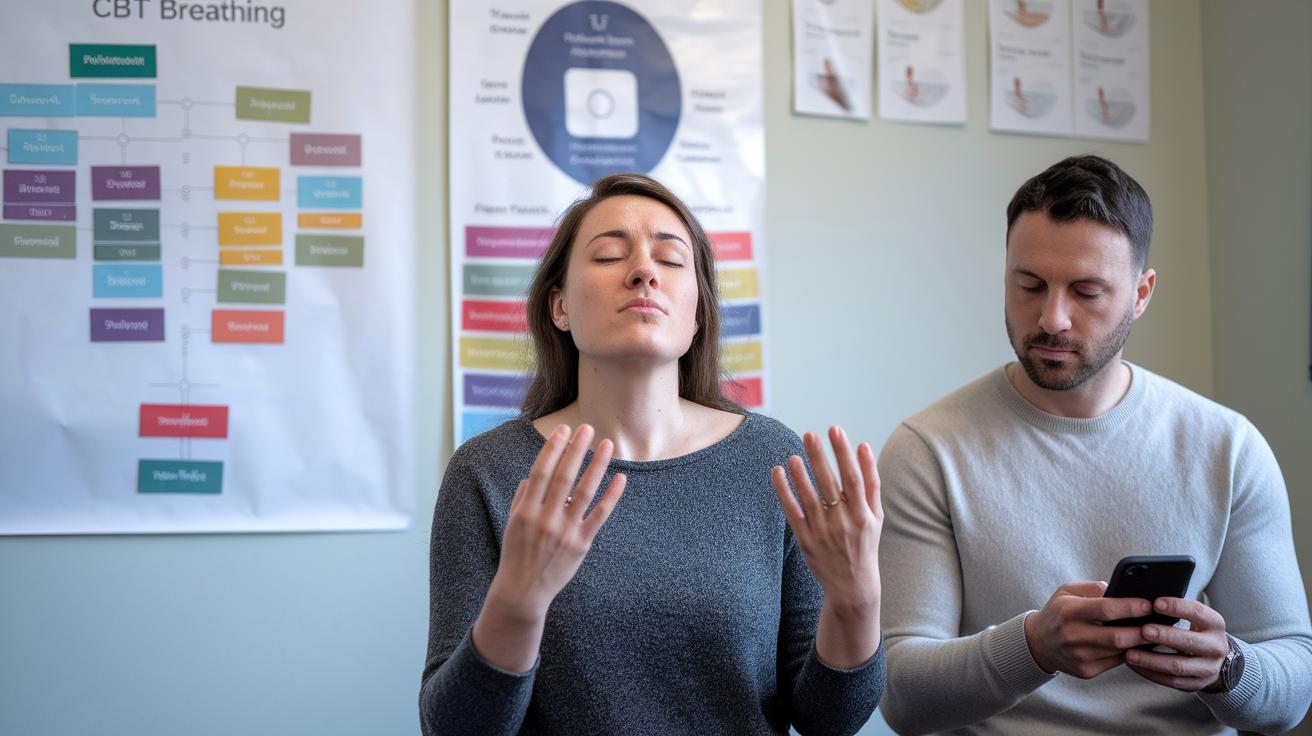
CBT helps you spot the thoughts that fuel your anxiety and then gently shift them. You might use a simple tool like a thought record, where you jot down what worries you, and try small experiments to test your fears in a safe way. For example, if talking in front of a group makes you nervous, you can write down your thoughts and slowly practice speaking in cozy, low-pressure places. Part of this method is about adding calm activities and small breaks into your day so you can turn bleak ideas into gentler, more balanced ones.
If you ever feel like self-help isn’t enough, chatting with a mental health professional can really help. They use CBT or exposure therapy to craft a plan that fits you personally. Plus, they can help you track your progress and tweak your approach as you go along. This kind of supportive, structured plan works especially well when anxiety starts to seep into everyday routines, giving you a solid backup when you need it most.
Natural Supplements and Remedies for Anxiety Control
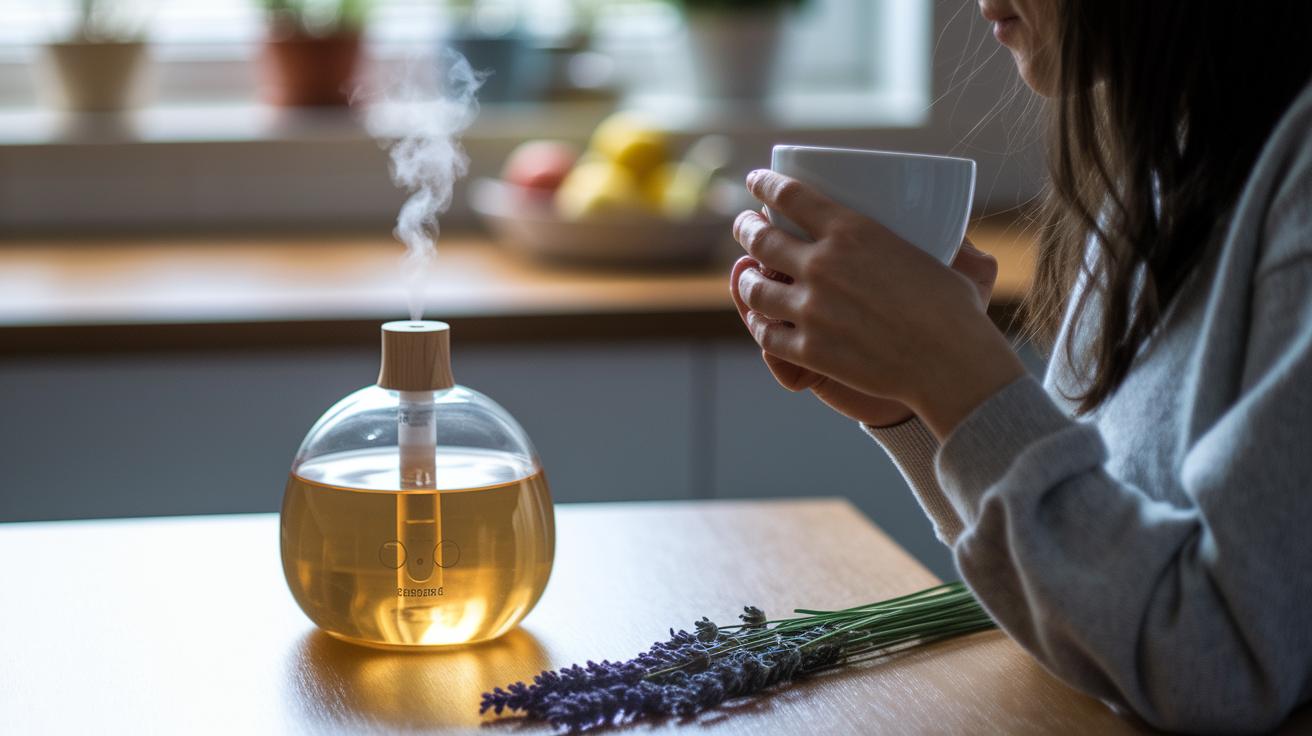
Chamomile, lavender, and valerian root are popular choices for easing anxiety in a natural way. Research shows that these herbs can help calm you when used as tea or in essential oil form. For instance, brewing a warm cup of chamomile tea, about one to two cups a day, can become a comforting daily ritual that helps you pause and relax.
Lavender oil is another friendly helper. Using two to three drops in a diffuser or gently inhaling its scent can quickly turn your space into a peaceful retreat. It’s like giving your room a little makeover that whispers calm and quiet to your mind.
These natural options work without the side effects some medicines might bring. They help soothe your nerves and create a gentle environment for stress relief. It’s a simple, medication-free way to feel a bit more at ease in your day.
Adding nutrients like magnesium and B-complex vitamins can further support your body’s ability to handle stress. Magnesium, in a dose of 200 to 400 mg a day, helps keep your mood steady. B vitamins also play a key role in managing stress because they help keep your nervous system in balance. Just remember, it’s a good idea to check with your healthcare provider before you start any new supplements, especially if you’re on other medications.
Following these practical ideas can lead you on a natural path toward feeling calmer and clearer in your mind.
Techniques for Managing Panic and Acute Anxiety Episodes
Panic attacks can come on fast, sometimes reaching their peak in about ten minutes. When you start to feel quick breathing, a tight chest, sweating, or light-headed, these steps can help you find relief right away. They’re meant for those intense moments and serve as a quick fix while you work on longer-term anxiety strategies.
-
First, try noticing five things you see, four things you feel, three things you hear, two things you smell, and one thing you taste. This simple grounding trick helps keep you in the here and now. For example, you might say to yourself, "There’s that bright red door across the room."
-
Next, give box breathing a go. Breathe in for 4 seconds, hold your breath for 4 seconds, breathe out for 4 seconds, and then wait for another 4 seconds. This steady cycle can help bring your body back to an even pace.
-
Another idea is to do some muscle-release exercises. Tense each muscle group one at a time, starting from your head and moving down to your toes, then slowly let go. Picture the tension leaving your body with every breath.
-
You can also use visualization to remember a safe, calm spot. Think of a quiet beach or a peaceful garden; picturing this place can help slow your heart rate.
-
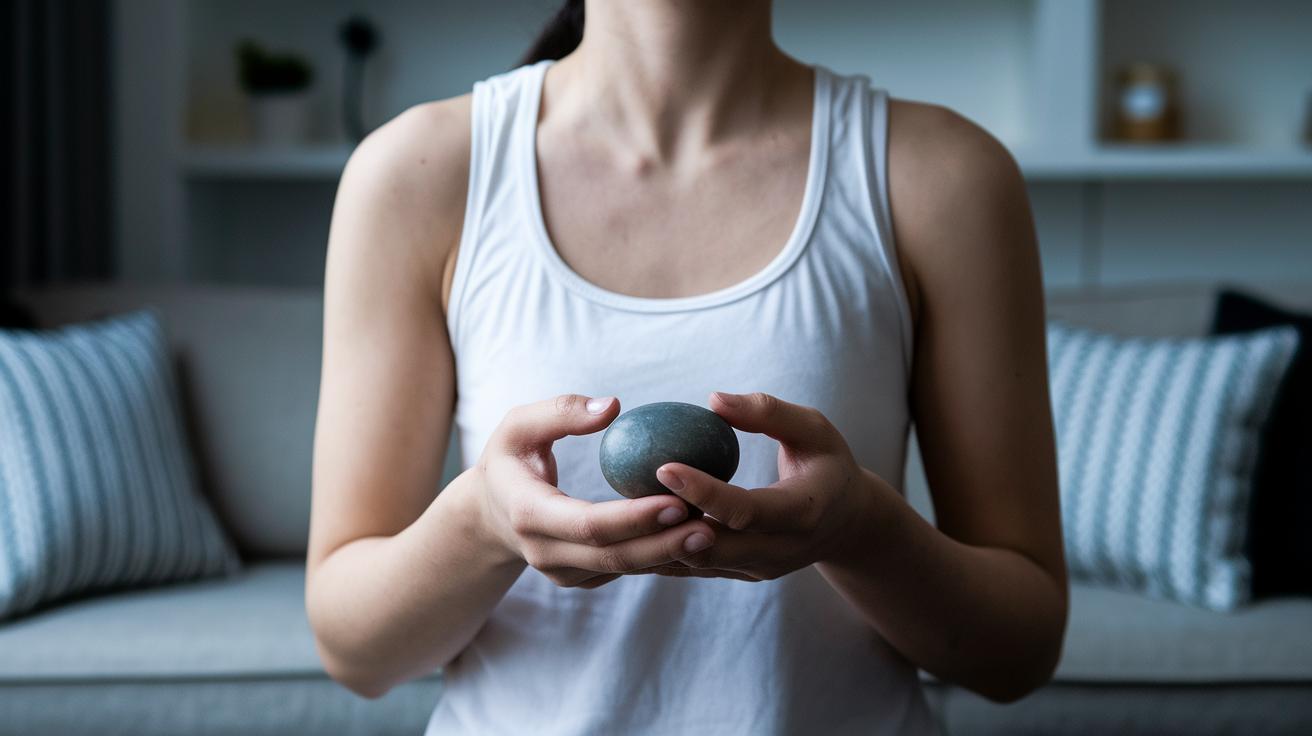
If you can, try taking a short walk or focusing on something with texture, like a smooth stone. Shifting your attention to a physical object can ease those internal worries.
Practicing these steps when you’re calm makes them even more effective during stressful times. By adding them to your daily routine, you can feel better prepared to manage panic and build a steady awareness for handling anxiety.
Final Words
In the action of adopting practical methods, you see how a mix of mindful breathing, muscle relaxation, and simple physical activity helps calm your mind. These strategies combine self-help tips, thoughtful tracking, and lifestyle adjustments to guide you toward lasting ease.
Using everyday tactics like grounding exercises and mindful routines, handling anxiety becomes a manageable part of your daily life. Embrace these steps and celebrate small wins, knowing that every bit of practice brings you closer to a calmer, more balanced state. Enjoy your path to better living.
FAQ
How can I reduce or calm down anxiety immediately?
Reducing and calming anxiety immediately can be achieved with deep breathing exercises, mindfulness techniques to ground you, and using sensory cues to refocus your attention on the present.
How can I deal with anxiety when I’m alone?
Dealing with anxiety when alone means using self-soothing methods like slow breathing, mindfulness, gentle exercise, and possibly reaching out to friends online for a supportive chat.
What are five ways to deal with anxiety?
Five ways to handle anxiety include practicing breathing exercises, using grounding techniques through your senses, engaging in physical activity, challenging negative thoughts, and talking with someone you trust.
How can I stop anxiety thoughts?
Stopping anxiety thoughts involves refocusing your mind using mindfulness and gentle cognitive techniques that help you notice and ease away persistent, worrisome ideas.
How should I deal with anxiety and depression together?
Addressing both anxiety and depression involves combining self-help methods like mindfulness and exercise with seeking support from trusted individuals or professionals when needed.
How do I manage anxiety without medication?
Managing anxiety without medication means embracing natural strategies such as deep breathing, gentle mindfulness practices, regular physical activity, and reaching out for social support.
What are common anxiety symptoms?
Common anxiety symptoms can include a fast heartbeat, muscle tension, headaches, stomach discomfort, racing thoughts, and difficulty focusing on tasks.
What is the 3 3 3 rule for anxiety?
The 3 3 3 rule means naming three things you see, three sounds you hear, and repeating a calming phrase three times to help ground and calm your mind during anxious moments.
How can I deal with extreme anxiety?
Dealing with extreme anxiety calls for quick grounding techniques, structured breathing, and reaching out for immediate support from a trusted friend or mental health professional if needed.
What is considered the most serious form of anxiety?
The most serious form of anxiety is often seen in cases like panic disorder, where intense, sudden fear and physical symptoms can significantly disrupt daily activities.