Have you ever wondered how one workout can make your whole body feel strong while boosting your energy? In just 35 minutes, you can complete nine different moves that work multiple muscles at once.
Using a pair of dumbbells, you target important muscle groups to build strength, improve your flexibility, and burn calories. This routine also gives your endurance a fun challenge with low-impact cardio, leaving you feeling refreshed and fit.
Let’s chat about how a balanced full-body workout can change your exercise routine and help you move toward your fitness goals faster.
Full Body Exercise Routines for Balanced Strength, Flexibility, and Fitness
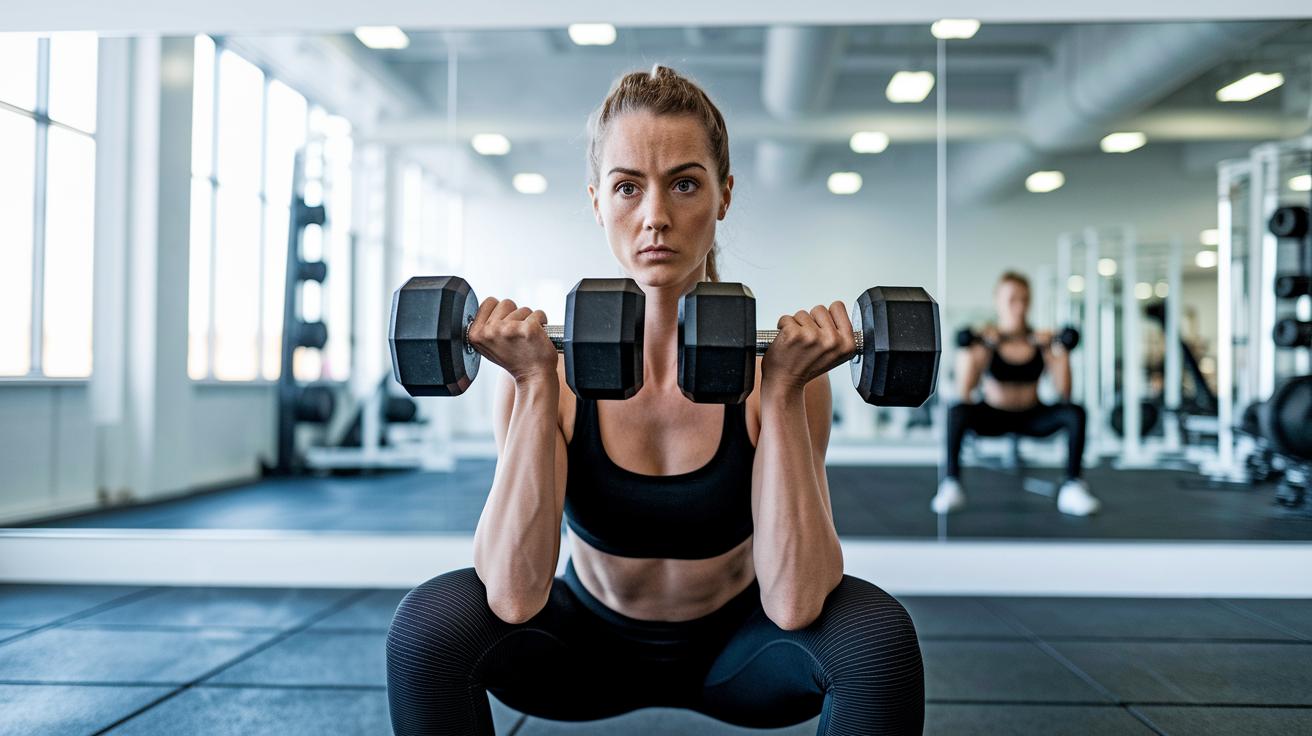
A typical workout lasts about 35 minutes. It starts with nine compound moves that work several muscle groups at once. After these moves, you finish with some low-impact cardio to boost your energy. You use dumbbells weighing between 5 and 25 lbs, most folks go for 15 to 25 lbs to suit their strength. For example, a Dumbbell Front Squat works your legs, core, and back all with one smooth move. Did you know that one squat can engage over 80 muscles?
This plan isn’t just for building muscle. It also stretches your body and burns calories. The routine is set up so that every major muscle group gets a workout twice each week. Research shows this method can help you see progress faster than working out only once a week.
You can choose to do this workout two, three, or four days per week, depending on your busy schedule and how much rest you need. A two-day split might mean full body sessions on different days, while a three- or four-day plan spreads the workouts into shorter, focused sessions. This makes every session manageable and effective.
With these full body routines, you build strength and boost flexibility at the same time. Every session feels like a fresh start that mixes muscle work with calorie-burning moves, leaving you feeling strong, fit, and ready for more.
Sample 35-Minute Full Body Exercise Routine with Dumbbells
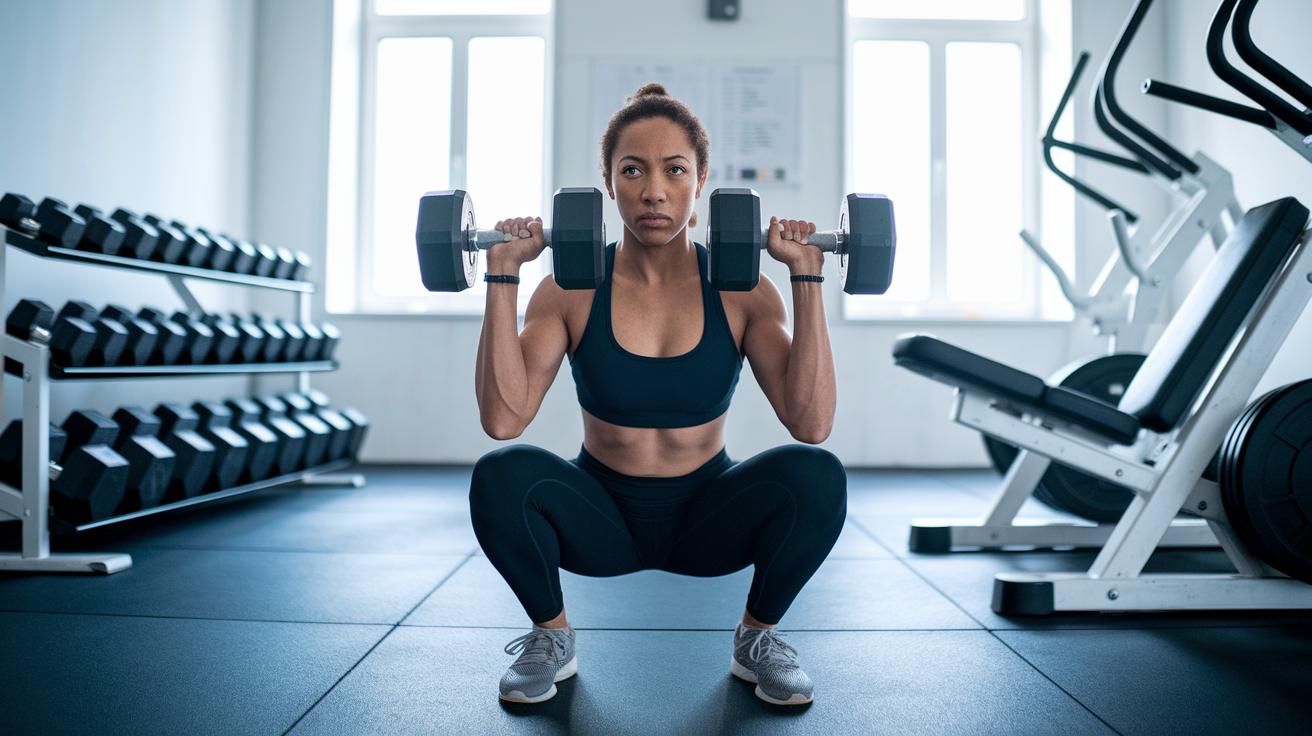
This 35-minute workout is a fun way to work your whole body with dumbbells. Start by picking up a pair of medium-to-heavy dumbbells (between 15 and 25 lbs) that match your strength. Stand with your feet shoulder-width apart, keep your back straight, and move slowly as you lower and raise the weights. For example, during your Dumbbell Front Squat, picture yourself slowly sinking into a chair that gently challenges your balance.
Each exercise in this circuit works several muscle groups at once. The moves include Dumbbell Front Squat, Dumbbell Back Row, Dumbbell Lunges, Bicep Curl & Shoulder Press, Romanian Deadlift & Clean, Dumbbell Chest Press, Dumbbell Glute Bridge, Skull Crushers, and Dead Bug. Feel free to adjust your stance as needed, and keep a steady pace to build strength and boost endurance.
To finish, enjoy a three-minute low-impact cardio burst. You can choose to march in place or do a simple step-touch to raise your heart rate without overdoing it. This routine is designed to be efficient and effective, helping you build strength while improving flexibility.
| Exercise | Primary Muscles |
|---|---|
| Dumbbell Front Squat | Legs, Core |
| Dumbbell Back Row | Upper Back, Biceps |
| Dumbbell Lunges | Quads, Glutes |
| Bicep Curl & Shoulder Press | Biceps, Shoulders |
| Romanian Deadlift & Clean | Hamstrings, Lower Back |
| Dumbbell Chest Press | Chest, Triceps |
| Dumbbell Glute Bridge | Glutes, Hamstrings |
| Skull Crushers | Triceps |
| Dead Bug | Core |
Full Body Exercise Routines: Feel Strong and Fit
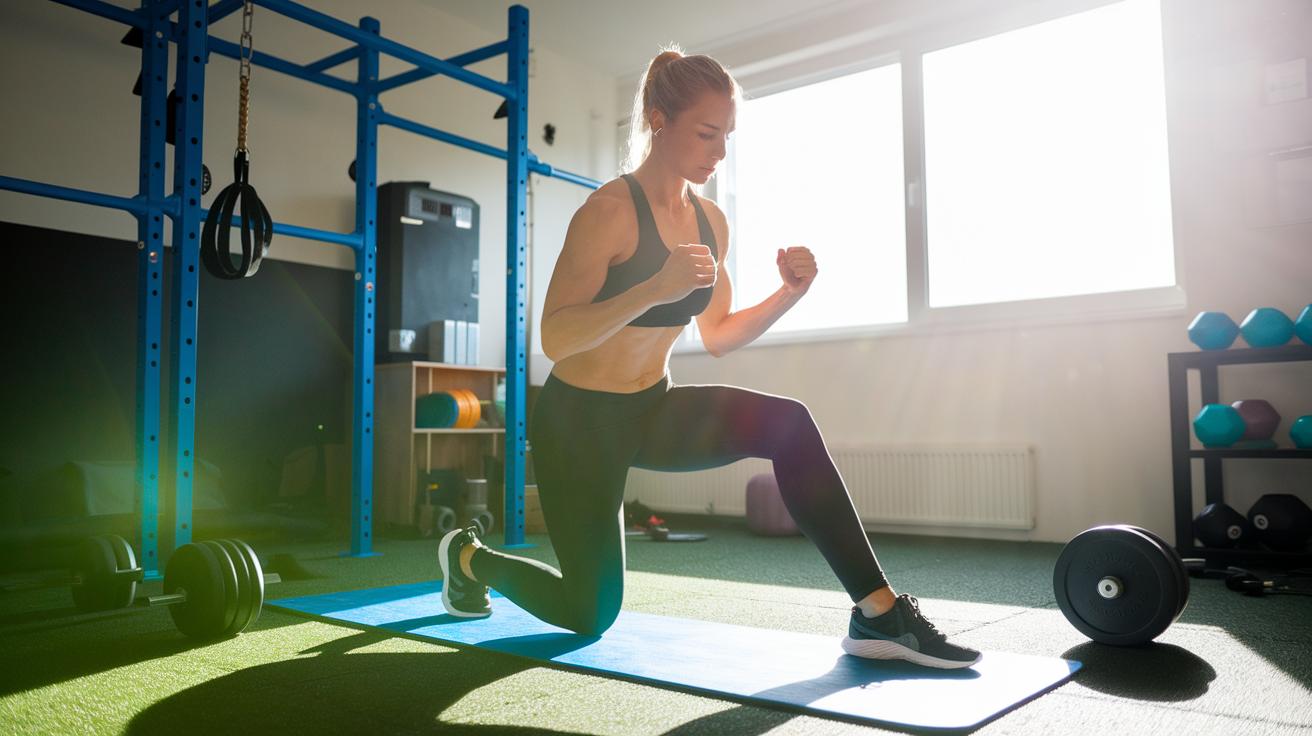
You can set up a workout plan that fits right into your busy life. For example, a 2-day split might have you working out on Tuesday and Friday. This way, you enjoy plenty of rest days even when your schedule is full.
A 3-day split is another great option. You could exercise on Monday, Wednesday, and Friday, giving your muscles a steady boost each week. It's a friendly pace that helps you build up strength with regular practice.
If you prefer more frequent but lighter sessions, try a 4-day split. This means working out on Monday, Tuesday, Thursday, and Friday. With shorter sessions each day, you can focus on getting your moves just right while keeping fatigue low.
Full Body Exercise Routines for All Fitness Levels

Beginner Full Body Routine
Start with simple moves like squats and Romanian deadlifts. Do 3 sets of 6-8 reps and focus on your form while keeping a steady pace. Rest about 60 seconds between sets so your muscles can catch a quick break. Imagine lowering yourself slowly into a squat with your back straight. This calm, controlled movement helps you learn proper posture and builds strength day by day.
Intermediate Full Body Routine
Now that you have a good base, it’s time to mix things up a bit. Increase the weight and adjust your speed, doing 3 sets of 8-10 reps. Try pairing exercises together, like moving straight from squats to Romanian deadlifts without a long rest. This approach not only keeps your workout fun but also boosts your endurance. You might notice that a slow squat down followed by a quicker rise makes all the difference. Keeping track of your progress helps you see improvements and know when it’s time to push a little harder.
Advanced Full Body Routine
When you're ready for a tougher challenge, choose heavier weights and lower your rep range to 3 sets of 4-6 reps. Add more complex movements like the clean-and-press or kettlebell swings so you can work multiple muscles at once. You can also mix in techniques like dropsets or changing how fast you move to keep your workout fresh. Even as you work hard, pay attention to your form, especially when you're tired. Writing down your sets and reps helps you see how well you're doing and decide when to step up the challenge.
Equipment Options for Full Body Exercise Routines
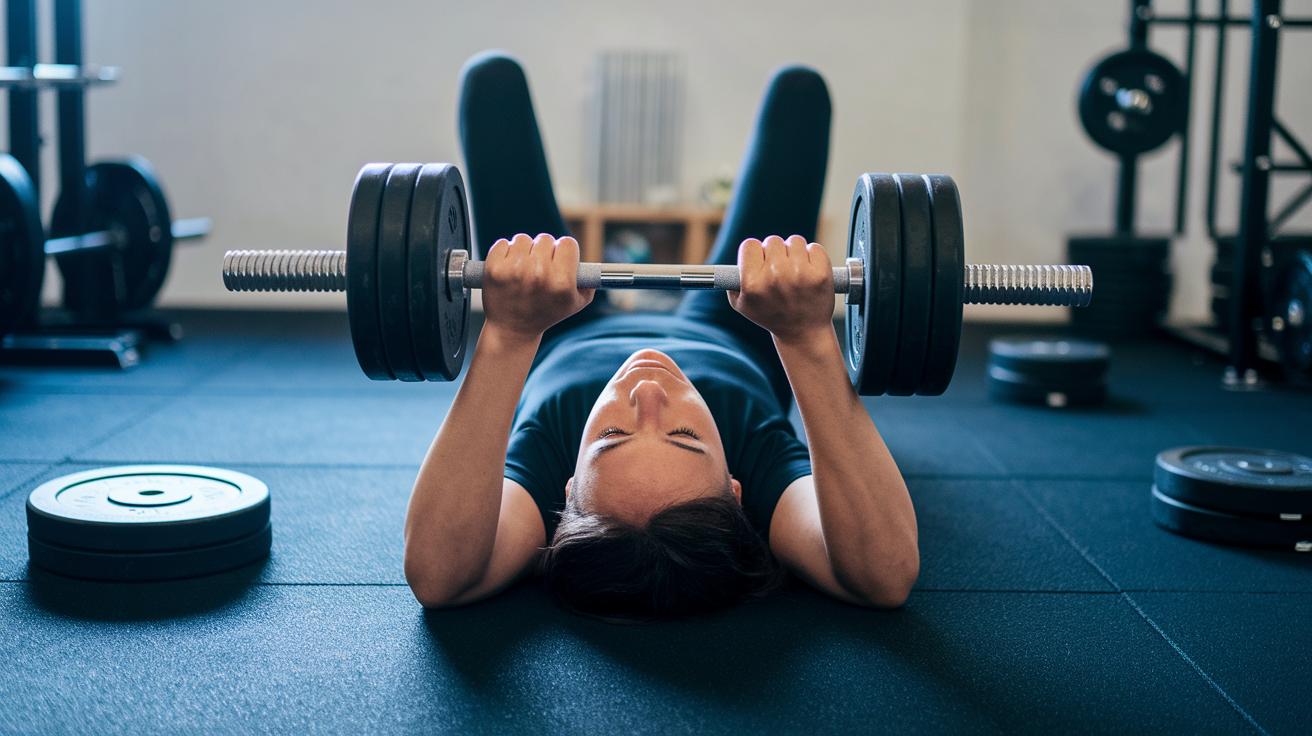
Dumbbells in the 5 to 25-pound range are great for many workouts like presses, rows, and squats. Many people go for the 15 to 25-pound option, so you can pick a weight that suits your strength. Imagine holding a cool piece of metal in your hands as you do a dumbbell press, feeling your chest and triceps work every push.
Kettlebells add a really fun, dynamic twist to your routine. They are perfect for swings, goblet squats, and even one-sided exercises. It’s almost like getting into a steady rhythm, where you can feel your hips and legs working in sync, improving your balance and coordination.
Barbells are your choice when you’re ready to take on a challenge. They work well for moves like deadlifts, squats, and bench presses. With barbells, you can steadily add more weight by using extra plates, which is really satisfying when you feel your strength growing.
Bodyweight exercises like push-ups, air squats, and lunges need no special gear at all. That makes them awesome if you are traveling or have limited space at home. Resistance bands also come in handy, they are light and portable, providing adjustable tension so you can do rows, presses, or leg work almost anywhere.
- Dumbbells: Versatile with adjustable weights
- Kettlebells: Add a dynamic twist and boost balance
- Barbells: Great for heavy lifts and building strength
- Bodyweight: No equipment needed, perfect for any space
- Resistance Bands: Portable with flexible resistance
Warm-Up and Cool-Down Strategies for Full Body Exercise Routines
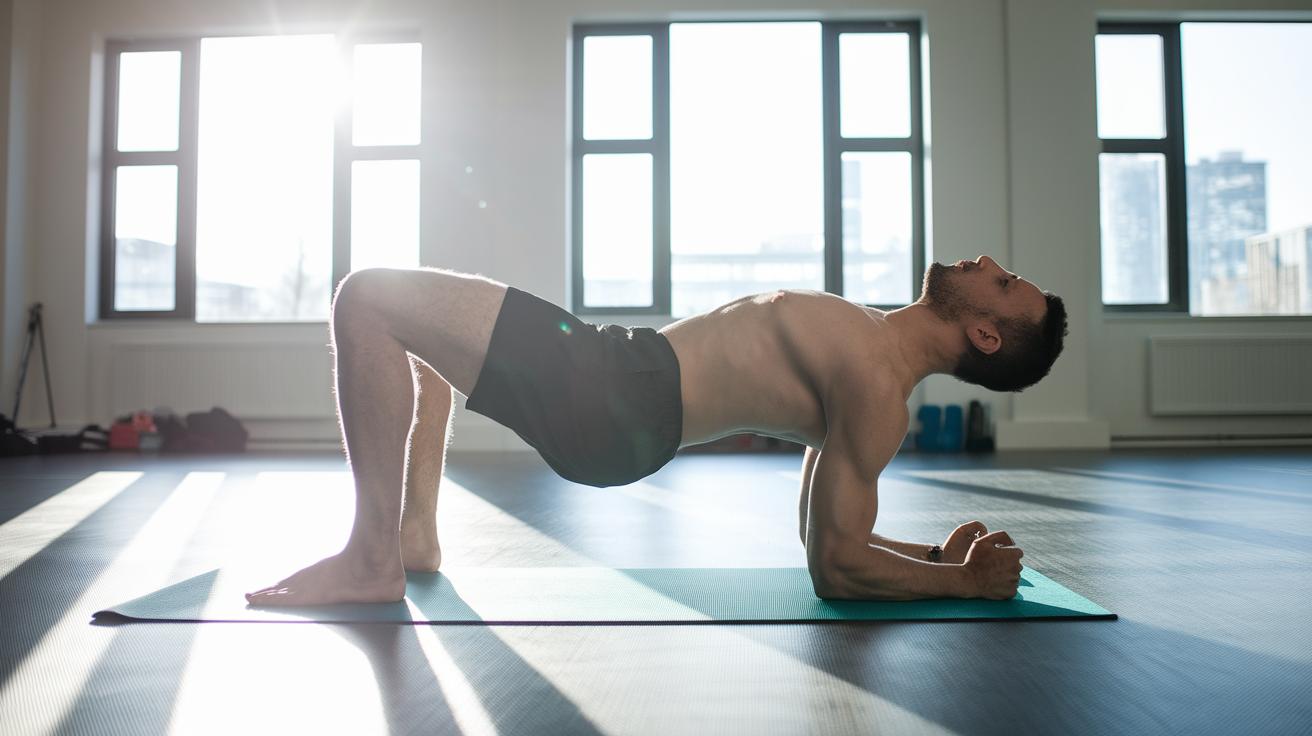
When you start your workout, take five to ten minutes to warm up with simple, moving exercises. Try doing leg swings, arm circles, and hip openers. Imagine gently swinging your leg like a smooth pendulum, it wakes up your muscles and gets your joints ready for the work ahead.
Then add a few moves to boost your mobility. For example, do glute bridges, shoulder dislocates, and some controlled hip rotations. These exercises can help ease stiffness and make your workout feel more natural by improving your range of motion.
After your workout, spend another five to ten minutes cooling down with slow, static stretches. Focus on your hamstrings, quads, chest, and upper back. Stretch gently and take deep breaths. This cool-down not only lowers your heart rate but also helps your muscles recover, leaving you feeling refreshed and ready for your next session.
Key Tips to Maximize Full Body Exercise Routines

When you plan your workout, a little smart strategy goes a long way. Try taking a break of about 60 to 90 seconds between your sets. Imagine pausing for a short, refreshing moment during a fun game, this helps you keep your energy without slowing down.
Another friendly tip is to keep a simple journal of your weights, sets, and reps. Write down something like, "I pressed 20 lbs for three sets of eight" so you can see how you're improving over time. This little log helps you know when and how to up the challenge.
Focus on moves that work more than one muscle at a time. Think of exercises like squats, presses, and rows. When you do them, move in a steady pace and always remember to tighten your core. Picture your muscles working together with each move. And if you need a gentler routine, you can try low impact twists or even swap in a bit of HIIT to keep the energy up.
- Rest 60-90 seconds between sets
- Log your weights, sets, and reps to track progress
- Focus on moves that work many muscles at once
- Change up your routine for a lighter impact if needed
Final Words
In the action, this article walked you through a practical plan that fits many schedules. It covered a 35-minute circuit of compound moves, detailed warm-up and cool-down strategies, and multiple splits to match your recovery needs.
We also explored exercise tools like dumbbells, kettlebells, and more. The ideas here show how full body exercise routines can support balanced strength, flexibility, and fitness improvements. Keep moving forward, and have fun with your workouts!
FAQ
Frequently Asked Questions
Q: What information does a full body exercise routine PDF provide?
A: A full body exercise routine PDF outlines a series of compound moves with clear instructions, rep schemes, and scheduling tips to help you build strength and improve fitness at your own pace.
Q: How do full body exercise routines with weights work for men and women?
A: Full body exercise routines with weights target multiple muscle groups using dumbbells or barbells, offering scalable options that work well for both men and women at various fitness levels.
Q: How can I do a full body workout routine at home?
A: A full body workout routine at home uses bodyweight exercises or simple weights to hit key muscle groups, making it easy to train effectively without needing a gym.
Q: What are full body exercise routines for beginners?
A: Full body exercise routines for beginners focus on basic compound lifts with lighter weights and manageable reps, helping you build a solid foundation while perfecting your form.
Q: What is a good full-body workout schedule?
A: A good full-body workout schedule typically includes 2 to 4 sessions a week, ensuring every muscle group is worked and given enough time to recover for steady progress.
Q: What does the 5 5 5 30 exercise involve?
A: The 5 5 5 30 exercise involves performing five repetitions of several moves in circuit order and ends with a 30-second burst of low-impact cardio to keep your heart rate up.
Q: What is the 3-3-3 rule gym?
A: The 3-3-3 rule in the gym means doing three sets of three key exercises, balancing the workload among different muscle groups for an efficient, full-body training session.
Q: What is the 5 4 3 2 1 workout method?
A: The 5 4 3 2 1 workout method uses a descending rep scheme starting with five repetitions and gradually lowering each set, which helps pace your effort while maintaining workout intensity.