Ever wondered if a few simple moves could help ease your lower back pain? Every year, nearly two million people hurt their backs, and your spine works like a strong pillar that holds everything in place. Strengthening the muscles around your spine can make a big difference.
In this chat, we'll share six safe exercises that you can try at home. Each exercise has simple steps designed to help support your lower back and give you more comfort exactly when you need it.
Imagine the relaxing feeling after a gentle stretch that brings warmth and relief. Have you ever felt that subtle ease after a little exercise? Give these moves a try, and enjoy the steady support that comes from taking care of your body.
Core Exercises to Strengthen Your Lower Back
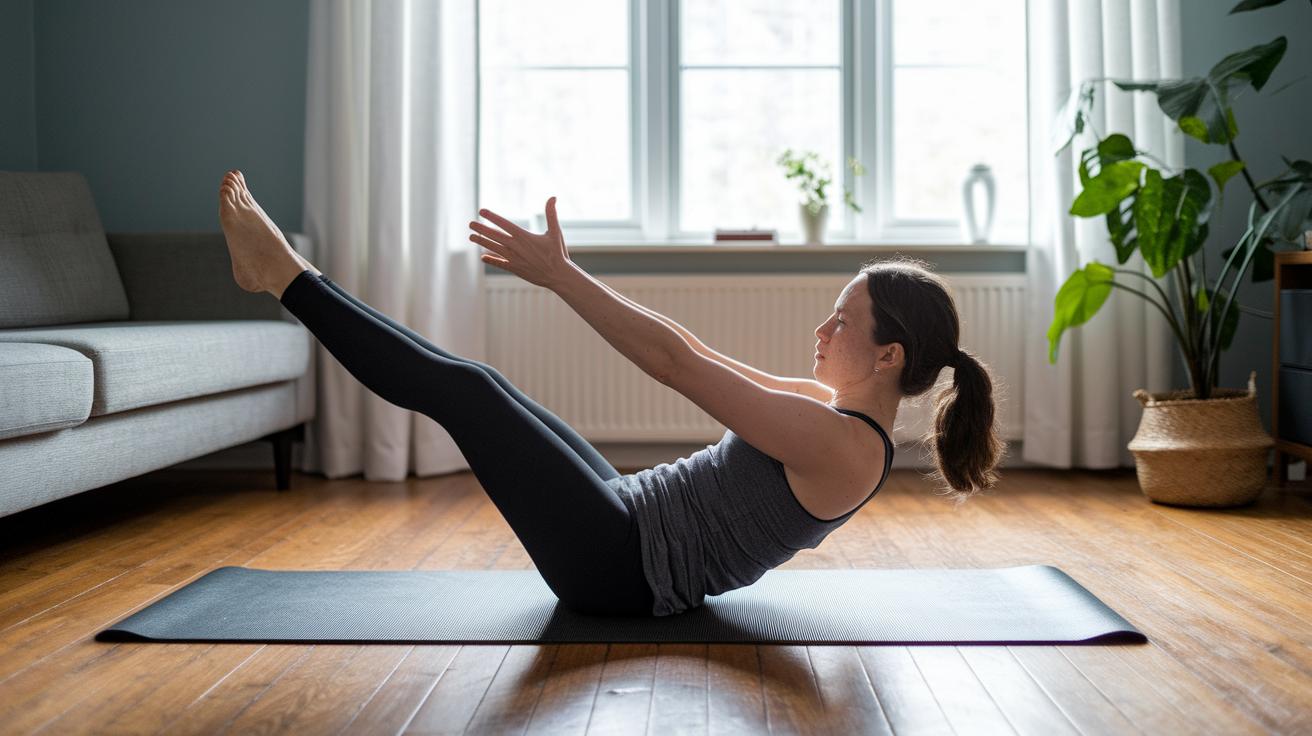
Nearly two million people hurt their backs each year. The good news is that you can help by building the muscles that keep your spine steady. Here are six simple exercises that guide you step by step:
• Bird Dog
Start on your hands and knees with your shoulders above your wrists and your hips above your knees. Pull your tummy in, then slowly extend your right arm forward while stretching your left leg back. Hold it for about 15 seconds, then switch to the other side. Do this three times. Think of it like forming a balanced cross, steady yet full of energy.
• Hip Bridges
Lie on your back with your knees bent and your feet flat on the floor. Gently lift your hips upward while squeezing your buttocks. Pause for a moment at the top before lowering your hips back to the floor. Try for three sets of 10 to 15 reps. Picture your hips lifting like a smooth, gentle wave that builds strength from within.
• Superman
Lay face down on a mat with your arms and legs outstretched. Then, lift your arms, chest, and legs off the floor and hold for 10 to 15 seconds. Do this three times to work both your upper and lower back muscles. It’s a nice way to feel like you’re soaring, even just a little bit.
• Cat Cow
Get into a hands-and-knees position. Slowly arch your back up for the Cat, then gently dip it down for the Cow, keeping your movements in step with your breath. Do 10 full cycles. This exercise is a fun way to wake up the spine and feel your back moving smoothly.
• Good Mornings
Stand with your feet about as wide as your hips and keep a small bend in your knees. Hinge forward from your hips without rounding your back. Do 10 reps for three sets. Only use your own body weight or a very light load so you can work safely on your lower back and hips.
• Bodyweight Squats
Stand with your feet at hip-width and slowly sit back as if you’re about to sit on an invisible chair. Complete 12 reps for three sets. This exercise builds up the muscles in your glutes and hamstrings, which help support your lower back. Imagine each squat as a little pause that boosts both your strength and balance.
Enjoy these exercises and take your time. Each small step helps you build a stronger, healthier back.
Proper Form and Safety Tips for Lower Back Workouts
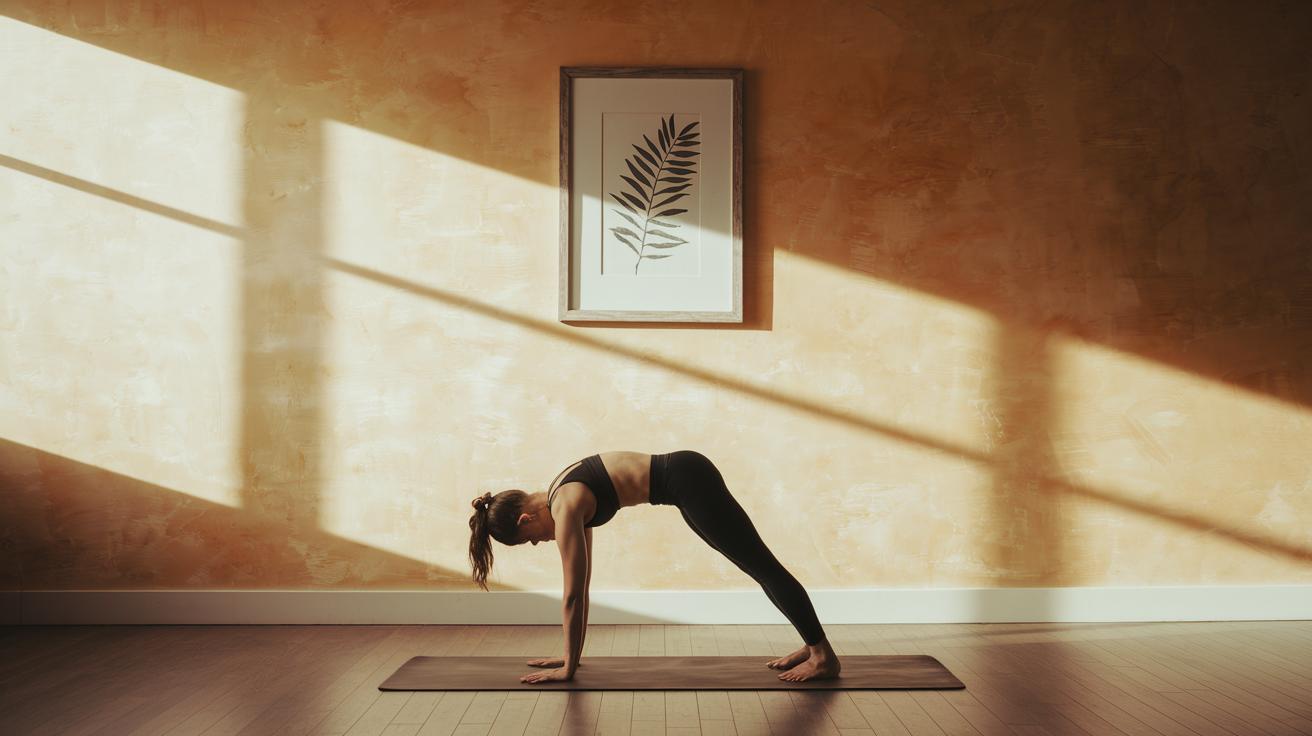
Here are some simple tips to help protect your lower back while you build strength. Follow these pointers during your workout to work smart and stay safe.
| Form Tip | Description |
|---|---|
| Neutral Spine | Keep your back straight without arching or rounding. Picture your spine as a firm, steady column guiding your moves. |
| Core Engagement | Tighten your tummy before every exercise. This simple move helps protect your lower back. |
| Proper Alignment | Make sure your shoulders, hips, knees, and wrists line up well as you perform each move. |
| Controlled Movement | Bend gently at your hips and move slowly to avoid extra strain on your back. |
| Start with Bodyweight Exercises | Begin with exercises that use your own body weight until you can move comfortably and with good form. |
Home-Based Lower Back Strengthening Routine
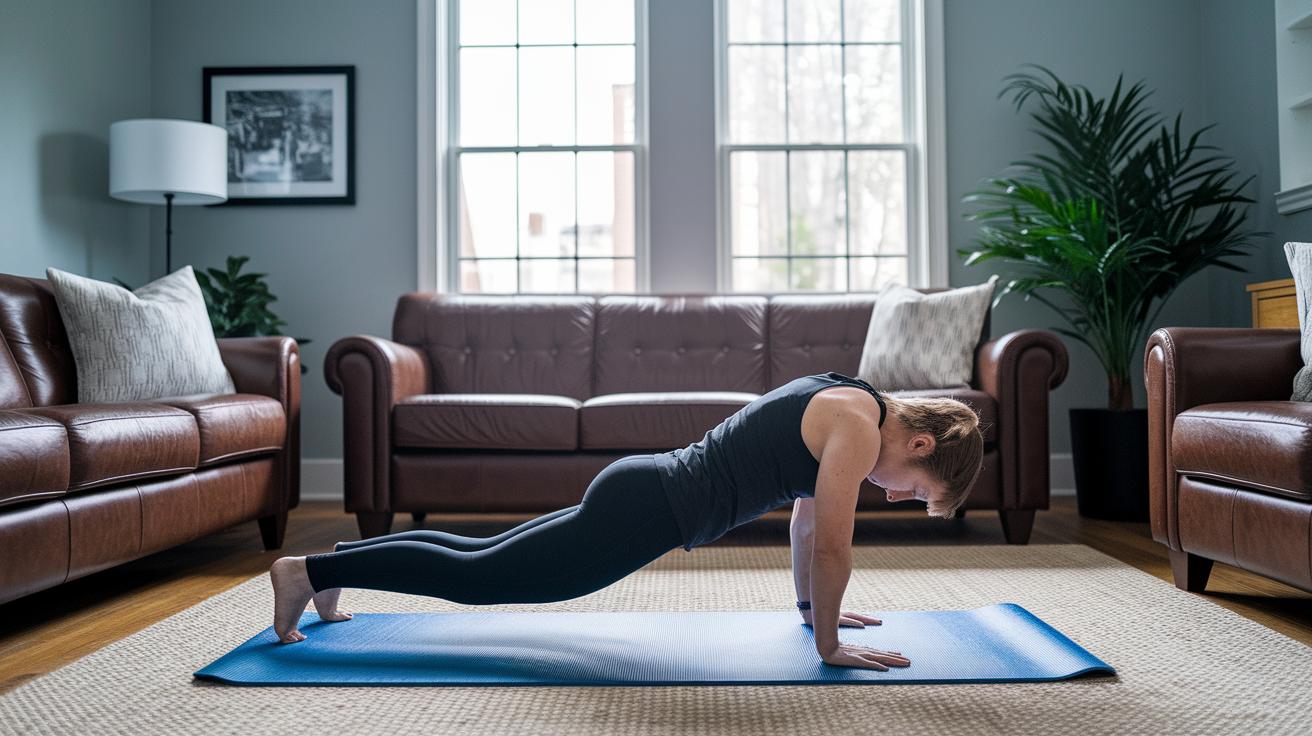
This plan helps you build a strong lower back by using familiar moves like Bird Dog, Hip Bridges, Superman, Cat-Cow, Good Mornings, and Bodyweight Squats. We have organized these exercises into a simple three-day routine each week. Use the techniques you've learned before and follow the steps below for a steady approach.
| Day | Exercises | Sets / Reps / Timing |
|---|---|---|
| Day 1 | Bird Dog, Hip Bridges | 3 sets of 12 reps; hold Bird Dog each side for 15 seconds |
| Day 2 | Superman, Cat-Cow | 3 sets of 10 reps for Superman; 10 full cycles for Cat-Cow |
| Day 3 | Good Mornings, Bodyweight Squats | 3 sets of 10-15 reps |
You can adjust the workout to match your fitness level. If you are just starting, you might reduce the hold times or lower the number of repetitions. On the other hand, if you are more experienced, try slowing down the movements to feel your muscles work harder.
Another idea is to add a five-minute core activation "movement snack" on your off days. A few simple stabilization drills can help keep your muscles ready and strong.
Imagine a fun reminder during your workout: "Did you know that before she became a famous scientist, Marie Curie used to carry test tubes in her pockets, not knowing the risks ahead?" This surprising tidbit might bring a smile and a moment of reflection.
Tips to help get the most out of your routine:
- Listen to your body and adjust the pace as needed.
- Maintain proper form to avoid discomfort.
- Use a mat or towel on a flat surface for extra comfort.
Modifications and Progressions for Every Fitness Level
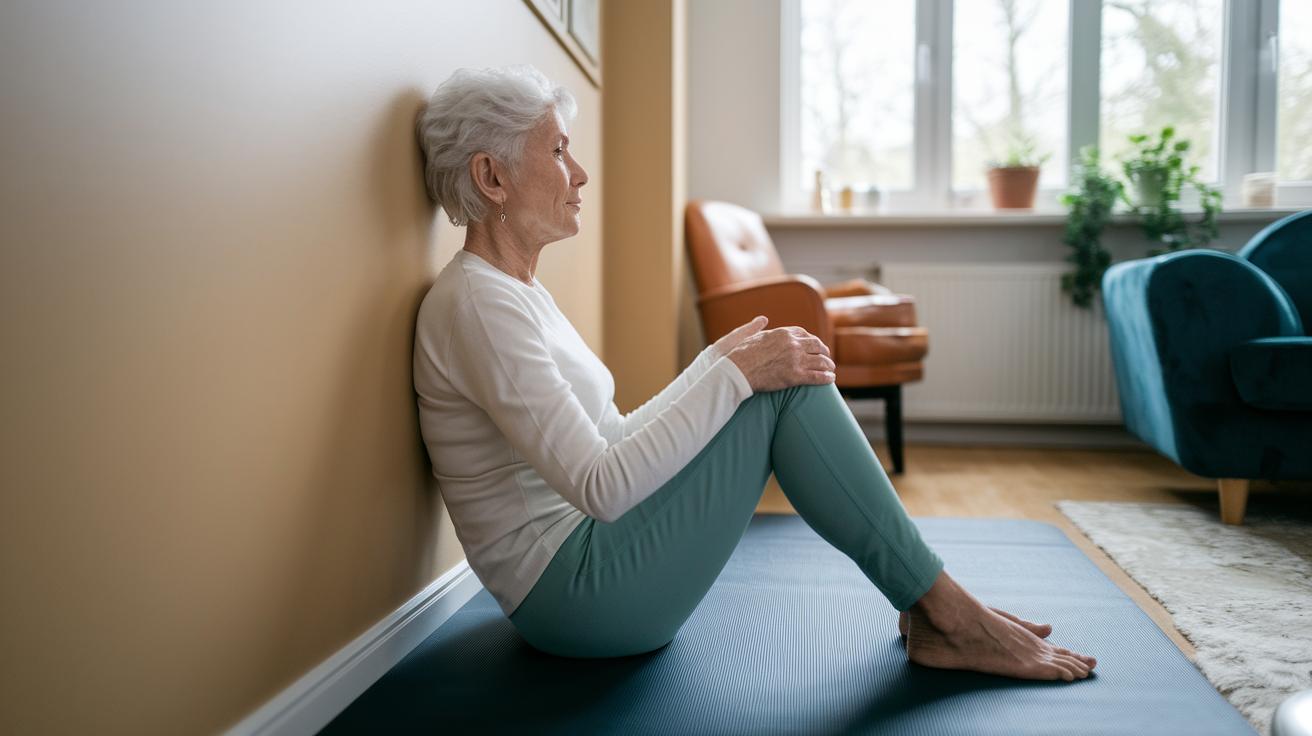
You can tailor your workouts to match how strong and comfortable you feel today while still reaching your long-term goals. For instance, if you're just starting out, try swapping the Bird Dog for supine marches. Hold each march for about 5 seconds and aim for 5 reps on each side. You can also do Good Mornings using a wall for support. Do 2 sets of 8 reps to keep your movements smooth and safe.
- Beginner moves: Replace Bird Dog with supine marches (hold 5 seconds for 5 reps on each side).
- Wall-assisted Good Mornings: 2 sets of 8 reps.
If you're a senior, go for low-impact exercises. Try pelvic tilts with 2 sets of 10 reps to gently work your core muscles. Another great option is straight-leg hamstring raises. Place a towel under your foot for extra support, hold each raise for 20 seconds, and repeat twice. Picture a calm moment, where each steady tilt builds your strength like a leaf slowly unfurling in a soft breeze.
- Senior moves: Pelvic tilts – 2 sets of 10 reps.
- Straight-leg hamstring raises with towel: Hold each for 20 seconds, repeat 2 times.
For those who are more advanced, add an extra challenge to your routine. Try holding light dumbbells during your Good Mornings to boost your strength. When doing the Bird Dog, wrap a resistance band around your hands and feet and hold each side for 30 seconds. These tweaks can push your limits in a controlled way.
- Advanced moves: Use light dumbbells with Good Mornings.
- Bird Dog with resistance band: Hold for 30 seconds per side.
If you're working on rehabilitation, focus on slow and steady movements. Use low-impact drills inspired by physiotherapy to ease into your routine. Gradually, you can build up to bigger challenges. Each of these modifications is designed to keep your workout comfortable while steadily strengthening your lower back.
Incorporating Mobility and Stretching for Lower Back Health
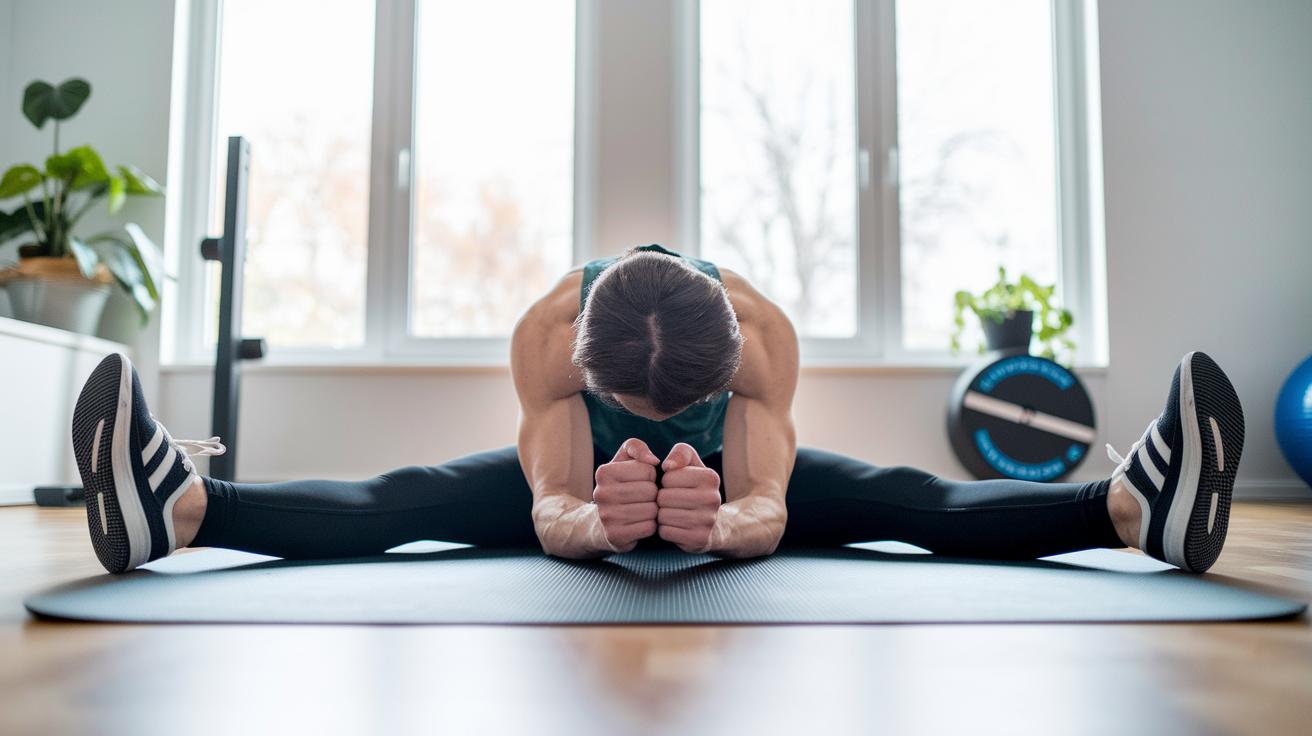
Incorporating mobility drills into your lower back routine can really boost your spine's flexibility and ease tension. A great move to start with is the World's Greatest Stretch. Step into a forward lunge, then twist your upper body while reaching your arm up high. Hold this pose for 30 seconds on each side and repeat two times. Picture your hips opening up and your back feeling more free, like you are unlocking your body's hidden potential to feel taller and more relaxed.
Another simple, effective stretch is the Hamstring Stretch with Straight Leg Raise. Lie on your back and loop a towel around your foot. Slowly lift your leg until it makes a 90-degree angle with your body, then hold it for 20 seconds. Repeat this stretch three times on each leg. Imagine your leg moving smoothly, releasing tension in your hamstrings and hip flexors, and giving your lower back a burst of energy.
These gentle stretches help improve flexibility and strength in your lower back, speed up recovery, and ease tension. Doing them before and after your strength exercises creates a balanced routine that supports natural movement. Stay mindful of your form and enjoy the refreshing feeling that comes with better mobility.
Creating a Balanced Lower Back Strengthening Plan
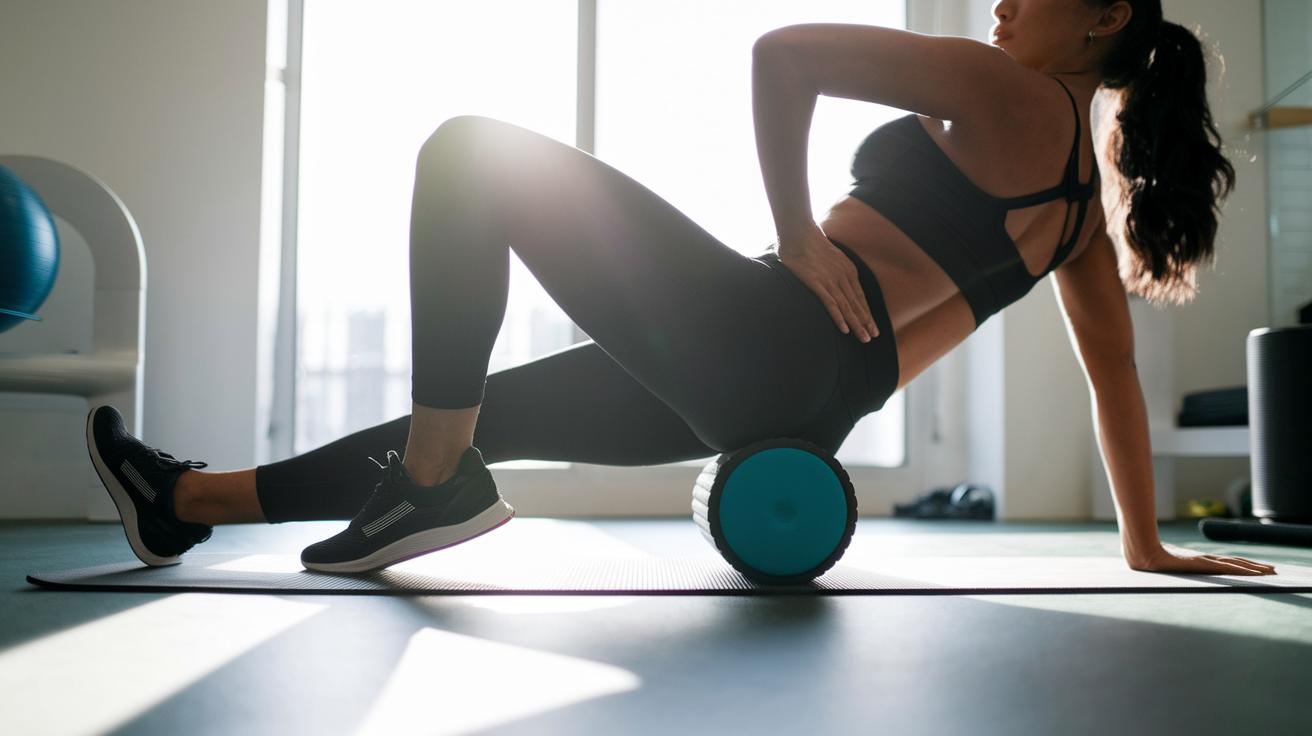
We've blended lower back strengthening tips right into your Home-Based Routine so it's easier to follow. One easy idea is to use a foam roller on your lower back after exercise. Gently roll it over the muscles to help ease tension and promote recovery.
You can also keep track of how you're improving by slowly increasing the number of repetitions or holding positions a bit longer over time. This way, you have a clear plan that grows with you, step by step.
Final Words
In the action, we explored key exercises to strengthen your lower back while building core stability and overall fitness. We broke down movements like Bird Dog, Hip Bridges, and Good Mornings, offering clear tips on keeping proper form and safely progressing through each drill. We also touched on mobility moves and effective recovery practices. All these exercises to strengthen lower back are practical ways to boost both strength and confidence every day. Keep moving forward and enjoy the benefits of a stronger, healthier back.
FAQ
What physiotherapy exercises can strengthen the lower back?
Physiotherapy exercises like Bird Dog, Hip Bridges, and Good Mornings strengthen the lower back by targeting deep core muscles while supporting proper posture and alignment.
How do lower back exercises differ between gym and home settings?
Lower back exercises can be adapted for both gym and home settings. At home, you can use bodyweight moves like squats and modified Good Mornings for strength and stability.
What exercises work the lower back, hips, and core?
Exercises such as Bird Dog, Hip Bridges, and Good Mornings work the lower back, hips, and core simultaneously, improving overall balance and functional strength.
What is the single best exercise for lower back pain and what are three key exercises?
Bird Dog is often viewed as a top exercise for lower back pain, while adding Hip Bridges and Cat–Cow creates a simple routine to ease pain and build support.
How do you strengthen a weak lower back?
You can strengthen a weak lower back by gradually incorporating core exercises like Bird Dog, bodyweight squats, and Good Mornings, focusing on steady movement and proper alignment.
What are common signs of a weak lower back?
A weak lower back may show signs like frequent stiffness, discomfort during activities, and reduced balance, signaling the need for targeted strengthening exercises.