Ever noticed how even a little movement can lighten a worried mind? Many of us get stressed, but research shows that a short walk can lift your mood.
In fact, nearly one in five American adults deals with anxiety each day. Exercise helps balance your body's natural chemicals (the substances that affect your mood), easing stress and clearing your head.
So, next time you're feeling restless, try a brief walk and see how it turns busy energy into calm focus.
Evidence-Based Link Between Exercise and Anxiety Reduction

According to a study in Anxiety-Depression, people with anxiety tend to feel less anxious when they get moving. Nearly one in five American adults and about one in three teenagers face chronic anxiety. Even taking a short walk or enjoying a gentle bike ride can offer a much-needed pause from worrisome thoughts.
The U.S. Department of Health and Human Services suggests that adults aim for 150 minutes of moderate exercise each week. You can break that up into several sessions that work for your schedule. A regular exercise routine not only helps balance your mood but also boosts your overall health. For instance, moderate exercise is linked to sharper brain function, lower stress levels, and better sleep, all of which help ease anxiety. Curious to dive deeper? Check out How Exercise Improves Mental Health for more details.
Before starting any new workout, especially if you have existing health issues or past injuries, it’s a good idea to talk with your doctor or a physical therapist. This way, you make sure your chosen activities are right for you and keep you safe while turning movement into a powerful ally against anxiety.
Physiological Mechanisms Driving Anxiety Reduction Through Exercise

When you exercise, your body finds a natural balance by adjusting the chemicals and hormones that anxiety can disturb. Moving around boosts your endorphins, which act like a built-in painkiller, while also raising the levels of serotonin and GABA. These helpers lift your mood and soothe your nerves. At the same time, exercise lowers cortisol, the stress hormone, so you feel less tense.
Even a brief burst of activity can kick off these changes. This simple act not only calms your mind but supports better sleep, digestion, and a stronger immune system. Regular aerobic exercises, like a short walk or a light jog, work like a natural switch to reduce anxiety symptoms and help bring your body back into balance.
| Hormone/Neurotransmitter | Role in Anxiety | Impact of Exercise |
|---|---|---|
| Endorphins | Work as natural pain relievers and mood lifters | Increase with exercise for an improved sense of well-being |
| Cortisol | Related to stress and anxiety | Decreases during physical activity, easing tension |
| Serotonin | Helps control mood and manage anxiety | Boosted by exercise, leading to a more steady mood |
| GABA | Calms down nerve activity in the brain | Enhanced by regular exercise to ease anxious feelings |
Exercise brings a natural balance to your body, helping you greet each day with a calmer, lighter mind.
exercise and anxiety reduction: Energize Your Mind
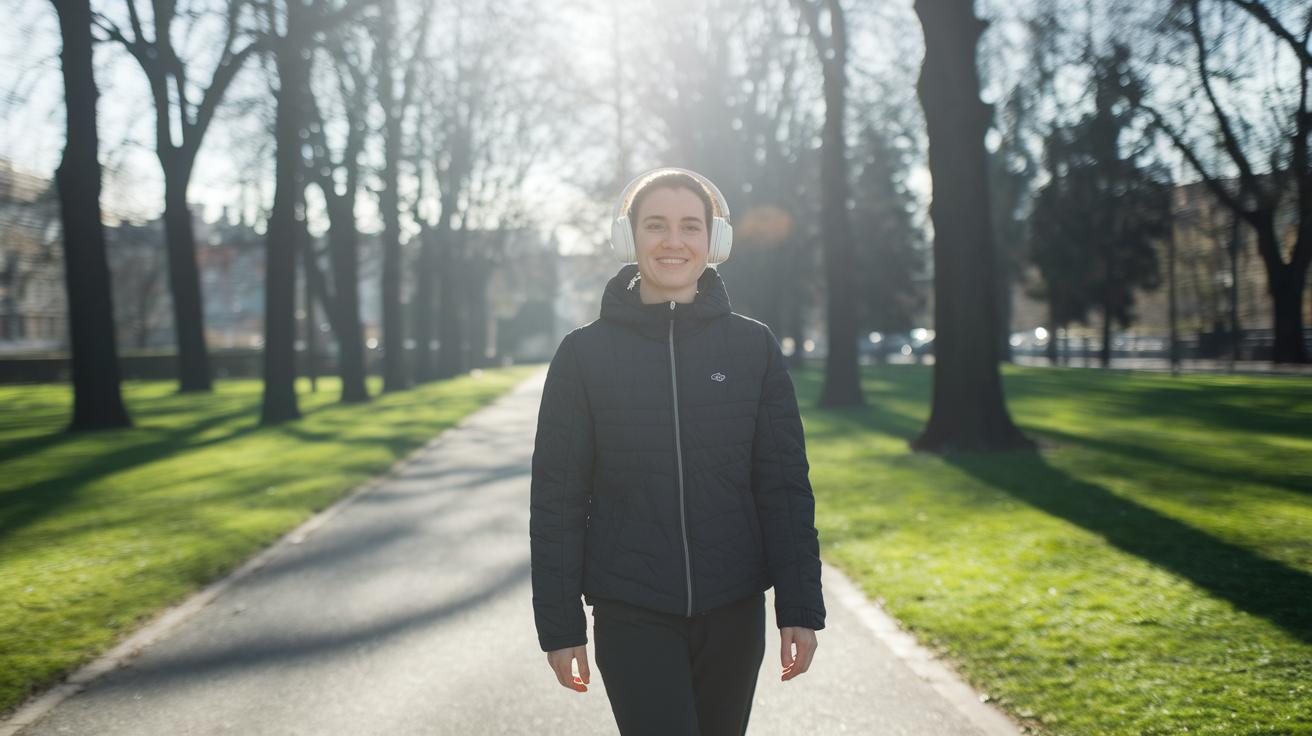
Getting active is a great way to take your mind off anxious thoughts. When you do simple aerobic moves or some easy strength training, your body releases natural chemicals that lift your mood. It also gives your brain a little break from overthinking, helping you feel steadier overall.
Here are some ideas to try:
- Brisk walking for 30 minutes, four times a week, can clear your head.
- Jogging for 20 minutes, three times weekly, offers a refreshing change.
- Cycling for 30 minutes, three times a week helps set a calm pace.
- Swimming laps for 30 minutes, twice a week delivers a cool, soothing effect.
- Aerobic dance sessions lasting 30 to 45 minutes twice weekly can be both fun and energizing.
- Circuit training for 25 to 30 minutes twice a week adds a bit of variety.
- Bodyweight calisthenics for 20 to 30 minutes three times each week gradually build strength.
Mixing these exercises not only keeps your routine fresh, it works in different ways to ease anxiety. A steady walk or ride can calm your mind, while jogging and swimming engage you fully so you feel less overwhelmed. More playful activities like dance and circuit training boost your spirits, and simple bodyweight moves help build confidence over time. If you’re new to exercise or have some health concerns, a quick chat with your doctor can make sure you’re set to go. Whether it’s a short burst or a longer session, any of these workouts can help both your body and mind feel more balanced.
Mindful Movement Practices in Exercise and Anxiety Reduction
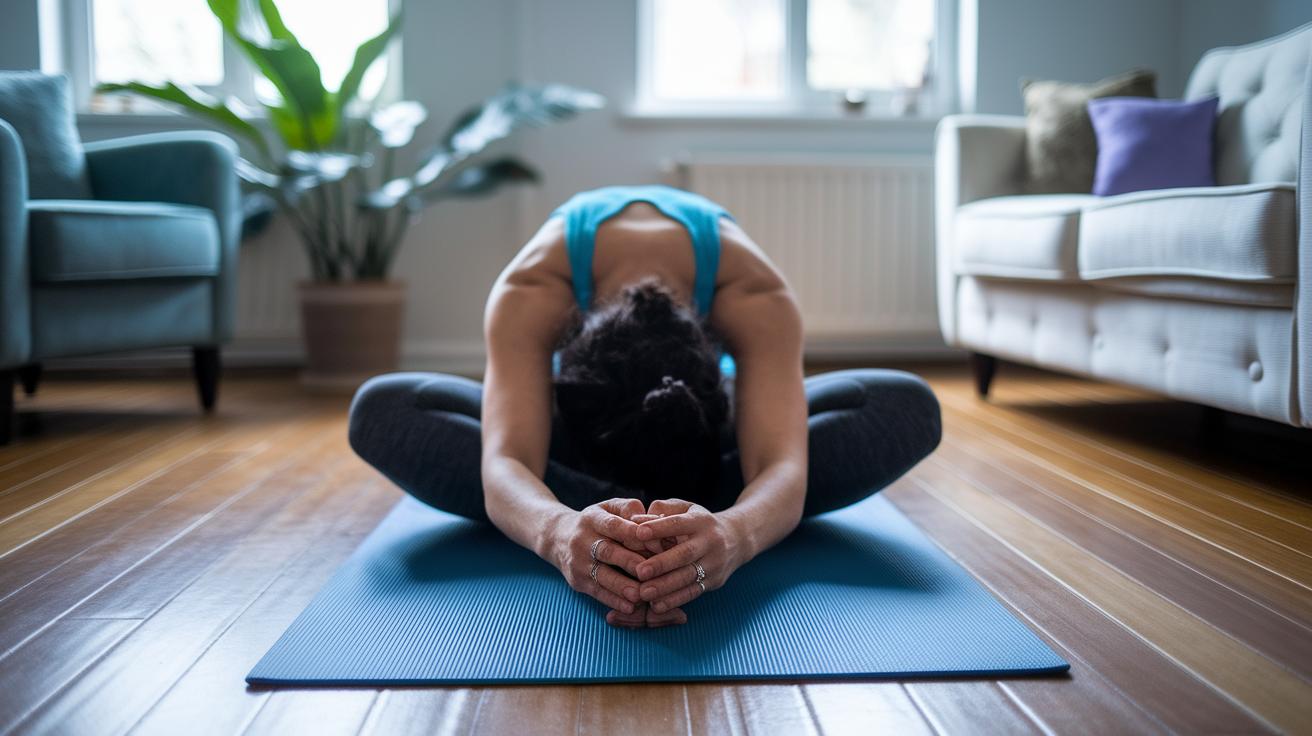
Mindful movement ties the body and mind together in a gentle way that helps ease anxiety. When you focus on each stretch and breath, exercise becomes a calm, quiet practice. This type of movement mixes slow, careful motion with a focus on the present to clear your mind and ease stress. Every move gently shifts your thoughts away from tension.
Yoga for Easing Anxiety Symptoms
Yoga blends simple poses with deep breathing to calm your nerves. Poses like Child’s Pose and Downward Dog help relax you while building strength and flexibility. A session of 20 to 45 minutes lets you settle into a steady pace and let go of anxious thoughts. Focus on your breath and imagine stress drifting away with each exhale. For example, start with a gentle flow of Sun Salutations to ease into a peaceful state.
Tai Chi for Reducing Tension
Tai chi is all about slow, steady moves that bring the body and mind into harmony. Its smooth sequences, done a few times a week, help ease muscle tightness and quiet a busy mind. Shifting your weight slowly can bring a focused calm to your day. If you need a mindful push, you might find some tips on synchronizing movement with deep awareness by checking out Mindfulness for Racing Thoughts. A few basic flow sequences can feel like a moving meditation that helps lift mental strain.
Pilates for Mental Calmness
Pilates builds core strength with careful, controlled movements and focused breathing. This routine not only helps tone your body but also centers your mind, steering it away from anxious chatter. Think of each precise motion as a chance to focus only on the present moment. The blend of physical strength and calm attention makes Pilates a wonderful way to nurture mental clarity and ease.
Structuring Effective Workout Routines for Anxiety Management
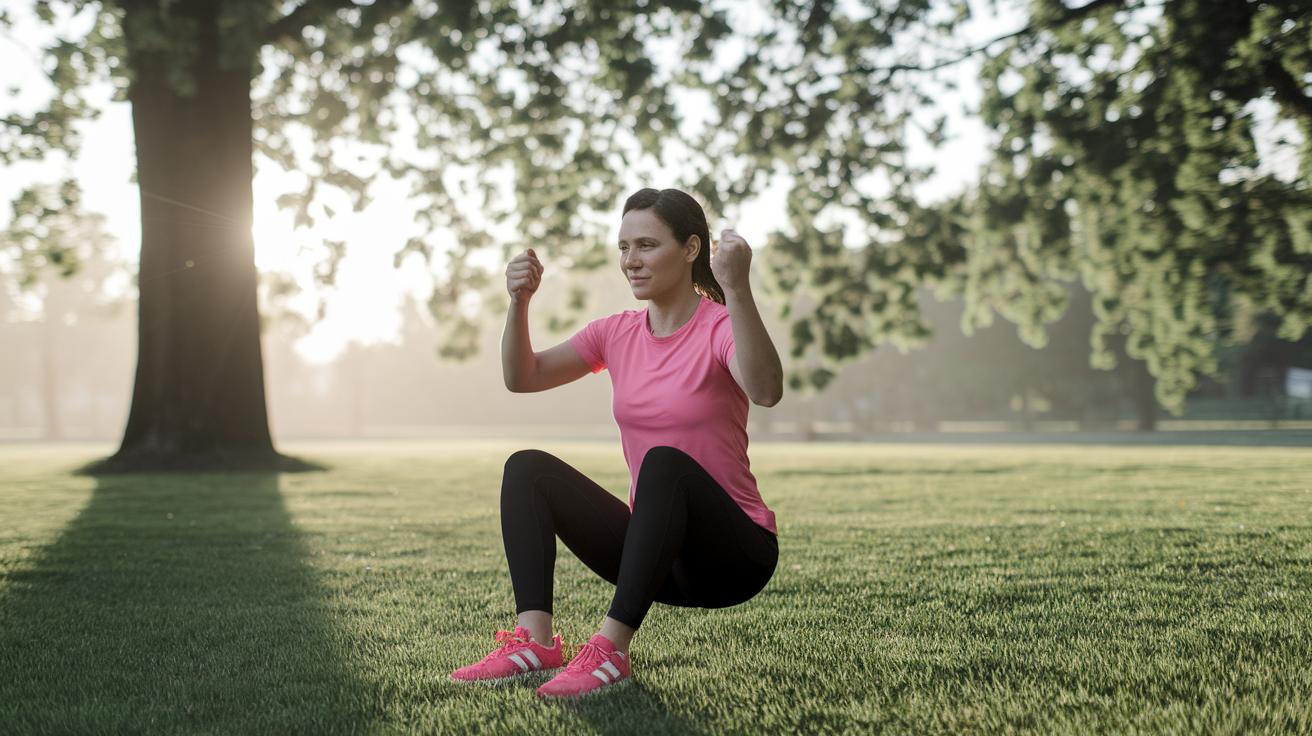
Have you ever noticed how the right time to exercise can change your whole day? Picking a good time, like a calm morning or early evening, gives your body a friendly reminder to keep its balance and ease stress. Think of it like setting an alarm for your body that says, "It's time to relax and recharge."
Now, it's not just about when you exercise; finding the right balance is key too. Try aiming for moderate workouts that last between 30 and 45 minutes, four to five times a week. This pace helps you move steadily without feeling wiped out. Picture a gentle, rhythmic flow that clears your mind and fills you with energy, kind of like a peaceful walk in the park.
A thoughtful workout plan can even help you sleep better. Regular sessions create a comforting rhythm that guides you into a refreshing night's sleep. And we all know that waking up well-rested can make those anxious thoughts fade away. So if you can finish your workout a few hours before bedtime, you might just find your nights a bit quieter and your mind a bit calmer.
Sustaining Progress: Tracking and Personalizing Exercise for Anxiety Control
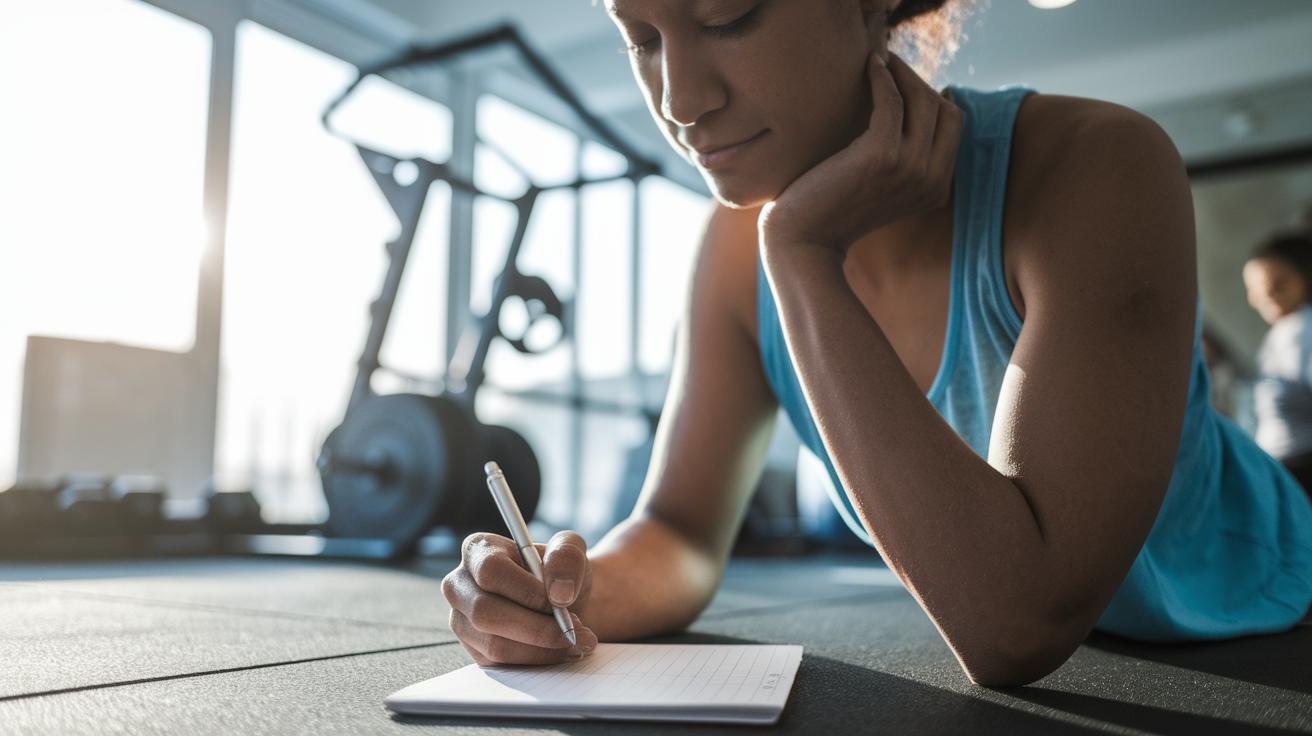
Start by writing down your workouts and how you're feeling each day. This easy habit can help you see which exercises calm your nerves best and keeps you moving mindfully.
Keeping a simple log of your daily routines can show you patterns. For instance, you might find that a short home workout with just your body weight lowers your stress quicker than a long run. Jot down what type of exercise you did, how long you did it, and your feelings before and after. This way, you can change your plan to focus on what really works for you. Over time, you can set small, clear goals each week and gradually add more intensity as you get fitter. This personal approach not only keeps you inspired but also matches your unique needs for managing anxiety.
Try tracking one workout a day with a quick note about your mood, and then check your log each week to spot trends and fine-tune your routine for the best stress relief.
Final Words
In the action, this article showed how exercise can create a calm mind and a healthier body. We touched on research proving exercise and anxiety reduction works, explained the body’s chemical shifts during physical activity, and offered simple routines like brisk walking and mindful yoga.
Our chat also offered tips for setting up effective workouts, tracking progress, and making smart choices for better sleep. Embrace these ideas and keep building a routine that lifts both your mood and vitality.
FAQ
Q: Exercise cured my anxiety
A: The idea that exercise cured my anxiety means that regular physical activity can release mood-boosting chemicals and lower stress hormones, helping many feel less anxious and more balanced over time.
Q: Best time to exercise for anxiety
A: The best time to exercise for anxiety means choosing a period when you can consistently commit, such as morning or early evening, which may help stabilize stress hormones and set a calm tone for your day.
Q: Best exercise for anxiety and panic attacks and for depression and anxiety
A: The best exercise for anxiety, panic attacks, and depression means engaging in moderate aerobic activities like brisk walking or cycling that boost endorphins, ease tension, and promote a clearer, calmer mind.
Q: Mental exercises for anxiety and for anxiety and depression
A: The term mental exercises for anxiety means adopting techniques like mindfulness, deep breathing, or meditation to help shift your focus, reduce stress, and support emotional balance in both anxiety and depression.
Q: Exercises to relieve stress and anxiety
A: The phrase exercises to relieve stress and anxiety means incorporating activities such as walking, jogging, or yoga into your routine, which can shift your focus, trigger feel-good hormones, and calm your mind.
Q: Does exercise actually reduce anxiety?
A: The idea that exercise actually reduces anxiety means that evidence shows it balances hormones, boosts endorphin release, and lowers stress, all of which contribute to easing anxious feelings physically and mentally.
Q: What is the 3-3-3 rule for anxiety?
A: The description of the 3-3-3 rule for anxiety means identifying three things you see, three things you can touch, and three things you hear to help ground your thoughts and bring you back to the present.
Q: How long until exercise reduces anxiety?
A: The question of how long until exercise reduces anxiety means that many people notice improvements after a few weeks of regular workouts, though results vary with frequency, intensity, and individual health.
Q: What does high functioning anxiety look like?
A: The description of high functioning anxiety means that even while appearing calm and managing daily tasks, someone may experience constant worry, overthinking, and inner tension.