Ever notice how taking a slow, deep breath can ease your stress? Imagine filling your lungs like blowing up a balloon, each gentle inhale bringing in calm.
In this guide, we'll chat about simple breathing exercises that help clear your mind and ease tension. These steps allow you to settle into a rhythm that cools your body and soothes your spirit.
Have you ever felt refreshed after a mindful breath? Stick with us and see how a few deep breaths can bring a peaceful start to your day.
Deep Breathing Exercises: Foundations for Immediate Relaxation
Deep breathing exercises help you slowly fill your lungs with fresh air instead of feeling stressed and taking quick, shallow breaths. It’s like giving your body a mini-vacation. When you take slow, deep breaths, you calm your heart and release built-up tension. Imagine drawing in cool, refreshing air that clears your mind and helps you relax.
When you try these exercises, pay attention to your diaphragm, the muscle just below your lungs. As you breathe in, your diaphragm moves downward so your lungs have more room, much like a balloon filling up with air. Then, as you breathe out, your diaphragm relaxes and the air leaves in a soft, steady flow. This natural rhythm doesn’t just supply oxygen, it also guides your body to feel more at ease. Sometimes, beginners might feel a little light-headed because the balance of oxygen and carbon dioxide shifts quickly. But don’t worry; stick with it, and soon it feels more natural.
If you’re ready to try a simple diaphragmatic breathing practice, here’s how you can start:
- Sit comfortably with your back straight and shoulders relaxed.
- Place one hand gently on your belly and the other on your chest so you can feel each breath.
- Breathe in slowly through your nose for four seconds and let your belly expand.
- Breathe out slowly through your mouth for six seconds, letting your belly soften.
- Repeat these steps about five times, focusing on smooth, deep breaths.
Give it a try, and see how a few mindful breaths can brighten your day.
Essential Deep Breathing Techniques for Relaxation
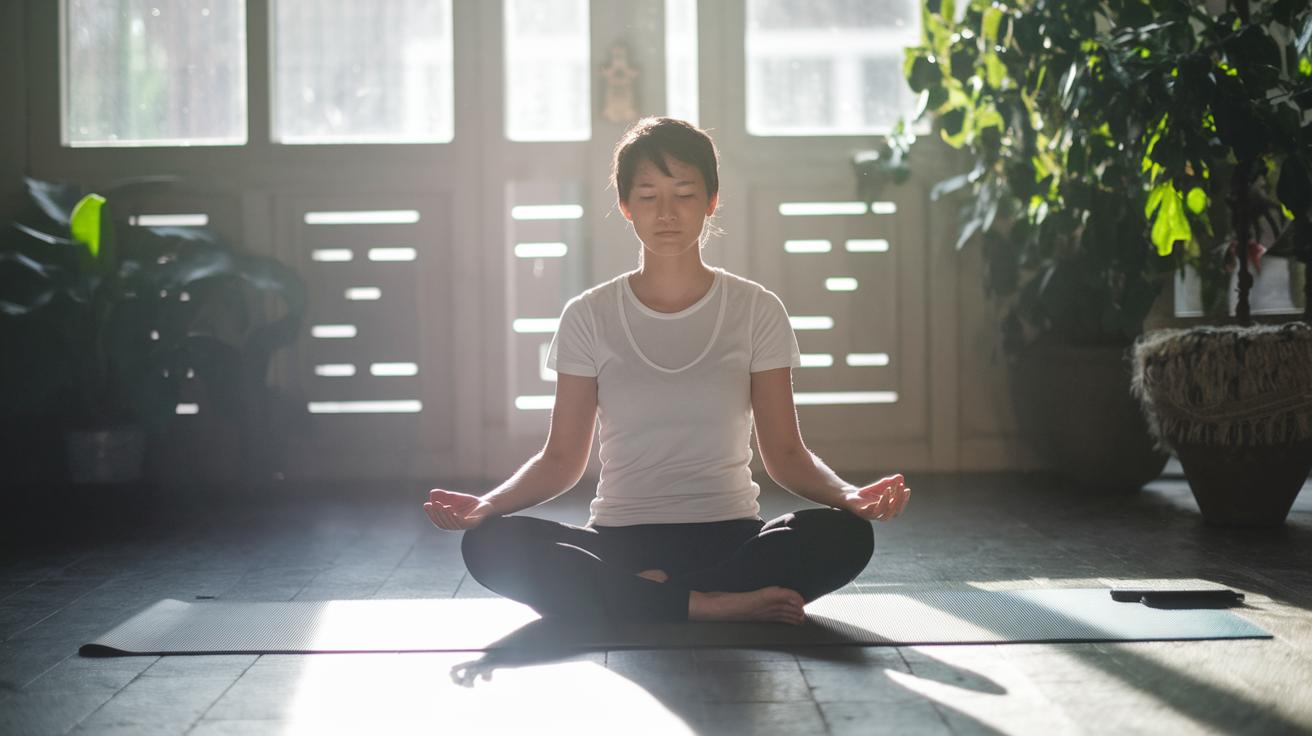
Deep breathing is a simple way to calm your mind and ease stress. It resets how you breathe when things get tough and helps you feel more at peace. In this guide, we'll chat about five easy breathing techniques that use a natural in-and-out rhythm to relax your body and mind. Each method is like a little pause that lets you center yourself.
Sometimes, when life feels overwhelming, taking a moment to breathe deeply can make all the difference. These practices encourage slow, thoughtful breaths that help you feel grounded even on busy days.
4-7-8 Breath
With the 4-7-8 Breath, you breathe in for 4 seconds, hold the air for 7 seconds, and then breathe out for 8 seconds. This simple pattern taps into your body's calm mode, easing tension with just a few cycles.
Alternate Nostril Breathing
Alternate Nostril Breathing has you switching your breath from one nostril to the other. This neat trick helps balance your brain and brings a cool, focused calm as you gently move through each breath.
Equal Breathing
Equal Breathing means breathing in and out for the same amount of time. This balanced rhythm calms your nerves and steadies your mind, making it easier to relax and feel centered.
Resonant (Coherent) Breathing
Resonant Breathing is all about slow, steady breaths, about five full cycles per minute. This mindful rhythm can help adjust your heartbeat and set a soothing pace for a calm moment.
Humming Bee Breath
With Humming Bee Breath, you add a soft hum as you breathe out. That gentle vibration can ease your stress and help smooth out your nervous system when things get a bit hectic.
| Technique | Key Steps | Typical Duration |
|---|---|---|
| 4-7-8 Breath | Breathe in for 4 sec, hold for 7 sec, and breathe out for 8 sec | 1-2 minutes |
| Alternate Nostril Breathing | Alternate your breath between nostrils | 1-2 minutes |
| Equal Breathing | Breathe in and out for the same length of time | 1-3 minutes |
| Resonant Breathing | Take about 5 full breath cycles per minute | 2-3 minutes |
| Humming Bee Breath | Add a soft humming sound as you breathe out | ~1 minute |
Setting Up Your Space for Deep Breathing Relaxation
Pick a calm spot with minimal distractions for your deep breathing practice. You could choose a quiet corner in your home, a sunlit room, or even a peaceful outdoor bench. Imagine a place where the soft natural light and gentle shadows create a nurturing atmosphere as you prepare to breathe deeply.
Find a comfortable position that supports your natural posture. Sit in a supportive chair or lie down if that feels better. Keeping your back straight helps your belly move freely with each breath, just like setting up a little yoga corner right at home.
Consider using simple props like a cushion or leaning back against your chair’s backrest. These small additions can boost your comfort and help you settle into a steady, relaxed breathing rhythm. Picture a cozy nook that invites you to slow down and let go.
Set aside a regular time for your practice, maybe before an interview, after a workout, or during a quiet shower moment. Making it a habit can transform each session into a journey toward inner calm and relaxation.
Overcoming Common Deep Breathing Challenges
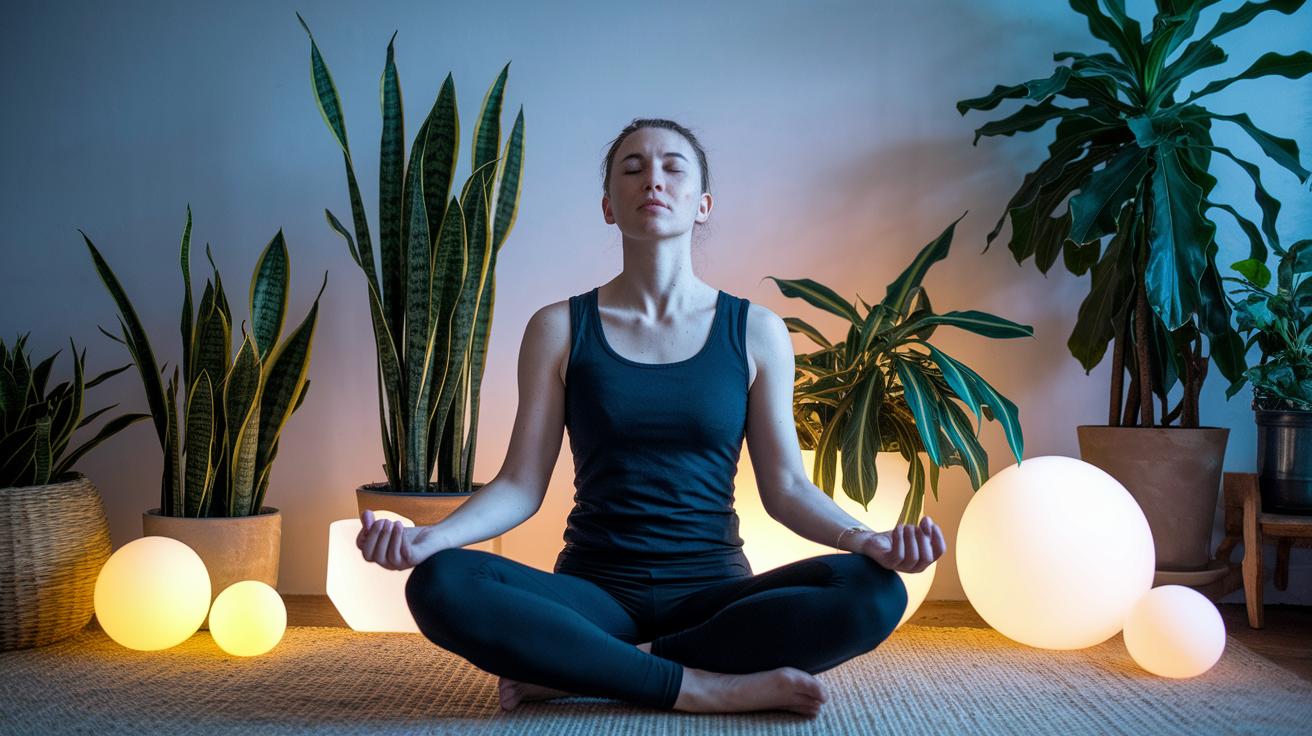
Ever notice that when you try deep breathing exercises, you might feel a bit light-headed? It's nothing too unusual. When you take in extra oxygen and drop your carbon dioxide levels, it can sometimes make you feel a little dizzy. If that happens, take a short break or slow your breathing until you feel steady again. And if your breathing stays fast or shallow for a while, it could be a sign of stress. In that case, it might be a good idea to talk to a professional at https://medsfax.com?p=980.
Sometimes, tight shoulders or a stiff posture can make it harder to breathe deeply. When your upper body is tense, your diaphragm, a muscle that helps with breathing, can’t move freely, keeping your breaths shallow. Try relaxing your shoulders and changing your position. A small shift in how you sit or lie down can open up your chest and help your breathing become smooth and natural.
Distractions can also mess with your focus during breathing exercises. They might cause you to start breathing too quickly or unevenly. To really benefit from deep breathing, find a quiet spot and practice in short sessions. Over time, these focused moments can help you develop a steady, mindful rhythm in your breathing, bringing back that sense of inner calm.
Science Behind Deep Breathing for Stress Reduction
Deep breathing is more than just a simple relaxation trick. When you take slow, mindful breaths, you send a signal to your body to relax. This calm signal helps lower your heart rate and reduces your stress hormone cortisol. Research shows that each slow, deep breath brings your mind and body together in a way that naturally eases stress.
Studies have found that practicing slow, controlled breathing, sometimes called meditative slow respiration, can help you sleep better. It works almost like a natural sleep aid by quieting your mind and easing anxiety before bed. Plus, this kind of breathing helps your lungs become stronger. Some people might feel a little light-headed at first, but that usually goes away as you get used to it.
When you mix deep breathing with yoga or guided meditation, it deepens the connection between your body and your feelings. In a way, each breath becomes a tiny step toward feeling calmer and more in control. With clear scientific backing, deep breathing proves itself as a simple yet powerful tool for managing stress and boosting overall well-being. Try it out and notice the gentle, positive changes in your day.
Integrating Deep Breathing into Your Daily Routine
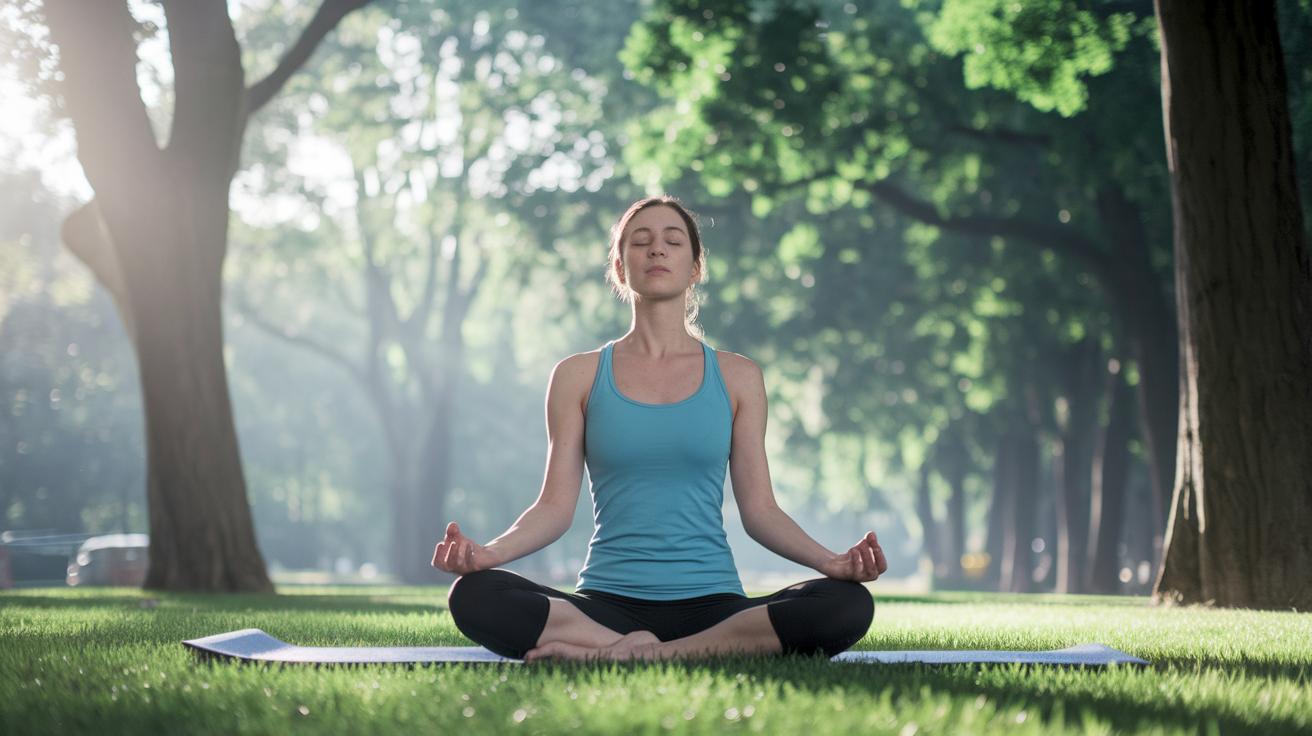
Before you jump into a hectic meeting or start a challenging task, try taking a slow, deep breath for 2–3 minutes. This little break helps calm your nerves and gets you ready to face what’s ahead with a clear mind.
During your day, you can mix in some light yoga or simple mindfulness exercises while you breathe slowly. Imagine gently stretching as you take in deep breaths, it creates a smooth rhythm that soothes your body and mind all at once.
Set a reminder on your phone for a quick, guided breathing session. A couple of minutes of calming sounds or clear instructions can be just the reset you need to keep your day balanced and steady.
When bedtime rolls around, use a few slow, controlled breaths to wind down. These relaxing breaths can ease your thoughts and help you settle into a peaceful sleep.
Also, consider taking a short, mindful breathing break during the day. Even just one or two minutes of focused, slow inhaling and exhaling can boost your mood and keep you calm throughout the day.
Final Words
In the action, we explored the basics of intentional deep breathing and outlined clear methods to boost calm through diaphragmatic breath practice and mindful space setups. We also touched on overcoming common challenges with simple tips and looked at the science behind each step. Incorporate deep breathing exercises for relaxation into your day and notice how a few mindful minutes can brighten your outlook. Each deliberate breath offers a chance to reset and feel better, keep practicing and enjoy the fresh calm each breath brings.
FAQ
What benefits do deep breathing exercises offer to lung health?
Deep breathing exercises support lung health by promoting fuller lung expansion and better oxygen exchange. They help reduce stress-induced shallow breathing while boosting overall respiratory function.
How do deep breathing exercises help with relaxation and stress management?
Deep breathing exercises foster a steady, rhythmic pattern that eases the nervous system, reduces stress hormones, and calms anxiety. This approach provides a natural way for adults to relax in different settings.
What are some deep breathing exercises for beginners?
Deep breathing for beginners starts with simple, slow diaphragmatic breaths. This method builds awareness and comfort with deep inhaling and exhaling, gradually enhancing your relaxation techniques.
What does the 4-7-8 breath technique involve?
The 4-7-8 breath technique involves inhaling slowly for 4 seconds, holding the breath for 7 seconds, and exhaling for 8 seconds. This cycle helps activate your body’s natural relaxation response.
How many deep breaths should I take to calm down?
Taking about 5 slow, deep breaths per minute is commonly suggested to help calm your system. This steady rhythm promotes a balanced heart rate and a peaceful state.
What is the 5-5-5 technique?
The 5-5-5 technique means inhaling for 5 seconds, holding for 5 seconds, and exhaling for 5 seconds. This balanced breathing pattern helps ease stress and sharpen your focus.