Have you ever thought that you could swap pain for peace? Buddhist ideas teach us that nothing ever stays the same, and holding on too tight can bring more hurt than help.
Imagine life as a river that always flows, gently moving along. When we learn to welcome change, we can notice simple joys all around us, like the soft glow of a sunset or the quiet murmur of leaves in the wind.
This post shows how accepting change, even when it's tough, can bring us moments of calm and make our daily lives a little brighter.
Key Concepts in Buddhism's View of Life's Meaning

Buddhist ideas remind us that nothing stays the same. This idea, called Anicca or impermanence, shows us that life is always moving. When we realize that moments pass quickly, we begin to enjoy the beauty in every little change, like the soft glow of colors during a sunset.
Buddhism also talks about Dukkha, which means suffering or feeling let down when we hold on too tightly to things. And then there is Anatta, which means non-self. This tells us that there isn’t a fixed, unchanging soul deep inside us. These lessons help us see that both our pain and our idea of who we are are not as permanent as they might feel.
| Key Term | What It Means |
|---|---|
| Anicca (Impermanence) | Life is always moving and changing. |
| Dukkha (Suffering) | Holding on too tightly can bring pain and disappointment. |
| Anatta (Non-self) | There is no fixed, unchanging core inside us. |
By welcoming these three ideas, people are gently led toward a peaceful state called Nirvana. In Nirvana, they find relief from constant cravings and regrets. Knowing that everything is temporary helps us release our grip on life's challenges. This honest view of life guides us to flow more naturally with our experiences and walks us down a path where inner peace and real contentment come from accepting life as it is.
Four Noble Truths and Life’s Meaning in Buddhism

Dukkha means that life has its fair share of struggles. It helps us see that feeling uneasy is part of living. This reality calls us to look deeper and understand how our challenges shape our day-to-day lives.
The First Noble Truth tells us that suffering is a part of every experience. When a beloved routine is upset, it reminds us that pain can touch any part of our day.
The Second Noble Truth shows that suffering comes from clinging to what we want. Imagine really missing something or someone; that strong need can create extra heartache.
The Third Noble Truth teaches us that we can ease this pain by letting go. Picture untying a knot and feeling an instant lightness, when we release our tight hold on things, our discomfort can start to melt away.
The Fourth Noble Truth introduces the Eightfold Path. This simple guide offers steps to live more mindfully and gently. It shows us ways to act with care and find inner balance.
Embracing these truths helps us turn life’s challenges into stepping stones toward peace. They remind us that even in tough times, there is a clear path to understanding and calm.
Buddhism Meaning of Life: Radiant Insights
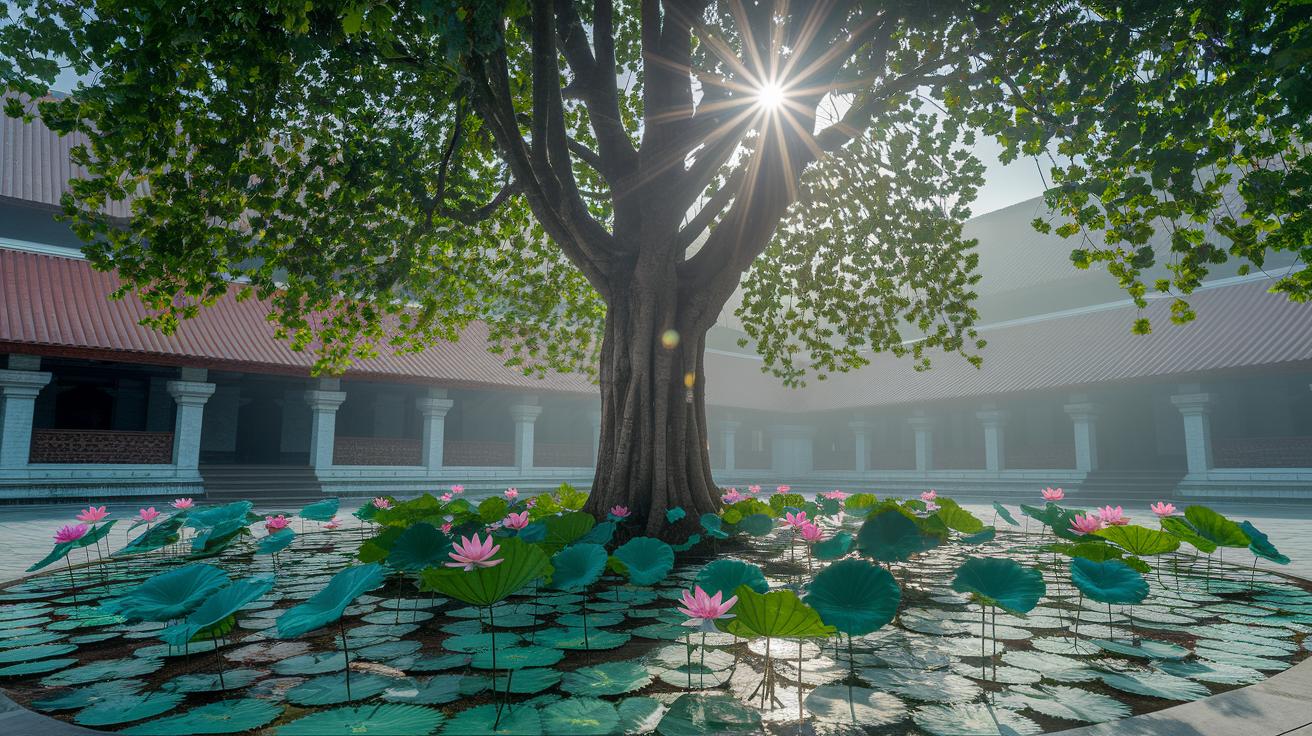
Buddhism shows us many signs of life’s deep meaning. Think about the Bodhi Tree, it marks the moment of awakening after real deep thought. The Lotus rises clean from muddy water, reminding us that even in hard times, beauty can bloom. And the Wheel of Life mirrors the cycle of birth, decay, and fresh starts. It’s like stepping into a quiet temple where every symbol whispers ancient wisdom.
At festivals and in temple art, these symbols really come alive. You might see bright Lotus flowers and carvings of the Wheel of Life on banners, drawing you into a long tradition of care and reflection. Lighting incense near a Bodhi Tree replica is a gentle way to blend old rituals with everyday life. It creates moments of comfort and guides you to think about the true meaning of life.
Contemporary Adaptations of Buddhist Life’s Meaning in Modern Culture

Across today’s world, old teachings mix with fresh creative energy. People who study and practice Buddhism bring its ideas to life with community projects, art displays, and local events. Picture a musician creating calm tunes that remind you of a peaceful stroll in nature, each note carrying a little bit of Zen wisdom on purpose and inviting you to slow down in a busy life.
In today’s online world, Eastern ideas get a whole new look. More folks are beginning their spiritual journeys through apps and websites that offer guided meditations and Dharma talks. Virtual retreats and online forums connect people from all walks of life. It feels like having a chat with a friend where ancient wisdom is shared in a way that's clear and welcoming.
In communities everywhere, these teachings are shifting how we see purpose. New ideas mix personal growth with caring for others. Small group meet-ups and joint projects give everyone a chance to share thoughts and support one another. This shared experience creates a lively picture where everyday actions echo age-old insights, gently guiding us to live more mindfully and openly.
Mindfulness Practices to Embody the Buddhist Life’s Meaning

Mindfulness practices give us easy ways to stay in the moment. Adding these simple routines to your day can bring more clear thinking and calm. They come from caring teachers who share practical steps for a meaningful, mindful life.
-
Morning Breath Awareness: Start your day by sitting quietly and focusing on your breath. Feel the air as it comes in and goes out. It sets your mind in motion and gently awakens your inner self.
-
Mindful Eating: Turn every meal into a chance to really enjoy what you're eating. Take your time, chew slowly, and notice the taste and feel of your food. It helps you appreciate your meal and keeps you grounded in the present.
-
Walking Meditation: Try making a regular walk into a meditative experience. Feel each step and observe what’s around you. This simple practice connects you with the natural flow of life.
-
Gratitude Journaling: Spend a few moments each day writing down things you’re thankful for. Whether it’s a big blessing or a small joy, this little act can boost your mood and warm your heart.
By embracing these habits, you link your body, breath, and heart in a way that feels true and gentle. Cherishing each moment can bring clarity and peace, reflecting the simple, kind teachings of Buddhist life.
Buddhist Texts Guiding Life’s Meaning in Buddhism

Sacred scriptures have long been a guiding light for anyone seeking a deeper meaning in life. Ancient texts, like the Tripitaka (a collection of early Buddhist writings), offer timeless advice that links our thoughts with daily actions. They gently remind us to embrace change and let go of everyday worries. Books such as The Ordinary Buddhist and Perfectly Ordinary: Buddhist Teachings for Everyday Life present these ancient lessons in a clear, everyday language that makes it easy to apply the wisdom to modern life.
Tripitaka and Sutras
The Tripitaka, often called the Pali Canon, gathers early Buddhist ideas that have been shared from one generation to the next. It explains simple yet powerful concepts that help us understand the ever-changing nature of life. Alongside this, key Mahayana sutras add gentle layers of meaning, discussing topics like compassion (caring deeply for others) and awareness (being truly in the moment). Reading these texts often feels like having a heartfelt chat with a wise friend from long ago, making their lessons both comforting and easy to follow.
Mahayana vs. Theravada Perspectives
Mahayana teachings focus on the power of compassion and the journey toward enlightenment beyond just personal freedom. In contrast, the Theravada approach emphasizes your own path to understanding through careful, personal practice. While they look at enlightenment from different angles, both traditions offer practical steps that can help bring more peace into your daily life. Sometimes, mixing these perspectives can give you a balanced way to approach your own journey.
Taking a moment to dive into these ancient texts can spark fresh ideas and practical insights that fit right into everyday living. They remind us that old wisdom still has the power to guide us, helping us create a more mindful and grounded life.
Final Words
in the action, the article explored Buddhist ideas that guide our daily wellness routines. It touched on the meaning of impermanence, the details of the Four Noble Truths, and how sacred symbols and modern practices bring ancient wisdom to life.
All these insights remind us that the buddhism meaning of life is found in simple, mindful steps. Every piece of advice helps us take a positive step toward better living, fitness, and overall well-being.
FAQ
What do Buddha meaning of life quotes and Buddha purpose of life quote indicate?
The quotes about the meaning of life from Buddha indicate that life is about finding inner peace, letting go of cravings, and cultivating compassion to see the true nature of reality.
What are the Buddhist guidelines for living a good life?
The Buddhist guidelines for living a good life call for mindfulness, compassion, and ethical behavior. They encourage simple living and kindness, which help create balance and inner calm.
What does Buddhism say about the afterlife?
The Buddhism view on the afterlife sees life and death as part of a cycle of rebirth. Actions in this life influence future lives until one breaks free from the cycle.
What is the meaning of life in Hinduism?
The meaning of life in Hinduism focuses on fulfilling one’s duty and progressing through cycles of birth, death, and rebirth until uniting with the divine, creating a path toward spiritual growth.
What are the core Buddhism beliefs?
The core Buddhism beliefs focus on reducing suffering through understanding impermanence, practicing mindfulness, and living ethically. This mindset builds compassion and clears the way to insight.
What does enlightenment mean in Buddhism?
The concept of enlightenment in Buddhism means gaining a deep insight into reality by seeing through illusions. This clarity, achieved with meditation and mindful living, leads to inner freedom.
What is the meaning of life in Islam?
The meaning of life in Islam centers on worshiping God, following His guidance, and building a caring community. It emphasizes compassion, justice, and service as ways to honor divine will.
What do Buddhists believe about the meaning of life and what does the Buddha say about it?
The Buddhist view on life emphasizes accepting impermanence, easing suffering, and letting go of attachments. The Buddha taught that mindful living and ethical conduct help one achieve true freedom.